The Philadelphia Phillies enter this offseason facing a level of pressure that few other organizations around Major League Baseball are dealing with. After another bitter postseason disappointment—this time falling to the Los Angeles Dodgers in the National League Division Series—the franchise finds itself at a crossroads. President of Baseball Operations Dave Dombrowski recognizes that the roster is still strong, still talented, and still capable of competing for a championship, but it’s also clear that some strategic retooling is required if the Phillies hope to break through in October.
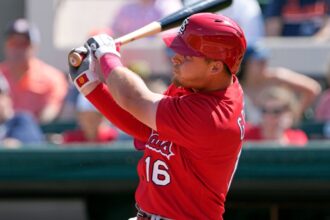
There are several players from last year’s team that the Phillies would like to retain, but none carry the weight or urgency of Kyle Schwarber. Over the past two seasons, Schwarber has become one of Philadelphia’s defining figures—both on the field and inside the clubhouse. He has swatted 50-plus home runs in each of his last two seasons with the Phillies, establishing himself as one of the most dangerous power hitters in baseball and an essential part of the Phillies’ offensive identity. When conversations begin about which pending free agents the Phillies absolutely cannot afford to lose, Schwarber’s name sits squarely at the top of the list.
As the winter meetings prepare to get underway in Orlando on Sunday, the urgency surrounding Schwarber’s future has only intensified. National writer Kerry Miller of Bleacher Report has weighed in on the situation, suggesting that despite the increasing tension, he believes the Phillies will ultimately get a long-term agreement finalized during their time in Florida. According to Miller, the longer the delay in announcing a deal, the more seriously one has to consider the possibility that Schwarber might actually entertain offers from other clubs. “With each passing day that the deal doesn’t get announced,” Miller wrote, “it becomes a little more realistic that he could end up somewhere else.”
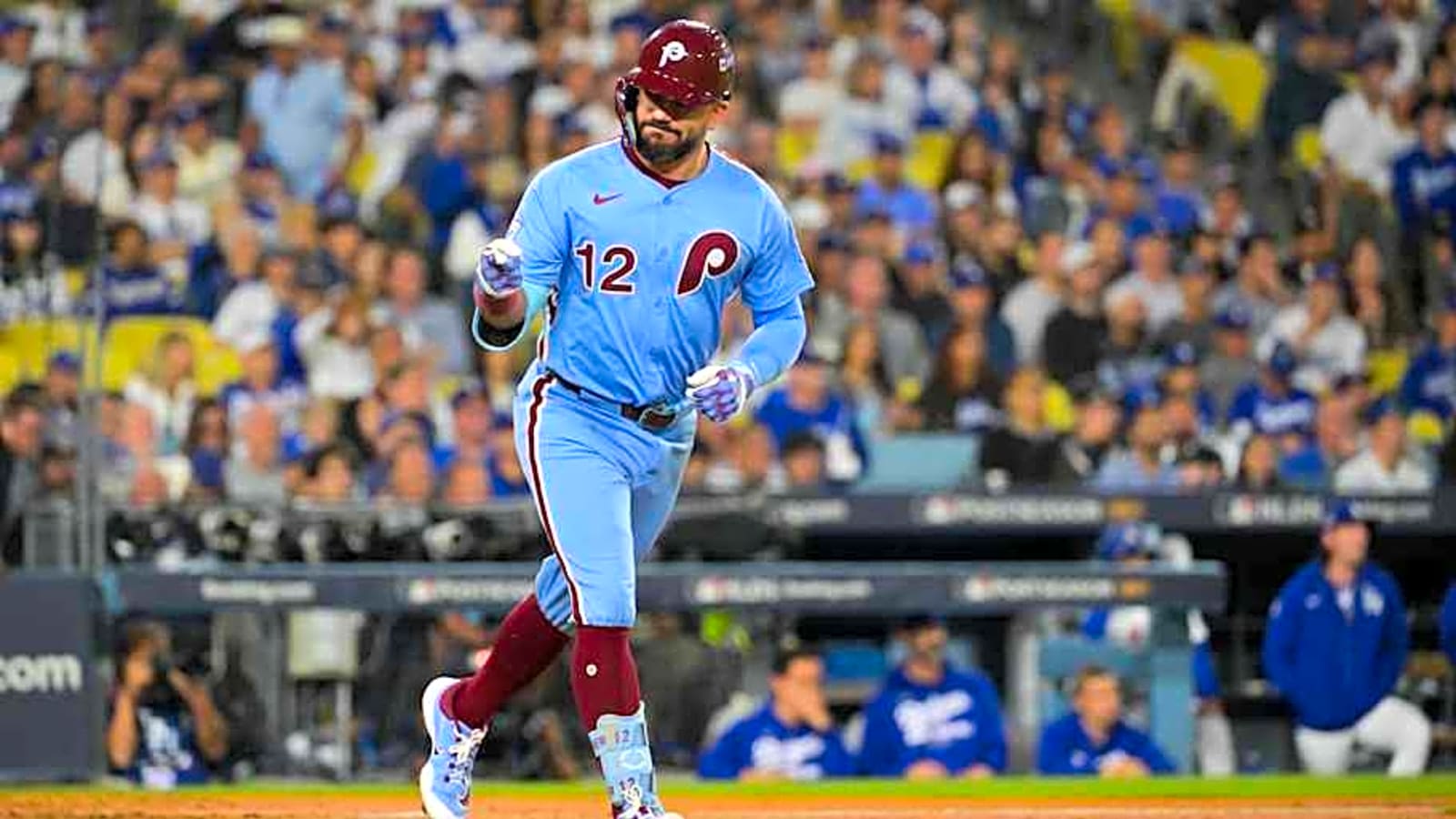
That sentence encapsulates the anxiety that has quietly grown among Phillies fans throughout the offseason. The expectation had always been that Schwarber’s return would be a formality—that Dombrowski and ownership would waste no time securing one of the team’s most indispensable players. But with the offseason already moving along and reports continuing to surface without resolution, the fanbase has understandably grown restless. The Phillies operate in a win-now window, and losing Schwarber would be a massive blow—both symbolically and practically.
Miller’s prediction offers something of a reassurance: he believes once the Phillies gauge Schwarber’s market early during the winter meetings, they will move decisively to retain him. He projects a four- or five-year contract worth around $30 million annually. A deal of that magnitude would signal not only the team’s commitment to its current core but also its recognition of Schwarber’s immense value, not just as a home run threat but as an emotional leader and stabilizing presence in the lineup.
For the Phillies, such a deal would be manageable. Schwarber is a proven postseason performer, a player who consistently rises to the moment when October arrives. His 50-home-run seasons speak for themselves, but his impact goes beyond traditional statistics. Schwarber is the kind of hitter who changes pitchers’ game plans, who creates fear at the plate, who forces managers to adjust how they navigate innings. His ability to flip the momentum of a game with a single swing has made him one of the most impactful sluggers in the National League. Even if his batting average isn’t elite, his power, plate discipline, and leadership more than compensate.
This is precisely why Phillies fans are confused—and at times frustrated—by the front office’s slower approach in re-signing him. The organization showed remarkable urgency when they re-signed Aaron Nola two offseasons ago, locking up the franchise pitcher before he ever hit the open market. So why didn’t they exhibit that same urgency with Schwarber? Miller himself expressed surprise at the Philadelphia front office’s pace, suggesting that each day without a deal increases the risk of losing him to another team looking to add a premier bat.
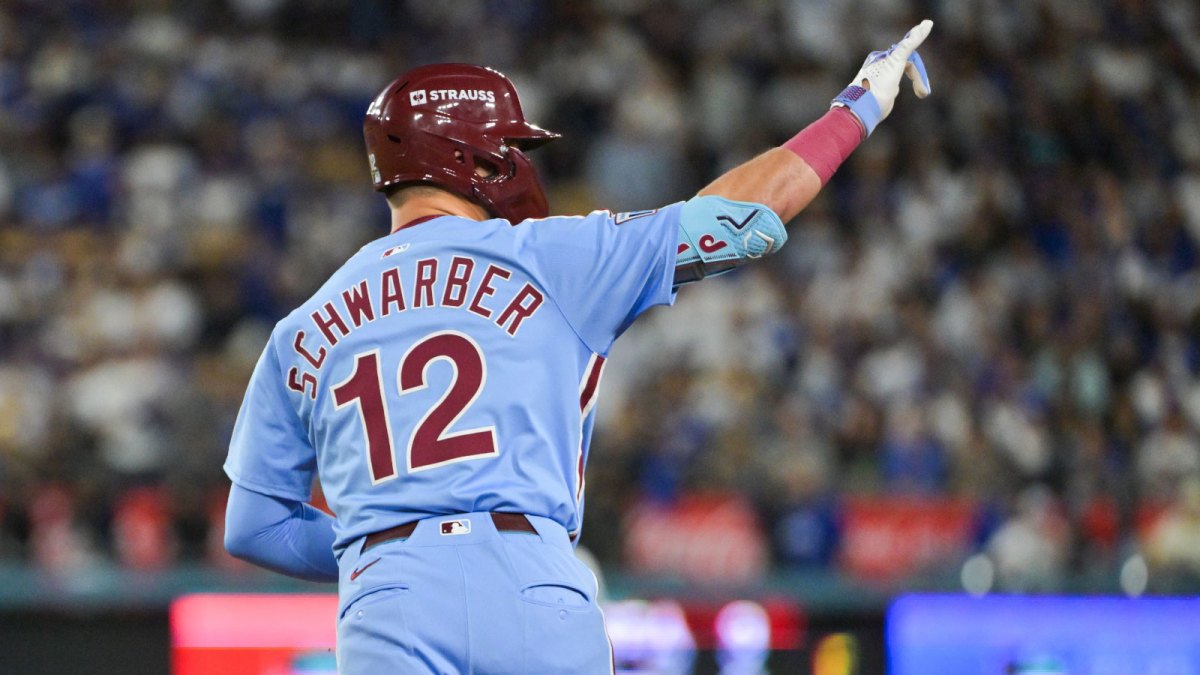
Yet within the Phillies’ decision-making structure, there may be method behind what outwardly looks like caution. Dombrowski is known for his aggressive tendencies, but he is also experienced enough to understand timing. Free-agent markets evolve rapidly, and sometimes waiting even a short period can clarify a player’s true price. Schwarber’s market, while robust, may not be so competitive that Philadelphia is forced to rush. Still, there is a fine line between patience and danger, and the Phillies are walking it carefully.
Miller’s projection of a four- or five-year contract aligns with what many league observers expect. At $30 million annually, Schwarber would land in the upper tier of designated hitter salaries, rightfully so given his production. For the Phillies, such a contract would allow them to maintain consistency in the heart of their lineup while still preserving payroll space to address other key needs. The organization needs help at catcher, additional outfield depth, and reinforcements in the bullpen. As Miller explained, if the Phillies commit major dollars to Schwarber, the rest of the winter will likely focus on acquiring players who provide value without requiring significant financial investment.
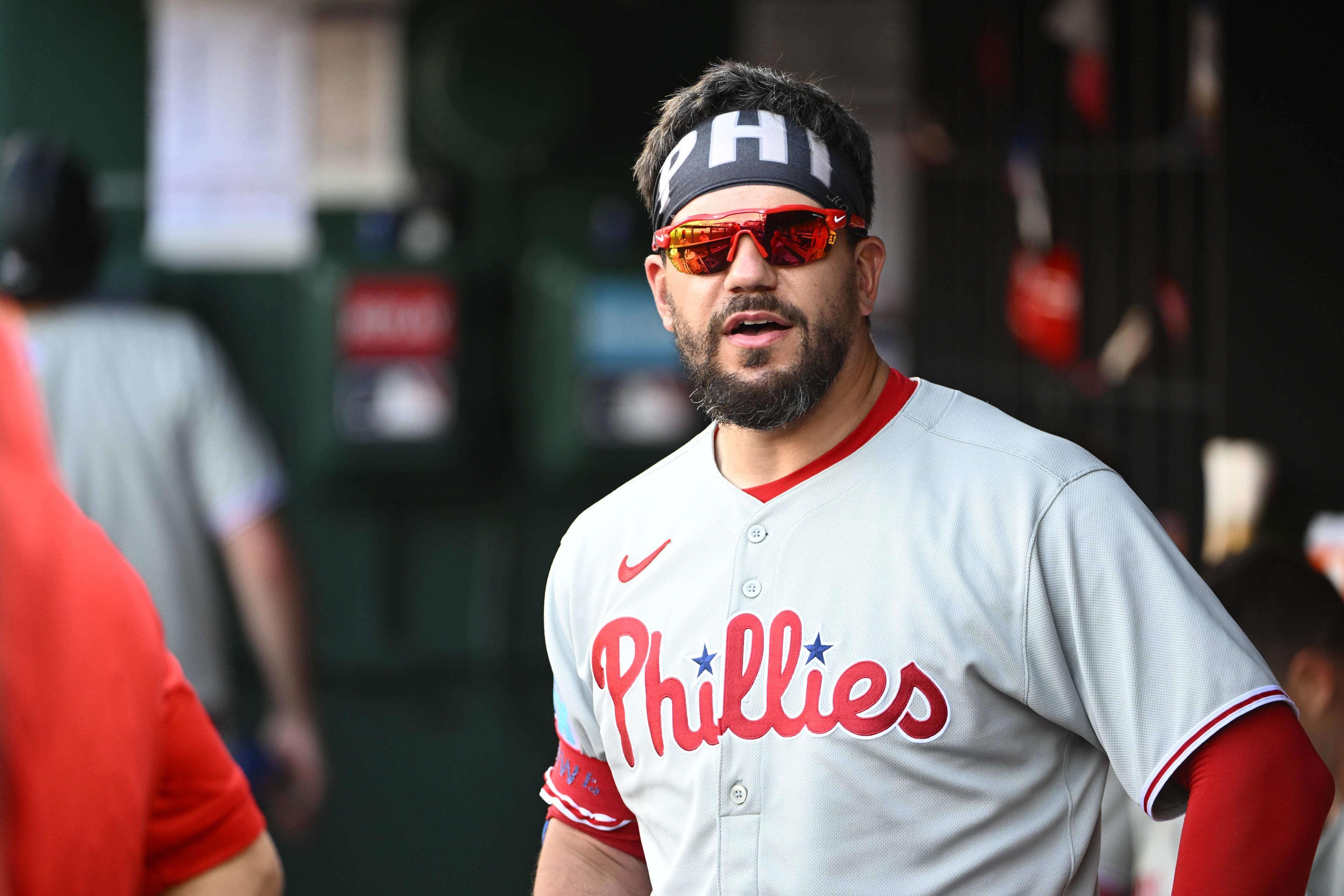
From a long-term perspective, retaining Schwarber would also help preserve the culture that has made the Phillies such a dangerous postseason opponent in recent years. He is widely recognized as one of the team’s emotional leaders, someone whose influence extends far beyond home runs and OPS. Younger players look to him for guidance. Teammates feed off his competitive approach. And the fanbase has developed a real connection to him, especially after the dramatic home runs and postseason performances that have defined his time in red pinstripes.
Letting him walk would damage the roster, but it would also risk disrupting the team’s chemistry at a time when stability is essential. Philadelphia’s core—Bryce Harper, Trea Turner, J.T. Realmuto, Zack Wheeler, and others—is built around experienced veterans with a win-now mentality. Removing Schwarber would create a leadership vacuum, something that could affect not only the lineup structure but also the tone in the clubhouse.
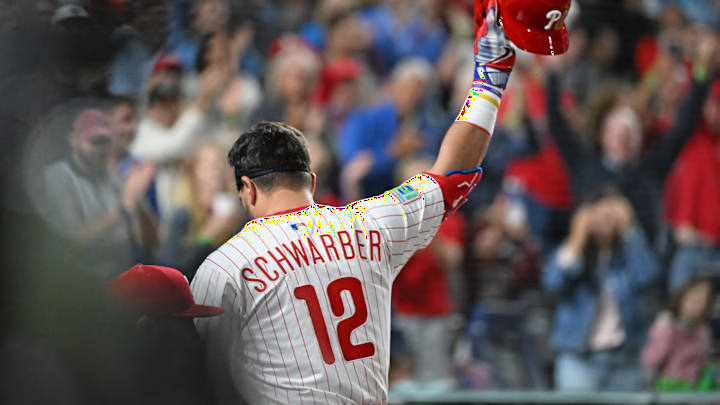
This is why Dombrowski is expected to prioritize Schwarber above all other free agents. Even though Philadelphia has other holes to fill, no hole would be bigger than losing that much power production and veteran influence. A deal that keeps Schwarber in Philadelphia should be seen not only as financially reasonable but also as strategically essential for maintaining the franchise’s competitive window.
While it’s possible that negotiations may stretch beyond the conclusion of the winter meetings, Miller believes that some form of tangible progress should be expected by then. If no deal is reached during the meetings, the Phillies will almost certainly accelerate discussions soon after. The worst-case scenario for the front office would be allowing another team to swoop in with a competitive offer simply because Philadelphia hesitated.

Ultimately, the Phillies must find a balance between fiscal discipline and competitive urgency. Dombrowski and the front office know that Schwarber is a foundational piece. They know that replacing his production would be nearly impossible. And they know that losing him would change the team’s identity, making the road back to the postseason far more complicated.
Everything points toward a deal eventually getting done. The question is whether the Phillies will act quickly enough to avoid unnecessary risks. The fanbase is waiting. The market is waiting. And Schwarber is likely waiting as well. The clock is ticking, and the time for caution is running short. Now it’s up to Dombrowski to finish the job and ensure that one of the most important hitters in baseball remains in Philadelphia for years to come.