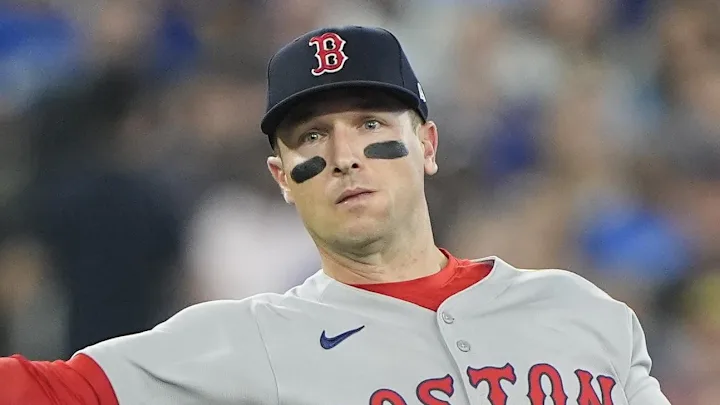
From the moment the Boston Red Sox entered the offseason—and even in the final weeks before the 2025 campaign officially wound down—the central focus for the front office was unmistakable: secure a long-term contract with third baseman Alex Bregman, the team’s veteran clubhouse anchor and one of the most respected personalities in the organization. Boston brought Bregman aboard late last winter in a signing that many around the league viewed as a low-risk, high-reward move. The structure of his contract, filled with short-term options and incentives, made it clear that the arrangement was essentially designed to last only a single season unless everything aligned perfectly for both sides.
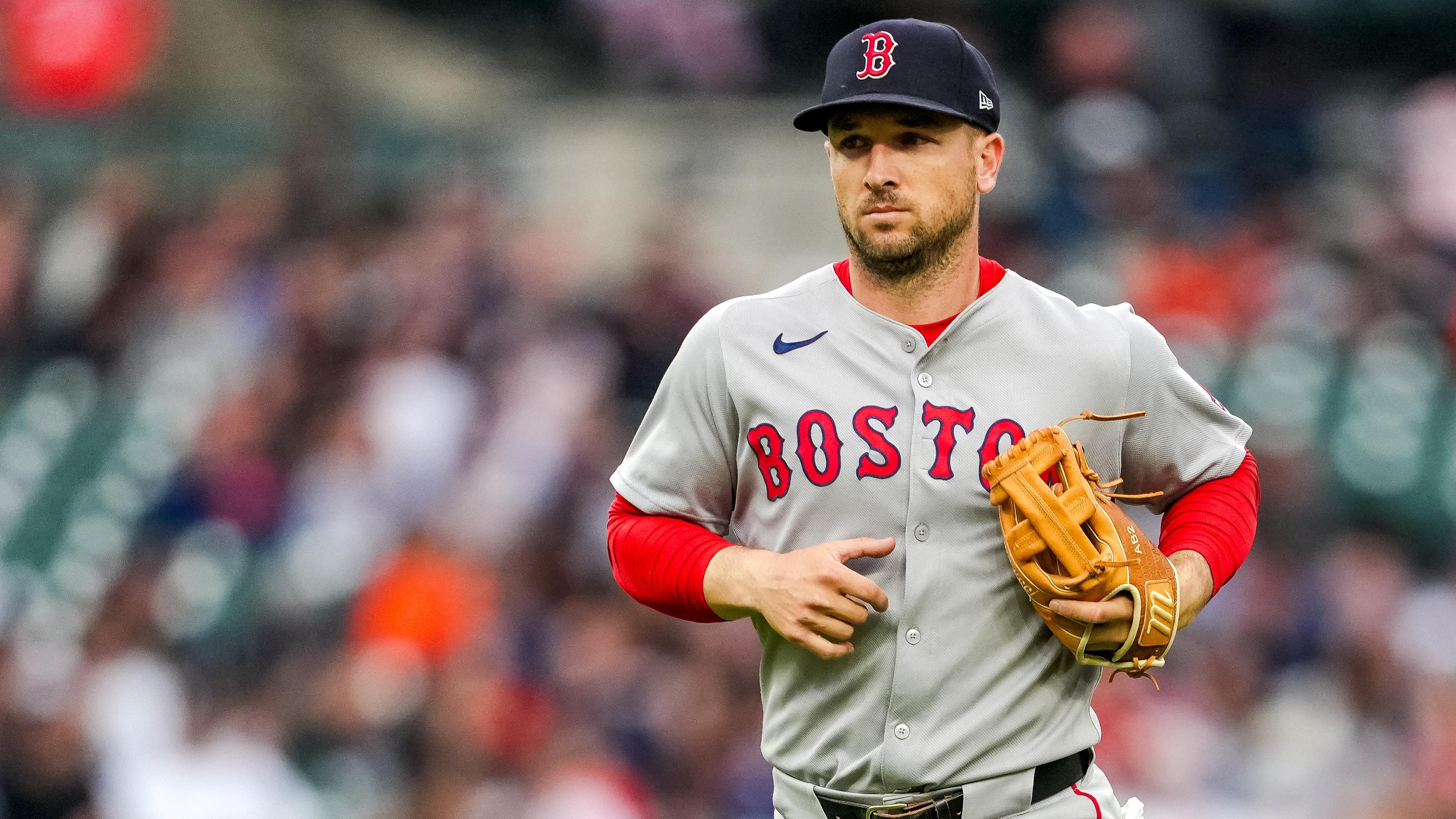
Despite missing significant time due to a leg injury that cost him more than a month of the regular season, Bregman delivered exactly what the Red Sox had hoped for when they took a chance on him. At the plate, he posted a .273 batting average and an .821 OPS—strong numbers that reflected both consistency and experience. Defensively, he continued to demonstrate the elite instincts and reliability that have defined his career at third base, providing the Red Sox with one of the steadier gloves at the hot corner in the American League. Equally important, though, was his impact off the field. Boston used 2024 as a developmental year for many emerging prospects, and Bregman quickly became a mentor and guide for that young wave of talent, setting professional standards that the front office deeply appreciated.
Now, however, Bregman sits on the free-agent market once again. While both the player and the team have expressed interest in continuing the partnership, negotiations come with significant hurdles. Bregman will turn 32 at the end of next March, and the Red Sox are wary of making a long-term financial commitment that extends deep into his mid-30s. Boston wants him back—but only at a price and contract length that fits their broader vision. And because the baseball offseason is rarely predictable, the Red Sox front office is preparing alternatives. According to a report from The Athletic, one of those alternatives is not just surprising it’s a name that would represent a significant shift in direction: Toronto Blue Jays shortstop Bo Bichette.
Red Sox Considering Bo Bichette as a Contingency Option
Bichette is also a free agent this winter, and his future with Toronto is far from certain. Over his seven years with the Blue Jays, the talented shortstop has been a steady offensive force, but his defensive reputation at shortstop has always been mixed. He can play the position, but scouts and analytics consistently place him below the elite tier defensively. Offensively, however, he remains one of the most reliable hitters in the American League. Last season he hit .311 with an .840 OPS, displaying both contact ability and situational hitting—two traits the Red Sox have lacked at times in recent years.

One of the more intriguing pieces of this rumor is Bichette’s performance at Fenway Park. Few visiting hitters have consistently torched Boston pitching in that ballpark the way Bichette has. His swing, driven by quick hands and a line-drive approach, suits Fenway exceptionally well, especially with the Green Monster rewarding hitters who can drive the ball hard to left field. Over his career, he’s hit .329 with a .907 OPS in 157 plate appearances at Fenway—a level of success that hasn’t gone unnoticed by Boston’s evaluators.
The Athletic’s reporting also noted that WEEI’s Rob Bradford mentioned Boston’s interest in Bichette as early as October, suggesting this wasn’t a last-minute idea but rather something that has been on the Red Sox’s radar for several months.
Contract Dynamics: Is Bregman Too Expensive?
One of the primary reasons Bichette has entered the conversation is the financial math involved in re-signing Bregman. Spotrac’s projections offer a clear snapshot of the market: Bichette is forecasted to command an eight-year, $186 million deal, which breaks down to approximately $23.3 million per season. The appeal there is obvious—Bichette will be just 28 in March, making a long-term deal more palatable because it covers his late-20s and early-30s, typically a player’s prime years.

Bregman, meanwhile, is projected to land a four-year contract worth $128 million, or $28 million annually. That shorter term is ideal for many teams who want to avoid committing to older players deep into their 30s, but the annual price tag is higher. On top of that, there have been persistent rumors that Bregman wants a six-year deal, hoping to secure what could be the final major payday of his career. The Red Sox have made it clear internally that a six-year commitment is not something they are comfortable offering, especially after how carefully they have been structuring contracts during their current roster-building phase.

If the Red Sox could get Bregman on a four-year deal, negotiations might proceed smoothly. But if the bidding heats up and Bregman demands more term or pushes for a higher annual value, Boston could move on to other targets—Bichette being at the top of that list.
Another consideration is flexibility. Boston’s front office has said repeatedly that they want to build a team that can compete both now and in the future, and maintaining financial freedom has been a priority. Signing Bichette would be a major commitment, but because he is younger, the front office might view the deal as more of a long-term investment rather than a short-term gamble.
Fit and Fielding: Where Would Bichette Play?
For Bichette to fit seamlessly into the Red Sox infield, some positional shifting would be required. According to The Athletic’s analysis, the Red Sox would plan to keep Trevor Story, who remains an elite defender, as their everyday shortstop. Bichette would then move to second base—a position he has played before and one where his defensive limitations would be less glaring. Bichette logged innings at second base during the World Series this past year, giving teams a recent sample of how he handles the position.
This alignment would also affect Boston’s prized young infielder Marcelo Mayer. Mayer stepped in at third base last season during Bregman’s injury absence and performed well both defensively and at the plate. With a full offseason to continue his development, the Red Sox view him as a viable long-term solution at third if Bregman departs. Therefore, adding Bichette wouldn’t block Mayer’s path; instead, it would create an infield core of Story, Mayer, Bichette, and Triston Casas that could remain intact for years.

This configuration also reflects a changing philosophy in the front office. Rather than prioritizing purely defensive fits, the team appears willing to assemble the most talented group of position players and then adjust roles around them. Bichette’s bat is impactful enough to justify that approach.
What the Red Sox Lose and Gain If Bregman Leaves
Losing Bregman would create a leadership void. He is not only a veteran presence but also a proven postseason performer, and his steady, meticulous approach has resonated with the younger players in Boston’s clubhouse. Those intangibles are difficult to quantify but often play a meaningful role in team chemistry.

Still, Bichette offers strengths of his own that shouldn’t be overlooked. At four years younger than Bregman, he offers more long-term upside. His wRC+ over the past six seasons is nearly identical to Bregman’s—Bichette sits at 21 percent above league average, while Bregman has been at 24 percent. Offensively, the production gap is minimal, and Bichette’s abilities in Fenway could make him even more valuable in Boston than he has been in Toronto.
Additionally, Boston has a chance to reshape the left side of its infield around young players like Mayer and Story. Adding Bichette to that structure could give the Red Sox one of the league’s more dynamic infield groups and a middle of the order with real staying power.

As the offseason progresses, the Red Sox find themselves in an intriguing position. Their first choice is clear—they want Alex Bregman back. But they also recognize the risk of being left without a viable plan if negotiations reach an impasse. Bichette represents not only a fallback option but a player who could fundamentally alter the structure and identity of Boston’s infield for the next decade.
Whether the Red Sox choose veteran leadership and familiarity with Bregman or youth and offensive upside with Bichette will likely come down to contract length, financial demands, and how the market evolves in the coming weeks. But one thing is certain: Boston is determined not to come out of this offseason empty-handed at third base—or second base, or shortstop. The Red Sox want stability and impact in the heart of their infield, and both Bregman and Bichette offer compelling, if very different, paths toward that goal.