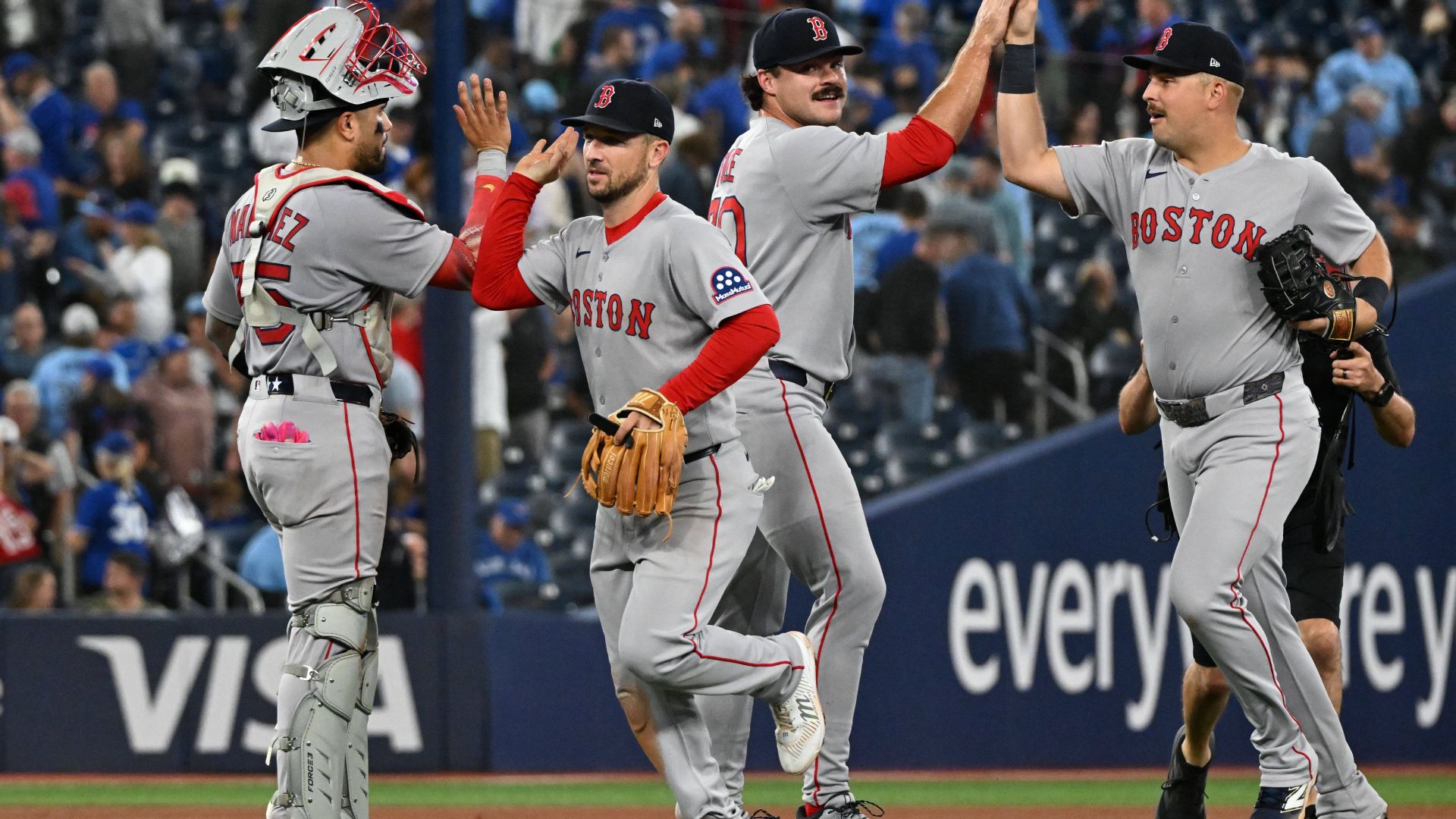
The Boston Red Sox entered the offseason with ambitious expectations and a clear desire to add another cornerstone player to their roster. One of the names at the top of their list was power-hitting outfielder and designated hitter Kyle Schwarber. For several weeks, speculation swirled regarding possible mutual interest, particularly as the Red Sox looked for a way to deepen their lineup and replace some of the offensive production they risk losing in free agency. However, despite the early buzz and the idea that Schwarber could have been an ideal fit in Boston’s batting order, the pursuit never materialized into a concrete offer. Ultimately, Schwarber chose to remain with the Philadelphia Phillies, signing a lucrative long-term deal that kept him in the city where he has played some of the best baseball of his career.
With Schwarber off the board, the Red Sox were immediately forced to pivot. Their offseason strategy could no longer include the left-handed slugger, and the front office had to reassess its priorities. One ongoing variable in all of this is the status of Alex Bregman, who remains a high-profile free agent. With his decision still pending, Boston finds itself needing to consider multiple pathways to improve the roster, some of which involve adding an impact hitter capable of slotting into the heart of the lineup. Even with Bregman still unsigned, the Red Sox recognize that standing still is not an option. Their American League East competition has only intensified, and Boston cannot afford another year in which the offense lacks consistency and depth.
Fortunately for them, the market—both free agency and the trade landscape—is stocked with intriguing possibilities. The Red Sox have made it clear through their early winter actions that they plan to be aggressive. Tim Healey of The Boston Globe reported Tuesday that Boston’s front office has already cast a wide net at the Winter Meetings, taking a proactive approach toward locating major offensive upgrades. According to Healey, the club has inquired about several high-caliber players, including multiple established All-Stars who could immediately elevate the lineup.

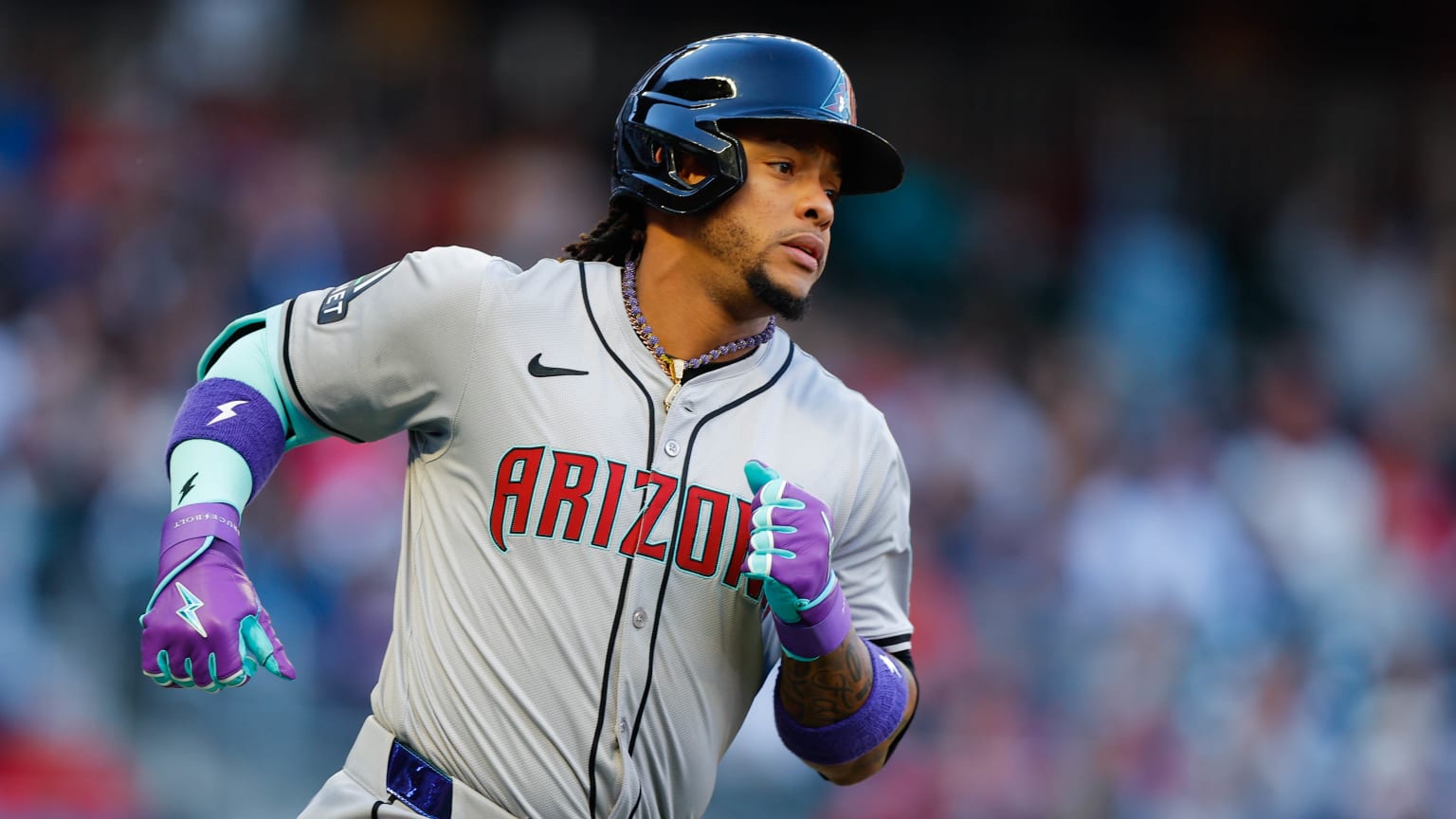
Healey’s report adds that one of the most significant names the Red Sox have engaged in discussions about is Arizona Diamondbacks infielder Ketel Marte, a switch-hitting force widely regarded as one of the most dynamic and productive second basemen in baseball. These discussions signal that Boston is not merely dabbling in potential improvements—they are seriously exploring blockbuster-level opportunities. The report also indicates that the Red Sox have expressed interest in other premier talents such as Texas Rangers shortstop Corey Seager, Houston Astros third baseman Isaac Paredes, and St. Louis Cardinals utility standout Brendan Donovan.
These names represent a mix of superstar-level impact players and multi-positional contributors who fit Boston’s desire to increase both high-end talent and lineup flexibility. While it is unclear how far any of these conversations have progressed, the fact that the Red Sox are investigating multiple major acquisitions reflects the organization’s urgency to improve following another disappointing campaign.

Among all the players mentioned, Marte stands out as perhaps the most realistic and desirable trade target. He is not only one of the top offensive performers at his position but also is under a long-term contract that offers both cost certainty and star-level performance. Currently entering the second year of a six-year deal, Marte provides a blend of stability and upside that appeals to teams seeking a franchise backbone. The Diamondbacks, who have consistently sought ways to sustain competitiveness while managing payroll, could be open to moving Marte in exchange for a significant package of young talent and pitching depth—two areas where Boston has quietly accumulated assets.
Marte’s value cannot be overstated. Over the last several seasons, he has transformed into one of the most complete offensive threats in the sport. His ability to hit for average, power, and extra-base authority, combined with his adaptability as a switch hitter, makes him an ideal fit for Fenway Park. His presence would immediately bolster the middle of the Red Sox lineup and bring much-needed stability to a team that has struggled to find dependable production at second base. While many players in MLB are capable of filling a role, Marte is one of the rare few who can transform a team’s identity.
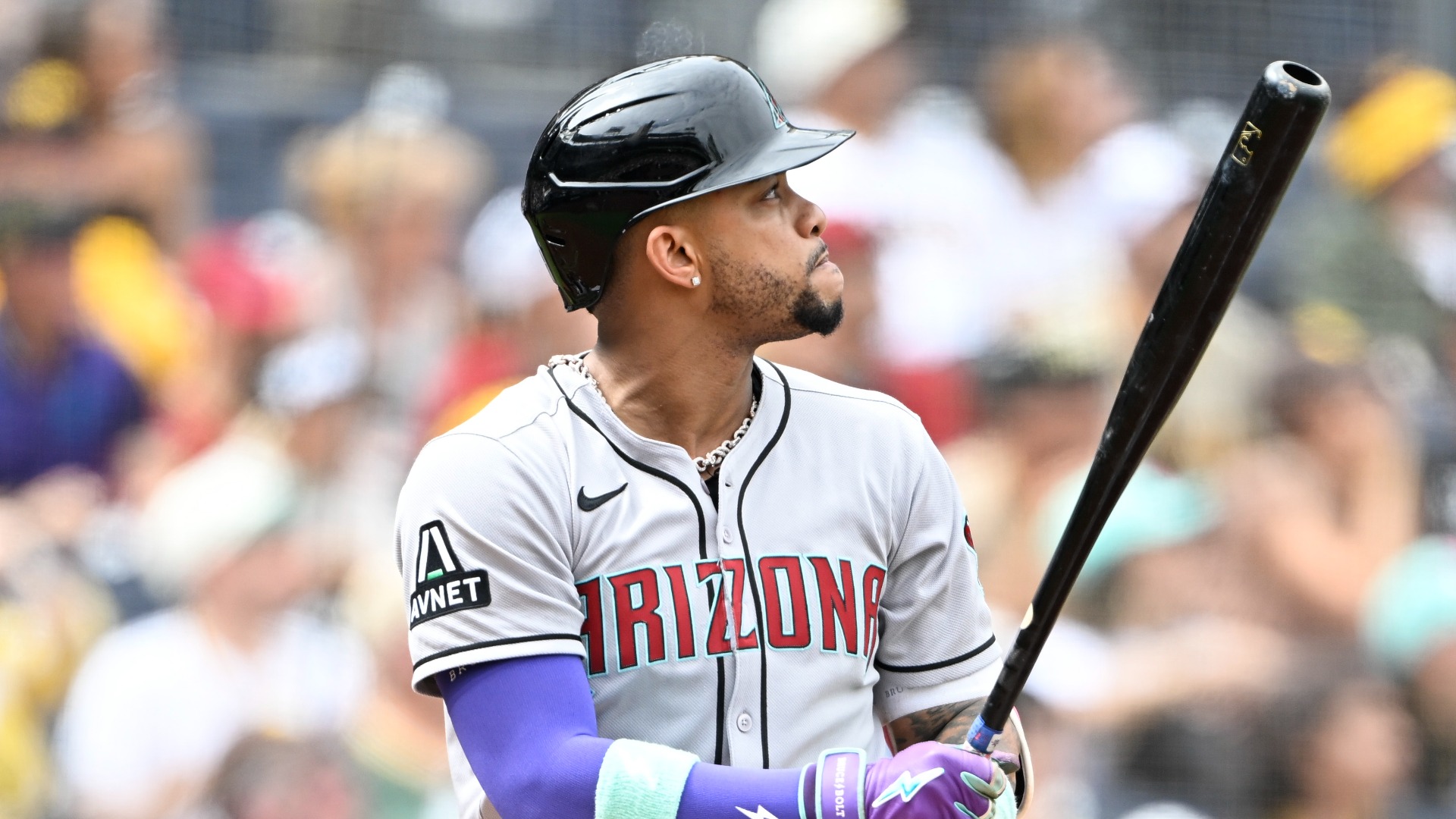
For Boston, landing Marte would also help solve some of their internal positional questions. Top prospect Marcelo Mayer, widely viewed as the Red Sox’s future cornerstone shortstop, could comfortably shift to third base to accommodate Marte at second. With this alignment, the Red Sox would effectively replace the potential loss of Bregman with a younger, more athletic, and arguably more consistently productive infielder. Instead of merely replacing one star with another, Boston would be reshaping the infield into a long-term strength—a shift that could define the next several seasons of Red Sox baseball.
What makes Marte particularly appealing is that he brings the type of offensive skill set that Boston hoped to add by pursuing Schwarber. Losing out on Schwarber would sting less if Marte were acquired, because Marte would fill a different but equally important need. Schwarber remains one of baseball’s most formidable sources of raw power, capable of hitting towering home runs and altering the momentum of a game with a single swing. Yet he also brings swing-and-miss concerns that the Red Sox have not always navigated well in their lineup construction.
Marte, by contrast, is a high-contact hitter who provides strong on-base ability, gap-to-gap hitting, and enough power to be a consistent extra-base threat. His offensive approach would complement Boston’s existing core, particularly players like Rafael Devers and Triston Casas, who are expected to be foundational pieces of the organization’s future. Slotting Marte between or around those left-handed bats would give the Red Sox a more balanced and dynamic lineup.
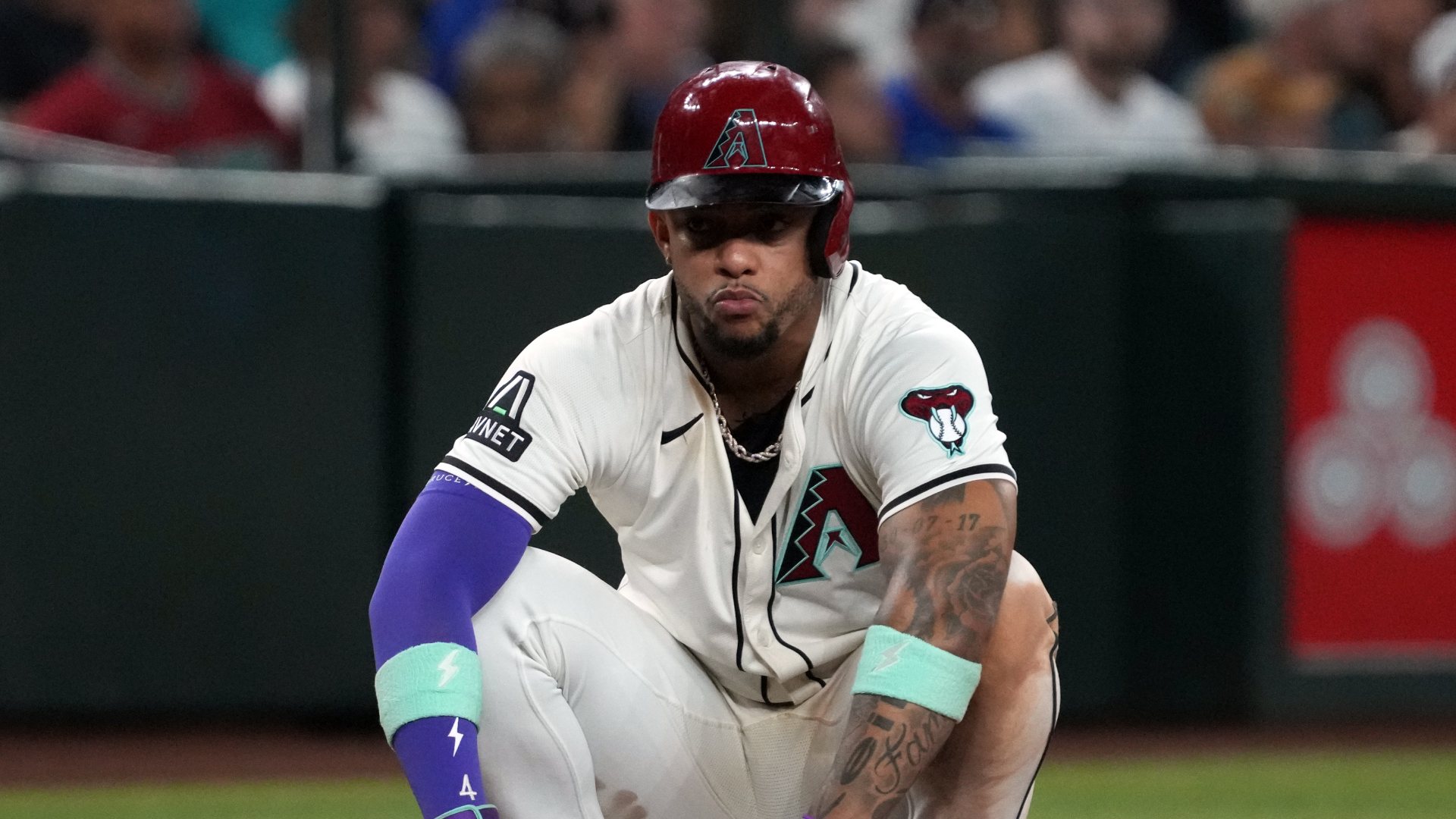
Moreover, Marte’s athleticism and versatility give him long-term value. Even though he is primarily a second baseman, he also possesses the ability to play center field and shortstop if needed. While Boston would not necessarily rely on him to shift around frequently, that added flexibility only increases his overall worth. Teams in today’s MLB greatly value players who can cover multiple positions while maintaining high offensive production, and Marte embodies that modern ideal.
The possible additions of Corey Seager, Isaac Paredes, or Brendan Donovan reflect Boston’s broadening strategy. Corey Seager is a franchise-altering talent, though prying him away from the Rangers would be extraordinarily expensive in terms of prospect capital. Isaac Paredes, meanwhile, has developed into one of the most underrated third basemen in the league, mixing power with sharp plate discipline and improving defense. His youth and team control make him an attractive target for many organizations, though the Astros would demand a considerable return.

Brendan Donovan is perhaps the most attainable of the group, but also one of the most versatile. With the ability to play multiple infield and outfield positions, he fits perfectly into a postseason-caliber roster. His left-handed bat, strong contact ability, and elite on-base percentage profile make him a strong complementary player—though not quite the franchise centerpiece level of Marte or Seager.
Still, among these options, Marte appears to be the player Boston is most sincerely exploring. The Diamondbacks continue to reshape their roster, and after making a run to the World Series in 2023 and remaining competitive thereafter, they may be at a point where reallocating resources is part of the next phase of their evolution. Marte, now approaching his late 20s, is under contract for a significant period and could net Arizona a substantial return that accelerates their long-term plans.
For Boston, making such a blockbuster move would signal a renewed aggressive posture—one similar to how the franchise operated during its most recent championship eras. The front office understands that competing in the AL East requires impact players, not merely complementary ones. The Red Sox have endured multiple cycles of retooling since 2021, but adding Marte would anchor their future and reassure fans that the organization is serious about contending once again.
As the offseason unfolds, the Red Sox will continue to evaluate all options at their disposal. They may still pursue Bregman, they may continue exploring the trade market, and they will undoubtedly examine various avenues to strengthen the pitching staff as well. But at this juncture, one thing is clear: Kyle Schwarber will not be part of their future. Instead, Boston will look to reshape its path by identifying the next major piece—one that can help restore the franchise to prominence.
And if that next piece is Ketel Marte, the Red Sox may very well emerge from this offseason with a transformed identity and a far more promising outlook for the seasons ahead.