Rangers’ Offseason Overhaul: Building Depth for a Playoff Push
The Texas Rangers face a pivotal offseason as they gear up for the 2026 campaign. After a disappointing 2025 season marked by roster gaps and underwhelming offensive production, the team must prioritize strategic additions and internal growth to mount a credible postseason challenge. This effort starts with bolstering depth across the board, particularly in ways that ignite offensive momentum and provide insurance against the inevitable injuries that plague every MLB roster.
Heading into 2026, the Rangers’ lineup reveals glaring deficiencies when scrutinized through the lens of last year’s performance metrics. Their bats struggled to generate consistent runs, with team-wide slugging percentages lagging behind playoff contenders and a high strikeout rate exposing vulnerabilities against quality pitching. While the signing of outfielder Brandon Nimmo represents a savvy move—bringing left-handed power, on-base skills, and veteran leadership to the fold—it’s merely the opening salvo in a larger reconstruction. Nimmo’s arrival addresses one corner of the outfield and adds plate discipline, but the Rangers still need complementary pieces to elevate their attack from middling to menacing.
Beyond high-profile acquisitions, the front office must focus on nurturing their existing talent. Young prospects in the farm system, like shortstop prospect Wyatt Langford or infield depth from recent drafts, require refined approaches at the plate to translate minor-league promise into big-league impact. Equally critical is fortifying the bench with versatile, low-risk signings. Depth players aren’t just backups; they serve as catalysts for lineup flexibility, late-inning specialists, and emergency starters. In a 162-game grind, injuries to stars like Corey Seager or Marcus Semien could derail a season without reliable alternatives ready to step in.
Recent Roster Move: Welcoming Andrew Velazquez
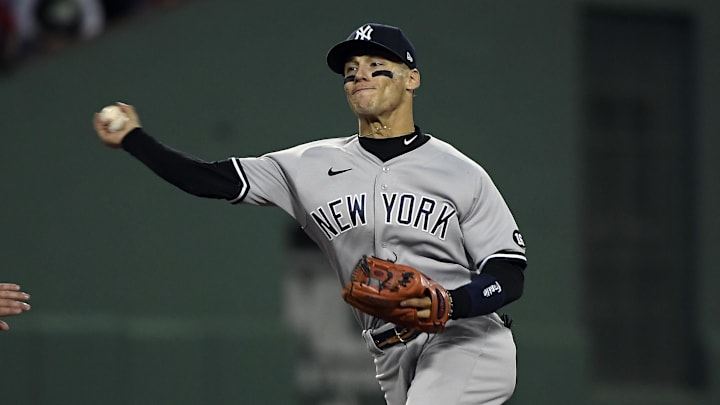
In a move emblematic of this depth-building philosophy, the Rangers recently inked veteran infielder Andrew Velazquez to a minor-league contract with an invitation to spring training. Announced via the team’s official PR channels, this low-cost gamble gives Velazquez a legitimate shot at cracking the 2026 Opening Day roster, provided he shines during exhibition play. At 34 years old (turning 35 in mid-2026), Velazquez brings a wealth of experience from bouncing around the majors, positioning him as a pragmatic addition for a club prioritizing resilience over splashy stars.

Velazquez’s journeyman career underscores his utility as a glove-first contributor. He first tasted the big leagues with the Tampa Bay Rays in 2018, debuting as a slick-fielding shortstop out of spring training. Since then, he’s suited up for a murderers’ row of contenders and rebuilders: the Cleveland Guardians (where he honed his defensive chops), the New York Yankees (as a September call-up), the Los Angeles Angels (in a utility role), and stints with the Pittsburgh Pirates and San Diego Padres. Across 275 MLB games—spanning parts of seven seasons—Velazquez has carved out a niche as a super-utility player capable of manning second base, shortstop, and third base with aplomb.
His defensive prowess stands out in an era where shifts are curtailed and range matters immensely. Velazquez boasts soft hands, quick lateral movement, and an above-average arm, making him a natural fit for the middle infield. During his time with the Angels in 2022, he posted positive Outs Above Average (OAA) marks at shortstop, turning double plays with efficiency and snatching hits that lesser defenders would miss. For the Rangers, who endured infield inconsistencies in 2025 due to injuries and inconsistencies from youngsters like Ezequiel Duran, Velazquez offers stability—a safety net that allows manager Bruce Bochy to rest regulars without sacrificing fielding quality.

Velazquez’s Elite Speed: A Game-Changer on Bases and in the Field
What truly sets Velazquez apart, however, is his blazing foot speed, a rare commodity that translates to value in multiple facets of the game. Baseball Savant data from his most recent full MLB season in 2022 paints a vivid picture: he ranked in the 92nd percentile for sprint speed, clocking consistent sub-4.0-second sprints from home to first. This explosiveness fueled a 94th-percentile baserunning run value (BsR), meaning he generated runs on the bases at an elite clip through aggressive steals, smart advances on hits, and taking extra bases.

Defensively, that speed expands his range dramatically. Velazquez covers ground like a center fielder transplanted to the dirt, chasing down grounders into the hole or ranging far to his right at second base. In Triple-A last year, he logged similar metrics, swiping 25 bags in 106 games while patrolling the infield with poise. For Texas, which ranked near the bottom of the league in team stolen bases and baserunning in 2025 (despite rule changes favoring aggression), Velazquez injects dynamism. Players like Jonah Heim and Adolis García, solid but not elite runners, could benefit from a spark plug who turns singles into doubles and creates pressure on pitchers.
Imagine a late-inning scenario: Rangers trailing by a run in the eighth, with a runner on first and two outs. Enter Velazquez as a pinch-runner—his wheels force the pitcher to hesitate, opening lanes for the hitter behind him. Or picture a ground ball up the middle with runners on; his range turns a sure hit into an inning-ending double play. These marginal gains compound over a season, potentially adding 5-10 runs to the Rangers’ ledger.
The Offensive Hurdle: Potential for Improvement
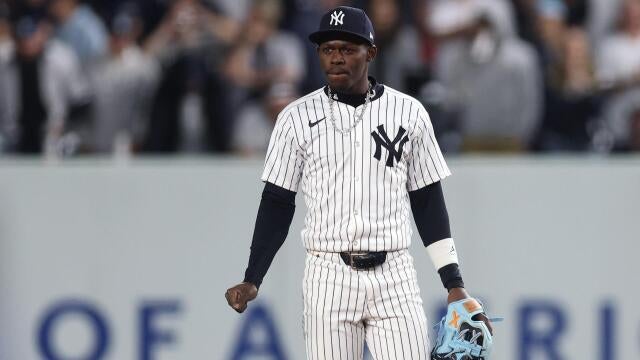
Velazquez’s Achilles’ heel has always been his bat, which tempers enthusiasm for an everyday role. In those 275 MLB contests, he posted a dismal .189/.244/.293 slash line—well below the Mendoza line—with a 35.5% strikeout rate and scant power (just 10 home runs total). His swing chases too many sliders low and away, and he struggles to barrel up fastballs, leading to weak contact or whiffs. This offensive anemia relegated him to bench duty or minor-league shuttles, as teams couldn’t justify his spot in the lineup over even average-hitting alternatives.
Yet, glimmers of hope emerged in 2025 at Triple-A Round Rock. Over 106 games, Velazquez boosted his line to .242/.304/.345, scoring 49 runs, driving in 41, and popping five homers. He drew 28 walks (a career-best plate discipline mark) while cutting his strikeouts slightly to 93, and those 25 steals highlighted his continued basepath threat. This uptick suggests mechanical tweaks—perhaps a more compact swing or better pitch recognition—could unlock fringe big-league viability. At his age, a spring training hot streak (say, .280 with power) might earn him 200-300 plate appearances as a super-sub.

Optimal Role and Broader Impact on Rangers’ 2026 Plans
If Velazquez secures a roster spot, his ideal deployment maximizes strengths while minimizing weaknesses: pinch-runner extraordinaire, defensive replacement in the seventh inning, and occasional starter against lefties (he’s a switch-hitter with righty power). With the Rangers’ infield crowded by Seager, Semien, Josh Smith, and prospects, he won’t displace starters but provides luxury. In a pinch-hitting scenario, his speed could score from second on a single; as a late-game sub, he fortifies the defense without diluting the offense entirely.
This signing fits into a larger Rangers blueprint. Pair Velazquez with Nimmo, and you’ve got speed and patience at the top of the order. Target similar depth arms like reliever Robert Garcia or catcher depth to round out the 40-man. Offensively, pursue a mid-tier bat like free agent Gleyber Torres or trade for a corner outfielder to complement Wyatt Langford’s emergence. Developmentally, invest in hitting coaches to curb the team’s 24% strikeout rate.

Injuries strike without warning—recall 2025’s rash that sidelined Seager for months. Velazquez’s versatility hedges those bets, buying time for rehab and keeping the lineup humming. His veteran presence also mentors kids, instilling a winning culture in a young clubhouse.
Ultimately, Velazquez embodies smart, unsexy baseball: affordable upside that amplifies stars. If he clicks, he could be the glue for a 90-win Rangers squad eyeing October. The offseason grind continues, but moves like this signal intent. Texas isn’t just patching holes—they’re engineering a deeper, tougher roster primed for the long haul.