The New York Mets continue to demonstrate a calculated and forward-thinking approach to roster construction, particularly when it comes to pitching depth in the upper tiers of their minor league system. Rather than relying solely on splashy free-agent signings or last-minute depth additions, the organization has made it increasingly clear that it values long-term pitching inventory—especially arms that could quietly develop into useful major league contributors down the road. Their recent activity reflects this philosophy in action.
Earlier this week, reports surfaced that the Mets had reached an agreement with right-handed pitcher Ofreidy Gómez, who had been pitching in the Dominican Winter League. That move alone suggested the front office was staying active in the international and offseason markets in search of affordable pitching options. However, the Mets didn’t stop there. Shortly thereafter, they made another under-the-radar acquisition, signing a second right-handed pitcher to a minor-league deal—one whose circumstances make the move particularly noteworthy.
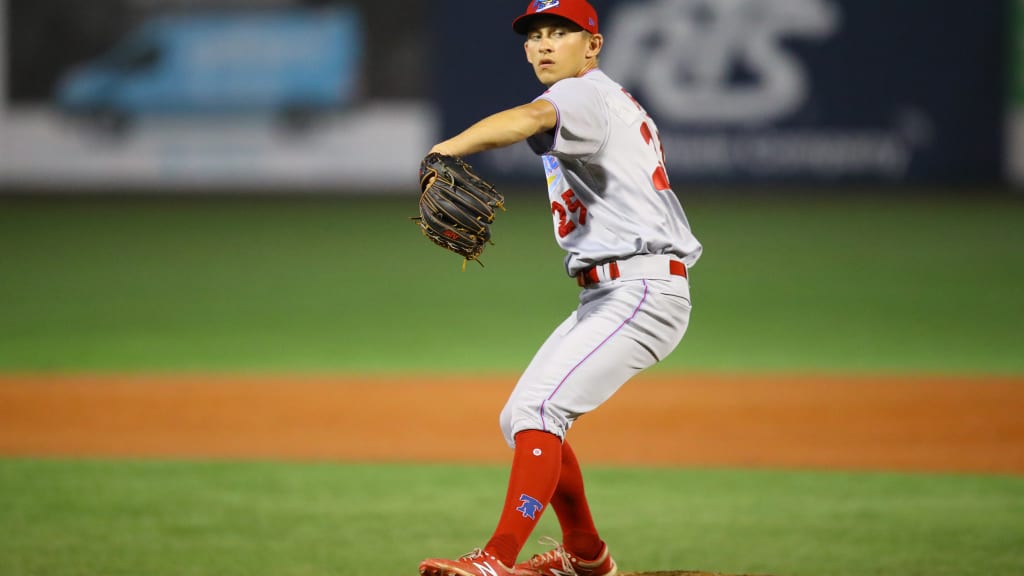
According to Anthony DiComo of MLB.com, the Mets have agreed to terms with 28-year-old right-hander Tyler Burch on a two-year minor-league contract. While such contracts are relatively uncommon across Major League Baseball, they serve a specific purpose. Teams often use them when they believe a player will miss most or all of the upcoming season due to injury but still possesses enough upside to warrant a longer-term commitment. In these cases, the organization is able to oversee the player’s rehabilitation process while retaining control beyond the standard one-year minor-league agreement, preventing the player from electing free agency once healthy.
For the Mets, this structure offers both stability and opportunity. Burch missed the entirety of the most recent season while recovering from Tommy John surgery, a procedure that has become increasingly common among pitchers but still requires a lengthy and carefully monitored recovery timeline. By signing Burch to a two-year deal, the Mets ensure that he can focus on his rehab within their system without the pressure of immediately needing to prove himself to secure his next contract. At the same time, the organization benefits from retaining a potentially useful arm without risking losing him the moment he returns to full health.

Burch spent last season in the Colorado Rockies organization after being selected in the Triple-A phase of the Rule 5 Draft the previous year. However, because he had already undergone elbow surgery, there was never an expectation that he would pitch during the season. Ultimately, rather than remaining with the Rockies once the year concluded, Burch chose to test the open market and elected free agency. That decision paved the way for the Mets to step in and offer him a more appealing long-term arrangement.
Originally signed as an undrafted free agent in 2019 out of Lewis-Clark State College, Burch’s journey through professional baseball has been anything but conventional. Lewis-Clark State is a respected NAIA program with a strong baseball tradition, but players from smaller schools often face longer odds of reaching the major leagues. Despite that, Burch steadily climbed through the minor league ranks, carving out a role primarily as a relief pitcher.
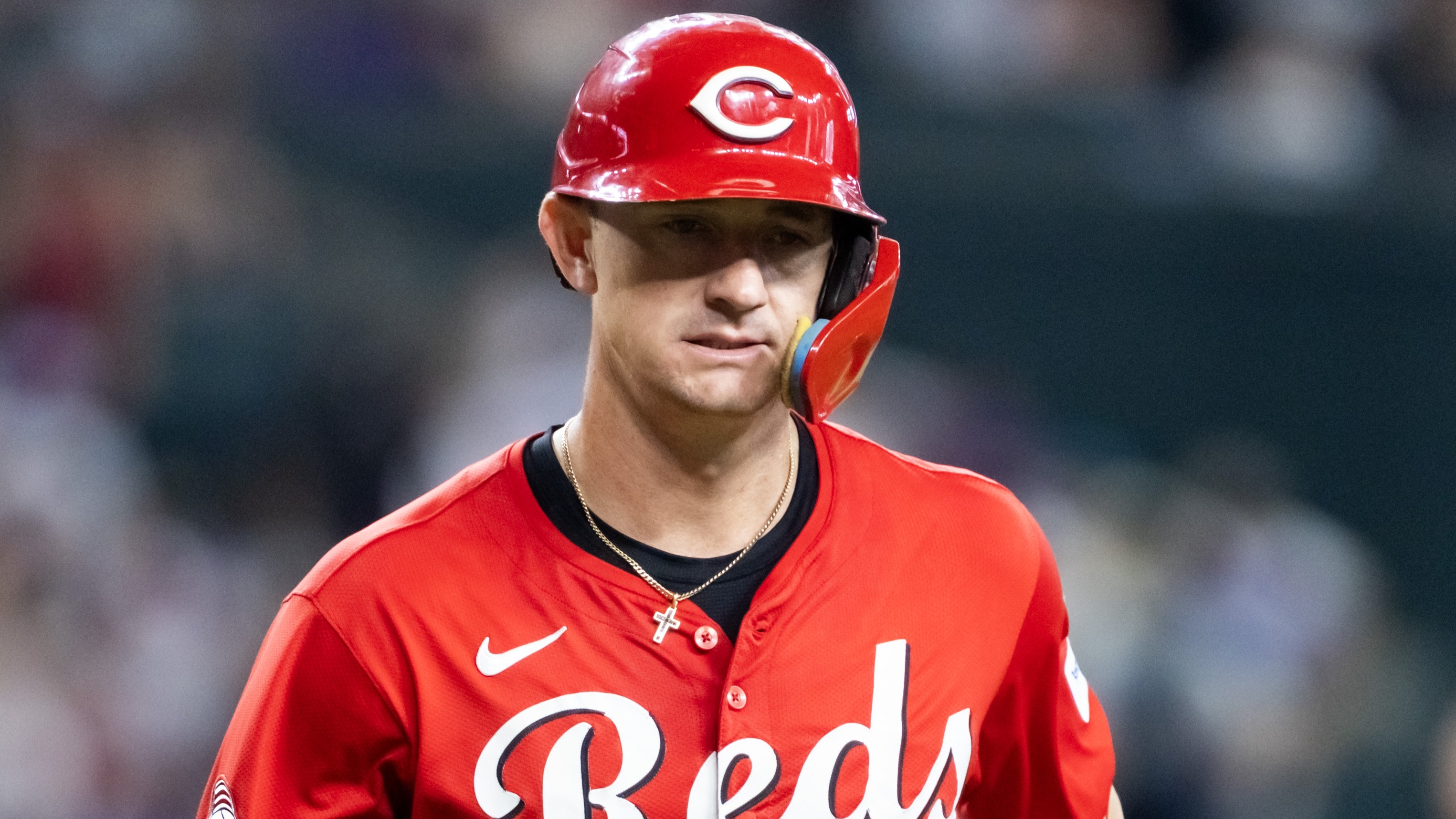
Over the course of his professional career, Burch has made 114 appearances in the minor leagues, nearly all of them out of the bullpen. In those outings, he has posted a solid 3.71 earned run average while striking out 186 batters across 174 2/3 innings. Those numbers suggest a pitcher capable of missing bats and limiting damage—two traits that organizations often prioritize when evaluating potential bullpen contributors. While he has not yet advanced beyond the Double-A level, his performance indicates that he has been effective against the competition he has faced.
Given his track record and recent injury history, it would be unrealistic to expect Burch to factor into the Mets’ major league plans in the immediate future. He has yet to pitch at the Triple-A level, and coming off Tommy John surgery, the organization will likely prioritize a cautious and deliberate approach to his workload. As a result, his 2025 season—if he returns to game action at all—will probably focus on rebuilding strength, refining command, and proving that his stuff has fully returned.
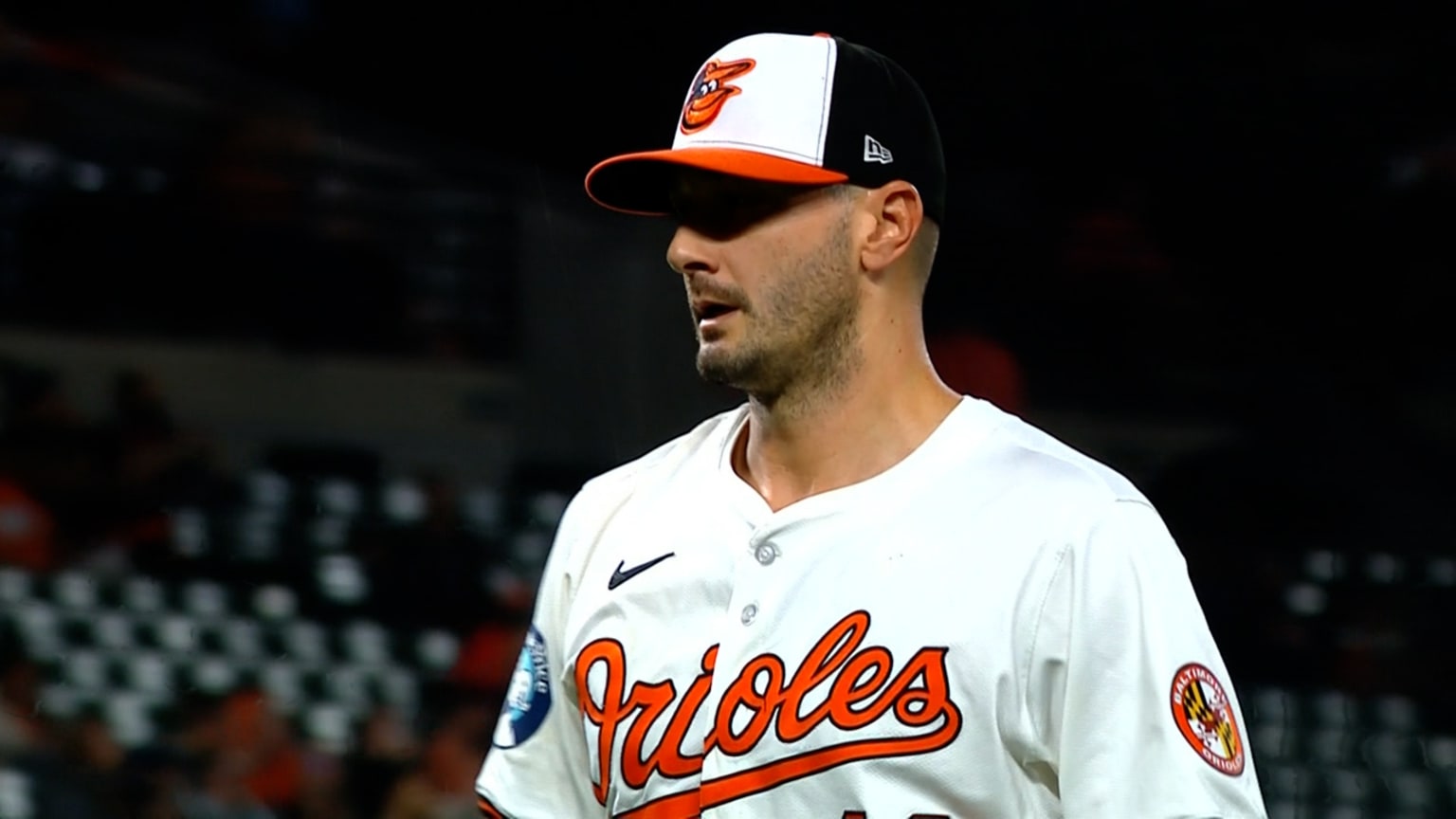
That said, the true value of this signing lies in its long-term implications rather than any short-term contribution. By securing Burch on a two-year deal, the Mets effectively remove him from Rule 5 Draft consideration next year, provided he is added to the 40-man roster by the end of the league calendar. This gives the organization flexibility and time—two things that are often in short supply when managing pitching depth.
From the Mets’ perspective, this is a low-risk, potentially high-reward investment. Middle relievers are notoriously volatile, and building a bullpen entirely through free agency can be both expensive and inefficient. Developing or acquiring controllable bullpen arms internally allows teams to allocate resources elsewhere while maintaining depth and stability. If Burch’s recovery goes smoothly and he regains his previous form—or even improves upon it—he could emerge as a viable major league option sometime in the future.
It’s also worth noting that the Mets have made similar types of moves in recent years, targeting pitchers with strong underlying traits who may have been overlooked due to injury, age, or lack of pedigree. These signings rarely generate headlines, but they can pay dividends over time, especially for organizations willing to exercise patience.
In Burch’s case, patience will be essential. Returning from Tommy John surgery is rarely a linear process, and performance can fluctuate during the first year back. However, many pitchers ultimately regain their velocity and command, and some even come back stronger than before. If Burch can successfully navigate the rehab process and reestablish himself in the minors, he could position himself as a legitimate depth option for the Mets by late next season or early in 2027.
Ultimately, this signing reflects a broader organizational philosophy. The Mets are not merely filling out minor league rosters; they are actively stockpiling pitching depth with an eye toward sustainability. While not every move of this nature will pan out, the cumulative effect can be significant. Even if only one or two of these types of acquisitions turn into reliable major league contributors, the strategy can still be considered a success.
For now, Tyler Burch remains a long-term project rather than an immediate solution. But in an era where pitching depth is constantly tested by injuries and workload concerns, having an extra arm—or several—waiting in the wings can make all the difference. Whether Burch ultimately rewards the Mets’ patience remains to be seen, but the organization has clearly positioned itself to find out.