With speculation continuing to build around Freddy Peralta’s future in Milwaukee, new reporting on Monday added more fuel to the fire by naming the Atlanta Braves as a potential suitor for the Brewers’ ace. Peralta, a two-time All-Star and one of the most consistent strikeout pitchers in baseball over the past several seasons, has quickly become one of the most talked-about names on the trade market. His availability naturally raises an important question for Atlanta: what would it realistically take for the Braves to acquire one of the National League’s premier starters?
Braves’ Offseason Activity and Rotation Needs
The Braves have not been quiet this offseason. Atlanta’s front office has been active in addressing several roster areas, but there remains a widely shared belief around the league that the team still needs to add another impactful arm to its starting rotation before Opening Day. The urgency stems less from a lack of talent and more from the lessons learned during the previous season.
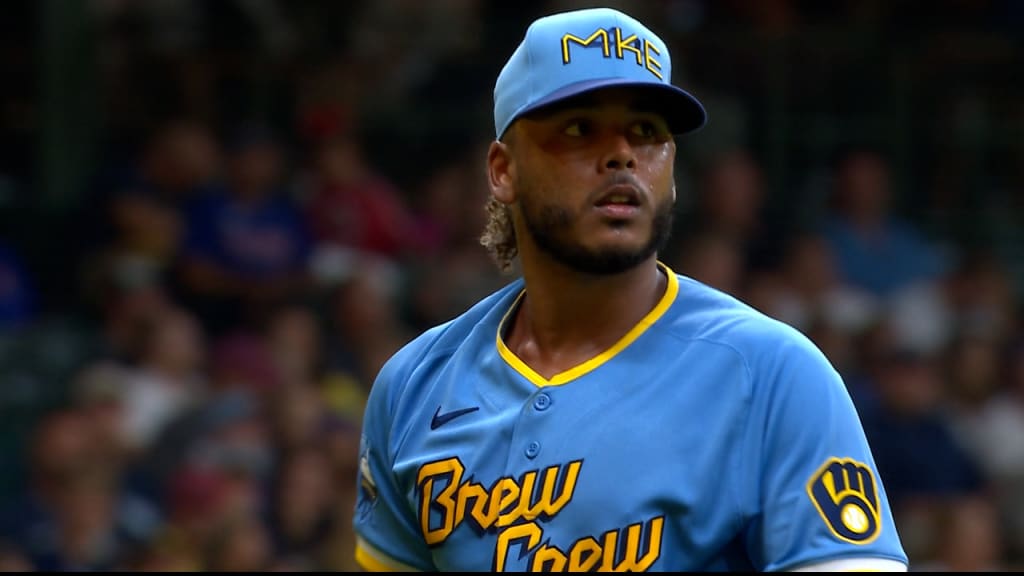
Injuries ravaged Atlanta’s pitching staff last year, forcing the team to rely heavily on depth options and unproven arms at key moments. While the Braves navigated those challenges admirably, it exposed how thin even a strong rotation can become over the course of a long season. Heading into 2026, Atlanta would prefer to enter with more stability and insurance, particularly if they intend to remain a World Series contender.
That does not necessarily mean the Braves are desperate for a traditional “ace.” With Chris Sale anchoring the rotation and young right-hander Spencer Schwellenbach emerging as a legitimate top-end option, Atlanta’s staff already has high-ceiling arms. Still, adding a pitcher of Freddy Peralta’s caliber would significantly raise the rotation’s overall floor and ceiling, especially in October.

Why Freddy Peralta Is So Coveted
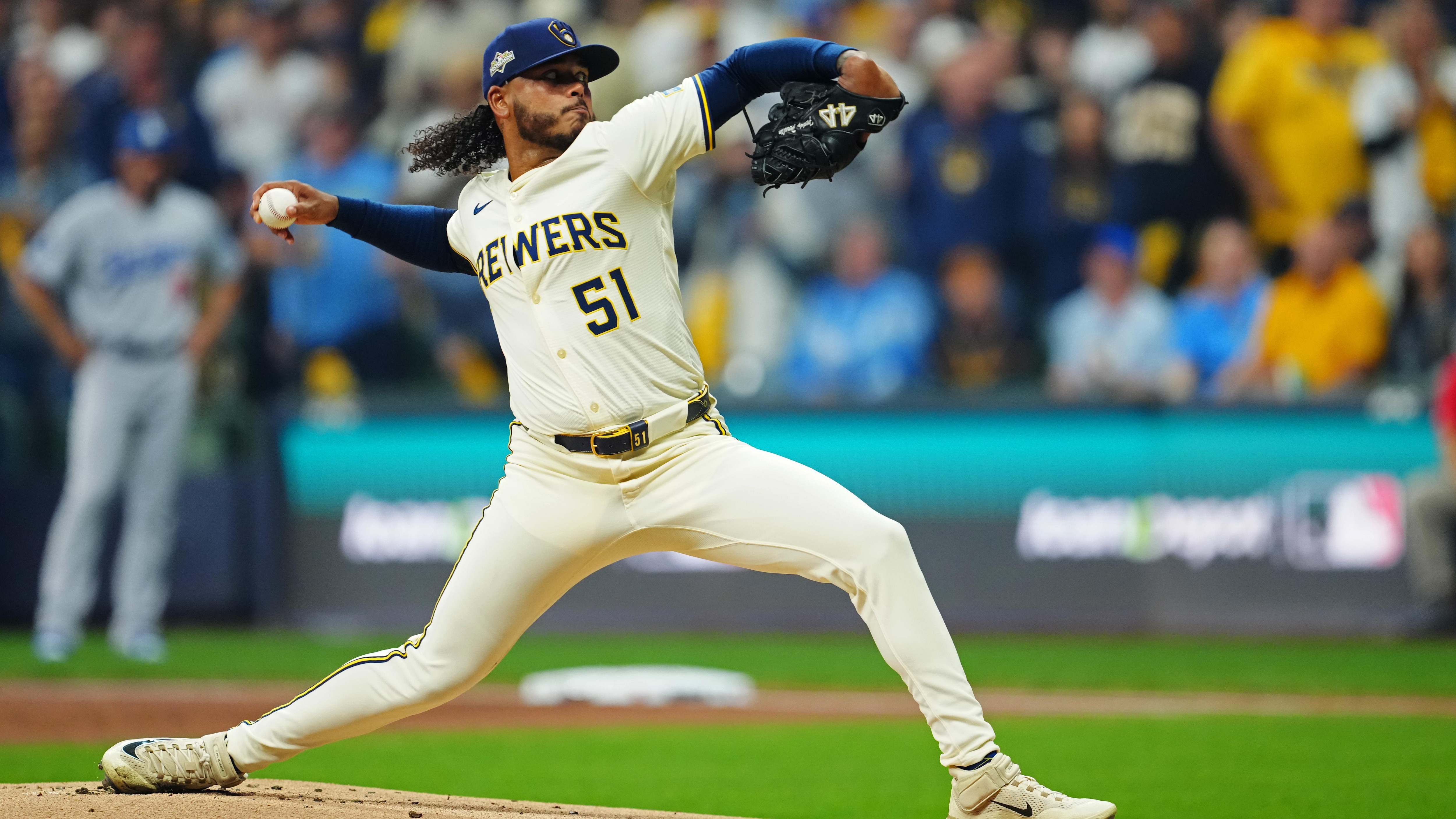
Peralta’s value is easy to understand when looking at both his recent performance and his track record. The Brewers’ right-hander is coming off arguably the best season of his career. In 176.2 innings pitched, Peralta posted a career-low 2.70 ERA while striking out 204 batters. His ability to miss bats has been elite for years, as evidenced by three consecutive seasons with more than 200 strikeouts and at least 30 starts.
Beyond the raw numbers, Peralta has proven to be durable, reliable, and effective against high-level competition. He has evolved from a high-strikeout, high-walk pitcher early in his career into a more polished and efficient starter without sacrificing his swing-and-miss stuff. That evolution is a major reason why Milwaukee is setting such a steep asking price.
Milwaukee’s Position: A High Price Tag
The Brewers have made it clear that they are not interested in moving Peralta unless they receive a substantial return. Milwaukee is well aware that frontline starters with Peralta’s combination of production, age, and contract structure are rarely available. As a result, they have little incentive to accept a discounted package.
Adding to the challenge is the list of teams reportedly interested in Peralta. According to Monday’s report, the Dodgers, Mets, Yankees, and Red Sox are all monitoring the situation closely. Those franchises not only have deep farm systems but also the financial flexibility to absorb Peralta’s salary and potentially extend him long-term.
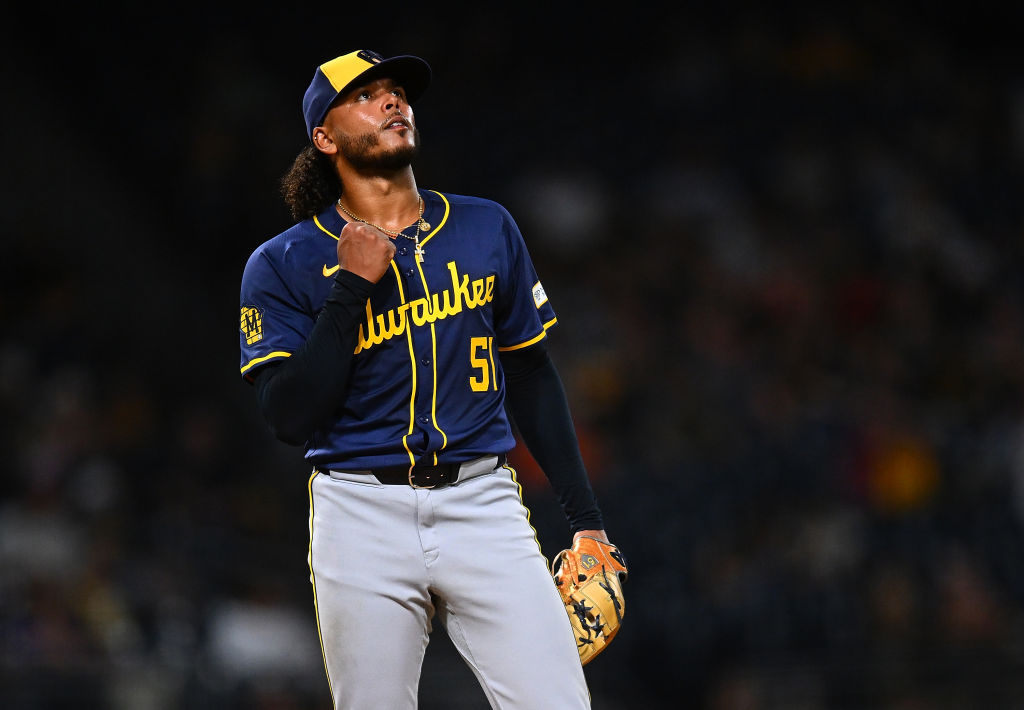
For Atlanta, that means any serious pursuit would likely require outbidding several of baseball’s most aggressive and resource-rich organizations. It also raises the question of whether the Braves are willing to part with premium prospects for a pitcher who may only be under team control for one more season.
What a Trade Package Could Look Like
Despite the obstacles, there is still a plausible path for the Braves to land Peralta. A recent FanSided article by HTHB writer Steven Teal outlined a hypothetical prospect-based package that could entice Milwaukee.

In virtually any scenario where a deal materializes, Atlanta would have to send top-tier prospects to the Brewers. Names such as Caminiti, Hurston Waldrep, and JR Ritchie have all been mentioned as potential headliners in a trade package. Each of these players represents a significant piece of Atlanta’s future, and moving any one of them would signal a strong win-now mentality from the Braves’ front office.
Caminiti offers upside as a dynamic position player, while Waldrep and Ritchie are viewed as high-ceiling arms with the potential to impact a major league rotation in the coming years. From Milwaukee’s perspective, acquiring controllable, cost-effective talent would align with their long-term strategy, particularly if they believe Peralta may leave in free agency.
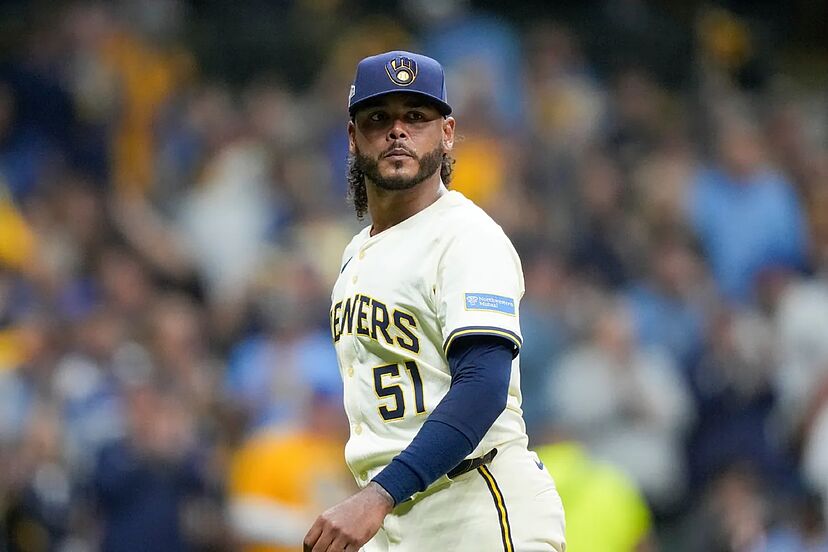
Still, parting with elite prospects is not a decision Atlanta would take lightly. The Braves have built sustained success by developing their own talent and supplementing selectively rather than sacrificing the farm system for short-term gains.
Contract Considerations Complicate the Decision
One of the most important elements in evaluating Peralta’s trade value is his contract situation. Peralta is entering the final year of his deal, which includes a team option worth just over $8 million. He is scheduled to hit free agency next offseason, making him, in effect, a potential one-year rental.
That reality significantly impacts how Atlanta must evaluate the cost. Trading multiple top prospects for a single season of Peralta only makes sense if the Braves are confident they can either make a deep postseason run or secure an extension.
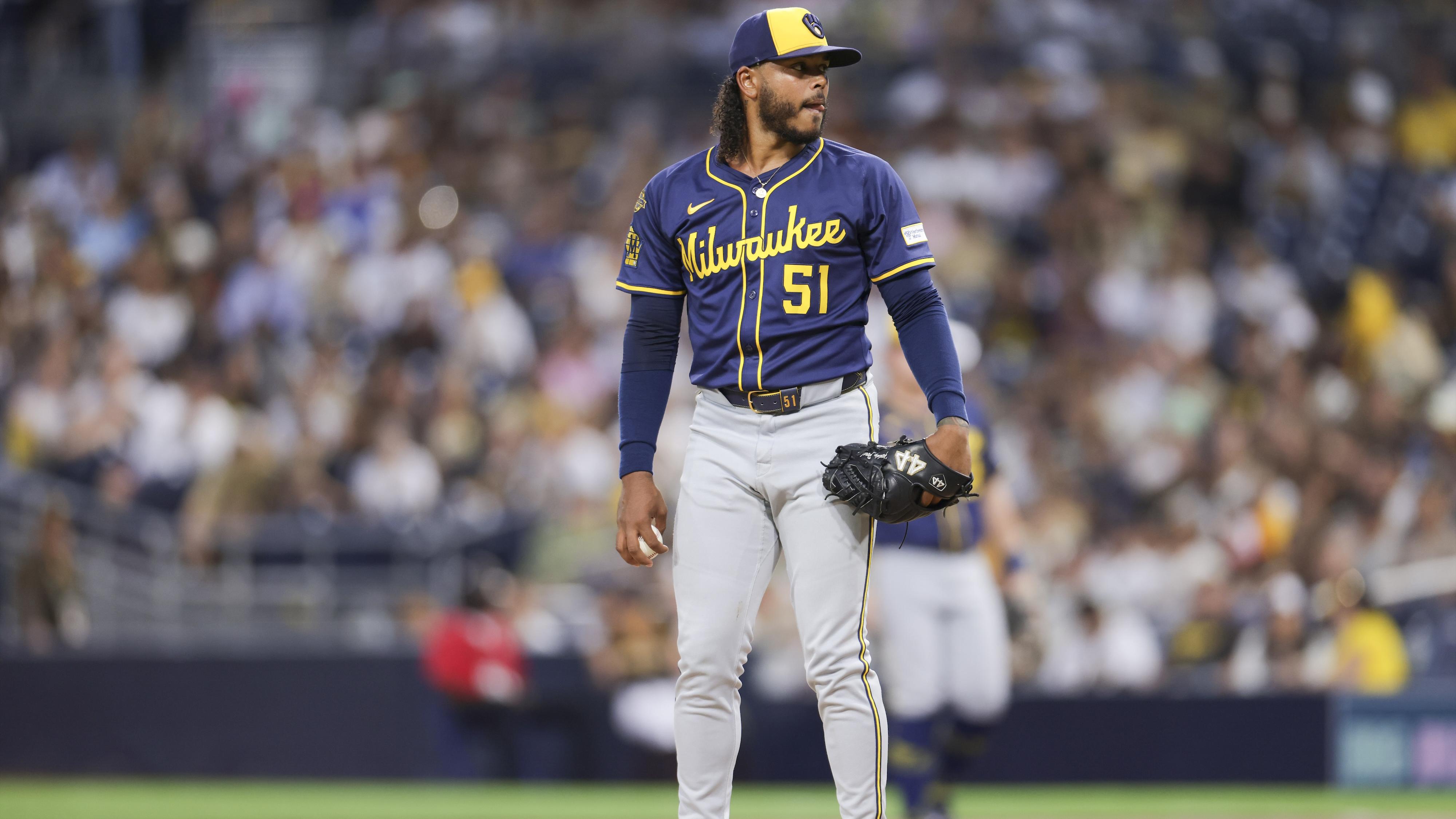
From a front-office perspective, the risk is obvious. If Peralta departs after one year, the Braves would be left without the prospects they traded away and no long-term asset in return. On the other hand, if they believe Peralta could be a long-term fit and are prepared to negotiate an extension, the calculus changes considerably.
Alternative Rotation Options for Atlanta
Because of those risks, Atlanta may ultimately decide that a blockbuster trade is unnecessary. The Braves’ rotation, while not flawless, does not absolutely require another ace. Chris Sale remains one of the most accomplished pitchers in baseball, and Schwellenbach has shown he can thrive at the top of the rotation. Additionally, Atlanta’s depth could improve naturally as injured pitchers return or younger arms continue to develop.
There are also more affordable alternatives available on the market. Pitchers such as Zack Littell, Patrick Corbin, or Lucas Giolito could potentially be acquired or signed at a fraction of the prospect cost required for Peralta. While none of those options offer the same upside, they could provide reliable innings and stabilize the rotation without compromising the organization’s future.
From a financial standpoint, targeting a mid-rotation starter in the $8–13 million per year range may be the more prudent approach. That strategy would preserve Atlanta’s prospect capital while still addressing the need for pitching depth.
Balancing Present and Future

Ultimately, the decision comes down to how aggressively the Braves want to pursue another championship in the immediate window. Being linked to a pitcher like Freddy Peralta is encouraging and underscores Atlanta’s reputation as a serious contender. However, interest alone does not guarantee action.
With so many elite teams involved and Milwaukee holding firm on a high asking price, the odds of Atlanta completing a deal are far from certain. The Braves must weigh the benefits of acquiring a proven star against the long-term cost of surrendering elite prospects for a short-term upgrade.
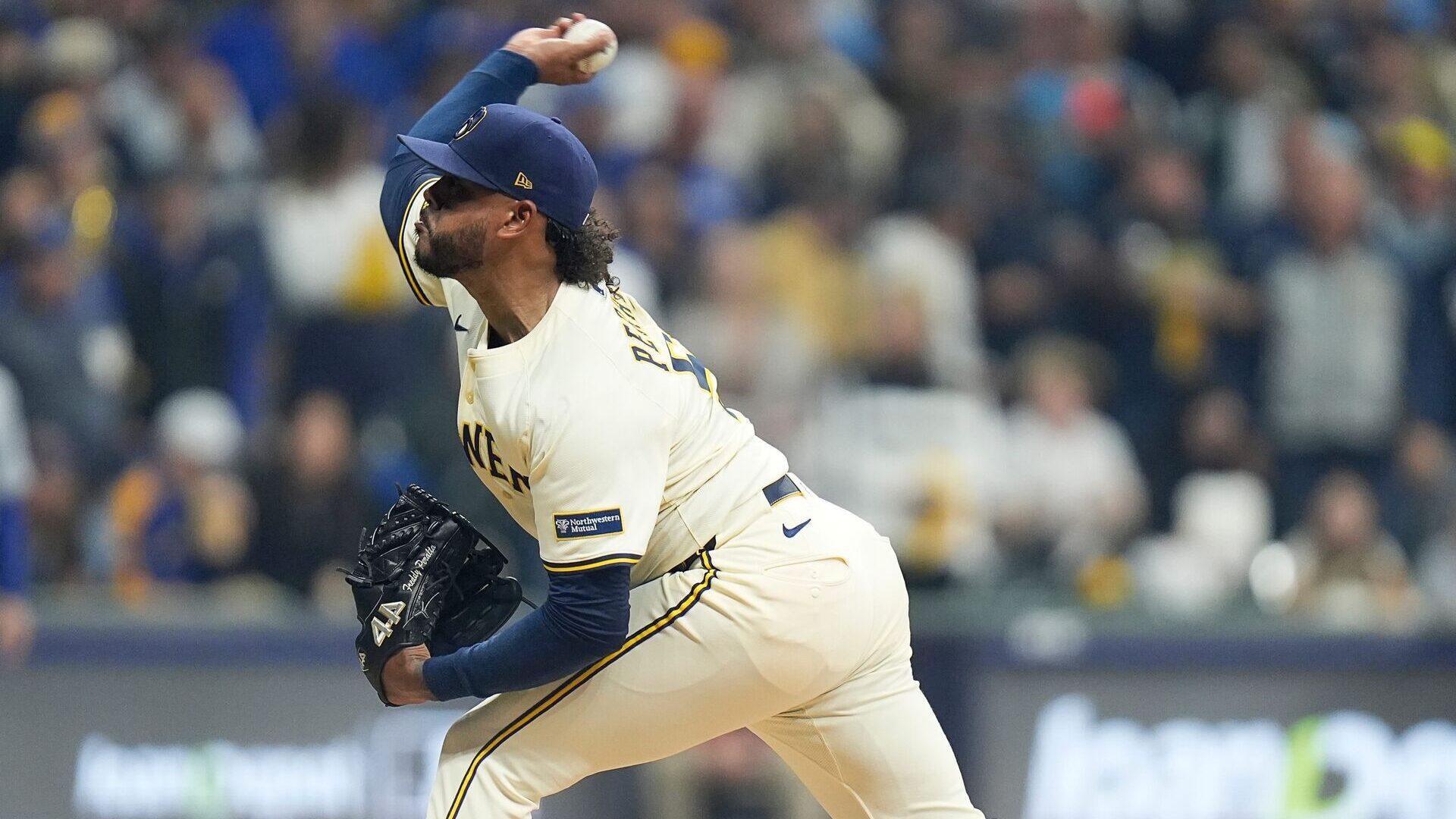
Whether Atlanta chooses to pursue Peralta or pivot toward more modest options, one thing is clear: the Braves are committed to strengthening their pitching staff. How far they are willing to go will define not only their 2026 outlook but the future shape of the organization as well.
As the offseason continues, Peralta’s name will remain at the center of trade discussions, and Atlanta’s involvement—real or rumored—will be closely monitored across the league.