The New York Mets’ offseason has been defined far more by departures than arrivals, a reality that has not gone unnoticed by fans or league observers. High-profile exits, roster reshuffling, and a general sense of transition have shaped the winter months in Queens. Yet amid all the subtraction, the Mets quietly made a move that adds organizational depth and a bit of intrigue—though not the kind that dominates headlines or lights up social media.
According to reporting originally highlighted by The Sporting News and first broken by New York Post reporter Mike Puma, the Mets have agreed to terms with infielder Christian Arroyo on a minor league contract that includes an invitation to spring training. While the signing lacks star power, it represents a calculated, low-risk decision by a front office that appears focused on flexibility, competition, and depth rather than splashy spending.
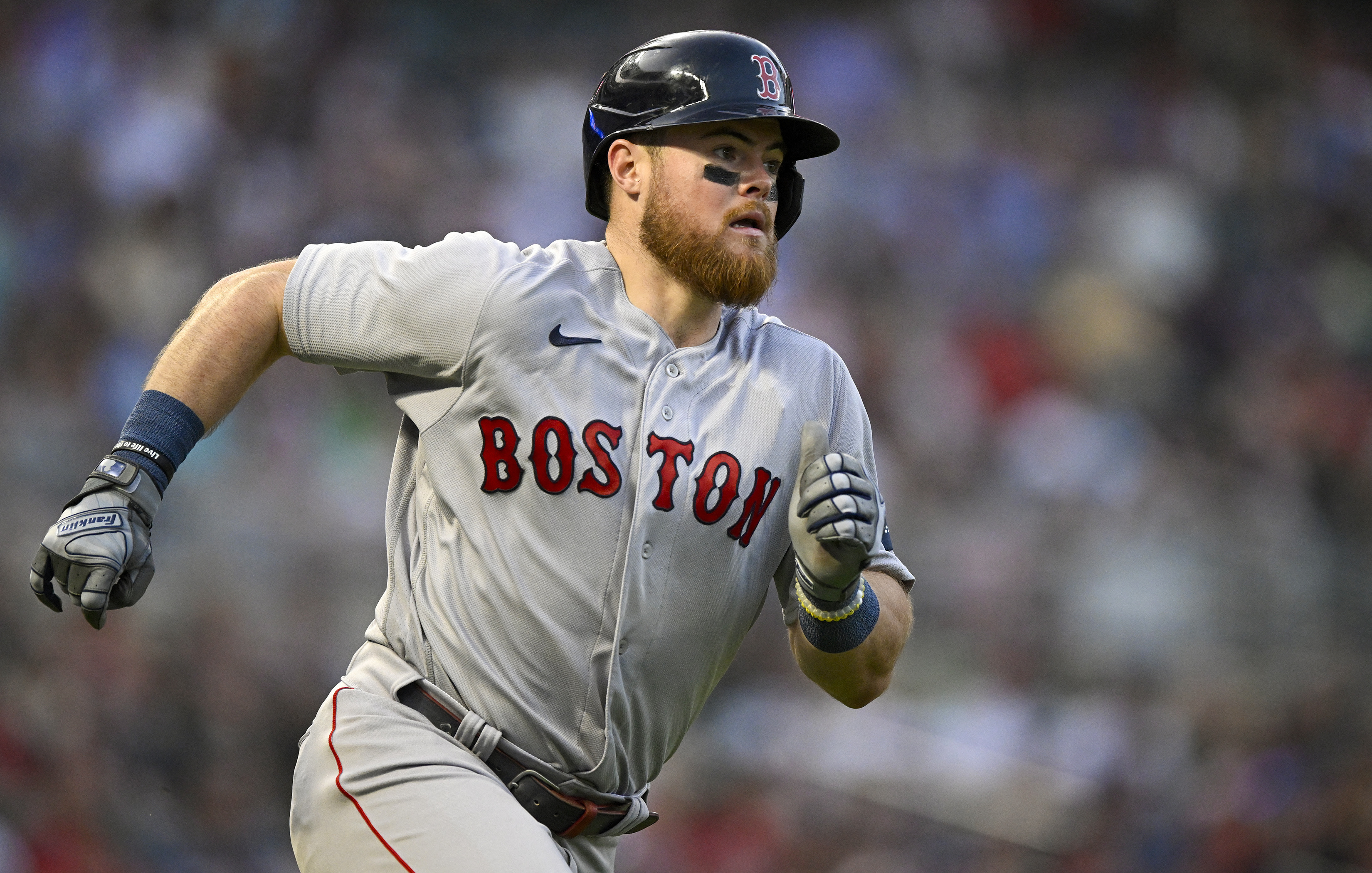
For longtime prospect watchers, Arroyo’s name may ring a bell. Once viewed as one of baseball’s most promising young infielders, Arroyo spent three consecutive seasons ranked among MLB Pipeline’s top 100 prospects. At the time, evaluators praised his advanced bat-to-ball skills, strong baseball instincts, and ability to handle multiple infield positions. Though his career has not unfolded the way many once predicted, his journey reflects the unpredictable nature of player development—and why teams continue to take chances on former highly regarded prospects.
Now 30 years old, Arroyo enters the Mets organization as a veteran with experience, versatility, and something to prove.
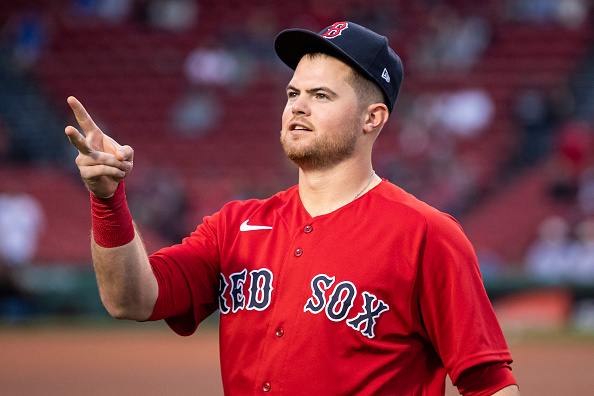
Christian Arroyo’s professional story began in 2013, when the San Francisco Giants selected him in the first round of the MLB Draft. Coming out of a Florida high school, Arroyo was widely considered one of the most polished hitters available, boasting a compact swing, strong hands, and an advanced approach that scouts believed would translate quickly to professional baseball.
The Giants moved him steadily through their system, and by 2017, Arroyo had reached the major leagues. He made his MLB debut that season, joining a San Francisco team that valued his versatility and high-contact profile. At the time, it appeared he could carve out a long-term role as a reliable everyday infielder or, at worst, a valuable utility player.
However, as is often the case in baseball, development is rarely linear.
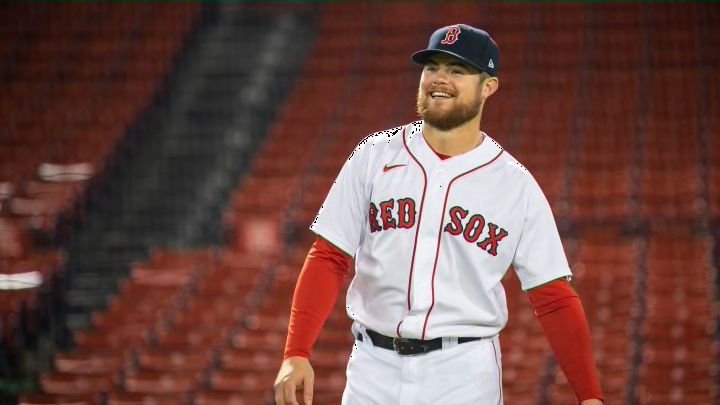
Over the years that followed, Arroyo found himself changing uniforms with regularity. After his stint with the Giants, he spent time with the Tampa Bay Rays, the Cleveland Guardians, and the Boston Red Sox. Each stop brought opportunity, but also competition and challenges—whether from injuries, roster crunches, or inconsistent playing time.
With Boston, Arroyo showed flashes of the player scouts once envisioned. He provided steady defense, moved around the infield, and occasionally delivered timely hits. Still, sustained health and consistent production proved elusive, preventing him from fully locking down a permanent role.

The past two seasons saw Arroyo bouncing between organizations once again, first within the Milwaukee Brewers’ system and later with the Philadelphia Phillies. Despite his experience, he was unable to break through to the major league roster with either club.
In 2025, injuries played a significant role in limiting his availability. Arroyo appeared in just 45 games at the Triple-A level with Lehigh Valley, the Phillies’ International League affiliate. While the limited sample size raised questions, his performance during that stretch was undeniably impressive.
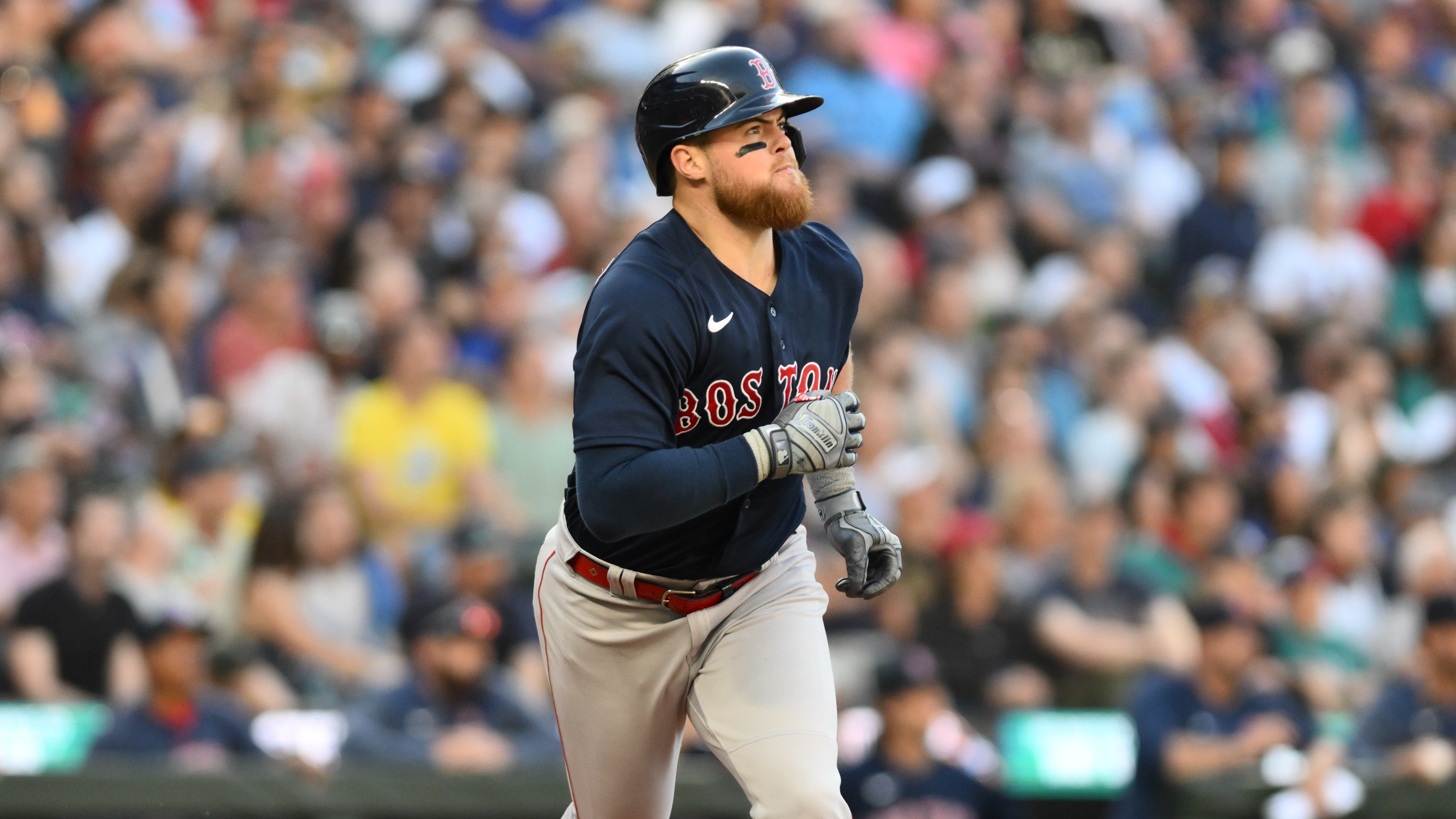
In those 45 games, Arroyo posted a .314 batting average and an .869 OPS—numbers that suggest he was not only healthy when on the field, but also swinging the bat with confidence and authority. Though Triple-A success does not guarantee major league impact, it was enough to remind teams that Arroyo still possesses useful offensive skills.
For the Mets, that production likely stood out.
From a strategic standpoint, signing Arroyo makes sense for a team in the Mets’ current position. Minor league contracts with spring training invites are among the lowest-risk investments a front office can make. If the player performs well, the club gains a capable depth option. If not, there is minimal financial or roster cost.

Arroyo’s greatest asset may be his defensive versatility. Throughout his career, he has logged time at second base, third base, shortstop, and even first base in a pinch. That flexibility is invaluable over the course of a long season, particularly for a team still evaluating how its infield will ultimately take shape.
At the major league level, Arroyo owns a career batting average of .252 with a .693 OPS. While those numbers are not eye-catching, they reflect a player who can put the ball in play, avoid excessive strikeouts, and provide competent at-bats off the bench.
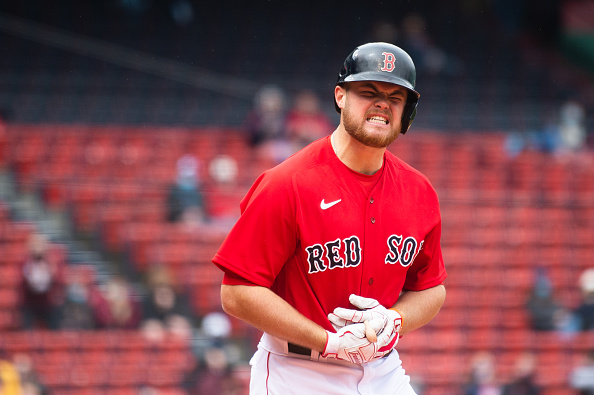
For a Mets team that may rely heavily on internal competition during spring training, Arroyo represents exactly the kind of veteran presence who can push younger players while also serving as a safety net.
While nothing is guaranteed, it would not be surprising if Arroyo finds his way back to the major leagues at some point this season. Teams inevitably deal with injuries, underperformance, and unexpected roster gaps. When that happens, players who can step in without disrupting the clubhouse or defensive alignment become especially valuable.
Arroyo fits that profile. He has seen nearly every scenario baseball can offer—from top prospect hype to waiver wire uncertainty. That experience often translates well in short-term call-up situations, where teams need stability more than upside.
If he performs well in spring training and carries that momentum into Triple-A, the Mets could view him as an ideal bench option or temporary starter when the need arises.
This signing also speaks to the Mets’ broader offseason philosophy. Rather than aggressively pursuing high-cost free agents across the board, the organization appears focused on selective additions that preserve flexibility. Depth signings like Arroyo’s may not move the needle individually, but collectively they can stabilize a roster over the grind of a 162-game season.
For fans hoping for blockbuster news, this move may feel underwhelming. Yet history shows that teams often benefit from having experienced, adaptable players waiting in the wings—especially when plans change, as they so often do in baseball.
For Christian Arroyo, the opportunity with the Mets represents another chapter in a career defined by resilience. Once considered one of the game’s brightest young infield prospects, he now finds himself fighting for relevance in a league that constantly turns over talent.
For the Mets, it is a small but sensible bet: a former first-round pick with proven versatility, recent offensive success at Triple-A, and the motivation that comes with knowing every chance matters.
As spring training approaches, Arroyo will have the chance to show that he still belongs on a major league field. Whether he ultimately sticks in Queens or simply provides valuable depth along the way, his signing is a reminder that not all meaningful offseason moves come with fireworks.