Just when it appeared that Kansas State football’s busy day on the recruiting trail had finally wrapped up, the Wildcats delivered yet another surprise. Late Monday, Jan. 5, K-State added one more name to an already impressive list of transfer portal commitments, bringing its total for the day to seven and reinforcing the sense that the program is aggressively reshaping its roster for the upcoming season.
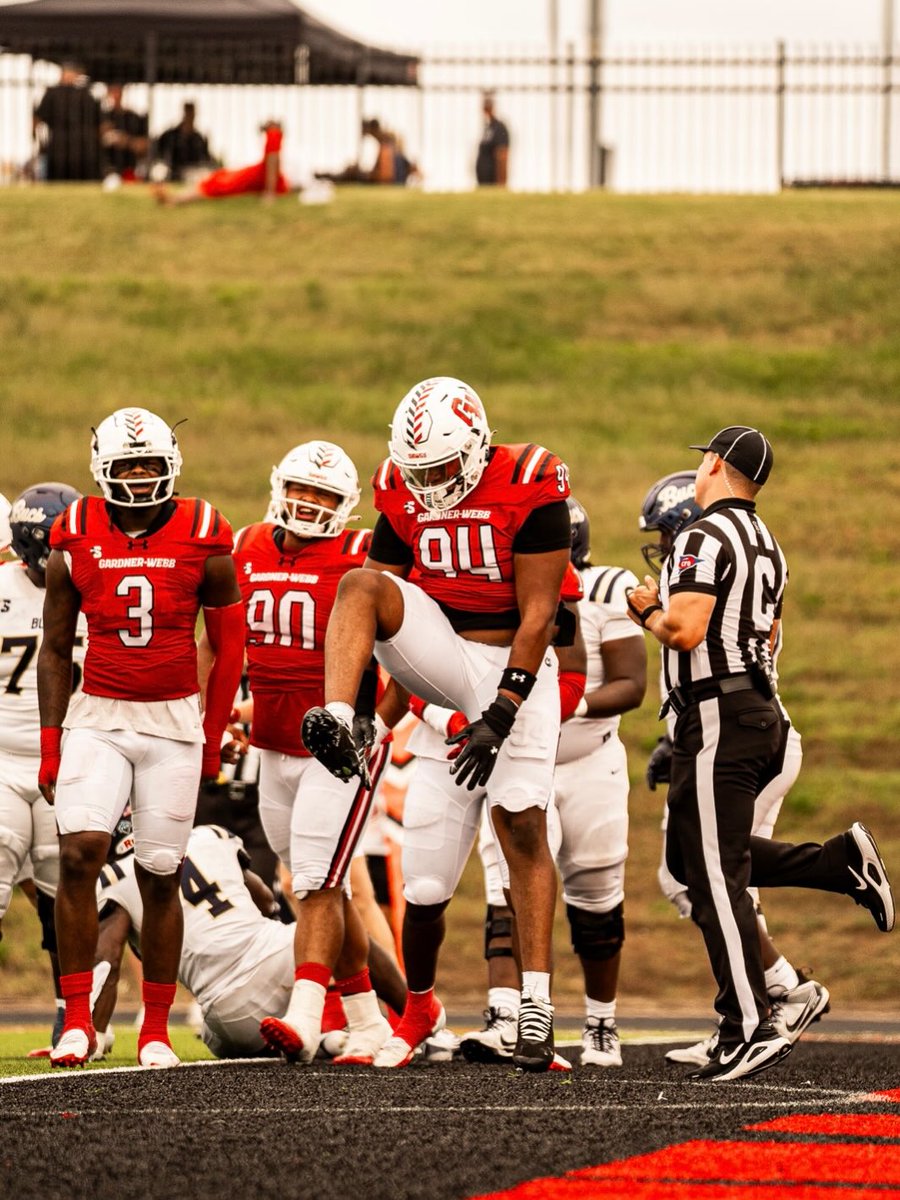
This latest addition came in the form of Gardner-Webb defensive tackle De’Arieun Hicks, who announced his commitment to Kansas State after weighing multiple options. The news was first reported by On3 national college football reporter Pete Nakos, confirming that the Wildcats had successfully secured a promising defensive lineman with valuable eligibility remaining.
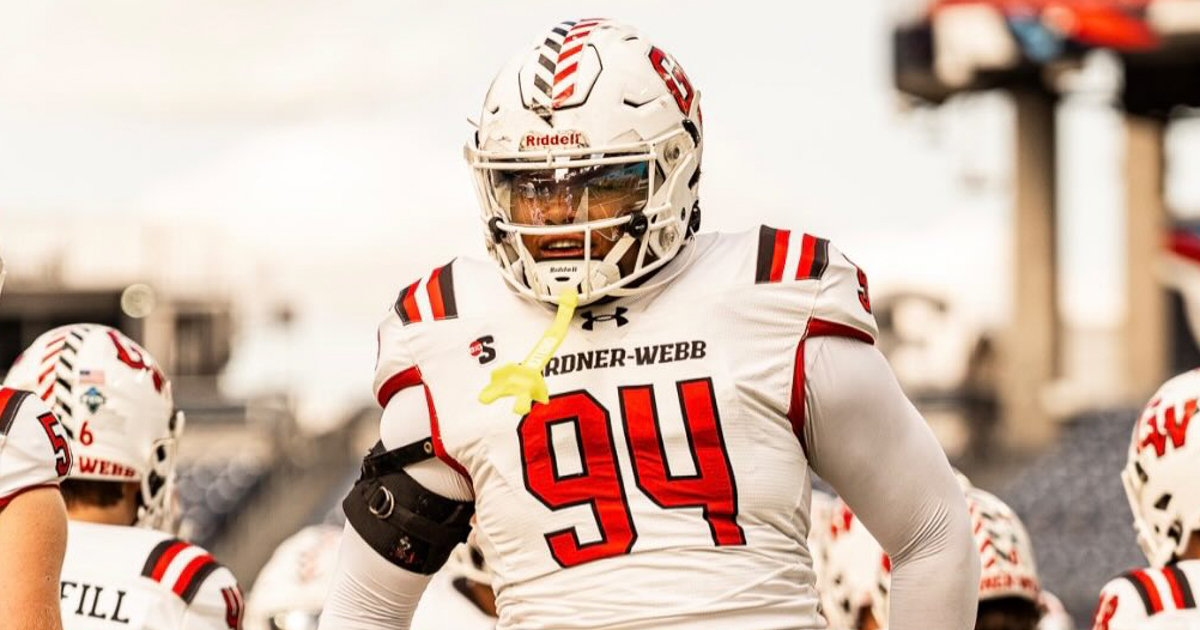
Hicks, who stands 6-foot-4 and weighs approximately 285 pounds, arrives in Manhattan with three years of eligibility still ahead of him. During the 2025 season at Gardner-Webb, he recorded 21 total tackles, including 4.5 tackles for loss, while playing a key role on the Runnin’ Bulldogs’ defensive front. Though his raw statistics may not immediately jump off the page, a deeper look at his performance shows a player who was consistently involved and effective, particularly given the context of his role and competition level.
The recruitment process leading to Hicks’ commitment was fast-moving. He spent Jan. 3 visiting Kansas State, getting a firsthand look at the program, facilities, and coaching staff. Just days later, on Monday, he reportedly visited Iowa State, giving the Cyclones a chance to make their case. Despite interest from Ames, Hicks ultimately decided that Manhattan was the right place for the next chapter of his football career.
Hicks emerged as one of Gardner-Webb’s more reliable contributors along the defensive line during the season. Competing in the Big South Conference at the FCS level, he logged 373 total snaps and earned four starts across the year. His consistent presence in the defensive rotation helped solidify a unit that relied on him to occupy blockers, disrupt plays, and create opportunities for teammates.
Advanced metrics further illustrate Hicks’ effectiveness. According to Pro Football Focus, he ranked as the sixth-highest graded defensive lineman in the Big South, a notable accomplishment given the number of experienced and productive players across the league. Additionally, his pass-rushing ability stood out, as he finished with the conference’s 12th-best pass rush grade among defensive linemen.
Over the course of 12 games, Hicks generated 10 total pressures on opposing quarterbacks. Those pressures included seven quarterback hurries and two sacks, highlighting his ability to collapse the pocket even when he wasn’t credited with a sack. That kind of interior disruption is often valued just as highly as flashy sack numbers, especially at the Power Four level, where defensive linemen are asked to do much more than simply rush the passer.
Before his collegiate career began, Hicks was a high school standout from Richmond, Indiana. Despite his physical tools and potential, he flew somewhat under the radar during the recruiting process. Notably, 247Sports did not assign him a recruiting grade coming out of high school, underscoring how much of his development has occurred at the college level rather than being driven by early hype.
Kansas State’s interest in Hicks is closely tied to its current roster needs. The Wildcats entered the transfer portal cycle with an urgent demand for help along the defensive line. Departures created immediate gaps, most notably with Malcolm Alcorn-Crowder moving on and Andy Burburija reopening his recruitment after initially signing with K-State. Those losses left the Wildcats thin in the trenches, making defensive line reinforcements a top priority for the coaching staff.
To address those concerns, Kansas State has been proactive. During December’s signing period, the Wildcats added Adrian Bekibele, Kingston Hall, and Carnell Jackson Jr., bringing in a mix of youth and potential at the position. Hicks now joins that group, offering a slightly different profile—one that includes collegiate experience, physical maturity, and room for continued development.
From a physical standpoint, Hicks fits the mold of what Kansas State often looks for in interior defensive linemen. His size gives him the ability to hold his ground against the run, while his athleticism allows him to penetrate gaps and contribute on passing downs. While he may need time to adjust to the speed and strength of Big 12 competition, his frame and past production suggest he has the tools to make that transition successfully.
Given the Wildcats’ current depth chart and need for immediate contributors, Hicks could find himself competing for playing time sooner rather than later. Kansas State has a strong track record of developing defensive linemen, particularly those who arrive as under-the-radar prospects with physical upside. In that sense, Hicks represents the type of player the program has historically turned into a productive piece of its defense.
Hicks’ commitment also capped off a remarkable day for Kansas State in the transfer portal. In addition to the former Gardner-Webb defensive tackle, the Wildcats received commitments from several players across multiple positions, underscoring the staff’s comprehensive approach to roster building.
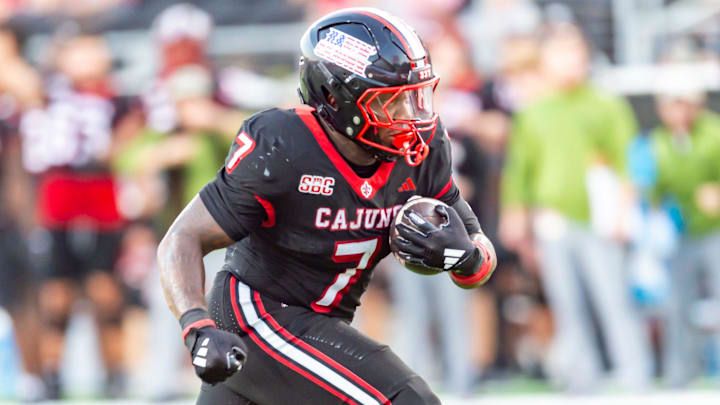
Those additions included Oklahoma State running back Rodney Fields Jr., Texas A&M wide receiver Izaiah Williams, Illinois cornerback Kaleb Patterson, Oklahoma State linebacker Jacobi Oliphant, Miami (Ohio) safety Koy Beasley, and Missouri offensive lineman Keiton Jones. Collectively, that group adds depth, experience, and competition to nearly every level of the roster.
The sheer volume of commitments in a single day speaks to the momentum Kansas State has built in the portal and the confidence players have in the program’s direction. It also highlights the staff’s ability to identify needs, evaluate talent quickly, and close on recruits in a competitive transfer market.
For Hicks specifically, the move to Kansas State represents a significant step up in competition and visibility. Transitioning from the FCS level to a Power Four program in the Big 12 will present new challenges, but it also offers an opportunity to showcase his skills on a larger stage. With three years of eligibility remaining, Hicks has time to grow into his role and potentially become a long-term contributor for the Wildcats.
In the broader picture, Hicks’ commitment reinforces Kansas State’s emphasis on building depth and physicality in the trenches. Defensive line play remains a cornerstone of success in the Big 12, and adding players like Hicks helps ensure the Wildcats can rotate bodies, stay fresh, and maintain a high level of play throughout the season.
As the dust settles on a whirlwind day of recruiting, it’s clear that Kansas State wasn’t content to stop at six transfer portal additions. By securing De’Arieun Hicks, the Wildcats added another piece to a rapidly evolving roster—one that reflects both immediate needs and long-term planning as the program looks ahead to the upcoming season and beyond.