Over the next several years, the St. Louis Cardinals’ minor league system is poised to become one of the most important storylines within the organization. As the franchise navigates a comprehensive rebuild, the focus has shifted away from short-term fixes and toward long-term development. This transformation places a spotlight squarely on the Cardinals’ farm system, which is steadily being reshaped into a foundation for sustained success.
St. Louis is currently undergoing a rare, organization-wide reset. Rather than attempting to patch holes at the major league level, the front office has prioritized asset accumulation, player development, and international scouting. The goal is clear: build a pipeline of young talent capable of returning the Cardinals to contention for years to come. While the process requires patience, early signs suggest the strategy is beginning to pay dividends.

One of the clearest indicators of this progress is the growing national recognition of the Cardinals’ prospect depth. According to MLB Pipeline, St. Louis currently boasts four prospects ranked among the top 100 in all of baseball. That figure could increase in the near future, as the organization is expected to add another highly regarded young talent during the upcoming international signing period.
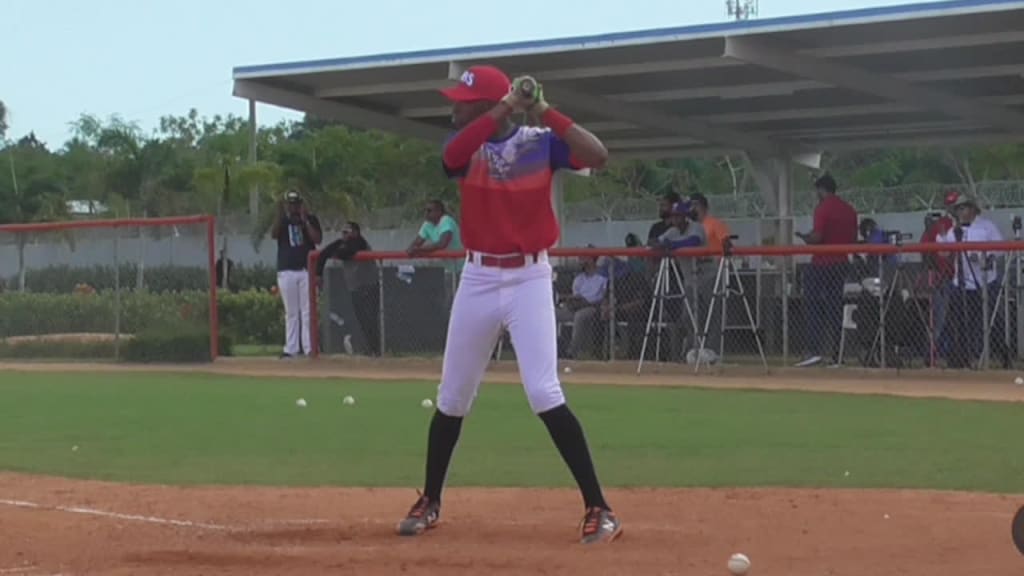
The 2026 international signing window officially opens on January 15, and the Cardinals are widely projected to be active participants. An article by Baseball America’s Ben Badler reports that St. Louis is the likely landing spot for Emanuel Luna, one of the most coveted international prospects available this year. Luna, an outfielder from the Dominican Republic, is expected to command the 10th-highest signing bonus of the entire class—an investment that underscores how aggressively the Cardinals are approaching international talent acquisition.

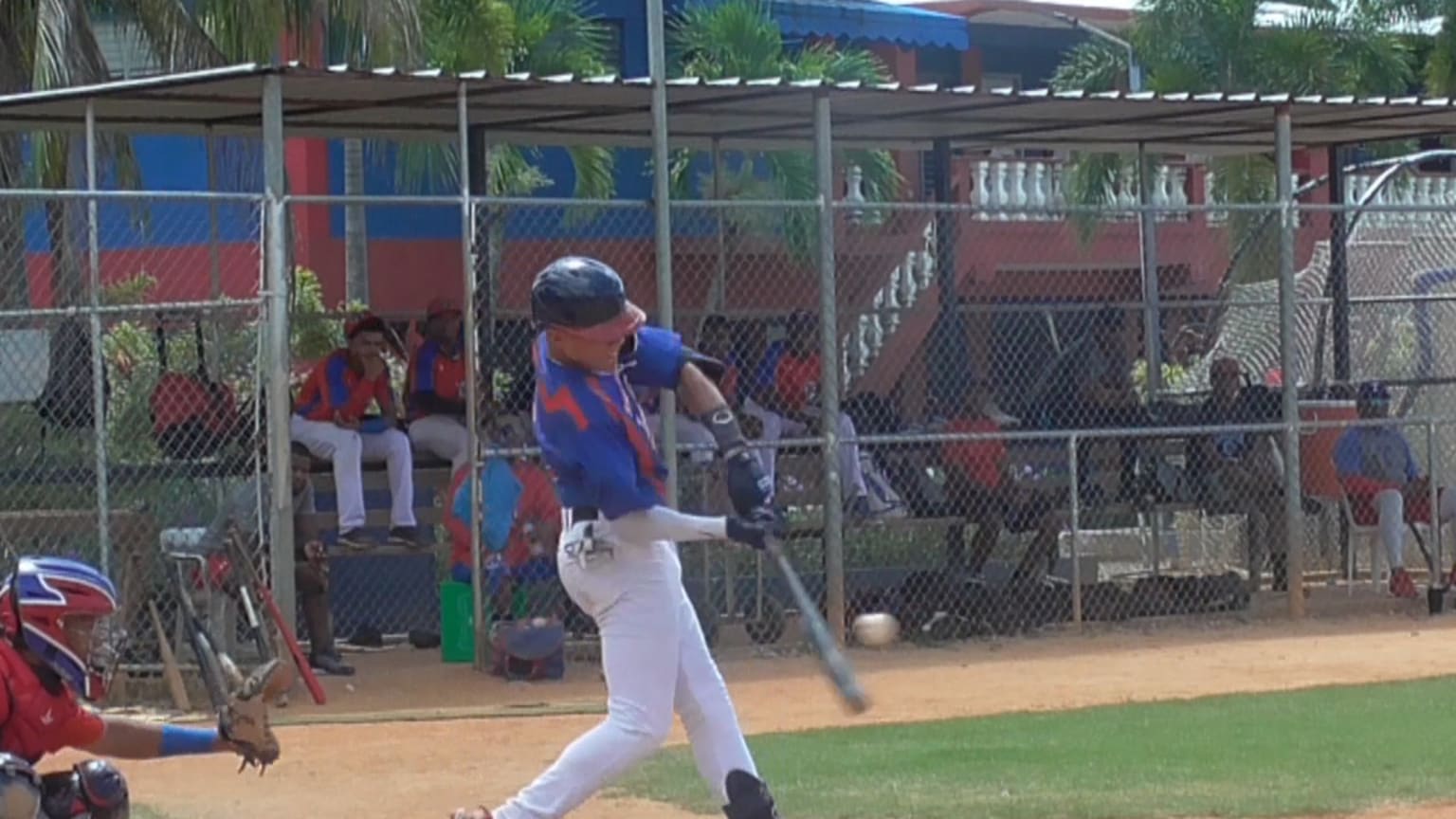
Luna’s physical tools alone make him an intriguing prospect. At just 16 years old, he already stands 6-foot-2 and weighs approximately 195 pounds, giving him a mature, powerful frame that scouts find difficult to ignore. According to Badler’s scouting report, Luna possesses exceptional raw power for a player his age. During batting practice, he regularly launches towering home runs, showcasing strength that projects well beyond his teenage years.
While Luna’s swing features some unconventional elements, evaluators believe his offensive profile could ultimately lean toward a power-first approach. Even so, he demonstrates an advanced understanding of the strike zone, showing patience at the plate and a willingness to draw walks while waiting for pitches he can drive. As he continues to refine his mechanics and fill out his athletic frame, Luna has the potential to develop plus-plus raw power. If his development progresses as hoped, he could grow into a legitimate 30-home-run threat at the professional level.
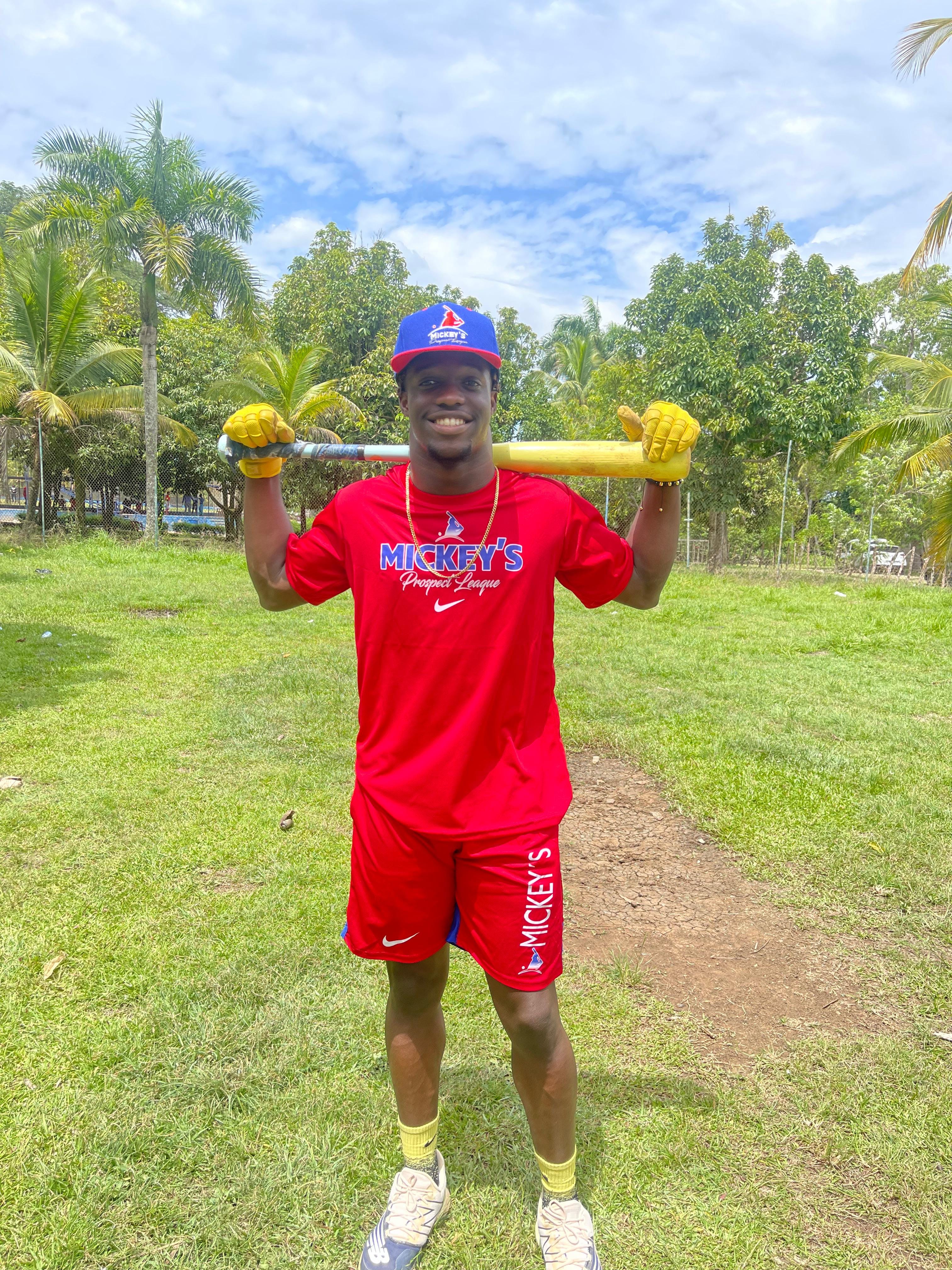
Luna’s value extends beyond his bat. He is also considered a plus runner with the athleticism to remain in center field, where he moves fluidly and covers significant ground. The combination of power, speed, and defensive versatility gives him the ceiling of a true five-tool contributor, making him a fitting addition to a Cardinals system that is increasingly emphasizing athleticism and upside.
The pursuit of Luna reflects a broader organizational trend. St. Louis’ farm system has gained renewed attention as the rebuild unfolds, and much of that momentum can be traced back to the club’s international scouting department. Once viewed as a relative weakness compared to player development powerhouses like the Dodgers or Rays, the Cardinals’ international pipeline is now producing tangible results.

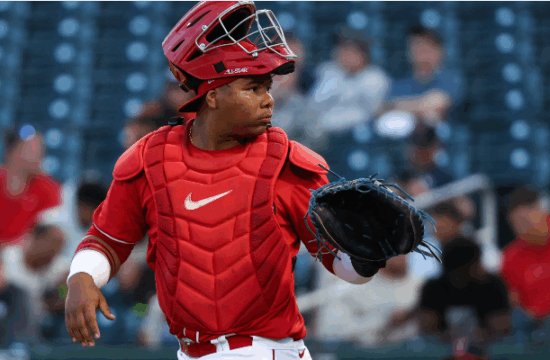
Perhaps the most compelling example of this resurgence is catcher Rainiel Rodriguez, one of the four Cardinals prospects currently ranked in MLB Pipeline’s top 100. Rodriguez sits at No. 55 overall and has rapidly established himself as one of the most promising catching prospects in all of baseball.
Rodriguez delivered an impressive 2025 campaign across three levels of the minor leagues, splitting time between Rookie Ball, Single-A, and High-A. Over 84 games, he posted a strong slash line of .276/.399/.555, good for a .954 OPS. His offensive production included 22 doubles, one triple, and 20 home runs, along with 63 runs batted in.
What truly sets Rodriguez apart, however, is the efficiency and balance of his offensive profile. He was the only minor leaguer in baseball last season to accomplish three specific benchmarks simultaneously: hitting at least 20 home runs, maintaining a strikeout rate below 20 percent, and producing a weighted runs created plus (wRC+) of 160 or higher. That rare combination highlights not only his power but also his plate discipline and overall approach.
Rodriguez signed with the Cardinals during the 2024 international signing period out of the Dominican Republic, and his rapid ascent has validated the organization’s confidence in its international evaluation process. Beyond the raw numbers, scouts praise his advanced feel for hitting, ability to drive the ball to all fields, and improving defensive skills behind the plate. If his development continues on its current trajectory, Rodriguez could emerge as a long-term solution at one of the most demanding positions on the field.
Rodriguez is not the only internationally signed catcher making waves in the Cardinals’ system. Leonardo Bernal, another top-100 prospect ranked No. 92 by MLB Pipeline, further illustrates the organization’s commitment to investing in young talent outside the United States.
Bernal was signed out of Panama on January 15, 2021, and has steadily progressed through the minor league ranks. During the 2025 season, he recorded a .247/.332/.394 slash line, resulting in a .726 OPS. While his offensive numbers were not as eye-popping as Rodriguez’s, Bernal contributed consistent power, collecting 19 doubles and 13 home runs while driving in 70 runs.
Bernal’s value lies in his all-around skill set. Known for his defensive reliability, leadership qualities, and durability, he profiles as a catcher who can contribute on both sides of the ball. The presence of two highly regarded catching prospects in the same system provides organizational depth and flexibility, particularly at a position where injuries and attrition are common.

The Cardinals’ ability to sign and develop players like Rodriguez and Bernal has been bolstered by their strong financial position in the international market. Entering the 2026 signing period, St. Louis is projected to rank among the top tier of teams in available international bonus pool money, with approximately $8.034 million to spend. This financial leverage allows the Cardinals to compete aggressively for elite talent and diversify their prospect portfolio across multiple positions and skill sets.
This renewed emphasis on international investment comes at a pivotal moment for the franchise. The Cardinals finished fourth in the National League Central in 2025 and have endured back-to-back losing seasons—an unfamiliar position for a team long associated with sustained competitiveness. Rather than masking these struggles with short-term roster moves, the organization has chosen to confront them head-on by embracing a rebuild.
That rebuild is not solely about accumulating prospects; it is about reshaping the identity of the organization. The Cardinals are placing increased value on upside, athleticism, and player development infrastructure. From revamped scouting operations to modernized training methods, the franchise is laying the groundwork for a new era of Cardinals baseball.
While the major league results may lag in the short term, the long-term outlook appears increasingly promising. With a growing collection of top-100 prospects, a robust international pipeline, and the potential addition of high-ceiling talents like Emanuel Luna, the Cardinals are assembling the pieces necessary for future success.
As the rebuild progresses, the farm system will continue to command attention—not only from fans eager for the next wave of stars but also from league-wide observers tracking which organizations are best positioned for sustained competitiveness. For St. Louis, the coming seasons will be defined by patience, development, and strategic investment. If the early returns are any indication, the Cardinals’ renewed focus on their farm system may soon restore the franchise to its familiar place among baseball’s elite.