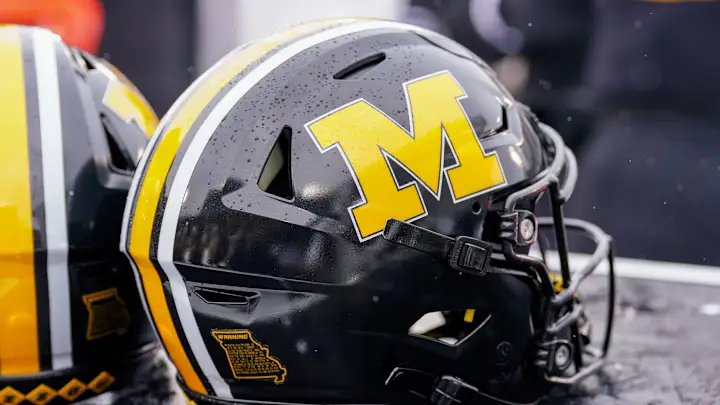
Mizzou footbal program experienced one of its most potent rushing attacks in recent memory during the previous season, and a significant portion of that success can be attributed to the emergence of running back Ahmad Hardy. Hardy had a breakout campaign in Columbia, showcasing his speed, vision, and versatility out of the backfield. His ability to consistently gain yardage, break tackles, and make big plays was a critical factor in Missouri ranking among the top rushing teams in college football. Hardy’s performance was not only a highlight for the team but also a sign of the potential the Tigers possess on offense when their ground game is firing. However, while the rushing attack was certainly impressive, it is also clear that Missouri’s offensive strategy needs to evolve to become more well-rounded. The Tigers demonstrated that leaning heavily on one aspect of their offense can be effective, but to compete at the highest level consistently, they need balance across all facets of their offensive scheme. Coach Eli Drinkwitz, now entering another season at the helm, recognizes this necessity and is taking proactive steps to enhance the team’s overall offensive capabilities.

One of the major ways Drinkwitz is addressing the need for a more complete offensive attack is by being aggressive in the transfer portal. In modern college football, the transfer portal has become an essential tool for programs looking to address immediate needs and add proven talent to their roster. Missouri has not shied away from this trend. By actively pursuing transfers, the Tigers are signaling their intent to strengthen their offensive line, add skill-position depth, and ultimately create a more balanced and dynamic offense that can challenge top-tier opponents. This approach demonstrates a willingness to adapt and leverage all available resources, which is critical in a highly competitive college football landscape.
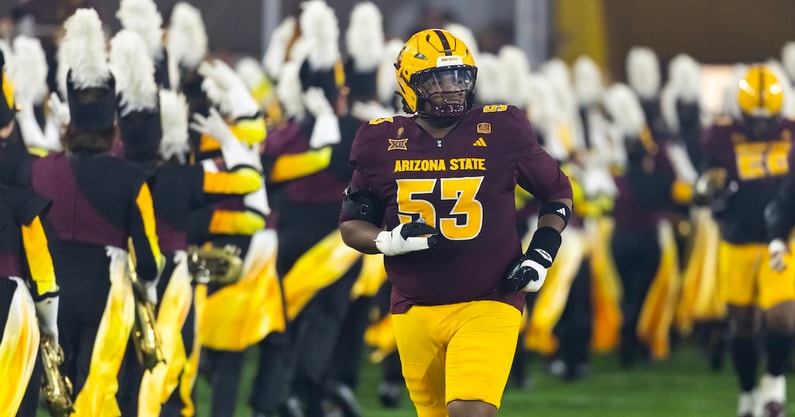
Recently, Missouri made headlines by announcing the addition of offensive lineman Josh Atkins, a former Arizona State player, who will join the Tigers for his final season of eligibility. Atkins’ decision to transfer to Missouri brings an experienced and highly versatile lineman into the fold, providing the Tigers with a significant boost in both talent and depth. This move aligns perfectly with Missouri’s ongoing efforts to enhance its offensive line, a key component in both the running and passing game. A strong offensive line not only protects the quarterback but also opens up lanes for running backs like Ahmad Hardy, creating opportunities for explosive plays and sustained drives.

Josh Atkins’ football journey is one that reflects both persistence and adaptability. Coming out of high school, Atkins was rated as a three-star recruit by the 247Sports Composite rankings for the class of 2021. Despite not being one of the nation’s elite recruits, he had several options and ultimately chose to sign with Houston, turning down other programs such as New Mexico, Liberty, and North Texas. This decision marked the beginning of a path that would see him develop into a reliable and durable offensive lineman at the collegiate level. While Atkins did not see playing time at Houston, his experience there was foundational, allowing him to acclimate to the demands of college football and prepare for future opportunities.

In 2023, Atkins made the move to Hawaii, where he played for one season. While at Hawaii, he was able to gain valuable game experience, further honing his skills and demonstrating his ability to adapt to different offensive schemes and coaching styles. Following his time in Hawaii, he transferred to Arizona State, where he spent two additional seasons. Over the course of these three years across two programs, Atkins established himself as a consistent and reliable starter, taking the field in 39 consecutive games at left tackle. This streak of starts is a testament not only to his talent but also to his durability, work ethic, and understanding of the game. Consistency on the offensive line is crucial, as it allows for better cohesion, communication, and execution, and Atkins’ track record suggests he can provide that stability for Missouri.
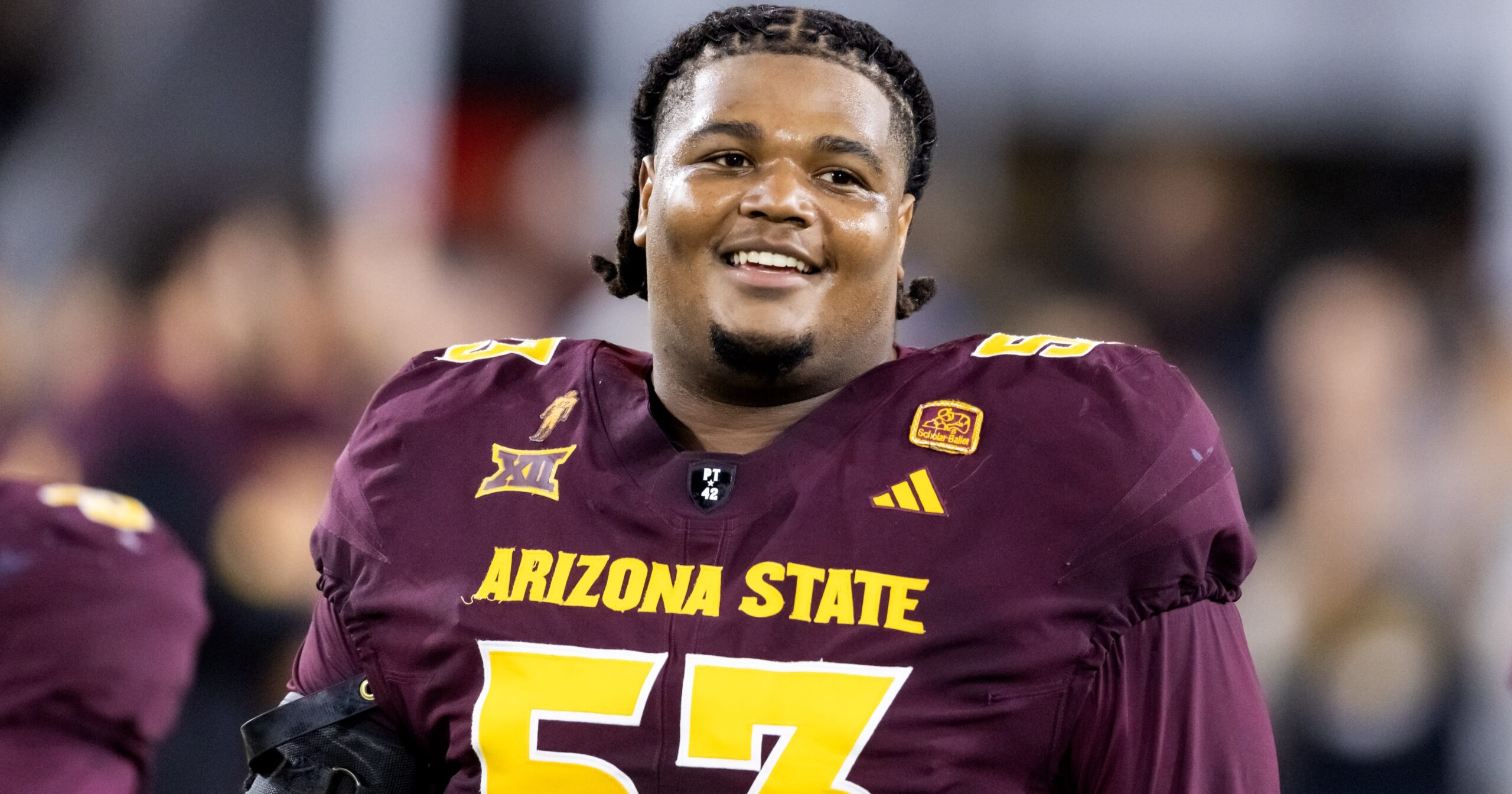
One of the factors that contributed to Atkins’ decision to join Missouri was the presence of current Tigers offensive line coach Brandon Jones. Jones, who played a pivotal role in recruiting Atkins to Houston out of high school, maintained a connection with the lineman over the years. That established relationship likely played a significant role in Atkins feeling comfortable transferring to Columbia and joining Missouri’s program. Having a coach who knows a player’s strengths, tendencies, and personality can make a transition smoother, and it provides both the player and the program with confidence that the fit will be productive. This kind of relationship-driven recruiting highlights the importance of trust and familiarity in college football, particularly when navigating the complex landscape of the transfer portal.

Looking ahead to next season, Josh Atkins is expected to be a versatile asset for Missouri’s offensive line. He has the ability to play either tackle position, giving Coach Drinkwitz additional flexibility in constructing a dominant and cohesive offensive front. Versatility on the line is invaluable, as it allows a team to adjust to injuries, exploit matchups against opposing defenses, and implement a variety of offensive schemes. With Atkins in the mix, Missouri’s offensive line has the potential to be a significant strength, complementing the team’s already formidable rushing attack led by Ahmad Hardy. This combination of experienced line play and explosive running ability could create a dynamic offensive environment, one that can adapt to various defensive challenges and maintain a high level of production throughout the season.
The addition of Atkins also reflects a broader philosophy within the Missouri football program under Coach Drinkwitz. While the Tigers have shown success on the ground, there is a clear recognition that a top-tier offense requires balance. By bolstering the offensive line with a seasoned and capable player like Atkins, Missouri is laying the groundwork for not only continued success in the running game but also for improvements in the passing game. A strong line provides the quarterback with the time necessary to read defenses, make accurate throws, and execute complex plays. It also enhances the overall efficiency of the offense, allowing for a more strategic and unpredictable attack that can challenge opponents in multiple ways.

Moreover, the acquisition of experienced transfers such as Atkins sends a message about Missouri’s competitive ambitions. It shows that the program is actively seeking talent to address immediate needs and is willing to invest in players who can make a tangible impact from day one. This approach can also have ripple effects in recruiting, as high school prospects and other potential transfers see Missouri as a program that is serious about building a winning team and providing opportunities for players to contribute meaningfully. In today’s college football environment, where talent can move quickly and opportunities are abundant, programs that are proactive in the transfer market often gain a competitive edge. Missouri’s strategy aligns with this trend and positions the Tigers to continue improving on an already impressive offensive foundation.
From a team perspective, the integration of Atkins into Missouri’s offensive line is likely to be a key storyline in the upcoming season. The combination of his experience, versatility, and familiarity with Coach Jones’ coaching style provides a strong foundation for success. As the Tigers prepare for the season, the offensive line will play a central role in executing the team’s game plan, supporting the running back corps, and protecting the quarterback. With the addition of Atkins, Missouri has the opportunity to field one of the more experienced and capable offensive lines in the conference, enhancing both the run and pass games and increasing the team’s overall competitiveness.

In conclusion, Missouri’s football program enters the next season with a renewed sense of purpose and a clear strategy for improvement. While the Tigers enjoyed one of the best rushing attacks in college football last season, thanks largely to Ahmad Hardy’s breakout performance, there is a recognized need to develop a more complete offensive attack. Coach Eli Drinkwitz has taken decisive action in response, aggressively leveraging the transfer portal to add talent and depth where it is most needed. The addition of Josh Atkins, a former Arizona State offensive lineman with a proven track record of durability and performance, represents a significant step forward in this effort. Atkins’ versatility, experience, and connection with offensive line coach Brandon Jones make him an ideal fit for Missouri, providing both immediate impact and long-term stability on the offensive front. As the Tigers look to build on last season’s success, the combination of a powerful rushing attack, a strengthened offensive line, and strategic use of the transfer portal positions Missouri to compete at a high level and pursue a more balanced, dynamic, and effective offensive identity.