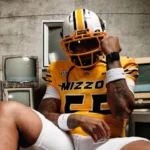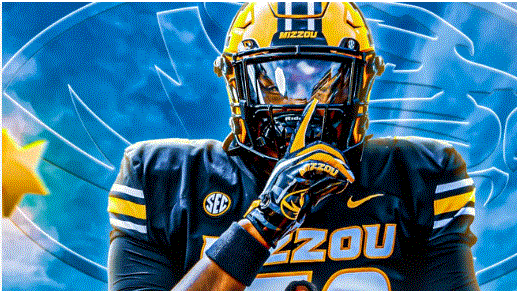
The Missouri Tigers football program is entering a new phase of transition and preparation as it looks ahead to the 2026 season. Following a year filled with both promise and setbacks, Missouri is actively reshaping its roster, particularly at the quarterback position, with the goal of remaining competitive in the rugged Southeastern Conference. One of the most significant developments of the offseason has been Missouri’s decision to turn to the transfer portal to address its needs under center after losing quarterback Beau Pribula to Virginia.
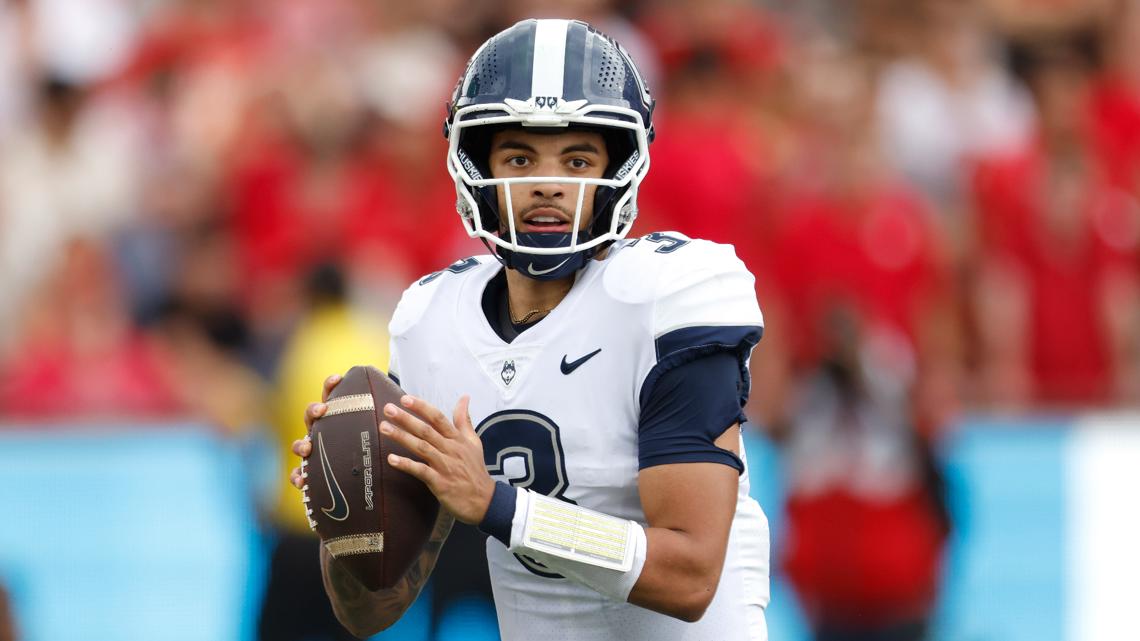
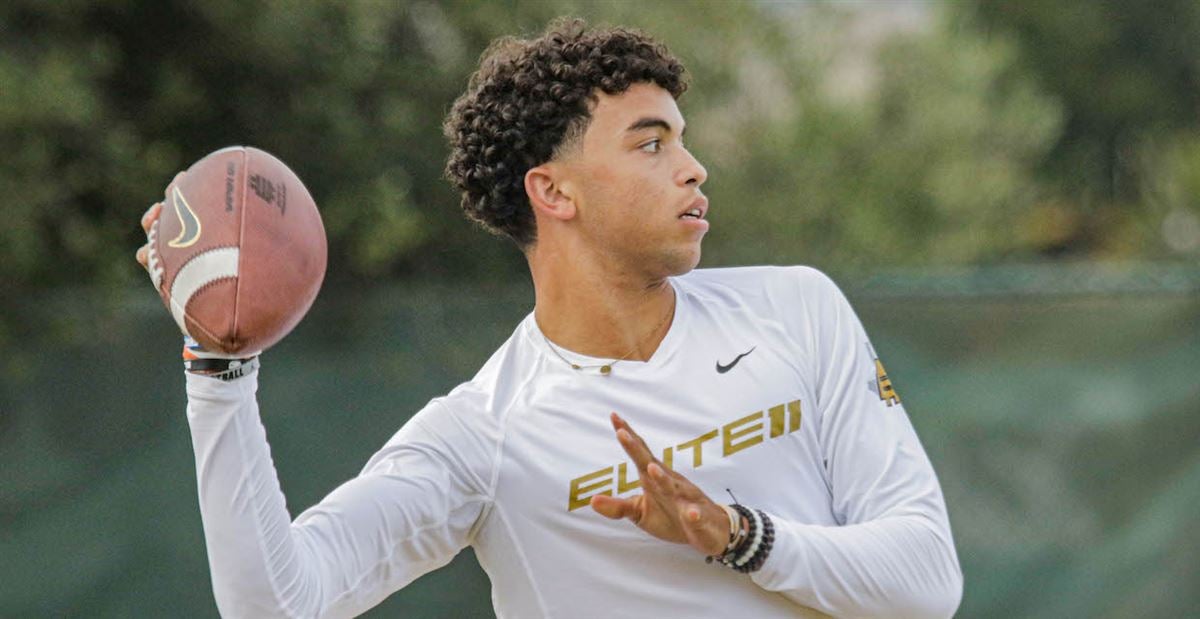
According to a report from On3, Missouri has secured a commitment from transfer quarterback Nick Evers, a player with experience at multiple programs and familiarity with high-level college football environments. Evers most recently played for UConn, where he was part of a Huskies team that enjoyed a strong 2025 season. His arrival gives Missouri a veteran option at quarterback as the Tigers attempt to reload rather than rebuild following an 8–5 campaign.
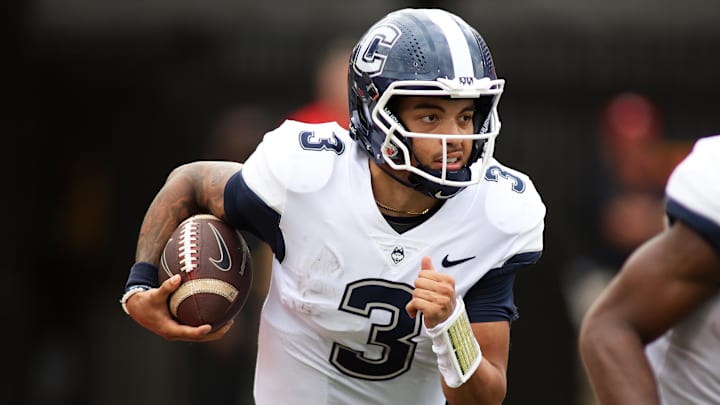
Evers’ college football journey has been anything but linear. Before arriving at UConn, he spent time at Oklahoma, one of the most tradition-rich programs in the country. That early experience exposed him to elite competition and high expectations, even if his on-field opportunities were limited. Eventually, Evers transferred to UConn, where he saw more action and had the chance to contribute in meaningful ways.
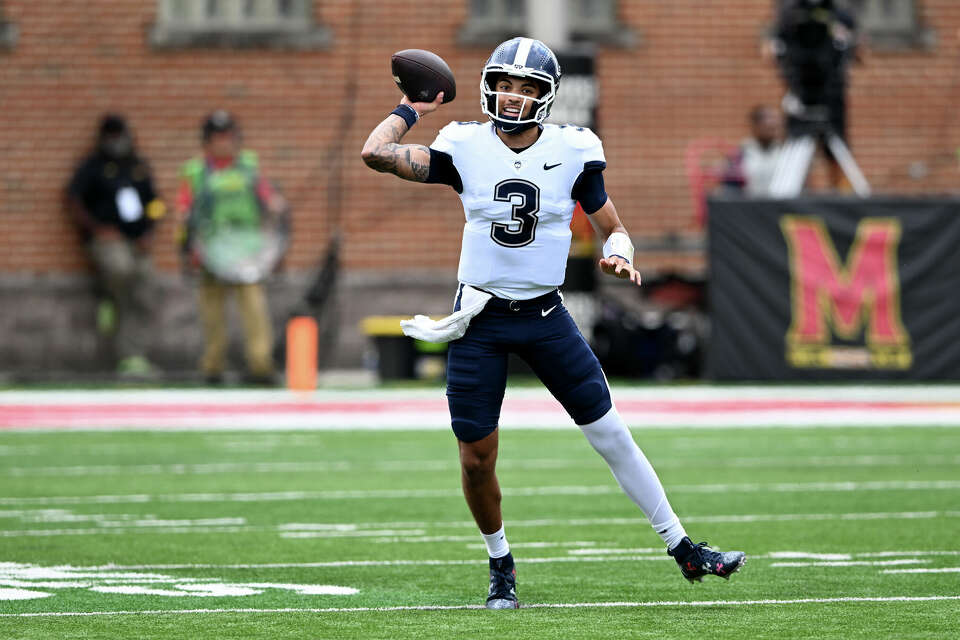
During the 2025 season at UConn, Evers’ role was relatively modest in terms of raw statistics. He threw for 105 yards and accounted for a touchdown, numbers that do not jump off the page at first glance. However, a deeper look at his career suggests that his potential may not be fully captured by one season alone. In the 2024 campaign, Evers logged over 900 passing yards, demonstrating his ability to manage an offense and produce at the collegiate level when given extended opportunities.
Over the course of his college career, Evers has accumulated 1,023 passing yards and thrown six touchdown passes. His completion percentage sits slightly above 54 percent, a figure that indicates room for improvement but also reflects the varied circumstances under which he has played, including changes in coaching staffs, offensive systems, and supporting personnel. For Missouri, the hope is that stability and development within Eli Drinkwitz’s system could help Evers refine his game and maximize his strengths.
Missouri’s decision to pursue a transfer quarterback became more pressing after Beau Pribula entered the transfer portal and ultimately committed to Virginia. Pribula had been a key contributor for the Tigers during the 2025 season, and his departure left a noticeable gap on the depth chart. Despite dealing with an ankle injury that limited him at times, Pribula played in 10 games and threw for nearly 2,000 yards. He also completed an impressive 67 percent of his passes, providing Missouri with efficiency and consistency at the quarterback position.

The Tigers’ 2025 season ended with an overall record of 8–5, a respectable mark that reflected both progress and lingering challenges. Missouri earned a postseason berth but came up short in the Gator Bowl, losing to Virginia. That loss was particularly notable given Virginia’s own season trajectory. The Cavaliers reached the ACC Championship Game but fell to Duke and ultimately missed out on a spot in the College Football Playoff. For Missouri, the bowl defeat served as both a disappointment and a reminder of the fine margins that separate good teams from great ones in college football.
As Missouri looks ahead to 2026, much of the program’s direction continues to be shaped by head coach Eli Drinkwitz. Since taking over the Tigers in 2020, Drinkwitz has steadily worked to elevate Missouri’s standing within the SEC. While the Tigers are not traditionally viewed as a powerhouse in the conference, recent seasons have shown that the program is capable of competing with nationally recognized opponents.

One of the defining moments of Drinkwitz’s tenure came two years ago, when Missouri defeated Ohio State in the Cotton Bowl. That victory served as a statement win for the program and reinforced the idea that Missouri could succeed on a big stage. It also helped solidify Drinkwitz’s reputation as a rising coaching figure, leading to increased interest from other schools during recent coaching searches.
Despite that outside attention, Missouri moved quickly to secure Drinkwitz’s future with the program by signing him to a contract extension. The move provided stability and continuity at a time when many programs across the country were experiencing turnover. For players, recruits, and fans alike, Drinkwitz’s extension signaled Missouri’s commitment to building long-term success rather than chasing short-term fixes.
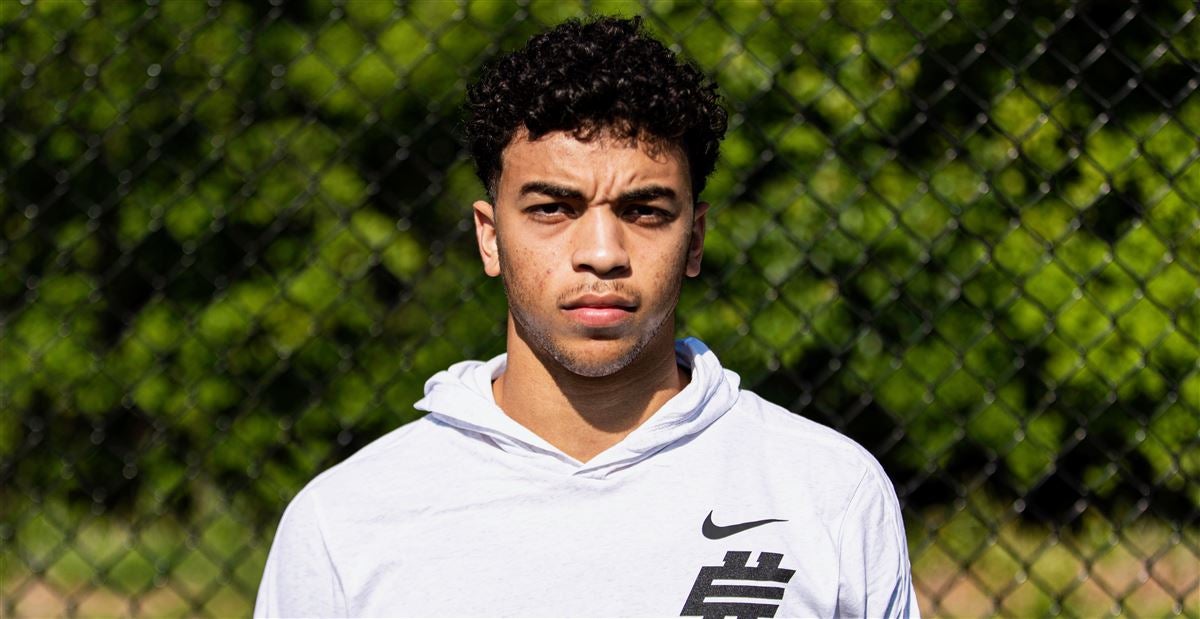
The arrival of Nick Evers fits into that broader vision. While Evers is not guaranteed the starting job, his experience and familiarity with different offensive systems give him a legitimate opportunity to compete for the role. Missouri’s quarterback room will likely feature a mix of returning players and newcomers, creating a competitive environment during spring practices and fall camp.
Evers’ ability to win the starting position will depend on several factors, including his command of the playbook, decision-making, accuracy, and leadership. Missouri’s offensive system under Drinkwitz emphasizes balance, efficiency, and adaptability, traits that could suit a quarterback willing to distribute the ball and make smart reads rather than rely solely on raw athleticism.
Beyond the quarterback position, Missouri’s 2026 outlook will also be shaped by its schedule. The Tigers are set to face Kansas in a non-conference matchup, a game that carries added significance given the regional familiarity between the two programs. Missouri will also take on Troy, another non-conference opponent that could test the Tigers early in the season. How Missouri performs in those games could set the tone for the rest of the year, particularly as SEC play begins.
READ MORE BREAKING: Missouri adds Arizona State transfer tackle to bolster O-line
Meanwhile, changes elsewhere in college football continue to ripple through the landscape. At UConn, where Evers most recently played, the program underwent a coaching change this offseason. Jim Mora departed, and Jason Candle, formerly the head coach at Toledo, was named the new leader of the Huskies. Such transitions often influence player movement, and Evers’ decision to enter the transfer portal came amid that period of uncertainty.
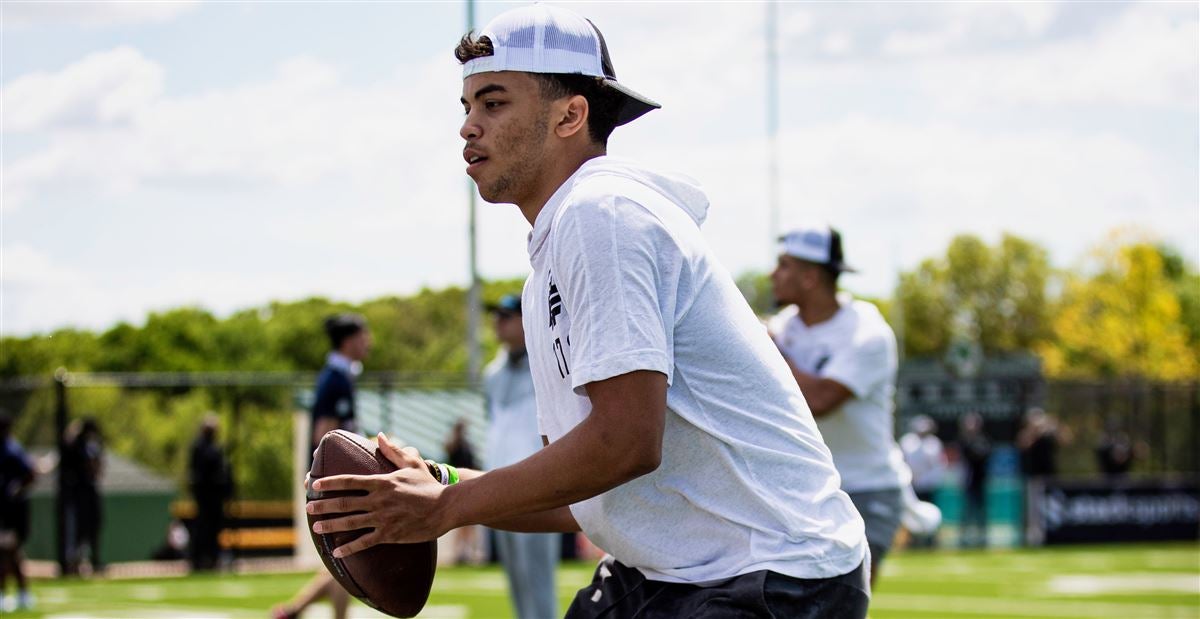
For Missouri, the timing of Evers’ availability provided an opportunity to address a key roster need. While his career statistics may not rival those of some high-profile transfer quarterbacks, Missouri appears to value his experience, adaptability, and potential for growth within a stable system. The Tigers’ coaching staff will now focus on developing Evers and integrating him into the offense as preparations for the 2026 season continue.
The broader challenge facing Missouri remains the same: competing in one of the most demanding conferences in college football. The SEC consistently produces national contenders, and every week presents a physical and strategic test. Missouri’s recent success suggests the program is moving in the right direction, but sustaining that momentum requires depth, consistency, and strong leadership at key positions—especially quarterback.
As the offseason progresses, attention will naturally turn to whether Nick Evers can emerge as the Tigers’ starter and help guide Missouri through its upcoming campaign. While nothing is guaranteed, his addition gives Missouri another option and underscores the program’s commitment to staying competitive in an ever-evolving college football landscape. Time will ultimately determine how Evers’ story unfolds in Columbia, but for now, Missouri appears poised to enter 2026 with renewed optimism and a clear plan for the future.