After Mets brief lull in the free-agent market, Major League Baseball is once again heating up as teams scramble to finalize rosters before spring training, which is now less than a month away. This year’s offseason has already seen some notable moves, but the past few days have brought a flurry of high-profile signings that are reshaping the landscape of the league and setting the stage for what could be a dramatic 2026 season. With the ripple effects of these signings still unfolding, fans and analysts alike are closely watching which teams are emerging as the big winners and which are left scrambling to play catch-up.
The first major move that grabbed headlines was the signing of left-handed pitcher Ranger Suarez. Suarez, who spent the last several seasons with the Philadelphia Phillies, has agreed to a massive five-year, $130 million contract with the Boston Red Sox. Suarez has been one of the more reliable arms in the Phillies’ rotation, and his departure marks a significant shakeup for Philadelphia’s pitching staff. Known for his ability to keep hitters off balance and limit runs, Suarez’s move to Boston gives the Red Sox a dependable left-hander to anchor their rotation. This deal reflects Boston’s ongoing commitment to assembling a roster capable of contending for a championship in the competitive American League East.
Following closely on the heels of the Suarez signing, another blockbuster deal was finalized involving outfielder Kyle Tucker. Tucker, one of the most sought-after players in the free-agent market, has agreed to a four-year, $240 million contract with the Los Angeles Dodgers. The Dodgers, coming off back-to-back World Series championships, are clearly positioning themselves for a historic three-peat. Tucker brings a combination of power, speed, and defensive versatility that will bolster an already formidable lineup. His signing not only strengthens Los Angeles’s chances of repeating as champions but also sends a clear signal to the rest of the league that the Dodgers are fully committed to maintaining their dominance.
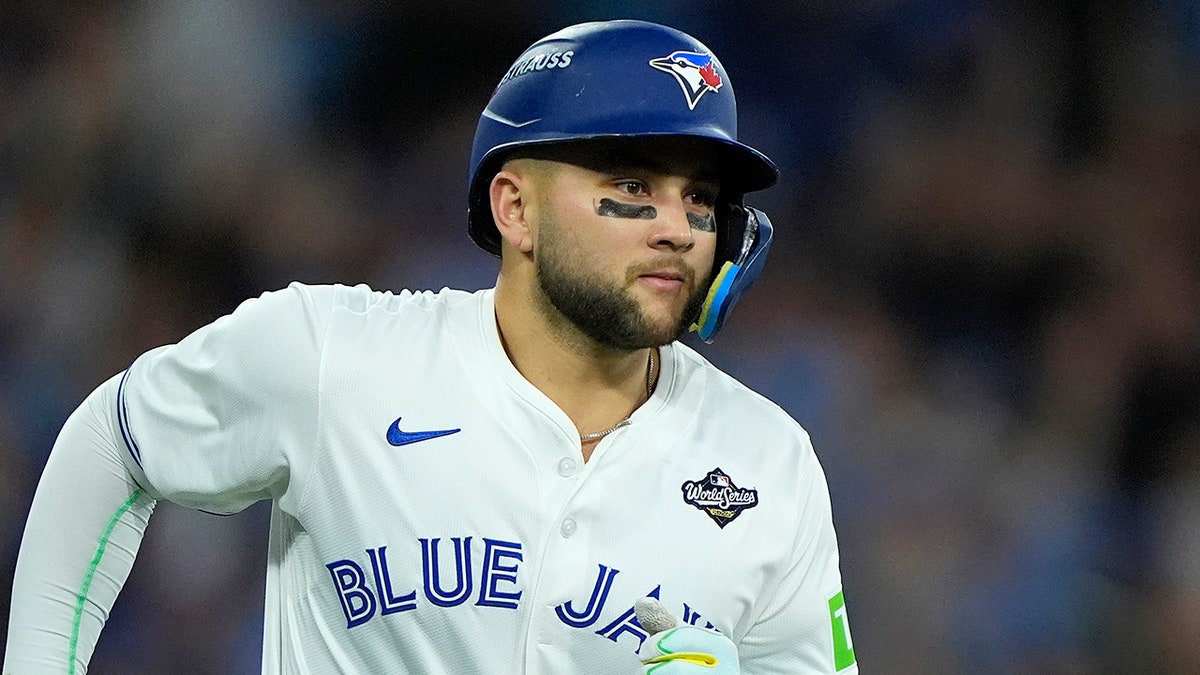
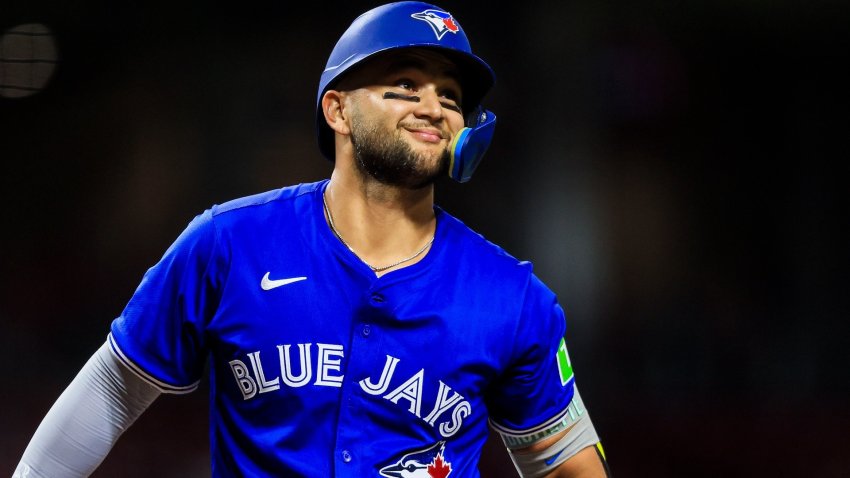
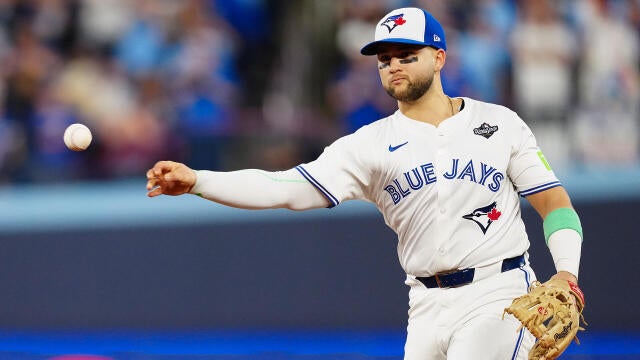
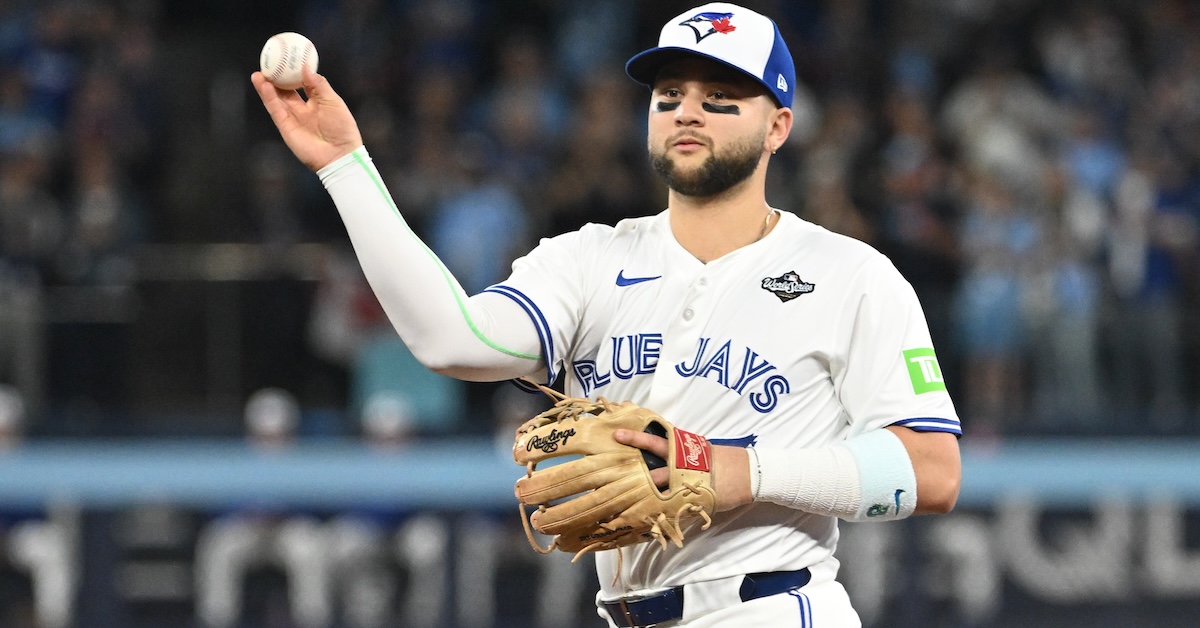
Barely 12 hours after Tucker’s deal was announced, another major domino fell: Bo Bichette, the talented shortstop, agreed to a three-year, $126 million contract with the New York Mets. Bichette’s signing came somewhat unexpectedly, especially given the early offseason speculation about his potential landing spots. For the Mets, this acquisition addresses a critical need following the departure of Pete Alonso, who signed with the Baltimore Orioles. Bichette, at 27 years old, is entering the prime of his career and brings both offensive firepower and defensive skill to New York’s infield.
Bichette’s performance with the Toronto Blue Jays in 2025 made him one of the league’s most desirable free agents. He slashed an impressive .311/.357/.483 with 18 home runs and 94 RBIs, demonstrating his ability to impact games in multiple ways. While an injury in early September sidelined him for much of the Blue Jays’ postseason, his overall production and consistency made him a coveted asset. For the Mets, landing Bichette represents a significant upgrade and a chance to remain competitive in an increasingly crowded National League East.
As is often the case with major free-agent signings, the ripple effects extend well beyond the team acquiring the player. Analysts and reporters immediately began evaluating the winners and losers of these moves, and in the case of Bichette’s signing, the Atlanta Braves emerged as one of the teams on the losing end. According to Gabe Lacques of USA Today, the Braves were considered a legitimate contender for Bichette’s services early in the offseason, but the combination of New York’s financial firepower and Atlanta’s decision to retain shortstop Ha-Seong Kim ultimately left them without the shortstop they had hoped to acquire.

Lacques explains that while retaining Kim is a solid move—the player is talented and valuable—the Braves simply could not compete with the larger-market teams in the Northeast when it came to offering the kind of contract Bichette commanded. Atlanta has long been recognized as one of MLB’s best-run organizations, consistently finding ways to remain competitive without the same financial resources as teams like the Mets, Yankees, or Phillies. However, in this instance, the Braves’ limitations in market size and payroll flexibility became apparent. By signing Bichette, the Mets not only strengthen their own lineup but also create a more difficult path for Atlanta to compete for the division title in 2026.
The addition of Bichette to New York’s roster addresses a clear void left by Alonso’s departure, enhancing the Mets’ offensive capabilities. Bichette’s ability to hit for average and power, combined with his defensive reliability, makes him a formidable addition. For the Braves, who have relied heavily on bounce-back seasons from players such as Austin Riley and Jurickson Profar, the margin for error has now become slimmer. Lacques notes that while Atlanta remains a strong team, the presence of Bichette in the division raises the bar and intensifies competition, particularly given the Mets’ and Phillies’ firepower.
Looking ahead to the 2026 season, the Braves appear likely to occupy the third spot in the National League East standings. Meanwhile, teams like the Miami Marlins, who have been active in trading pitchers, may not be far behind, suggesting a tightening of competition in the division. While the Braves are still well-positioned in terms of talent and management, the emergence of Bichette in New York underscores the challenges smaller-market teams face in competing with wealthier franchises.
Beyond the immediate effects on the NL East, these signings have broader implications for the league as a whole. Suarez’s move to Boston strengthens an American League team with championship aspirations, Tucker’s deal with the Dodgers solidifies a dynasty in Los Angeles, and Bichette’s addition to the Mets reshapes the competitive dynamics of the National League. Each move also sends signals to other free agents and teams about where financial and roster priorities lie, setting the stage for further moves as the offseason continues.
It is worth noting that free-agent signings always carry an element of risk. Injuries, performance slumps, and chemistry issues can affect even the most highly touted acquisitions. In Bichette’s case, his recent injury during the postseason serves as a reminder that no contract is without uncertainty. Similarly, Suarez and Tucker will face the challenge of adapting to new teams and expectations, though both have demonstrated the talent and resilience to make immediate impacts.
READ MORE; BREAKING: Mets to Sign Controversial Pitcher to Fix Rotation
From a strategic perspective, these signings highlight the growing influence of financial muscle in baseball. Teams with larger payrolls are increasingly able to secure elite talent, creating a gap between franchises in big markets and those with more limited resources. While organizations like Atlanta have historically compensated with strong player development and scouting, the influx of high-cost free agents can make it more difficult to remain competitive, particularly in divisions with multiple wealthier teams.
For fans, these moves inject excitement and anticipation into the offseason. Watching how Suarez, Tucker, and Bichette integrate with their new teams will be a major storyline as spring training approaches. Analysts will be tracking every at-bat, pitch, and defensive play to assess whether these acquisitions deliver the expected returns. For the players themselves, the deals represent both enormous opportunity and pressure: they are expected to justify their contracts and contribute meaningfully to their teams’ success.
The ripple effects of these signings also extend to team strategy. For example, the Braves now face a more complex decision-making process regarding their lineup, player development priorities, and potential trades. The presence of Bichette in the division may force Atlanta to consider additional acquisitions or adjustments to remain competitive. Similarly, other teams in both leagues will be monitoring the moves closely, evaluating how their own rosters stack up against newly reinforced opponents.
Looking back at the offseason to date, it is clear that 2026 is shaping up to be one of the more intriguing campaigns in recent memory. The combination of marquee signings, trades, and departures has already shifted the balance of power, particularly in the National League East. The Phillies, Mets, and Braves are all adjusting to new realities, while teams like the Dodgers continue to assert dominance in the National League West. Meanwhile, Boston’s acquisition of Suarez signals that the American League remains fiercely competitive, with multiple teams vying for supremacy in the East.

In conclusion, the last few days of the MLB offseason have seen significant movement that promises to reshape the competitive landscape. Ranger Suarez’s five-year deal with Boston, Kyle Tucker’s record-setting contract with the Dodgers, and Bo Bichette’s unexpected signing with the Mets are all moves that will have far-reaching consequences. While the immediate winners are clear—the Red Sox, Dodgers, and Mets—the ripple effects will continue to be felt across the league, particularly for teams like the Atlanta Braves, who now face a more difficult path to the playoffs. As spring training approaches, the excitement, speculation, and analysis are only going to intensify, setting the stage for what could be a memorable and highly competitive 2026 season in Major League Baseball.