The New York Mets’ offseason plans took a dramatic and unexpected turn, collapsing almost overnight in what has quickly become one of the more chaotic offseasons in recent memory. The team, which had been actively pursuing top-tier talent to solidify its roster for the 2026 season, saw its hopes dashed when Kyle Tucker, a player widely considered the centerpiece of their offseason strategy, signed a massive $240 million contract with the Los Angeles Dodgers. The deal was not only a blow to the Mets’ immediate plans but also sent shockwaves across Major League Baseball, as teams scrambled to recalibrate in the wake of the Dodgers’ aggressive move.
For the Mets, Tucker was more than just another player—they had invested months of time, scouting, and negotiations into acquiring the star outfielder. The expectation had been that Tucker would provide a reliable middle-of-the-order bat capable of driving in runs and sustaining a high on-base presence. His .377 on-base percentage and 22 home runs in the previous season made him a highly coveted offensive asset. Missing out on him left the Mets without a clear solution to one of their most pressing roster needs, and the timing could not have been worse: spring training was only weeks away, leaving the front office with little margin for error.

The situation was further complicated by the rapid disappearance of the Mets’ backup options. Two players who had been considered secondary targets—Bo Bichette and Ketel Marte—simultaneously became unavailable. Bichette, who had previously struggled in 2024 with a .225 batting average and negative bWAR, rebounded strongly in 2025, hitting .311 and posting a 3.5 WAR. This resurgence made him an appealing choice for the Mets’ infield needs, particularly as an alternative to Tucker in the lineup. Similarly, Marte, who had consistently produced for Arizona, represented a reliable offensive option with a strong all-around skill set. His 2024 slash line of .292/.370/.456 across multiple defensive positions demonstrated both his versatility and his value to any team in need of a steady contributor.

Reports quickly surfaced signaling that both Bichette and Marte were slipping out of reach. A tweet by journalist Crory highlighted the sudden contraction of the market, citing Alex Speier’s reporting that the Boston Red Sox were unlikely to pursue Bichette after signing Ranger Suárez. Likewise, Arizona made it clear that Marte would not be traded, effectively shutting the door on the Mets’ contingency plans. This dual setback meant that the Mets had potentially lost access to over $300 million in cumulative player value, combining Marte’s $116.5 million contract and Bichette’s projected $210 million worth. The financial and strategic implications were substantial, stripping the Mets of both their primary and secondary avenues for bolstering their lineup.
The impact of these losses extended far beyond numbers on a spreadsheet. For a team that narrowly missed the playoffs by a single game in 2025, the stakes were high. The offseason had been centered around acquiring a player like Tucker, whose ability to reach base consistently and provide power in the middle of the lineup was seen as essential to pushing the Mets back into contention. Losing him was a severe blow, but the simultaneous disappearance of Bichette compounded the challenge, leaving the team scrambling to identify viable replacements in a market that was quickly drying up.
Bichette’s projected value made him a particularly attractive fallback option. After a disappointing 2024, his strong 2025 performance suggested that he had returned to form, making him a potential solution to the Mets’ infield and offensive needs. Similarly, Marte offered a proven track record of consistency and versatility, capable of contributing both at the plate and in multiple defensive positions. With both players now off the table, the Mets faced a scenario in which their offseason strategy had effectively unraveled in a matter of hours, forcing the front office to reassess its approach entirely.
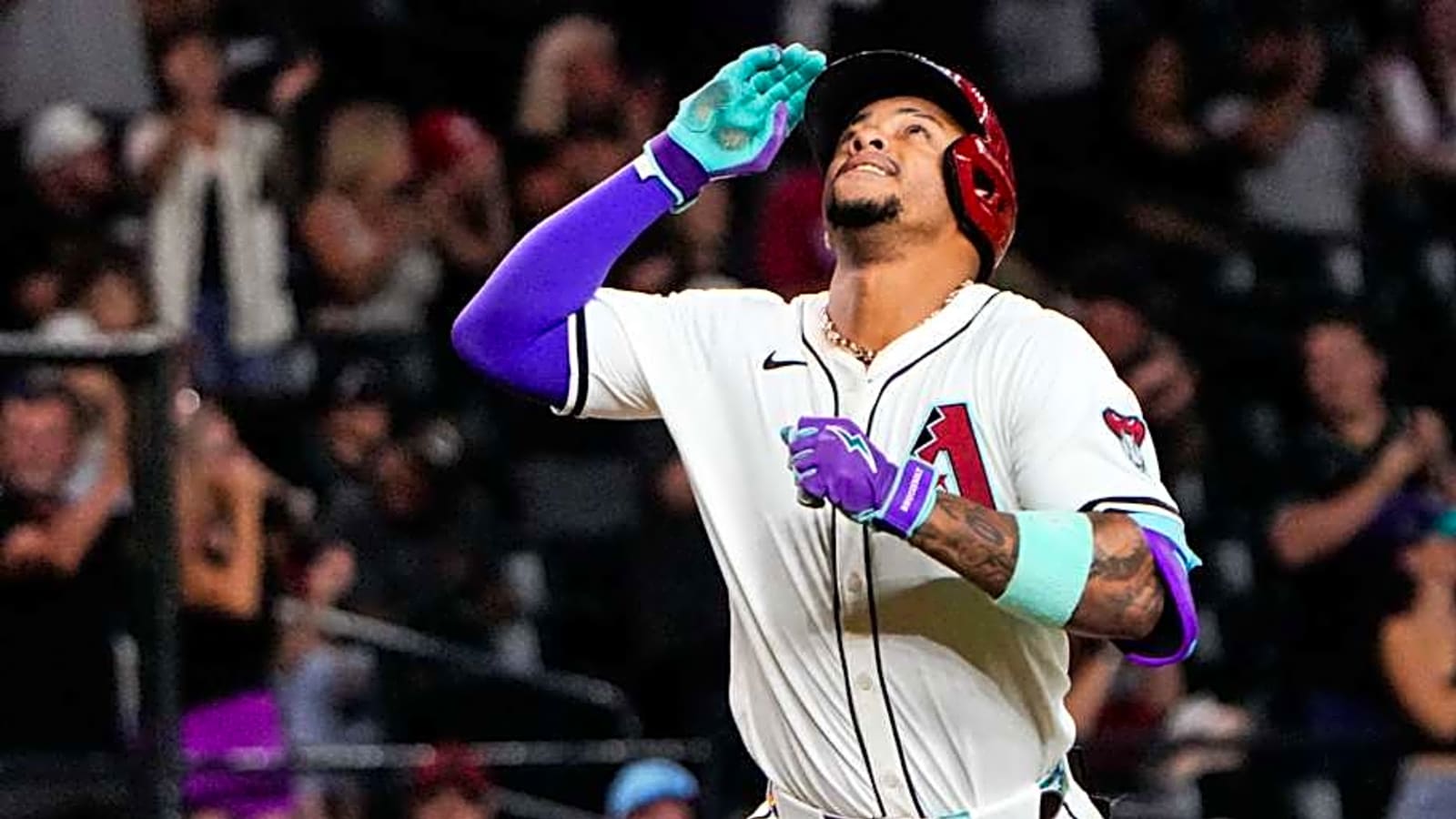
Fan sentiment reflected the concern within the organization. Betting odds from FanDuel now list the Mets at +1100 for the 2026 World Series, signaling growing skepticism about the team’s championship prospects. These odds illustrate that, despite the talent already on the roster, the absence of key acquisitions has left a noticeable gap in the lineup. The team’s window for corrective action is narrowing rapidly, with spring training on the horizon and top-tier players increasingly under contract elsewhere.
In response to these setbacks, the Mets have been forced to pivot their strategy, shifting focus from acquiring position players to bolstering their pitching staff. With the outfield and middle-of-the-order positions less accessible, attention has turned to finding quality arms to strengthen the rotation and provide the team with a more balanced roster. Ken Rosenthal of The Athletic reported that the Mets are exploring four starting pitchers who could potentially salvage their offseason plans, including trade and free-agent options.

Among trade targets, Freddy Peralta and MacKenzie Gore stand out as the most viable candidates. Peralta, who won 17 games for the Milwaukee Brewers with a 2.70 ERA last season, represents an immediate upgrade in talent and experience. Gore, currently with Washington, offers the advantage of team control but may come at a comparable cost in terms of prospects or financial investment. According to Rosenthal, Peralta edges Gore in pure talent, though both options carry significant price tags. For the Mets, the decision between these two pitchers will involve weighing immediate impact against longer-term considerations such as contract control and organizational fit.

Free agency presents another set of possibilities, with Framber Valdez and Zac Gallen among the most notable options. Valdez, regarded as the top left-handed pitcher available, would command a premium and likely require an extended contract. Gallen, coming off a less-than-ideal 2025, may be available on a shorter deal, providing the Mets an opportunity to add pitching depth without committing long-term resources. These decisions will be critical, as pitching has become the most viable avenue for improving the team in the absence of high-impact position players.
The challenges facing the Mets underscore the volatility of the modern MLB offseason. High-demand players like Tucker are often pursued by multiple teams simultaneously, creating a dynamic in which even well-laid plans can collapse in a matter of hours. For the Mets, the combination of losing a primary target and seeing backup options vanish highlights the importance of adaptability and strategic foresight in roster construction. With few alternatives remaining, the team must now navigate a market where elite offensive talent is largely unavailable, while balancing the need for pitching acquisitions that can meaningfully impact the 2026 campaign.
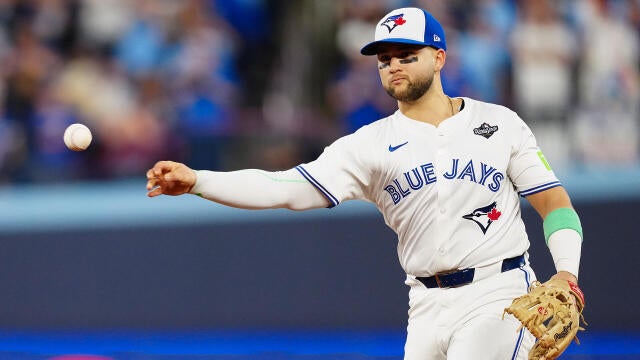
The broader implications extend to team chemistry and lineup construction. Losing Tucker, Bichette, and Marte not only affects individual performance but also the overall balance of the roster. The Mets were counting on a blend of power, on-base skills, and defensive versatility to round out their starting lineup. With these gaps now unfilled, the team faces difficult decisions about how to allocate remaining resources and whether to pursue less traditional or lower-profile solutions. This could include promoting minor league talent, targeting mid-tier free agents, or exploring more creative trade scenarios. Each option carries inherent risks, particularly given the compressed timeline and competitive nature of the market.
Financial considerations also play a role in shaping the Mets’ next moves. The team must balance the desire to acquire top-tier talent with the constraints of payroll and long-term contracts. Losing $300 million worth of potential acquisitions forces a reassessment of spending priorities, particularly if the front office aims to remain flexible for future seasons. Investing heavily in pitching may provide a path forward, but it also limits the ability to address remaining gaps in the lineup without incurring further financial strain.

Despite these setbacks, the Mets retain a core of talent that could serve as a foundation for recovery. Existing players offer both offensive and defensive capabilities, and the team’s front office has demonstrated a willingness to make bold moves in pursuit of improvement. However, the challenge lies in translating potential into concrete upgrades, particularly as the market continues to shift. Every decision made over the coming weeks will have ripple effects on the team’s competitive outlook, making careful evaluation and strategic foresight essential.
Ultimately, the collapse of the Mets’ offseason serves as a stark reminder of the high-stakes nature of MLB roster management. The loss of Kyle Tucker, coupled with the sudden unavailability of Bo Bichette and Ketel Marte, represents a significant disruption to a carefully constructed plan. While the team’s pivot toward pitching provides a potential avenue for improvement, the overall landscape remains uncertain, with key gaps in the lineup and a rapidly closing window for corrective action. For fans, analysts, and the organization itself, the unfolding situation underscores the delicate balance between ambition and adaptability in building a championship contender.

As spring training approaches, the Mets face critical decisions that will determine the trajectory of their 2026 season. Securing one or more high-impact pitchers may help stabilize the roster, but filling offensive holes remains an urgent challenge. With each passing day, the pool of available talent shrinks, heightening the pressure on the front office to act decisively. Whether through trades, free agency, or internal promotions, the team must find ways to offset the losses of Tucker, Bichette, and Marte while preserving both competitive balance and financial flexibility.

In conclusion, the Mets’ offseason narrative illustrates the unpredictability and volatility inherent in professional baseball. A plan that initially appeared promising can unravel rapidly due to factors beyond a team’s control, from rival bids to market scarcity. For New York, the collapse of their pursuit of Tucker, combined with the simultaneous loss of backup options in Bichette and Marte, has created a substantial challenge. The organization’s ability to pivot effectively—particularly toward pitching—will be a defining factor in whether the 2026 season becomes a story of recovery or a continuation of missed opportunities. With key decisions looming and time running short, the Mets’ front office faces one of its most consequential offseasons in recent memory, tasked with rebuilding a plan from the fragments of a promising but ultimately disrupted strategy.
READ MORE ;