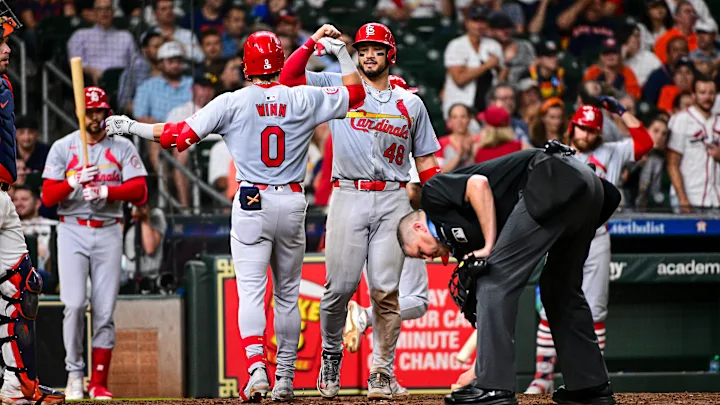
The St. Louis Cardinals, one of Major League Baseball’s most storied franchises, are entering a significant period of transition. This shift comes as Chaim Bloom, the team’s new president of baseball operations, begins to implement a comprehensive plan for the organization’s future. Under Bloom’s guidance, the Cardinals are focusing less on immediate contention and more on long-term sustainability, emphasizing the careful cultivation of talent, strategic trades, and the restocking of their farm system. While such periods of transition are always challenging for both fans and players, they also present opportunities to reshape the organization for lasting success.
This offseason has already seen the Cardinals part ways with several key players who have defined the franchise in recent years. First baseman Willson Contreras, third baseman Nolan Arenado, and right-handed pitcher Sonny Gray were all moved in high-profile trades, marking a dramatic shift in the team’s roster composition. Contreras, Arenado, and Gray were not only strong contributors on the field but also fan favorites who played pivotal roles in the Cardinals’ recent campaigns. Their departures signal that the organization is prioritizing a forward-looking strategy over short-term wins, a philosophy that may require patience from the fanbase as the team rebuilds.
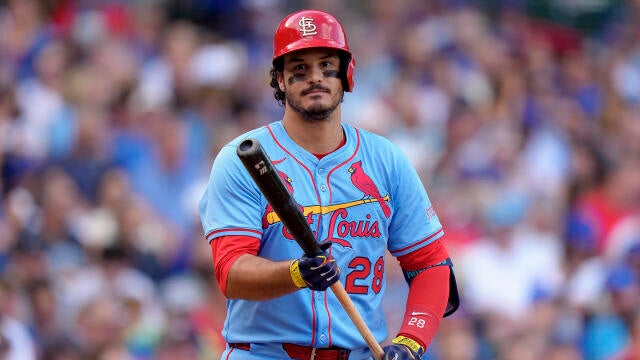
The moves made this offseason highlight Bloom’s commitment to reshaping the team according to a long-term vision. Contreras, known for his power and on-base skills, has been a mainstay in the Cardinals’ lineup, while Arenado, a perennial All-Star and Gold Glove third baseman, was central to the team’s identity. Gray, though inconsistent at times, provided veteran pitching depth and experience. By trading these players, the Cardinals are not only altering the roster for the upcoming season but also freeing up payroll and acquiring prospects who could form the foundation of the team’s future.
In addition to these trades, Bloom continues to scrutinize the 40-man roster, with multiple players still under consideration for potential moves before Opening Day. Among the names frequently mentioned are All-Star infielder Brendan Donovan and outfielder Lars Nootbaar. Both players have proven themselves at the Major League level, demonstrating skill, versatility, and value, yet their timelines may not perfectly align with the organization’s current direction. By exploring trade options for Donovan and Nootbaar, the Cardinals are positioning themselves to acquire prospects and other assets that can accelerate the team’s rebuilding process.

The emphasis on long-term strategy is particularly evident in the team’s approach to its minor-league system. Rebuilding in baseball is rarely instantaneous; it requires a careful balance of developing prospects, managing roster flexibility, and making calculated decisions about veteran players. The Cardinals’ farm system, which serves as the backbone of future competitiveness, has been a focal point for Bloom and his staff. By moving players whose timelines do not match the organization’s plans, the Cardinals can acquire younger talent with higher upside, ensuring that they have the depth and versatility necessary to compete in the years ahead.
However, even as the organization recalibrates, individual stories continue to emerge from within the system—stories that remind fans of the human dimension of professional baseball. One such story involves minor-league utility infielder Jacob Buchberger, who recently decided to retire. According to MiLB transaction logs, Buchberger, 28, ended his five-year professional career entirely spent within the Cardinals’ minor-league system. Though he never reached Triple-A or made his Major League debut, Buchberger’s career reflects the perseverance, adaptability, and dedication required to compete at the professional level.
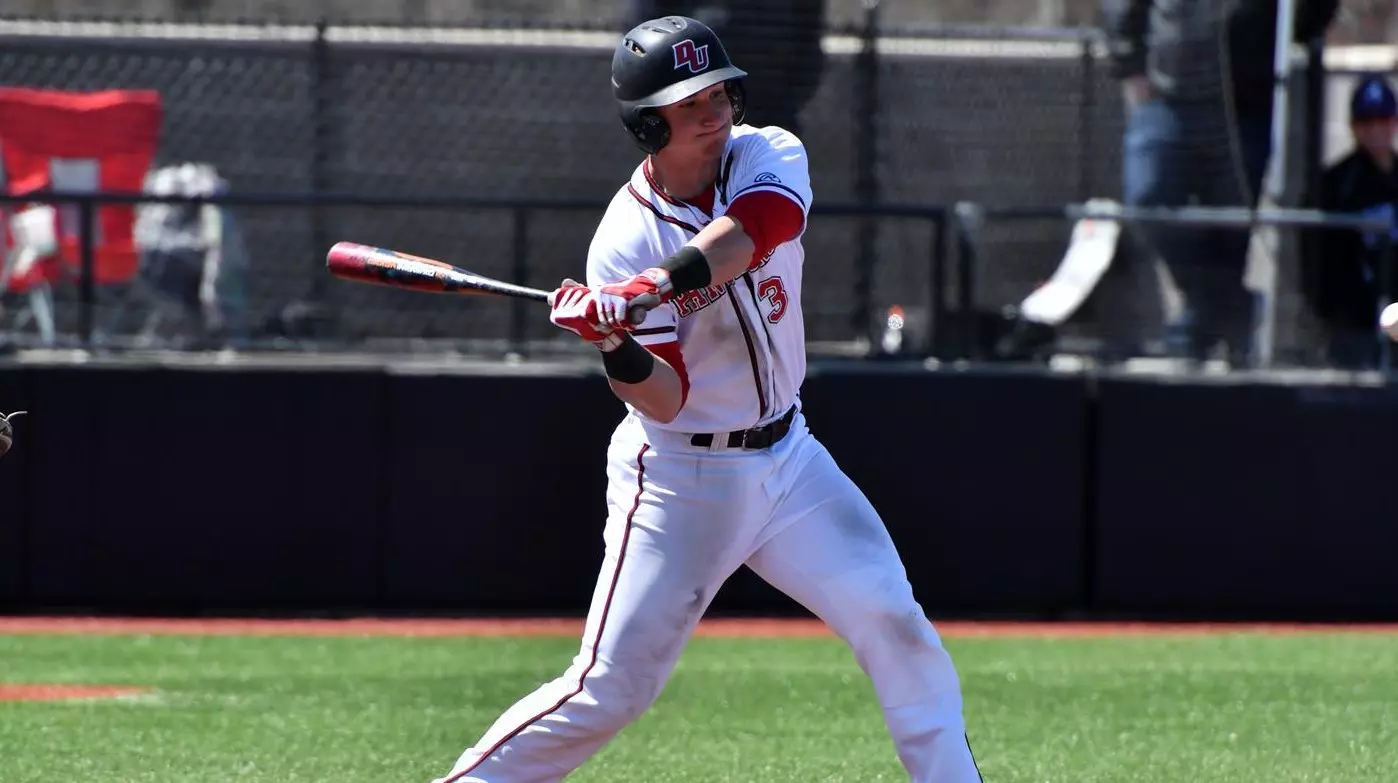
Buchberger was known within the Cardinals’ system for his versatility, steady contact skills, and occasional power. His ability to play multiple infield positions made him a valuable utility option, and his reliability kept him in consideration as a potential late bloomer—a player who might develop into a contributor at the Major League level with time and opportunity. While he was not ranked among the organization’s elite prospects, his experience and consistency made him an important part of the system, particularly as younger players developed around him.
Last season, Buchberger demonstrated meaningful offensive progress at the Double-A level, hitting .300 with a .417 on-base percentage and a .917 OPS. This performance offered a glimpse of his potential and suggested that he might have been capable of contributing at higher levels had he continued his career. His retirement, though a smaller moment in the broader context of the Cardinals’ organizational changes, highlights how much the landscape of the franchise is evolving under Bloom’s leadership.

The human element of Buchberger’s retirement cannot be understated. Minor-league life is often grueling, with long bus rides, modest pay, and limited recognition. Players like Buchberger invest years of their lives chasing the dream of Major League success, balancing personal sacrifices with the hope of reaching the next level. His decision to step away reflects both the realities of life in professional baseball and the uncertainty inherent in a system undergoing significant transformation. In this way, Buchberger’s story serves as a poignant reminder of the personal dimensions of organizational change.
From an organizational perspective, Buchberger’s retirement, alongside the trades of key Major League players, represents the broader shift toward a patient, strategic rebuild. The Cardinals are deliberately accepting short-term setbacks, such as the loss of familiar stars and potential contributors, to focus on building a foundation for sustainable success. This philosophy aligns with modern trends in professional baseball, where data-driven decision-making, prospect development, and long-term roster management increasingly determine organizational outcomes.
Historically, the Cardinals have experienced similar periods of transition. Past eras of rebuilding involved difficult decisions, including trading established stars and leaning on younger players to carry the team forward. Bloom’s approach reflects both a continuation of this tradition and a modern adaptation, emphasizing the integration of analytics, talent evaluation, and strategic roster construction. By evaluating each player’s timeline, potential, and fit within the organization’s long-term goals, Bloom is positioning the Cardinals to emerge from this transitional period as a stronger, more versatile team.

The departure of Contreras, Arenado, and Gray, combined with the potential movement of Donovan and Nootbaar, has left the Cardinals in a state of flux at the Major League level. While these changes may temporarily reduce the team’s competitiveness, they also create opportunities for younger players to step into larger roles. Prospects acquired in recent trades, as well as those developing in the minor-league system, will now have the chance to contribute in meaningful ways, accelerating the team’s rebuilding process. This approach reflects a careful balance between asset management, talent development, and long-term strategic planning.
In the minor leagues, the Cardinals continue to cultivate a pipeline of talent designed to sustain future competitiveness. Players like Buchberger, while not top-ranked prospects, provided depth and stability that allowed younger prospects to develop without the pressure of filling major-league roles prematurely. The minor-league system serves as both a proving ground and a laboratory for player development, allowing the organization to assess skills, growth potential, and adaptability in a competitive environment. Buchberger’s versatility and performance exemplify the type of steady, reliable presence that supports this developmental ecosystem, even if such players ultimately do not reach the Major League level.
Analyzing the Cardinals’ recent moves highlights the strategic considerations behind this transitional phase. Trades of established players free up payroll flexibility, allowing the organization to invest in younger talent, international signings, or future free-agent opportunities. Evaluating the 40-man roster ensures that each player’s timeline aligns with the team’s long-term objectives, creating opportunities for prospects while minimizing risk associated with carrying players whose development trajectories may not match the organization’s vision.
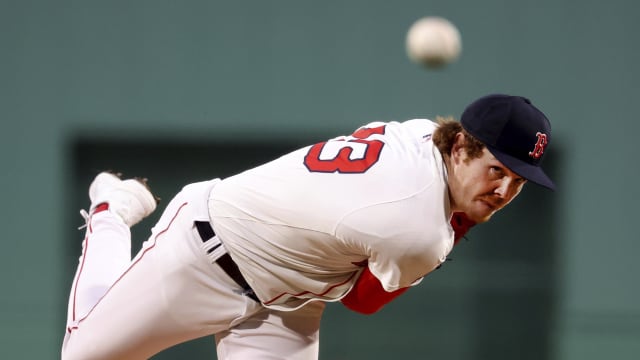
Furthermore, the potential trades of Donovan and Nootbaar illustrate the modern calculus of Major League Baseball management. Both players possess value at the Major League level, but their alignment with the franchise’s long-term goals is a crucial consideration. By trading these assets, the Cardinals could acquire multiple high-upside prospects, thereby accelerating the rebuilding process and strengthening the farm system for years to come. This approach reflects a patient, methodical philosophy that prioritizes sustainable competitiveness over immediate gains.
The Cardinals’ current strategy also underscores the importance of adaptability in professional baseball. Teams must continuously evaluate talent, manage contracts, and adjust to changing circumstances, including injuries, performance fluctuations, and evolving competitive landscapes. Bloom’s leadership emphasizes flexibility, data-driven decision-making, and long-term vision, creating an environment in which strategic choices are guided by a combination of analytics, scouting insight, and organizational philosophy. This approach positions the Cardinals to navigate the complexities of modern baseball while maintaining a focus on building a sustainable foundation for success.
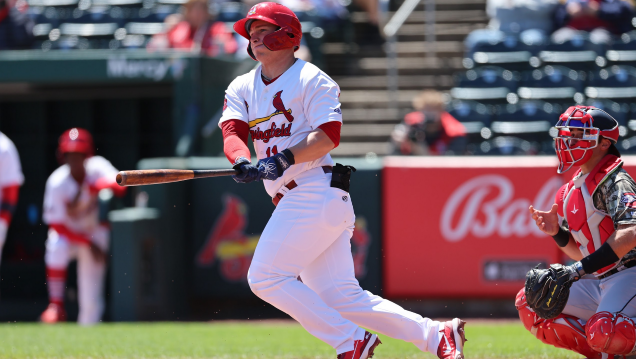
Looking ahead, the Cardinals are unlikely to contend immediately in the upcoming 2026 season. Instead, the emphasis will remain on prospect development, roster evaluation, and strategic acquisitions that strengthen the organization’s depth and versatility. Players like Buchberger, who contributed to the system’s stability, may no longer be present, but their careers underscore the challenges and sacrifices inherent in professional baseball. These stories provide context for the broader organizational narrative, highlighting the human dimension of a franchise navigating significant change.
In the long term, the Cardinals’ rebuild has the potential to yield substantial rewards. By acquiring high-upside prospects, cultivating homegrown talent, and maintaining roster flexibility, the organization can position itself for sustained competitiveness. This approach requires patience and careful management, but it aligns with best practices in modern professional baseball, where long-term planning, talent development, and strategic foresight often differentiate successful franchises from those that struggle to maintain relevance.

Buchberger’s retirement, while a relatively quiet moment within the broader organizational transition, serves as a reminder of the personal journeys that underpin professional baseball. Players dedicate years of their lives to pursuing the sport, navigating uncertainty, and striving for improvement. The decision to step away, while difficult, reflects both personal choice and the realities of a system undergoing change. In this way, Buchberger’s story mirrors the broader narrative of the Cardinals themselves: a franchise in transition, balancing tradition, ambition, and the pursuit of long-term success.
The Cardinals’ current trajectory reflects a deliberate philosophy emphasizing patient growth and strategic planning. While the loss of familiar faces and potential contributors may be difficult for fans to accept in the short term, these moves are designed to create a stronger, more resilient organization capable of sustained success. Trades, roster evaluations, and minor-league development all contribute to this process, highlighting the interconnected nature of professional baseball management and the importance of long-term vision.
Historically, the Cardinals have experienced similar cycles of rebuilding and renewal. Past eras of transition involved difficult decisions, the cultivation of prospects, and careful roster management. Bloom’s approach, while rooted in tradition, incorporates modern analytics and strategic insight, reflecting the evolving nature of professional baseball. By aligning talent, resources, and philosophy, the organization is positioning itself to emerge from this transitional period as a competitive, sustainable franchise capable of success over multiple seasons.

In conclusion, the St. Louis Cardinals’ offseason represents a significant moment of transition, characterized by trades of key players, the retirement of minor-league contributors like Jacob Buchberger, and a strategic focus on long-term growth. The franchise’s emphasis on prospect development, roster flexibility, and strategic planning reflects a patient, methodical approach to building sustainable competitiveness. While challenges remain and immediate contention may be unlikely, the Cardinals are laying the groundwork for a stronger, more resilient future. The stories of players, both major and minor, remind fans that baseball is not just a game of statistics and strategy, but also of human endeavor, perseverance, and personal choice. As the organization looks toward 2026 and beyond, its commitment to long-term vision and strategic execution will determine the trajectory of the franchise, ensuring that the Cardinals remain a competitive force in Major League Baseball for years to come.