The St. Louis Cardinals have quietly but decisively positioned themselves as one of Major League Baseball’s most aggressive organizations on the trade market over the past year. While many teams have taken a cautious or incremental approach to roster building, the Cardinals have embraced boldness, reshaping their roster through a series of impactful moves that suggest a broader organizational reset is underway.
This shift became evident last season at the trade deadline, when St. Louis executed three notable trades that signaled a willingness to part with established veterans in exchange for future value. However, those moves now appear to be only the opening chapter of a much larger transformation. As the offseason unfolded, the Cardinals became one of the most active clubs in trade discussions across the league, frequently mentioned in rumors involving high-profile names and significant prospect returns.

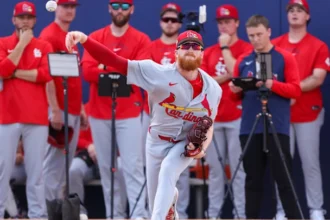
Early in the offseason, the Cardinals made one of their most eye-catching decisions by trading veteran right-hander Sonny Gray to the Boston Red Sox. Gray, a reliable and experienced starter, still carried considerable value, and St. Louis capitalized by acquiring a strong package of prospects in return. The move underscored the organization’s growing emphasis on long-term development rather than short-term contention.
Not long after the Gray deal, the Cardinals and Red Sox connected again—this time with catcher Willson Contreras heading to Boston. Contreras had been a central figure in St. Louis’ lineup, both offensively and defensively, but the front office appeared comfortable moving on, further reinforcing the idea that the Cardinals were committed to reshaping the core of their roster.
Perhaps the most shocking transaction of the offseason came when St. Louis traded perennial All-Star third baseman Nolan Arenado to the Arizona Diamondbacks. Arenado had been the face of the franchise for years and a consistent Gold Glove-caliber presence at third base. His departure marked a definitive end to an era and sent a clear message throughout the league: the Cardinals were no longer clinging to the past.
Yet despite these headline-grabbing moves, there is a growing belief that St. Louis is far from finished. In fact, several league insiders expect the Cardinals to remain active in trade talks as they look to further align their roster with a long-term vision built around youth, flexibility, and high-upside talent.
Two names that continue to surface in rumors are utility infielder Brendan Donovan and left-handed reliever JoJo Romero. Both players are nearing the ends of their contracts with the Cardinals, and while each has been a valuable contributor, the timing makes them logical trade candidates.
Donovan, known for his versatility and consistent offensive approach, has been one of the Cardinals’ most reliable everyday players. He can handle multiple infield and outfield positions, brings strong on-base skills, and fits seamlessly into nearly any lineup. Romero, meanwhile, has developed into a dependable bullpen arm, capable of handling high-leverage situations and providing stability late in games.
Given their contract situations, moving either player individually would make sense. However, there is also increasing speculation that the Cardinals could package both players together in a single blockbuster deal—one that brings back a premium prospect and accelerates the organization’s rebuilding efforts.
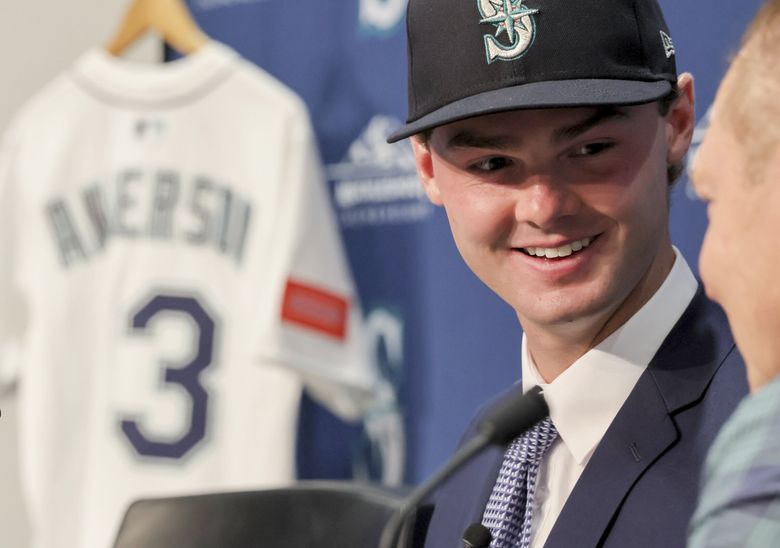
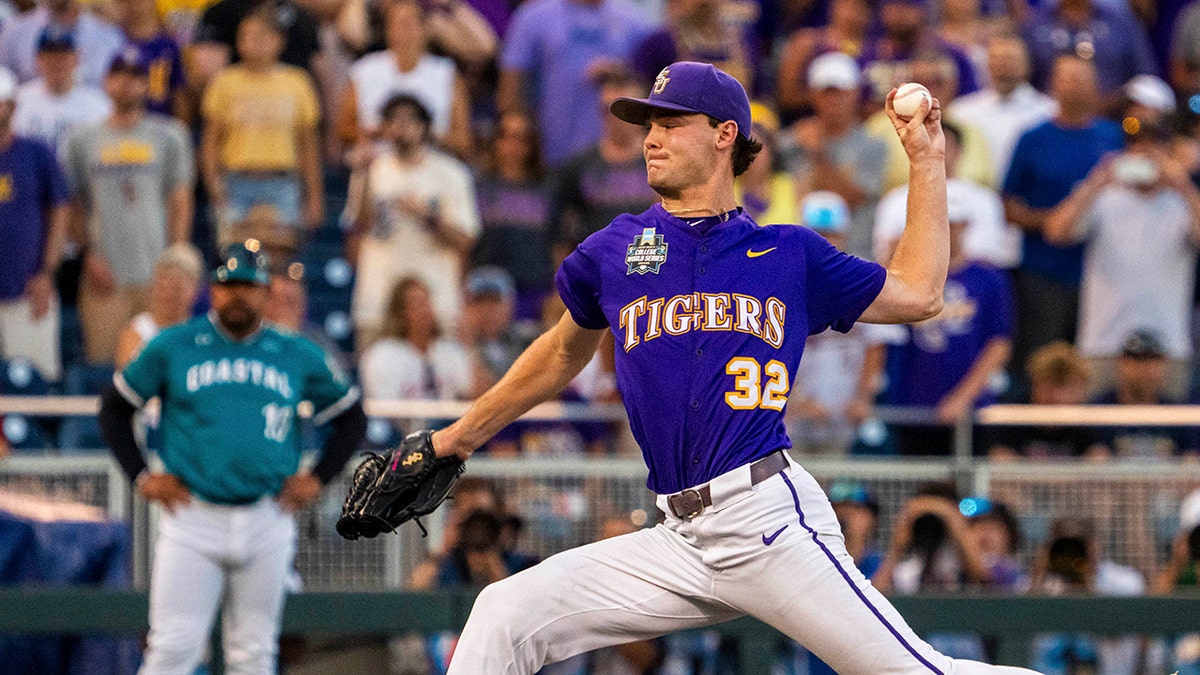
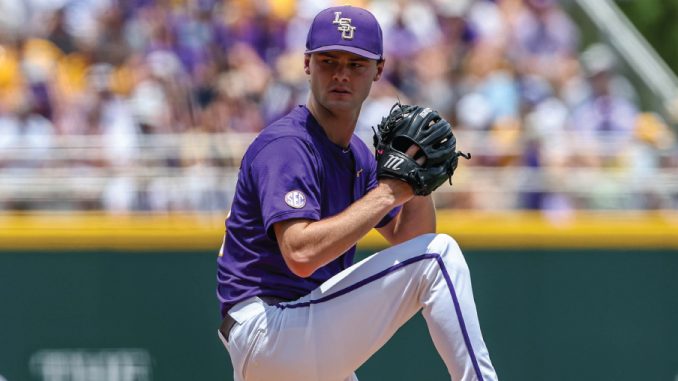
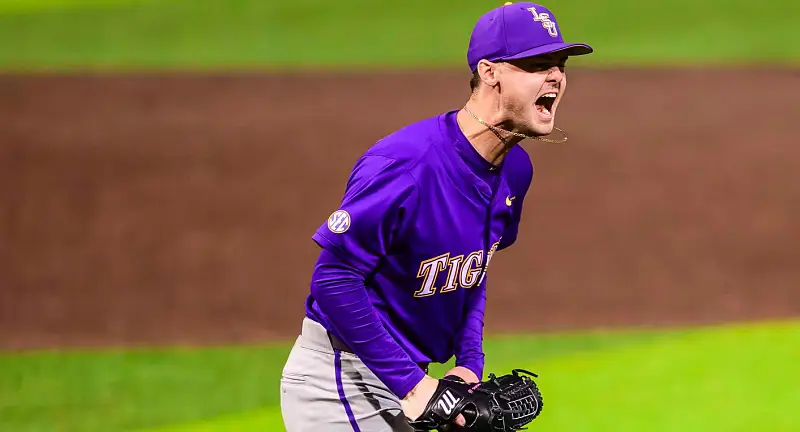
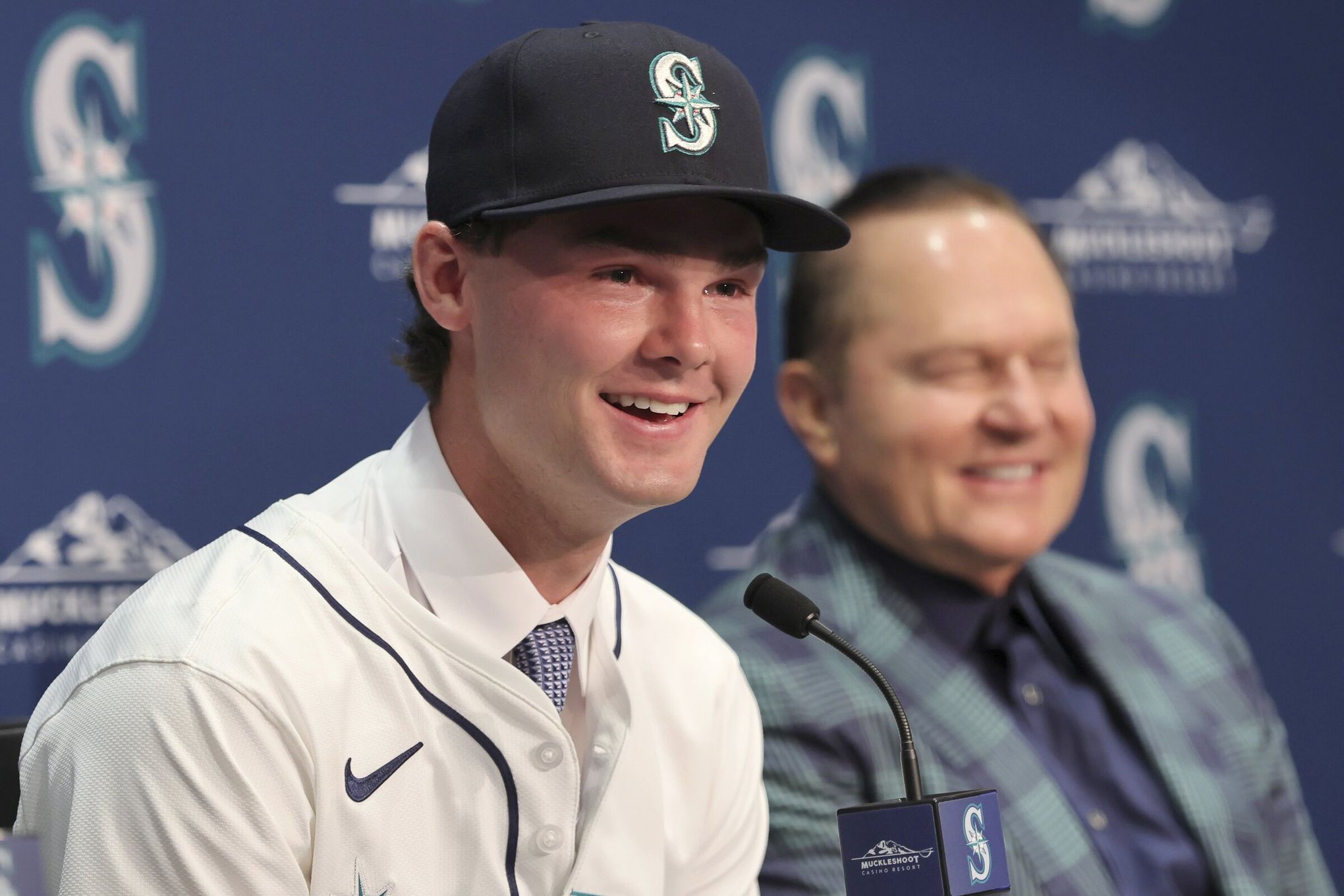
One such proposal recently caught the attention of fans and analysts alike. Bleacher Report’s Kerry Miller outlined a hypothetical trade scenario that would send Donovan and Romero to the Seattle Mariners in exchange for elite pitching prospect Kade Anderson. While purely speculative, the idea has sparked widespread discussion due to the potential implications for both franchises.

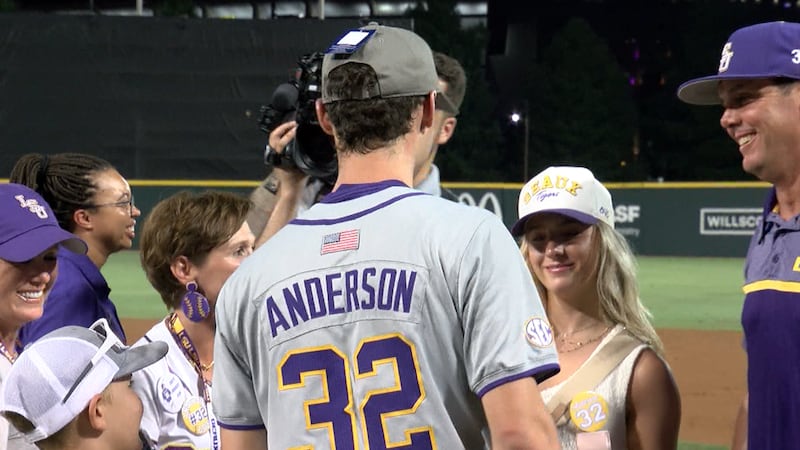
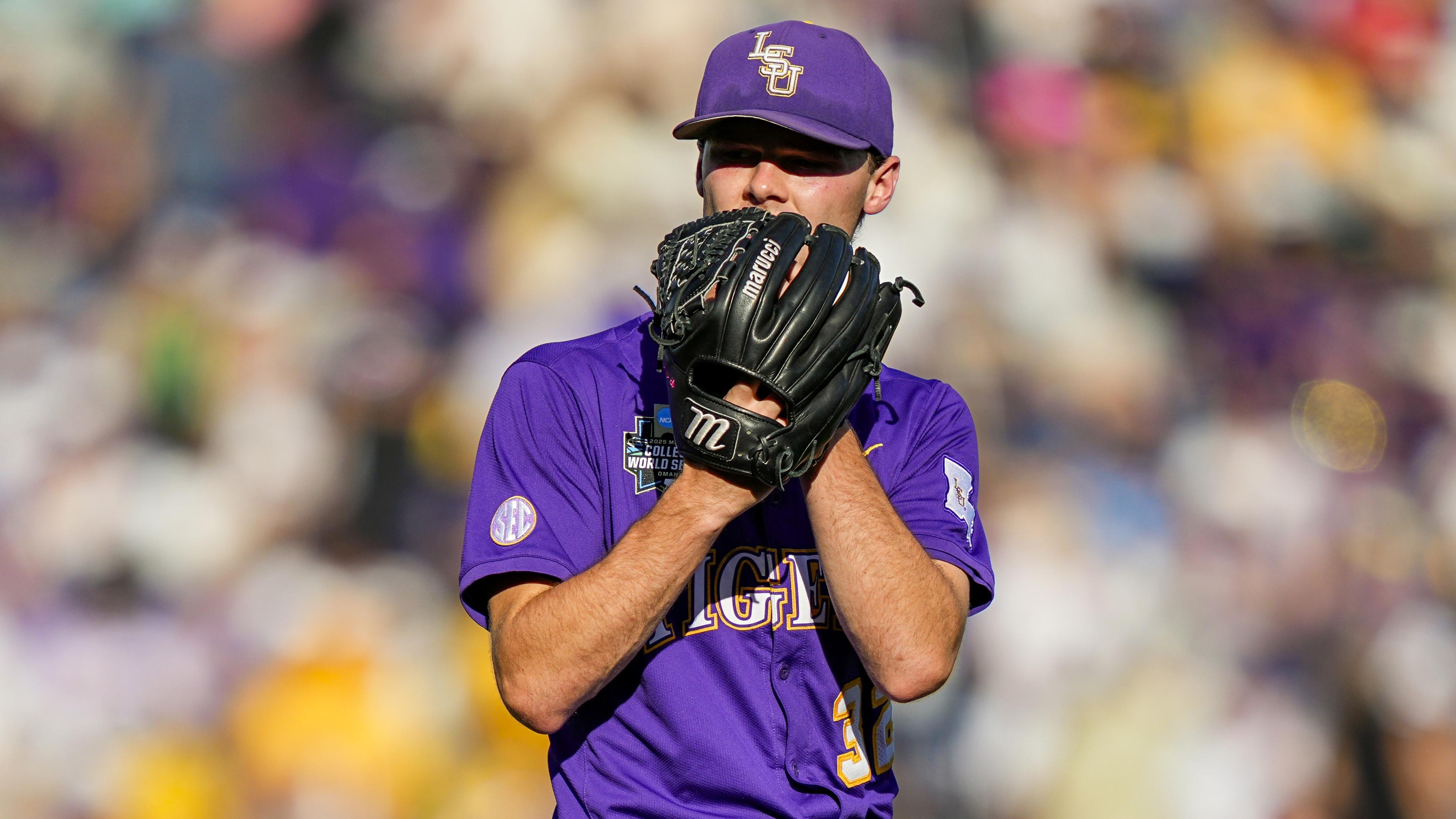
Anderson is widely regarded as one of the most talented young pitchers in baseball. Selected with the No. 3 overall pick in the 2025 MLB Draft, he entered professional baseball with sky-high expectations. Many scouts viewed him as the top pitching talent in his draft class, praising his advanced command, electric stuff, and the maturity of his approach on the mound.
In Miller’s analysis, the trade aligns well with the needs of both teams. He referenced a recent piece by fellow Bleacher Report writer Zach Rymer, who compiled offseason wish lists for every MLB club. For the Mariners, the priorities were clear: an everyday infielder who could stabilize the lineup and additional bullpen depth to support a pitching-heavy roster.
From that perspective, a Donovan and Romero package makes considerable sense. Donovan could immediately step into an everyday role, filling the void left by Jorge Polanco, who departed Seattle after signing with the New York Mets earlier in the offseason. Donovan’s positional flexibility would also give the Mariners more lineup options, something they have valued highly in recent years.
Romero, meanwhile, would bolster the back end of Seattle’s bullpen. The Mariners have built their recent success around elite pitching, and adding a proven left-handed reliever would only strengthen that foundation. Romero’s ability to neutralize tough hitters in critical moments would be particularly valuable in tight divisional races.

The real question, as Miller noted, is whether Seattle would be willing to part with such a prized asset as Anderson. Giving up the No. 3 overall pick from a recent draft—especially one viewed as a potential frontline starter—is not a decision any organization takes lightly. However, the Mariners are entering a competitive window where immediate upgrades at the major league level could make a meaningful difference.
For St. Louis, the upside of acquiring Anderson would be enormous. The Cardinals have long prided themselves on pitching development, and adding a talent of Anderson’s caliber could reshape the trajectory of their farm system. He represents the type of high-ceiling arm that organizations build rotations around for a decade or more.
The potential pairing of Anderson with Liam Doyle, whom the Cardinals selected just two picks later in the same 2025 draft, is particularly intriguing. Doyle, while slightly less heralded, is also viewed as a high-upside pitcher with strong development potential. Together, the two could form the foundation of a dominant pitching pipeline that fuels St. Louis’ next competitive core.
This type of move would reflect a philosophical shift for the Cardinals. Historically, the franchise has balanced competitiveness with development, rarely committing fully to either a rebuild or an all-in push. Trading proven major league contributors like Donovan and Romero for a single elite prospect would signal a stronger commitment to long-term upside than fans are accustomed to seeing.
Still, such a strategy is not without risk. Prospects, no matter how talented, are never guaranteed to succeed at the major league level. Injuries, developmental setbacks, and the unpredictability of professional baseball all introduce uncertainty. Moving reliable contributors for future potential can be a tough sell, especially to a fanbase accustomed to consistent competitiveness.
However, the Cardinals’ recent actions suggest a front office increasingly willing to embrace that risk. By clearing payroll, accumulating prospects, and targeting elite young talent, St. Louis appears focused on building a sustainable contender rather than chasing marginal short-term gains.
From Seattle’s perspective, the trade would represent a different kind of gamble. Giving up Anderson would hurt their long-term pitching depth, but the Mariners may feel confident in their ability to develop arms internally. In exchange, they would gain immediate help at two positions of need, potentially pushing them closer to postseason success.
Ultimately, whether this specific trade ever materializes remains to be seen. Front offices often explore countless scenarios that never come to fruition. Still, the fact that such a deal is even being discussed highlights the Cardinals’ willingness to think big and challenge conventional roster-building norms.
If St. Louis were able to land a prospect like Kade Anderson, it could prove to be a franchise-altering moment. Pitching has always been the backbone of successful teams, and securing a potential ace at the start of his professional journey would give the Cardinals a cornerstone around which to build for years to come.
As the offseason continues and trade talks evolve, one thing is clear: the Cardinals are not standing still. Whether through this hypothetical deal or another bold move, the organization seems determined to redefine its future—and fans should be prepared for more surprises along the way.