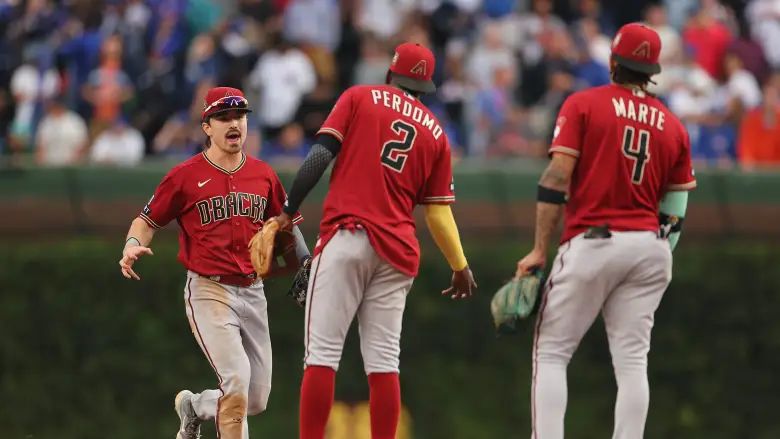
The Arizona Diamondbacks did not acquire Nolan Arenado simply because the numbers aligned, a contract could be balanced, or leverage forced a decision. They landed him because, from Arenado’s own perspective, the choice barely felt like a choice at all. In his words, agreeing to the trade was a “no-brainer.”
Earlier this month, Arenado exercised his authority under a full no-trade clause and approved a deal that sent him from the St. Louis Cardinals to Arizona. The move marked a sharp contrast to a moment just over a year earlier, when Arenado declined to waive that same clause and blocked a potential trade to the Houston Astros. On the surface, both situations involved contending teams, significant financial considerations, and a veteran star nearing the later stages of his career. But according to Arenado, the similarities ended there.

Speaking recently on the baseball podcast Foul Territory, Arenado explained that the two decisions were fundamentally different. While Houston’s winning reputation and recent success made the choice difficult to explain publicly, the internal factors guiding his thinking could not have been more distinct. One situation felt uncertain and complicated. The other felt obvious.
For Arenado, Arizona represented far more than a baseball destination. It checked personal, professional, and emotional boxes that Houston, at that specific moment in time, simply did not. The Diamondbacks offered familiarity, stability, and a roster construction that aligned with where Arenado sees himself heading as both a player and a person. Houston, meanwhile, raised enough unanswered questions—about direction, timing, and family impact—to make him hesitate.
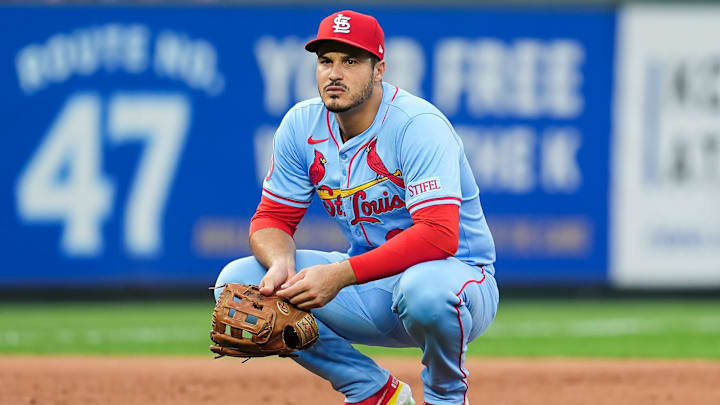
Those differences, Arenado insists, are the entire story.
Why Arizona Was an Easy Decision
When Arenado was asked why he agreed so quickly to a trade to Arizona, his answer had little to do with market size, championships, or external narratives. Instead, he pointed first to something far simpler: home.
Arenado grew up in Orange County, California, a short flight from Phoenix. Over the years, his family has developed deep roots in Arizona, making the state feel familiar rather than foreign. For a player who has already experienced multiple relocations throughout his career, that sense of geographic comfort carried real weight.
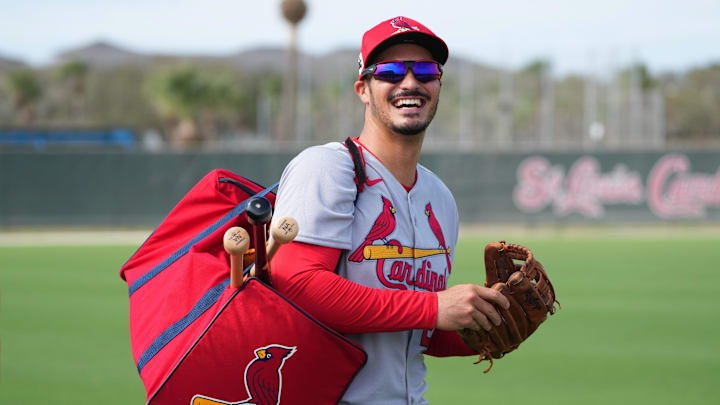
“I’m from Orange County, so it’s easy,” Arenado said. “I’ve got family in Arizona, and I really like this team.”
That proximity matters more than fans often realize. For veteran players with families, decisions are no longer just about ballparks and payrolls. They are about schools, travel schedules, support systems, and quality of life. Arizona offered Arenado a situation where baseball did not have to come at the expense of personal stability.
But geography alone was not enough to seal the deal. Arenado was clear that while comfort opened the door, the Diamondbacks’ on-field makeup is what convinced him to walk through it.

Over the past few seasons, Arizona has quietly built a roster defined by youth, athleticism, and competitiveness. The Diamondbacks play fast, aggressive baseball, leaning on a young core that has already tasted postseason success. That energy stood out to Arenado, particularly after what he described as a frustrating and draining 2025 campaign in St. Louis.
“They’re a good team, they play hard and they’re young,” Arenado said. “Being around good, young, hungry players helps me stay young.”
For a player entering his mid-30s, that environment matters. Arenado is acutely aware of where he is in his career. He knows the margin for error is smaller than it once was, and he understands that motivation and surroundings can make the difference between decline and resurgence. Arizona, in his mind, offered a chance to be energized rather than burdened.

That opportunity feels especially important given the struggles Arenado endured last season. In 2025, he experienced one of the least productive years of his otherwise decorated career. Injuries limited him to 107 games, and mechanical inconsistencies disrupted his timing at the plate. The results were stark by his standards: just 12 home runs and a career-low .666 OPS.
For a player accustomed to All-Star selections, Gold Gloves, and MVP conversations, the season was humbling. But Arenado does not see it as a final chapter. He views it as an interruption—one he believes can be corrected with the right adjustments and support.
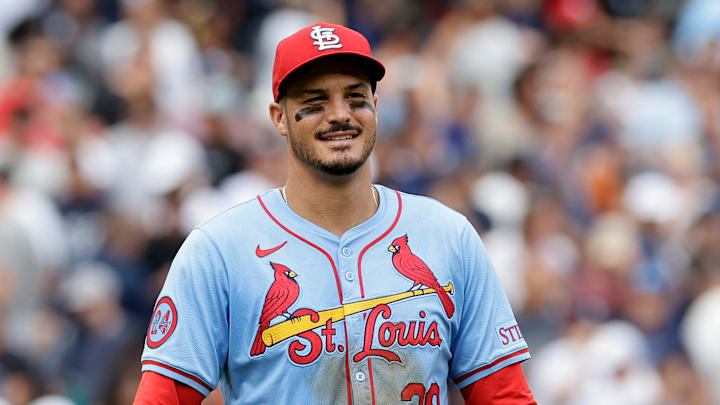
Since joining the Diamondbacks, Arenado has already begun working closely with Arizona’s hitting coaches. He has spoken optimistically about mechanical tweaks and approach changes that he believes will “pay dividends” over time. Rather than entering a new organization as a fading star, Arenado is approaching the move as a reset.
Financially, the deal also made sense. St. Louis agreed to cover $31 million of the $42 million remaining on Arenado’s contract, easing the burden on Arizona while allowing the Diamondbacks to add a premier defender and experienced presence without sacrificing long-term flexibility. For both clubs, the trade represented alignment. For Arenado, it represented clarity.

Why Houston Was a Much Harder Call
If Arizona felt simple, Houston felt anything but.
Arenado was careful—and deliberate—when addressing his decision to block a trade to the Astros in December 2024. He emphasized repeatedly that the choice was not rooted in disdain or disrespect. In fact, he went out of his way to praise the organization.
“I have the utmost respect for Houston,” Arenado said. “I’ve said this so many times.”
Given the Astros’ recent history of success, including multiple deep postseason runs and a reputation as one of baseball’s most consistent contenders, many assumed Arenado’s hesitation stemmed from something personal or emotional. But he insists the explanation is more nuanced.

At the time the potential deal was discussed, Houston was in a period of transition. The departures of cornerstone players like Kyle Tucker and Alex Bregman signaled a shift in the organization’s trajectory. While the Astros remained competitive, the long-term direction was less clear than it had been in previous seasons.
For Arenado, those uncertainties mattered. With a no-trade clause granting him full control, he felt obligated to look beyond the immediate competitive outlook and consider what the move would mean over several years—not just for him, but for his family.
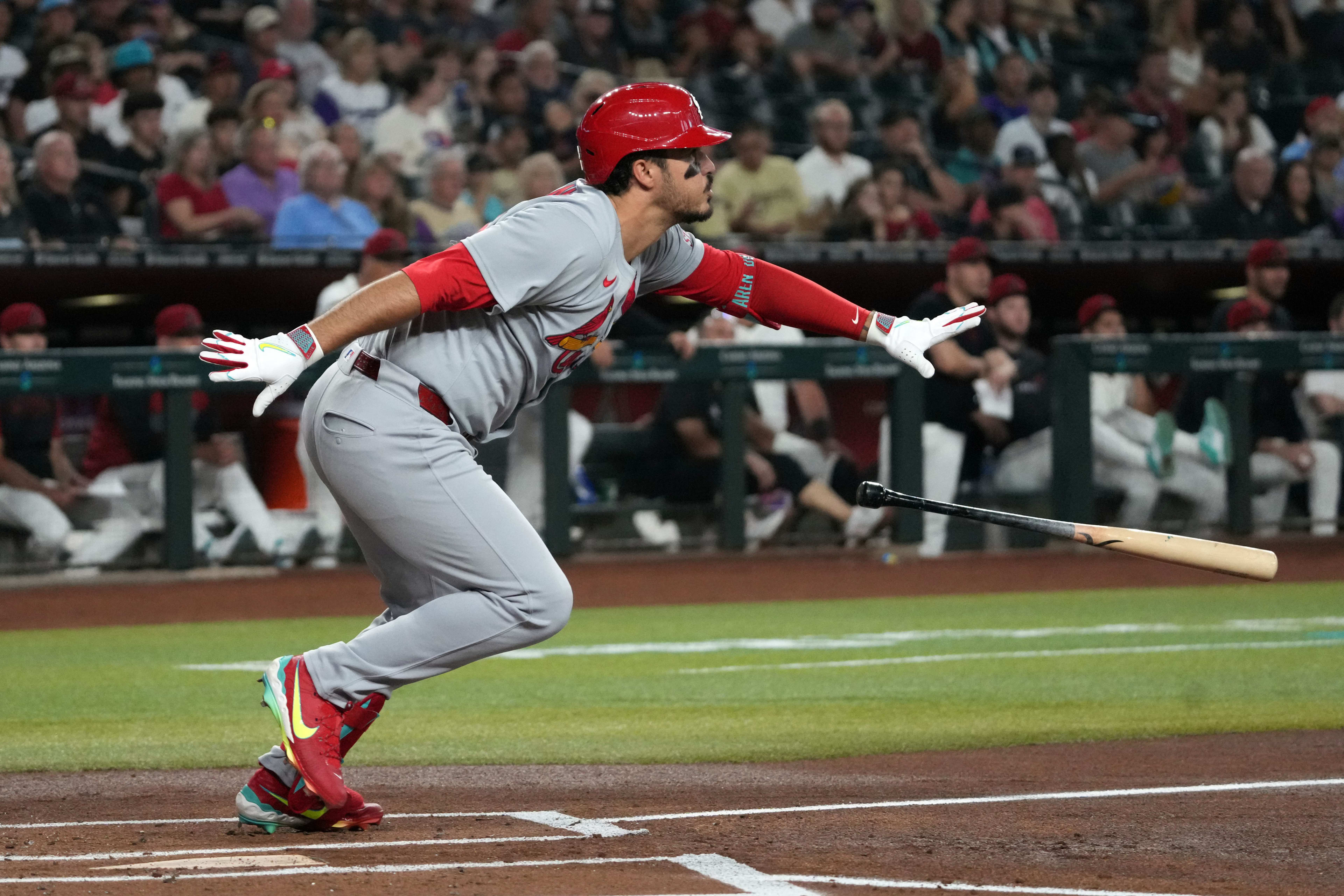
“There were a lot of things that I was just a little hesitant about at the time,” Arenado admitted.
That hesitation was not about winning now versus winning later. It was about timing, fit, and stability. Arenado framed the decision as deeply personal rather than strictly professional, noting that his responsibilities extend beyond the clubhouse.
“I have a family, and I have to make decisions for it,” he said. “It wasn’t an easy one, but it was the one I went with.”
Those words underscore a reality often overlooked in trade discourse. For players with no-trade protection, the clause is not merely a negotiating tool—it is a safeguard. Arenado viewed his clause as a responsibility to weigh every variable carefully, especially when relocation could disrupt his family’s routine.
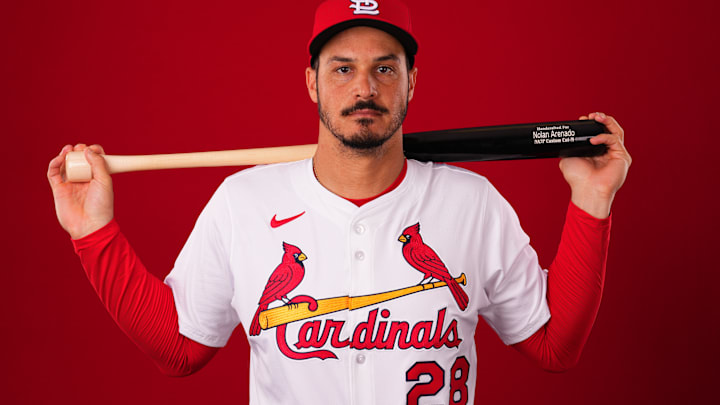
In hindsight, he acknowledges that the Houston decision was difficult and that he understood how it might be perceived externally. But he remains comfortable with the choice, believing it was the right one given the information and circumstances at the time.
Now, with the trade to Arizona complete, Arenado enters the 2026 season with a sense of renewal. He is in a familiar region, surrounded by family, and embedded in a clubhouse filled with players he believes can push him forward rather than pull him back.
The Diamondbacks did not just acquire his glove, his bat, or his resume. They acquired a veteran motivated to prove that his recent struggles do not define him. Arenado has made it clear that he does not see Arizona as a retirement stop or a quiet ending. He sees it as an opportunity to turn the page.
In many ways, that perspective explains why the decision felt so easy. The Diamondbacks were not simply the team that made an offer. They were the team that aligned with where Arenado is in his life, his career, and his mindset.
And that, more than contracts or leverage, is why Nolan Arenado said yes.