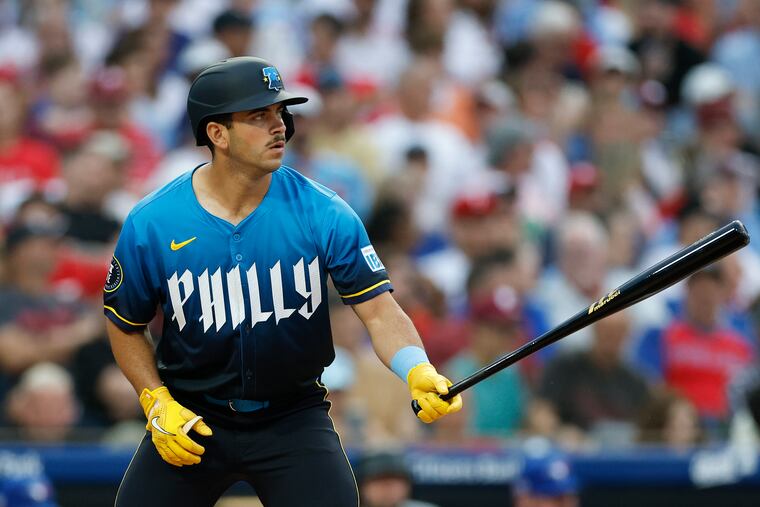
The Philadelphia Phillies are entering the 2026 season with an eye toward integrating some of their younger talent into the major league roster, and one player who stands out in this group is Otto Kemp. After showing flashes of promise last season, Kemp is poised to take the next step in his development as he enters his second full year with the organization. Phillies manager Rob Thomson has expressed optimism about Kemp’s potential to contribute significantly to the team, particularly as a versatile player capable of filling multiple positions on the field. As spring training approaches, Kemp will have the chance to solidify his role and prove that he belongs at the major league level on a consistent basis.
Kemp’s 2025 season was a mix of minor and major league action. He spent part of the year with the Phillies’ Triple-A affiliate, the Lehigh Valley IronPigs, while also appearing in games for the major league club. In total, Kemp played 62 games with the Phillies last season, during which he recorded eight home runs, 28 runs batted in, and posted a batting line of .234/.298/.411, which translated into a .709 on-base plus slugging (OPS). These numbers indicate that while Kemp’s offensive production had room for growth, he demonstrated enough talent to remain in the organization’s plans. Looking ahead to 2026, the expectation is that Kemp will make the Phillies’ Opening Day roster, a significant milestone in his career that reflects the organization’s belief in his potential.
While Kemp’s versatility is one of his strengths, it also shapes the opportunities available to him. With the Phillies’ roster projected to be relatively healthy, the team has limited openings, particularly in the outfield. Manager Rob Thomson has indicated that Kemp will likely fit into a platoon role in left field, taking advantage of his right-handed swing. Platooning in baseball involves splitting playing time between two players, typically based on matchup advantages such as which pitcher is on the mound, and it has become an increasingly common strategy to maximize offensive production. In Kemp’s case, this arrangement would allow him to see consistent playing time while the Phillies manage their roster depth effectively.
Kemp’s role with the team in 2026 is expected to be more prominent than it was in his debut season. Thomson recently highlighted that one key difference between last year’s roster and this year’s is that Kemp will be starting the season with the major league club. This is a notable development, considering that Kemp did not make his MLB debut until June 7, 2025, nearly two months into the season. The fact that he will now begin the year with the Phillies underscores the team’s confidence in his ability to contribute immediately and reflects his growth over the past year.
An area of focus for Kemp this spring will be honing his skills in the outfield. According to Thomson, Kemp played relatively few games in left field last season—just 11—compared to 31 games at third base, 17 at first base, and two at second base. This indicates that while he has experience at multiple positions, the Phillies see outfield play as his primary path to consistent major league playing time. Thomson mentioned that spring training will allow Kemp to work on playing the corner outfield positions, with some additional infield practice at third base, second base, and potentially first base. “Really, focus on the outfield more than anything else,” Thomson noted, emphasizing the team’s goal of turning Kemp into a reliable outfielder while maintaining his infield versatility as a secondary asset.
The Phillies’ outfield depth entering spring training is somewhat limited, which further enhances Kemp’s opportunity to make an impact. Brandon Marsh, Adolis García, and prospect Justin Crawford are projected to be the team’s primary options in the outfield to start the season. Johan Rojas is also in the mix, while Gabriel Rincones Jr. could potentially make the roster depending on his spring training performance. With this landscape, Kemp has a chance to carve out a meaningful role, particularly if he can establish himself as a dependable left-handed matchup option in the corner outfield. Thomson has expressed a preference for an outfield rotation, suggesting that Kemp could see regular playing time if he performs well and earns the manager’s trust. Additionally, Kemp’s ability to play first and third base provides the Phillies with an insurance policy should injuries arise among key players such as Bryce Harper or Alec Bohm.
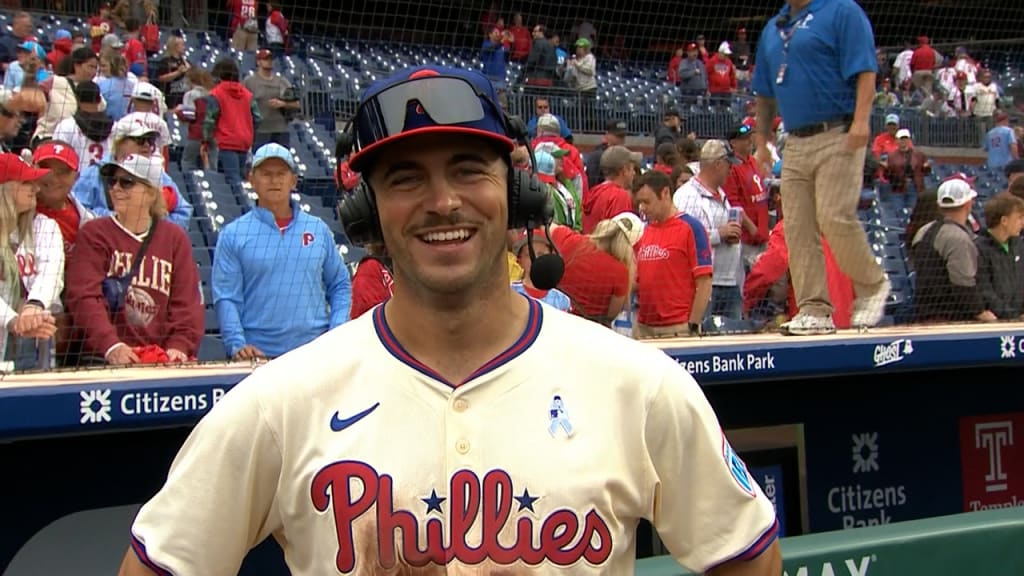
Beyond positional considerations, Kemp’s performance and availability have been shaped by injuries. Last season, he played through physical challenges that limited his effectiveness at times. This offseason, Kemp underwent two procedures to address lingering issues in his left knee and shoulder. Specifically, he had a bone fragment removed from his knee—a problem that began in June 2025—and received a cleanup procedure on his left shoulder. Reflecting on these injuries, Kemp acknowledged that they had some impact on his performance but noted that playing through minor physical ailments is a common experience for major league players. He expressed optimism about entering the 2026 season fully healthy and ready to compete. “I’m excited to see where this year goes being fully healthy and being 100 percent coming out of spring training and hopefully staying that way throughout the year,” Kemp said, highlighting both his determination and his confidence in his ability to contribute at a high level.
Kemp’s experience last season, combined with his health coming into 2026, creates an ideal environment for growth. Spring training will be a critical period for him to demonstrate his readiness and earn a consistent role on the roster. While he already showed flashes of offensive potential with his eight home runs and 28 RBIs, improving his consistency at the plate will be crucial for him to maximize his playing time. Likewise, developing his defensive skills in the outfield will enhance his value to the team and increase the Phillies’ flexibility when managing injuries, matchups, and game situations throughout the season.
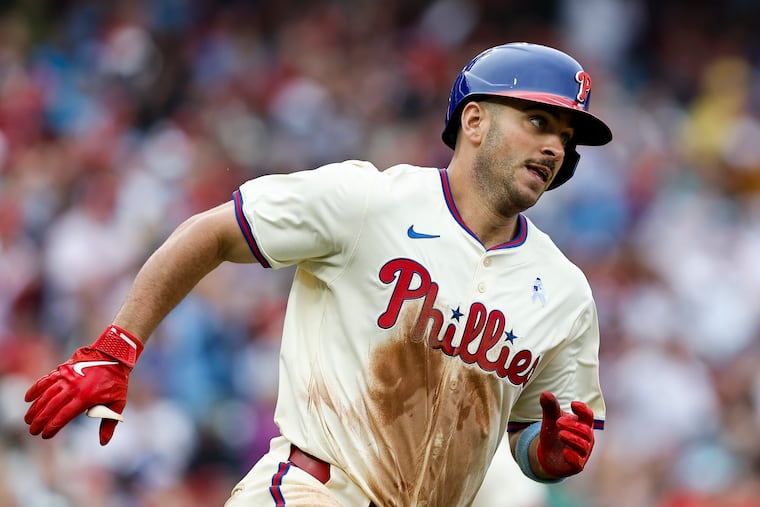
Kemp’s journey reflects a broader trend in baseball, where younger players are increasingly expected to contribute early and adapt to multiple roles on the field. Utility players like Kemp are highly valued for their versatility, as they allow teams to navigate the long and grueling 162-game season with a more flexible roster. In Kemp’s case, his ability to play multiple infield positions in addition to left field makes him a strategic asset, particularly for a team like the Phillies that may encounter injuries or need to optimize matchups against opposing pitchers. By establishing himself as a reliable contributor, Kemp can solidify his role not only for the upcoming season but also as a long-term member of the organization.
The anticipation surrounding Kemp is further fueled by the opportunity presented by a relatively thin outfield roster. With primary outfielders Marsh, García, and Crawford expected to start the season in key roles, and with Rojas and Rincones Jr. also competing for playing time, Kemp has a realistic chance to carve out a niche for himself. Spring training will serve as the proving ground, offering Kemp the chance to impress coaches and teammates alike with both his offensive production and defensive capabilities. Strong performance in these games could not only secure a spot on the Opening Day roster but also establish him as a trusted option in a rotation that prioritizes flexibility and matchups.
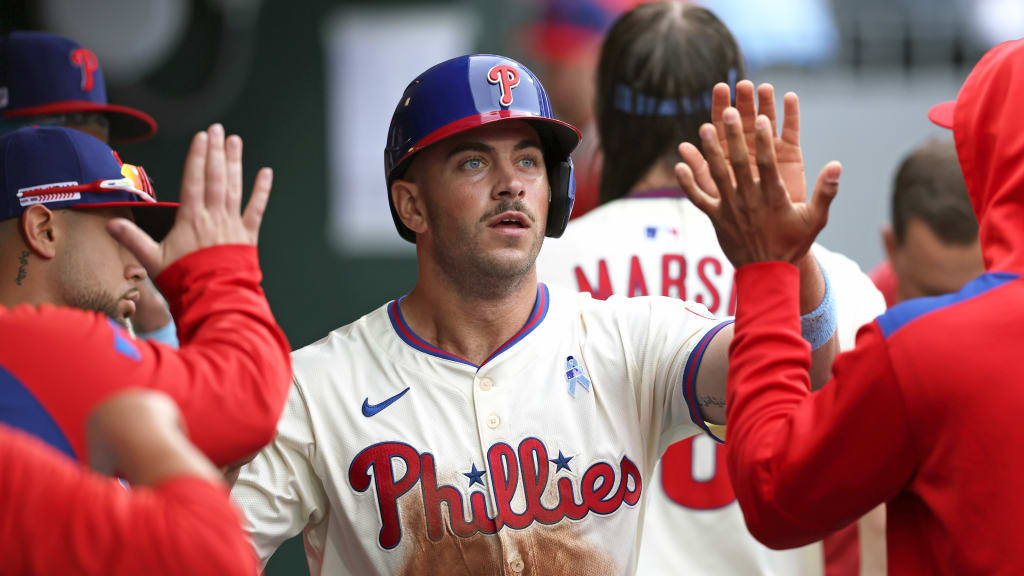
Manager Rob Thomson’s approach to Kemp reflects a blend of strategic planning and recognition of the player’s potential. By emphasizing outfield work while maintaining some infield practice, Thomson is signaling that the Phillies view Kemp as a long-term solution in multiple areas, rather than pigeonholing him into a single role. This approach allows Kemp to leverage his versatility while focusing on the position that offers the clearest path to consistent playing time. It also provides the team with a valuable tool for navigating injuries, pitching matchups, and other in-season challenges that inevitably arise over the course of a long major league campaign.
In addition to his positional versatility, Kemp’s offensive potential remains a key factor in his value to the Phillies. While his batting line last season indicates room for improvement, the combination of power and situational hitting displayed in his 62 games suggests that Kemp has the tools to become a more consistent offensive contributor. As a right-handed hitter, he also fits well into potential platoon arrangements, where he could face left-handed pitchers more frequently to maximize his impact. If Kemp can refine his approach at the plate, improve his consistency, and stay healthy, he could emerge as a meaningful contributor both in the outfield and at the plate.
Kemp’s journey is also emblematic of the challenges and opportunities faced by young players in professional baseball. Transitioning from minor league success to major league consistency is a demanding process that tests both skill and mental resilience. Kemp’s experience splitting time between Triple-A Lehigh Valley and the Phillies in 2025 provided him with exposure to the highest level of competition, while also giving him a chance to identify areas for improvement. As he enters his second season, he brings both experience and a renewed focus on health and preparation, which could translate into more consistent performance and increased playing time.
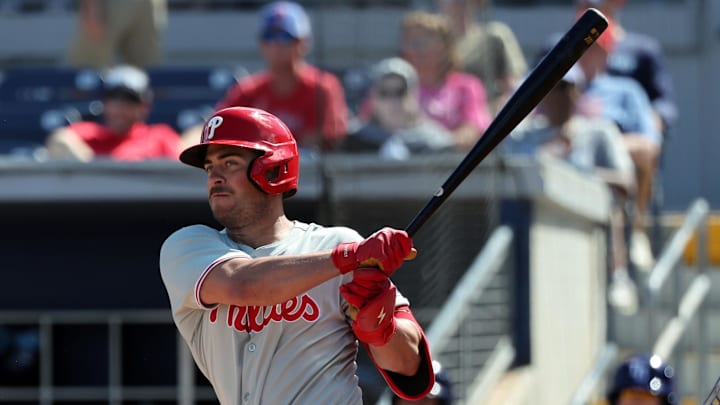
Looking ahead to the 2026 season, Kemp is certainly a player to watch. His combination of versatility, developing offensive skills, and renewed health position him to potentially exceed expectations and establish himself as a key contributor for the Phillies. While the team has other young outfielders competing for roles, Kemp’s experience, right-handed hitting, and ability to play multiple positions give him a strategic advantage. How he performs in spring training will likely determine the extent of his role to start the season, but the foundation is in place for Kemp to make a meaningful impact both immediately and over the long term.
In conclusion, Otto Kemp represents a compelling blend of potential, versatility, and determination for the Philadelphia Phillies as they head into the 2026 season. After a rookie campaign that involved splitting time between Triple-A and the major leagues, Kemp enters his second year with the opportunity to secure a consistent role on the roster. With a focus on outfield play during spring training, combined with his ability to fill in at multiple infield positions, Kemp has the chance to establish himself as a valuable contributor. Coupled with a full offseason of recovery from injuries and a renewed focus on preparation, Kemp’s second year in the majors could see him not only meet but potentially exceed expectations. As the season unfolds, fans and analysts alike will be watching to see how Kemp capitalizes on his opportunities, develops his skills, and solidifies his place with the Phillies, making him one of the more intriguing young players to follow in 2026.