The St. Louis Cardinals have taken a decisive and calculated approach this offseason, making a series of moves that clearly signal a shift in organizational priorities. Rather than clinging to established veterans and short-term competitiveness, the franchise has leaned into long-term planning, roster flexibility, and financial prudence. Through a number of notable trades and transactions, the Cardinals have begun reshaping both their major-league roster and their farm system, setting the stage for a new chapter in the organization’s future.
Among the most significant steps taken by St. Louis was the decision to part ways with several recognizable names. Veterans such as Sonny Gray, Nolan Arenado, and Willson Contreras were all moved in deals designed to accomplish two main goals: strengthening the club’s prospect pipeline and easing the strain on the team’s payroll. Each of these players carried substantial value, both in terms of on-field production and financial commitment, and the Cardinals used that value strategically to acquire younger talent and increase flexibility moving forward.
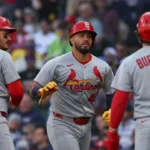
While those transactions were notable on their own, none matched the magnitude or impact of the blockbuster trade involving All-Star infielder Brendan Donovan. In what ultimately became the defining move of the Cardinals’ offseason, Donovan was sent to the Seattle Mariners as part of a complex three-team deal that also included the Tampa Bay Rays. The scope of the trade, along with the quality of talent exchanged, made it one of the most talked-about transactions of the winter.
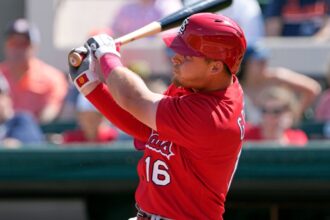
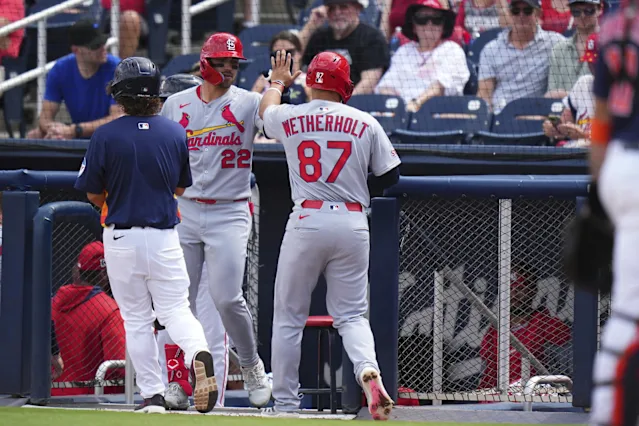
Brendan Donovan’s departure was not an easy decision for St. Louis. Over the past few seasons, Donovan had established himself as one of the most reliable and adaptable players on the Cardinals’ roster. His ability to play multiple positions at a high level, combined with his disciplined approach at the plate, made him a valuable asset in nearly any lineup configuration. Donovan’s versatility allowed managers to move him around the diamond as needed, providing defensive stability while maintaining consistent offensive production.
Given his skill set and team-friendly profile, Donovan was the type of player many organizations would prefer to build around rather than trade away. However, the Cardinals recognized that his value on the trade market was at its peak. By leveraging that value, St. Louis positioned itself to address broader organizational needs, particularly in terms of pitching depth and future upside.
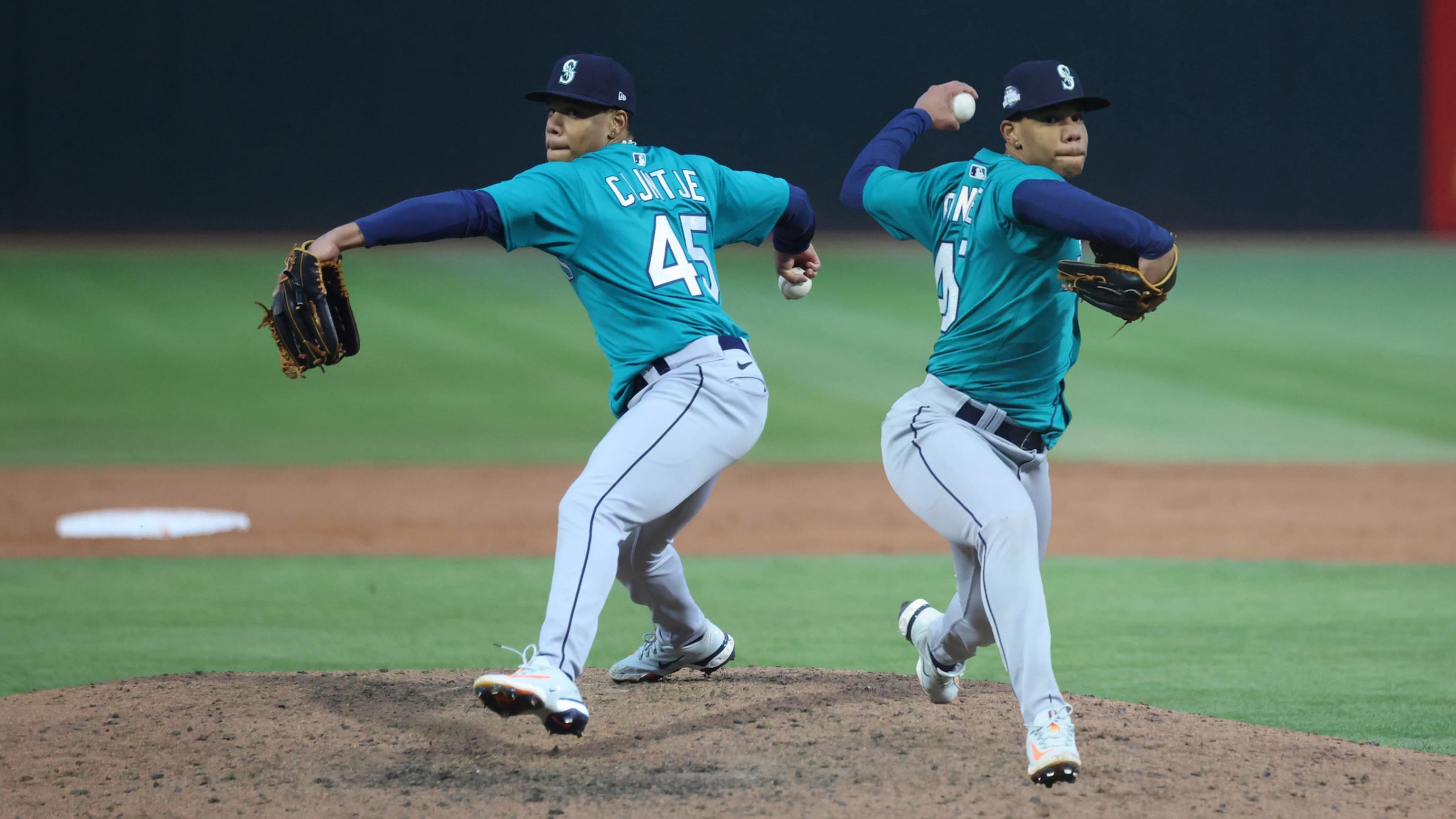
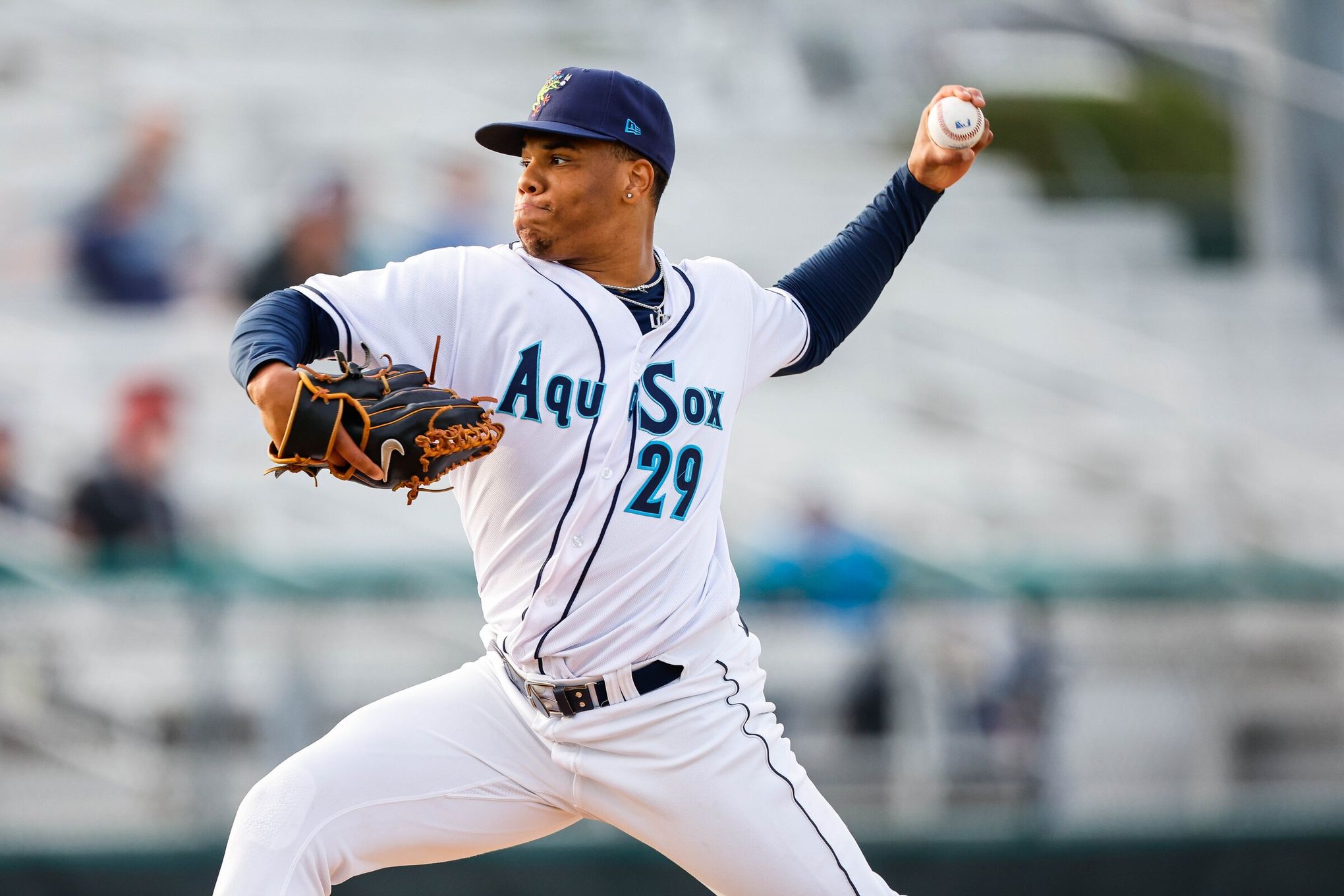
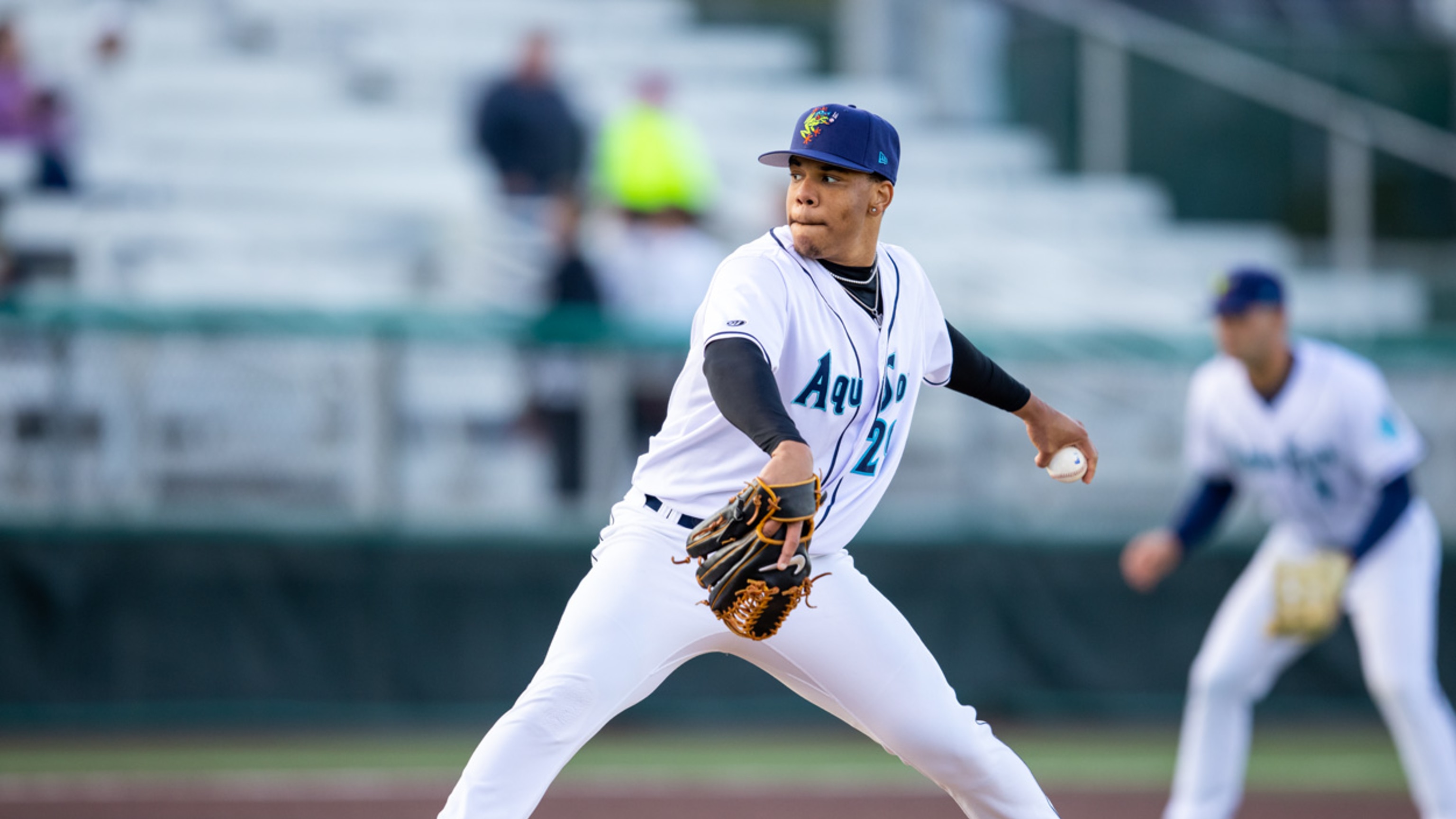
Although losing a player of Donovan’s caliber naturally stings, the Cardinals can take solace in the return they received. The three-team trade delivered a substantial package of young talent, headlined by pitching prospect Jurrangelo Cijntje, who has quickly emerged as one of the most intriguing names acquired this offseason. The overall haul reflected a thoughtful balancing act: sacrificing a proven major-league contributor in exchange for multiple high-ceiling prospects who could shape the franchise for years to come.
The quality of the return did not go unnoticed around the league. Bleacher Report’s Joel Reuter recently highlighted Cijntje as one of the most impressive prospects to change organizations this offseason, ranking him as the sixth-best prospect moved in any trade during the winter. Such recognition underscores just how impactful the Donovan trade could become for St. Louis if Cijntje and the other acquired players reach their potential.
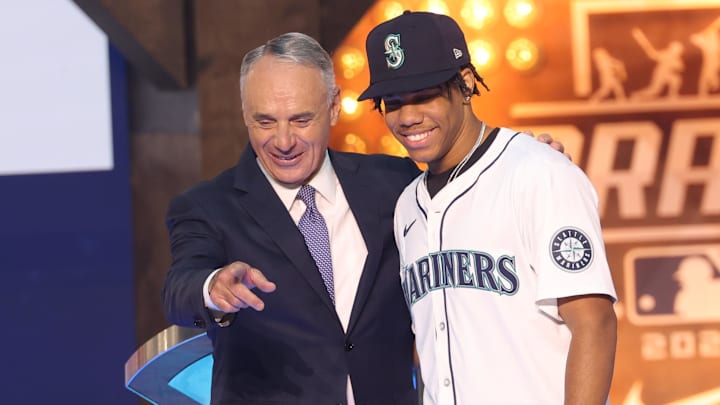
Cijntje, in particular, stands out due to his unique background and skill set. Originally drafted as a switch-pitcher—a rarity in modern baseball—he gained widespread attention during his amateur career at Mississippi State, where he demonstrated the ability to pitch effectively with both arms. This uncommon talent made him one of the most fascinating players in his draft class and helped elevate his profile leading up to the 2024 MLB Draft, where he was selected 15th overall.
However, as Cijntje progresses closer to the major leagues, his development path has become more clearly defined. According to Reuter, the Cardinals have decided that Cijntje will focus exclusively on pitching from the right side moving forward, beginning this spring. While the switch-pitching element of his game was eye-catching, many evaluators believed all along that specializing with one arm would ultimately give him the best chance to succeed at the highest level.
Reuter emphasized that this decision should not be viewed as a step backward in Cijntje’s development. In fact, the expectation that he would eventually abandon switch-pitching existed even when he was drafted in the middle of the first round. The move to concentrate solely on right-handed pitching does nothing to diminish his status as a top-tier prospect. Instead, it allows him to refine his mechanics, improve consistency, and accelerate his path toward the major leagues.
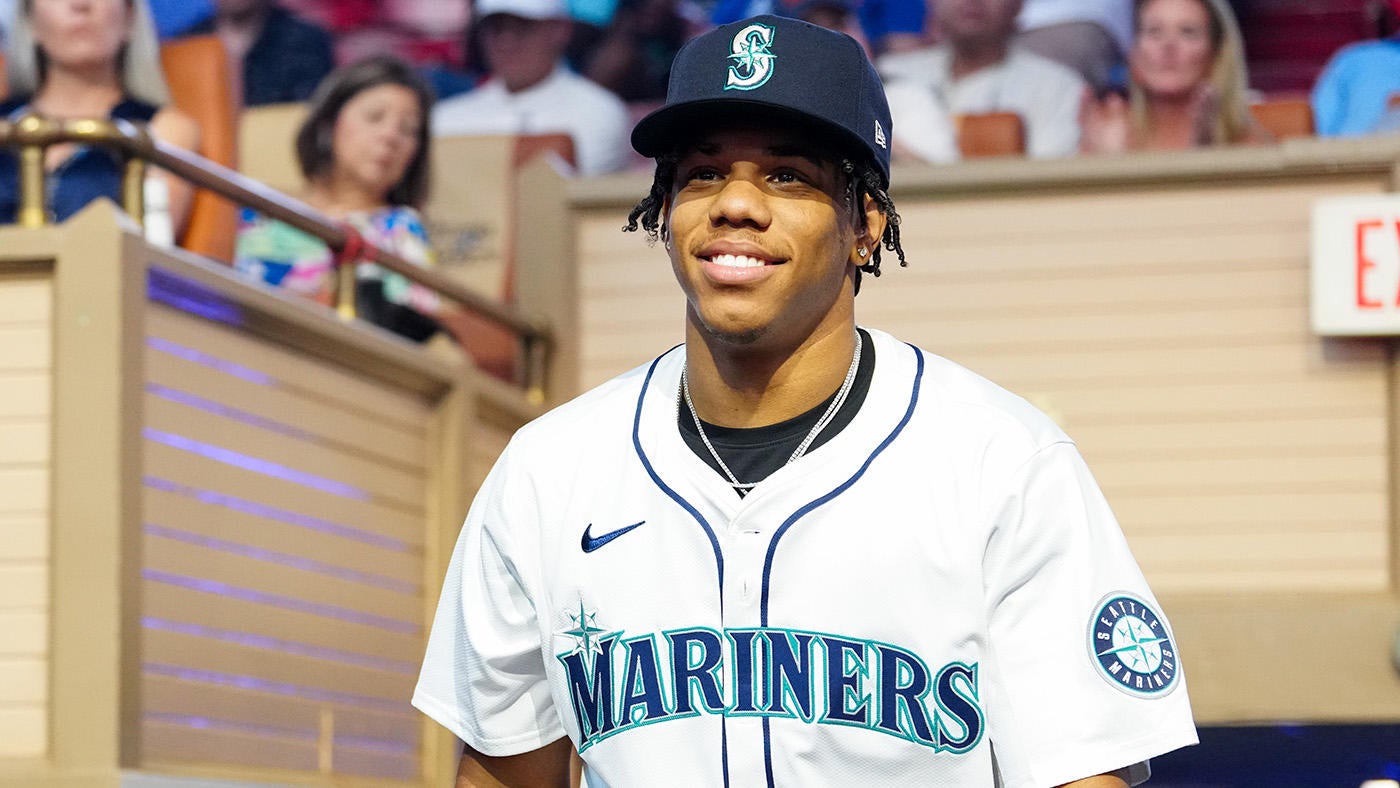
Even without the novelty of switch-pitching, Cijntje remains one of the most compelling young arms in baseball. His right-handed fastball has reached velocities close to triple digits, giving him a powerful foundation to work from. Velocity alone, however, is not what makes him special. Cijntje has also shown impressive command, routinely throwing strikes and demonstrating an ability to locate multiple pitches within the zone. This combination of power and control is exactly what organizations look for when projecting future frontline starters or high-leverage relievers.
While some fans may lament the loss of the “wow factor” that came with seeing a pitcher throw from both sides, the reality is that focusing on his dominant arm likely enhances Cijntje’s long-term outlook. Development staffs across baseball tend to prioritize efficiency, repeatability, and health, all of which are easier to achieve when a pitcher concentrates on one delivery rather than splitting focus between two.

From the Cardinals’ perspective, acquiring a pitcher like Cijntje represents a major step forward in rebuilding their pitching depth. St. Louis has long been known for developing arms internally, but recent seasons exposed gaps in both quality and quantity within their system. By adding a prospect with Cijntje’s upside, the organization injects new life into its developmental pipeline and gives itself another potential cornerstone for the future rotation.
It is important to acknowledge that the Cardinals were unlikely to receive the single biggest return imaginable for Brendan Donovan. While Donovan is an excellent player, he is not a perennial MVP candidate, nor does he possess the kind of star power that typically commands franchise-altering packages. That said, St. Louis maximized the value they could reasonably expect by targeting multiple prospects with legitimate star potential rather than settling for safer, lower-upside pieces.
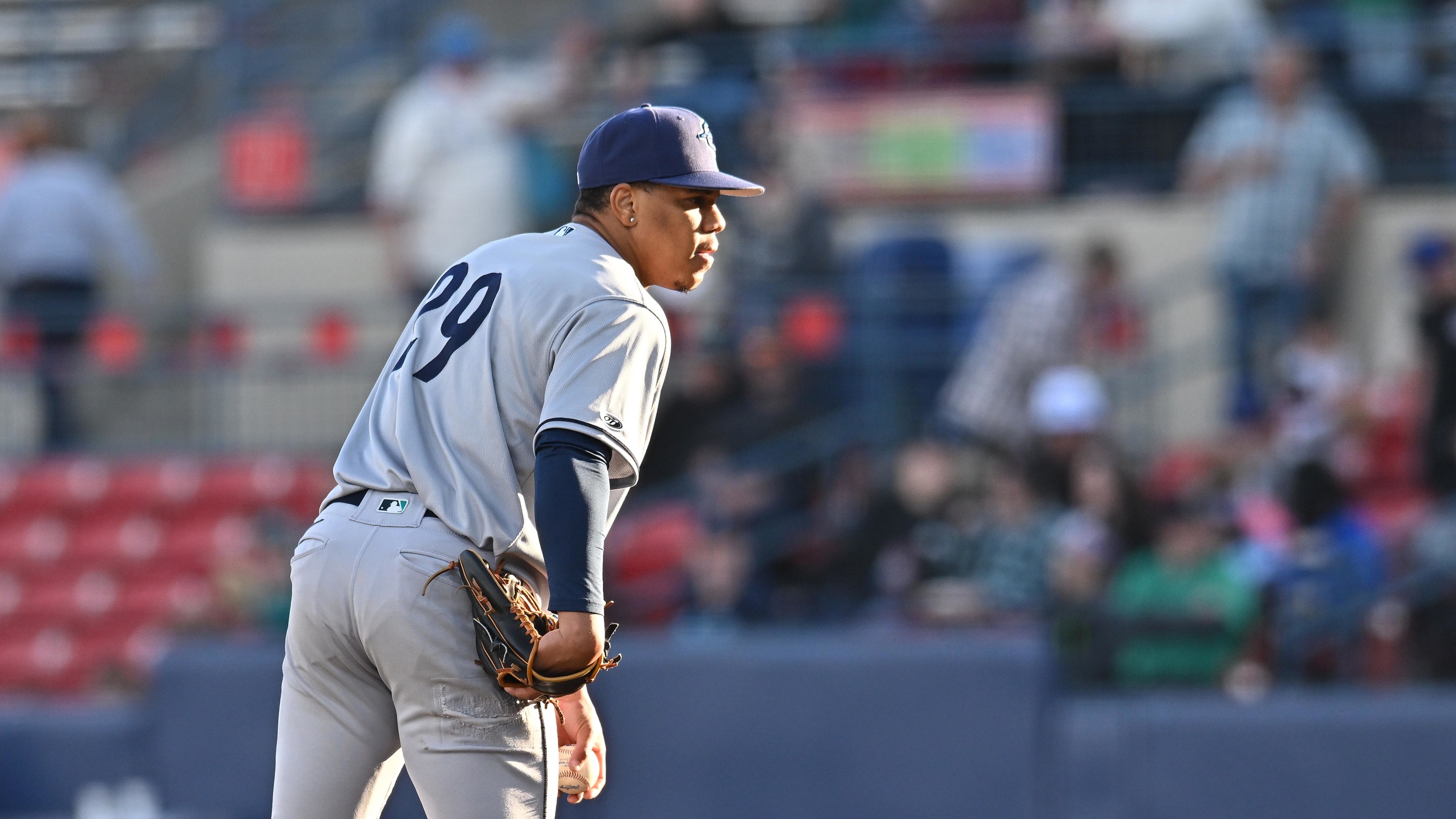
Cijntje was not the only promising player included in the trade, but he is clearly the centerpiece. His presence elevates the entire deal and gives Cardinals fans a tangible reason to be optimistic about the future. Pitching prospects always carry risk, but Cijntje’s combination of athleticism, velocity, command, and pedigree makes him one of the more exciting arms to watch in the minors this season.
In the broader context of the Cardinals’ offseason strategy, the Donovan trade fits neatly into a clear and cohesive plan. St. Louis has chosen to reset rather than patch holes, prioritizing sustainability over short-term gains. By shedding salary, acquiring prospects, and embracing development, the organization is positioning itself to reemerge as a contender with a younger, more dynamic core.

While the immediate loss of Brendan Donovan will undoubtedly be felt on the field, especially given his versatility and leadership, the long-term benefits of the trade could far outweigh the short-term pain. If Jurrangelo Cijntje continues on his current trajectory and reaches his ceiling, the Cardinals may ultimately look back on this deal as a turning point in their rebuild.
As the 2026 season approaches, all eyes will be on Cijntje and his progress within the Cardinals’ system. His performance, health, and development will play a significant role in determining how this blockbuster trade is remembered. For now, one thing is clear: St. Louis made a bold decision, and in doing so, may have secured a potential star who could anchor their pitching staff for years to come.