Cardinals Enter 2026 Prepared for Battle With a Full 40-Man Roster
The St. Louis Cardinals appear to have finally turned the page toward stability as they prepare for the 2026 Major League Baseball season. After months of roster shuffling, trade negotiations, and organizational soul-searching, the franchise has reached a significant milestone: a completely filled 40-man roster. This development signals that the Cardinals’ front office, now under the leadership of president of baseball operations Chaim Bloom, is beginning to solidify its vision for the immediate future.
The final puzzle piece, at least for now, came when the Cardinals reportedly claimed third baseman Bryan Ramos off waivers from the Baltimore Orioles. The move followed a busy offseason that included several trades and the notable departure of utility man Brendan Donovan, whose exit opened a crucial roster spot. With Ramos now in the fold, St. Louis has officially reached the maximum capacity on its 40-man roster—a symbolic and practical checkpoint as spring training approaches.
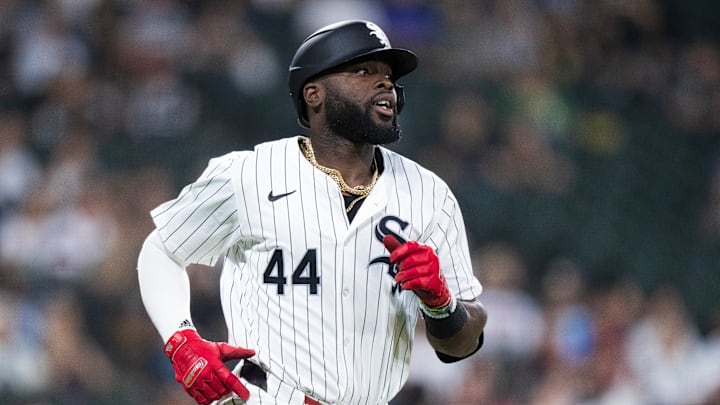
While the move itself may not generate blockbuster headlines, it fits squarely into the Cardinals’ broader strategy: low-risk acquisitions with upside, particularly players who are still young enough to rediscover their form under a new developmental environment.
Chaim Bloom’s Calculated Roster Management
Bloom’s early tenure in St. Louis has been defined by pragmatism rather than flash. Instead of pursuing expensive free agents or short-term fixes, the Cardinals have focused on reshaping the roster through trades, waiver claims, and internal evaluations. Claiming Ramos reflects that approach. It costs the team nothing but a roster spot and offers a chance to rehabilitate a player who was once considered a cornerstone prospect.

By filling the 40-man roster now, Bloom has effectively drawn a line in the sand. Any further additions—whether through free agency or trade—will require subtraction elsewhere. This puts pressure on the front office to be deliberate with its next moves, especially as the team evaluates which players truly fit into its long-term plans.
One possibility that remains on the table is the signing of a veteran outfielder, such as Randal Grichuk. However, bringing in an external bat would necessitate removing someone from the roster, a decision that becomes more complicated with Ramos’ unique situation.
Bryan Ramos: A Once-Promising Prospect at a Crossroads
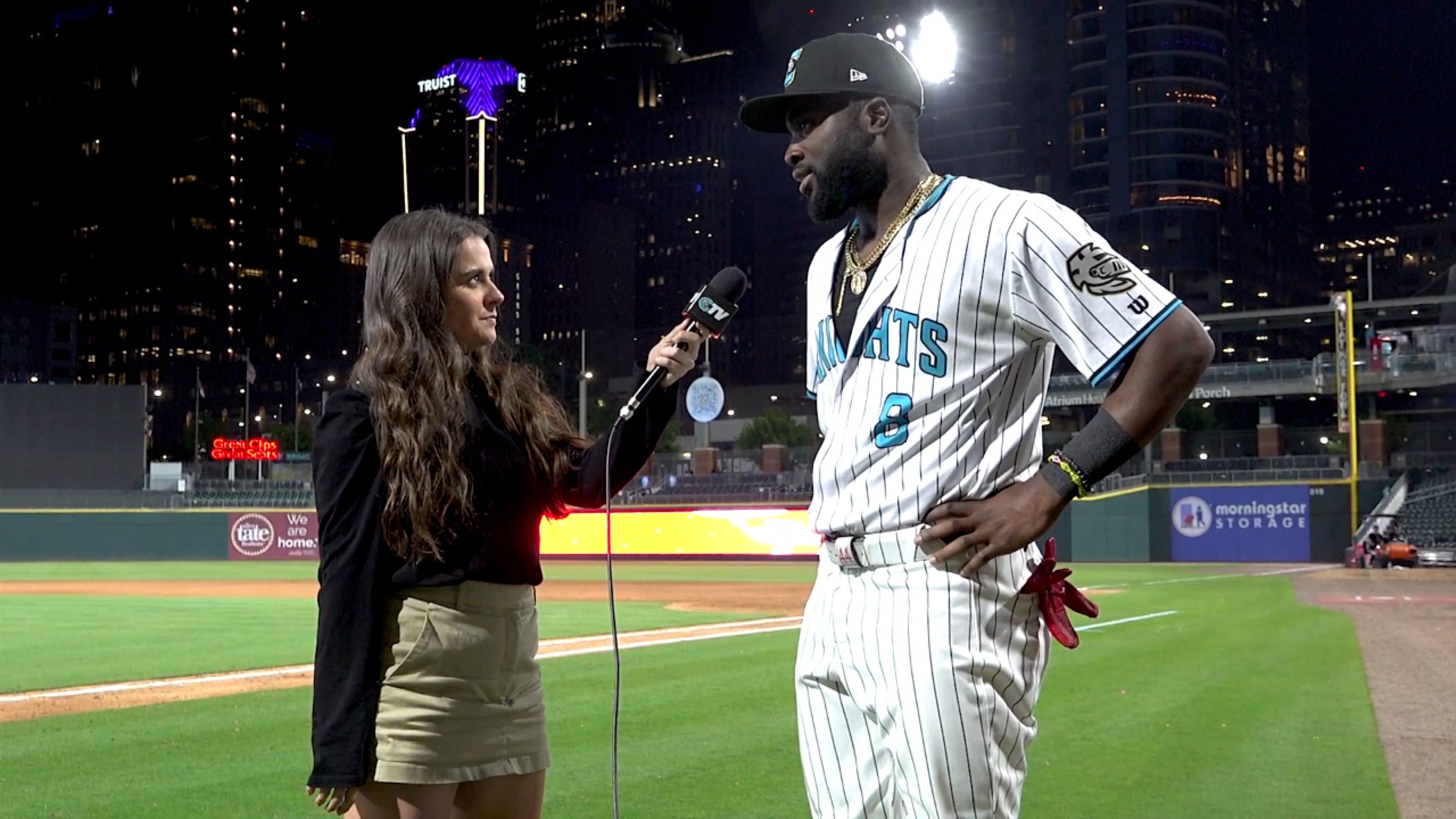
Ramos is a fascinating addition precisely because of his uneven career trajectory. Once a highly regarded prospect in the Chicago White Sox organization, Ramos reached as high as No. 3 in their system in 2023. At that point, he was viewed as a potential everyday third baseman with power upside and defensive competence at the hot corner.
However, the last two seasons have been sobering. Ramos spent parts of the 2024 and 2025 seasons in the majors with the White Sox, struggling mightily at the plate. In 111 major-league at-bats across those stints, he hit just .198, though his slugging percentage (.577) suggests that when he did connect, the ball traveled a long way.
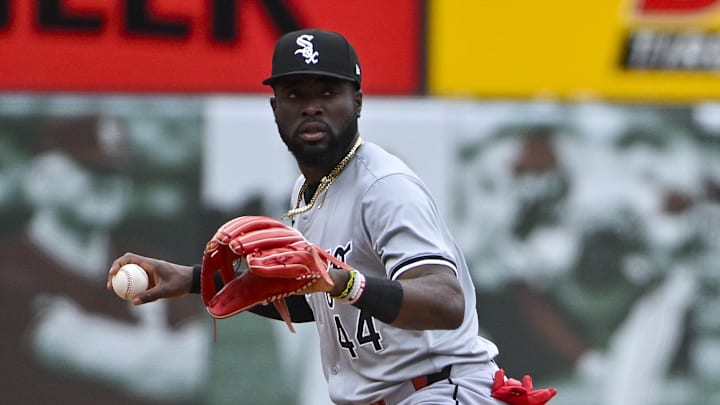
His performance in the upper minors offered little reassurance. Across Double-A and Triple-A over the past two seasons, Ramos managed only a .228 batting average, a far cry from the production expected of a top-tier prospect. The decline led the White Sox—and eventually the Orioles—to move on, opening the door for the Cardinals to take a chance.
Out of Options and Out of Time
One of the most significant factors shaping Ramos’ future in St. Louis is his lack of minor league options. Because he has exhausted them, the Cardinals cannot simply send him to the minors if he struggles. Any attempt to demote Ramos would require exposing him to waivers, where another team could claim him.
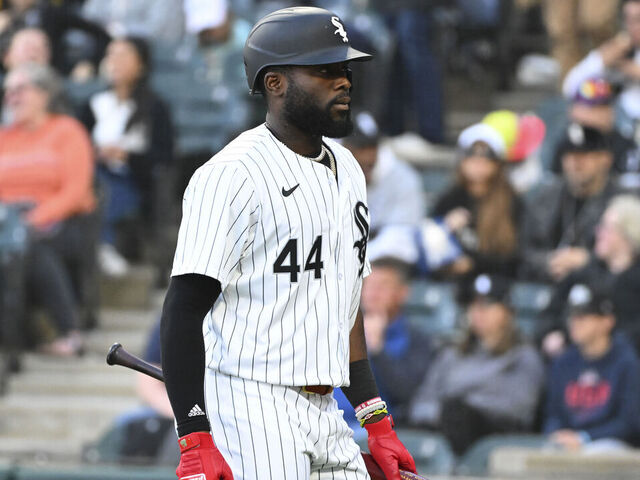
This reality almost guarantees that Ramos will open the season on the Cardinals’ active roster, barring an unexpected trade or release. It also means that Bloom and the coaching staff must be confident that Ramos can contribute in some capacity—whether as a platoon player, bench bat, or injury replacement.
Given those constraints, Ramos is widely viewed as the final bench addition for now. That could change if Bloom opts to shake up the roster with a trade, particularly for outfield help, but the presence of Ramos makes it more likely that any such move would involve positional shuffling rather than a simple free-agent signing.
A Crowded Third Base Picture

Ramos’ arrival adds another layer of complexity to an already crowded situation at third base. The Cardinals now have multiple players who could reasonably lay claim to playing time at the position, including Nolan Gorman, JJ Wetherholt, Thomas Saggese, and Jose Fermin.
Each of these players brings something different to the table. Gorman offers power but has battled inconsistency. Wetherholt represents youth and upside. Fermin provides versatility and contact skills. Saggese, meanwhile, has emerged as a potential everyday contributor but lacks a clear defensive home.
To alleviate the logjam, the Cardinals have reportedly discussed moving Saggese to the outfield—an idea that has gained traction throughout the offseason. Such a shift would not only open up opportunities at third base but also help address the team’s broader need for positional flexibility.

Ramos, for his part, will likely be given every opportunity to prove he belongs in the mix. His defensive ability at third base remains solid, and if he can make even modest improvements at the plate, he could carve out a meaningful role.
Identifying the Root of Ramos’ Struggles
The reasons behind Ramos’ offensive regression are not a mystery. Scouts and analysts have consistently pointed to two major issues: an elevated chase rate and a high whiff rate, particularly against breaking pitches. As opposing pitchers adjusted, Ramos struggled to adapt, expanding the strike zone and falling behind in counts.
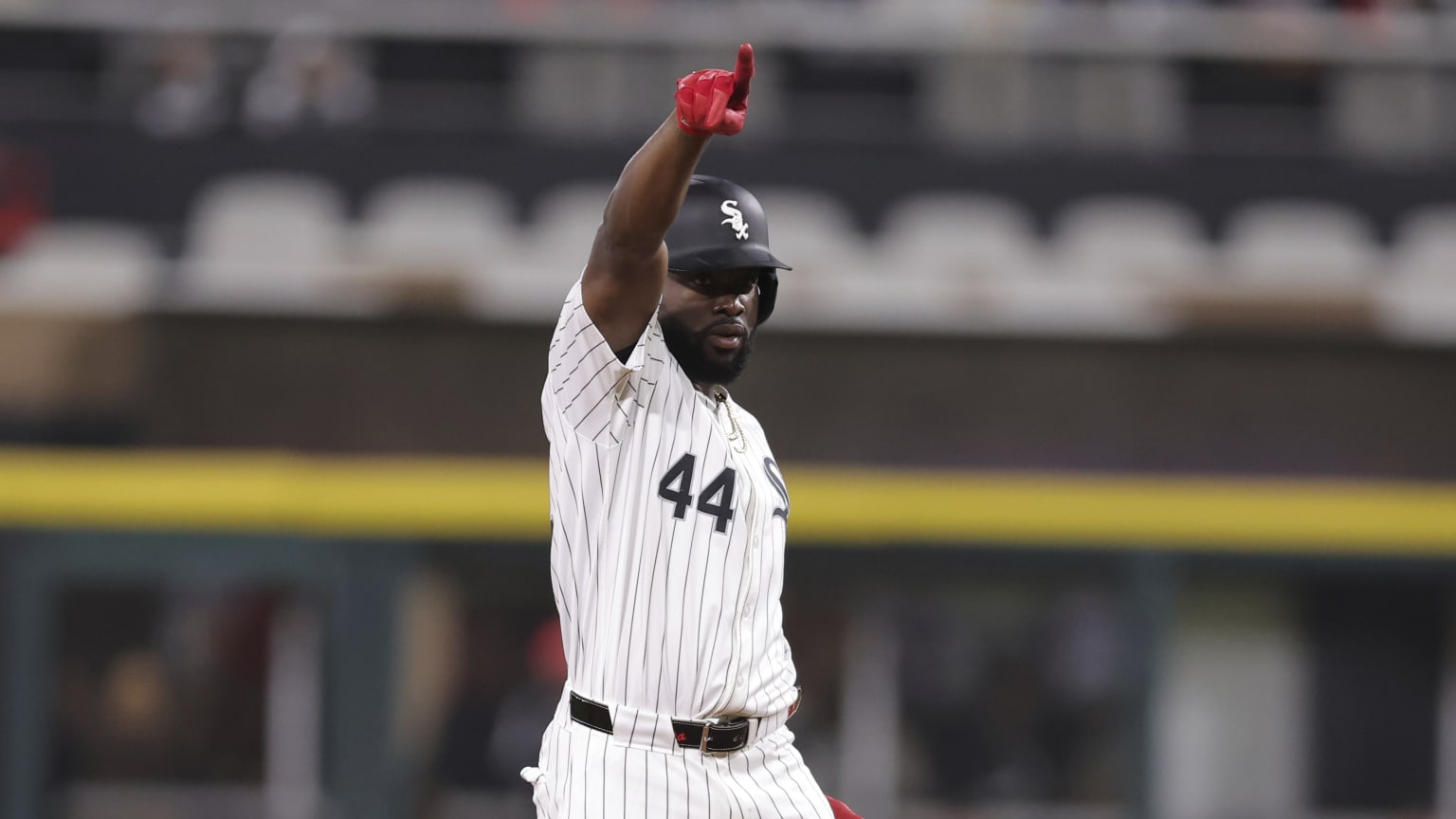
These flaws snowballed, eroding his confidence and limiting his effectiveness. What once looked like an aggressive but controlled approach devolved into inconsistency and frustration. For a young hitter, such struggles can quickly derail development.
The Cardinals are betting that a change of scenery—and a revamped coaching staff—can make a difference. St. Louis has invested heavily in modernizing its player development infrastructure, emphasizing swing decisions, pitch recognition, and individualized coaching plans. If Ramos is receptive, the organization believes there may still be untapped potential.
Opportunity in a Rebuilding Season

Perhaps the most encouraging aspect of Ramos’ situation is timing. The Cardinals are clearly in a transitional phase, prioritizing evaluation and growth over immediate contention. That environment creates space for players like Ramos to play through struggles without the pressure of a win-now mandate.
Ramos is expected to receive opportunities similar to those being afforded to Jordan Walker, another once-heralded talent whose star has dimmed in recent seasons. Both players share a common narrative: immense promise, followed by adversity, and now a chance at reinvention.
At just 24 years old on Opening Day, Ramos is far from a finished product. Many players do not find their footing in the majors until their mid-to-late twenties, particularly those who rely on power and need time to refine their approach.
Low Risk, High Potential Reward
From an organizational standpoint, the decision to claim Ramos is about as low-risk as it gets. The Cardinals did not surrender prospects, draft picks, or financial flexibility. If Ramos fails to adjust, the team can explore trade options or eventually risk waivers again. If he succeeds, however, the payoff could be substantial.
A productive Ramos would provide affordable depth at a premium infield position and potentially reestablish himself as a long-term piece of the roster. In a league where controllable talent is increasingly valuable, even incremental improvement could make the move worthwhile.
For now, the Cardinals have completed their roster, set the stage for competition, and embraced uncertainty. Whether Bryan Ramos becomes a footnote or a success story remains to be seen—but in a season defined by rebuilding and experimentation, he will almost certainly get his chance.