The St. Louis Cardinals’ offseason has been anything but encouraging from a fan perspective. For supporters hoping to see immediate reinforcements to a team that has struggled to regain its dominance, this past offseason has felt like a step backward rather than forward. With a new front-office leadership under Chaim Bloom, the Cardinals have made it clear that the organization is embarking on a full-scale rebuild, a process that inherently requires patience and, often, the painful departure of familiar faces. This approach, however, has left many fans frustrated, anxious, and uncertain about the near-term future of the franchise.
Over the course of the offseason, the Cardinals have made a series of moves that signal a sharp pivot away from the current big-league roster and toward long-term development. Nearly a fifth of the team’s major league roster has been traded away. Notable departures include catcher Willson Contreras and pitcher Sonny Gray, both sent to the Boston Red Sox; third baseman Nolan Arenado, who was traded to the Arizona Diamondbacks; and infielder Brendan Donovan, dealt to the Seattle Mariners. Each of these moves represents a significant loss of talent and experience. Contreras provided leadership behind the plate and was a consistent offensive contributor. Gray brought veteran presence to the pitching staff. Arenado, of course, has been a cornerstone of the franchise since his arrival, providing elite defense and steady offensive production. Donovan, meanwhile, had quickly become a fan favorite for his versatility and hustle. Their departures underscore the Cardinals’ commitment to rebuilding but also highlight the short-term cost of this strategy.
In exchange for these veterans, the Cardinals have acquired a collection of promising prospects. While these younger players represent the future of the franchise, they are unlikely to deliver immediate wins. The reality is that St. Louis has now moved into a transitional period that could last several years, a time frame that tests the patience of even the most loyal fans. Prospects come with high ceilings, but they also come with uncertainty; few can be counted on to step in and immediately fill the void left by All-Star-caliber players. For the Cardinals, this means accepting a season or more of growing pains before the fruits of this rebuilding effort may become apparent.
Adding to the challenge is the team’s minimal activity in the major league free-agent market. So far, the Cardinals have signed just two major league free agents: reliever Ryne Stanek and pitcher Dustin May. While both are competent additions, neither is a transformational signing that will immediately elevate the team into contention. The lack of aggressive moves to strengthen the major league roster has fueled criticism among fans, many of whom hoped to see the team at least partially bridge the gap between rebuilding and competitiveness. Instead, the roster feels unfinished, and questions about the team’s immediate potential abound.

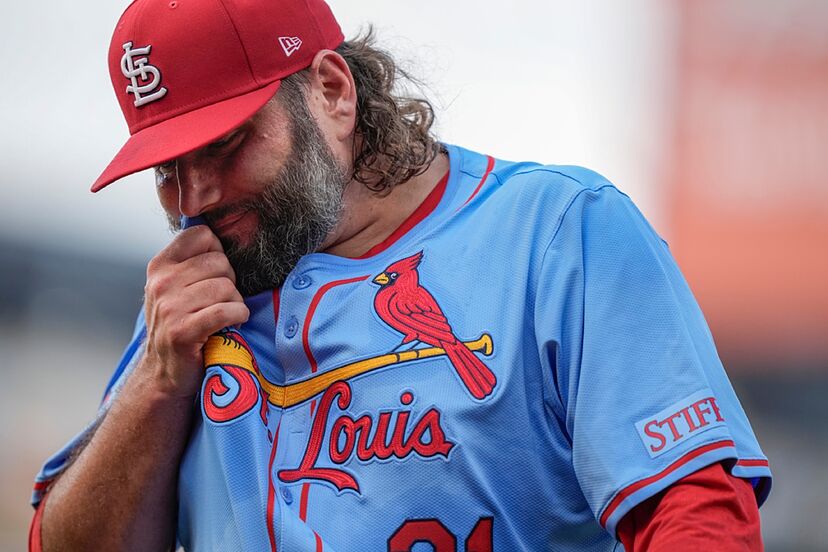
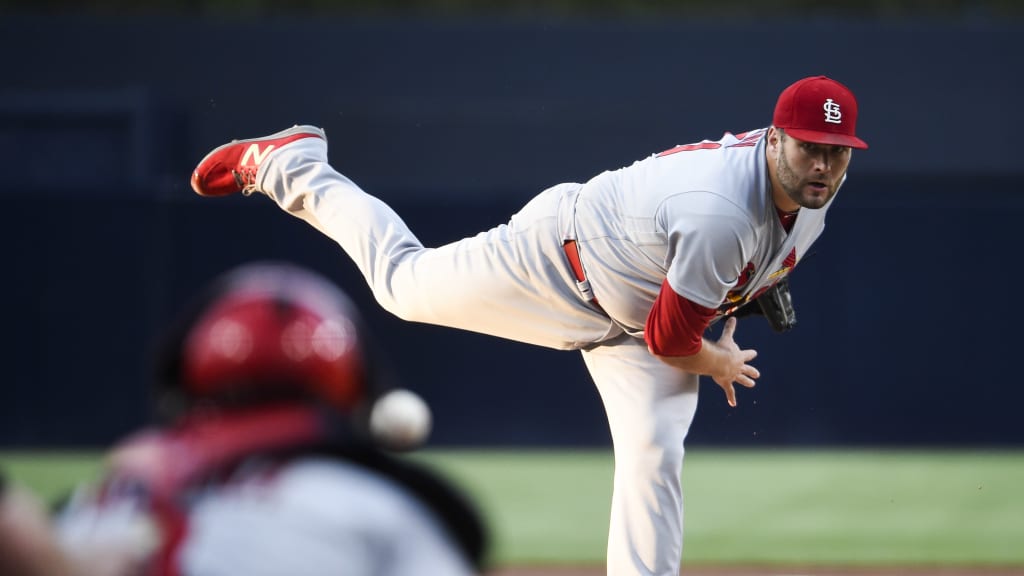
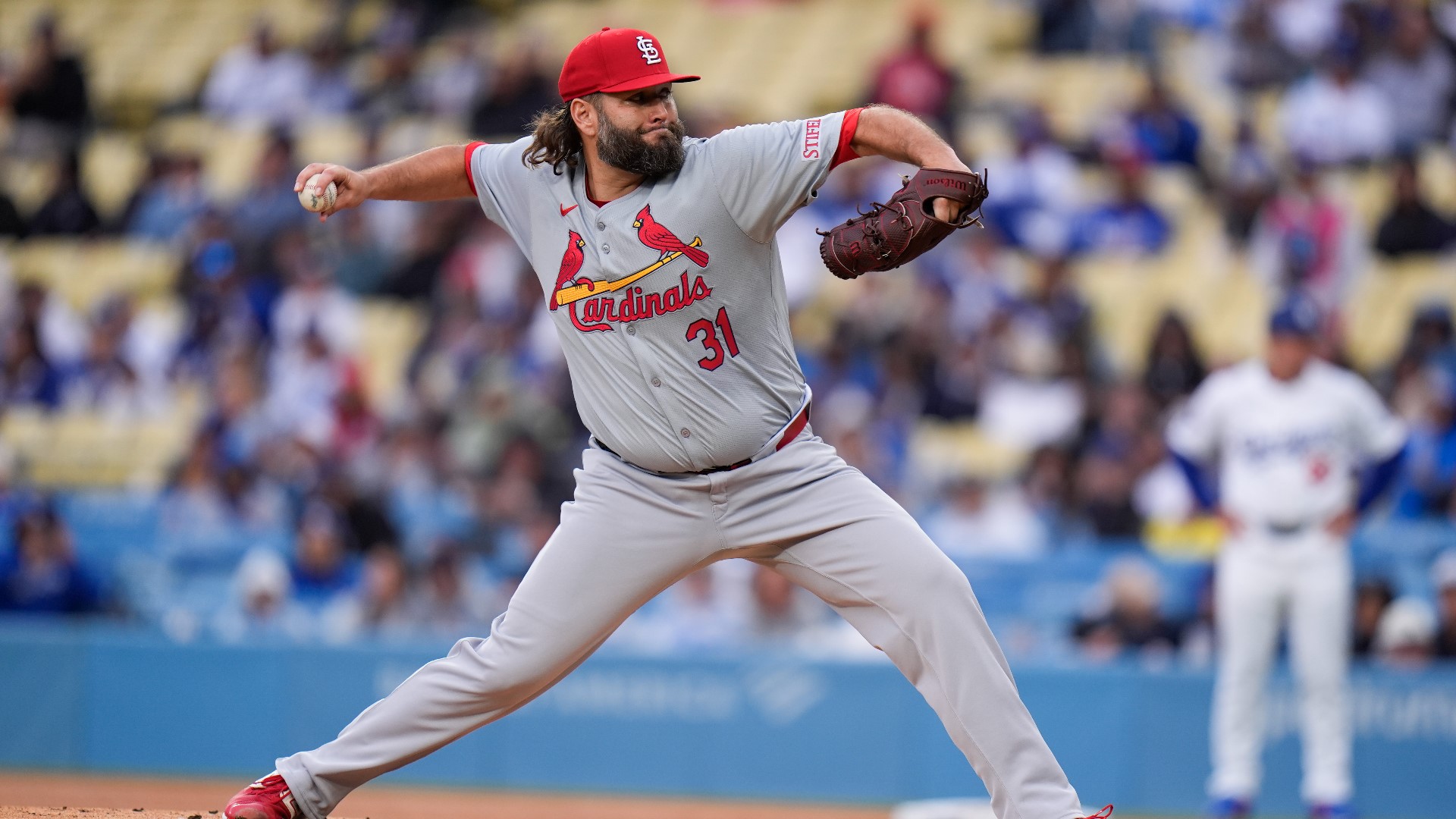
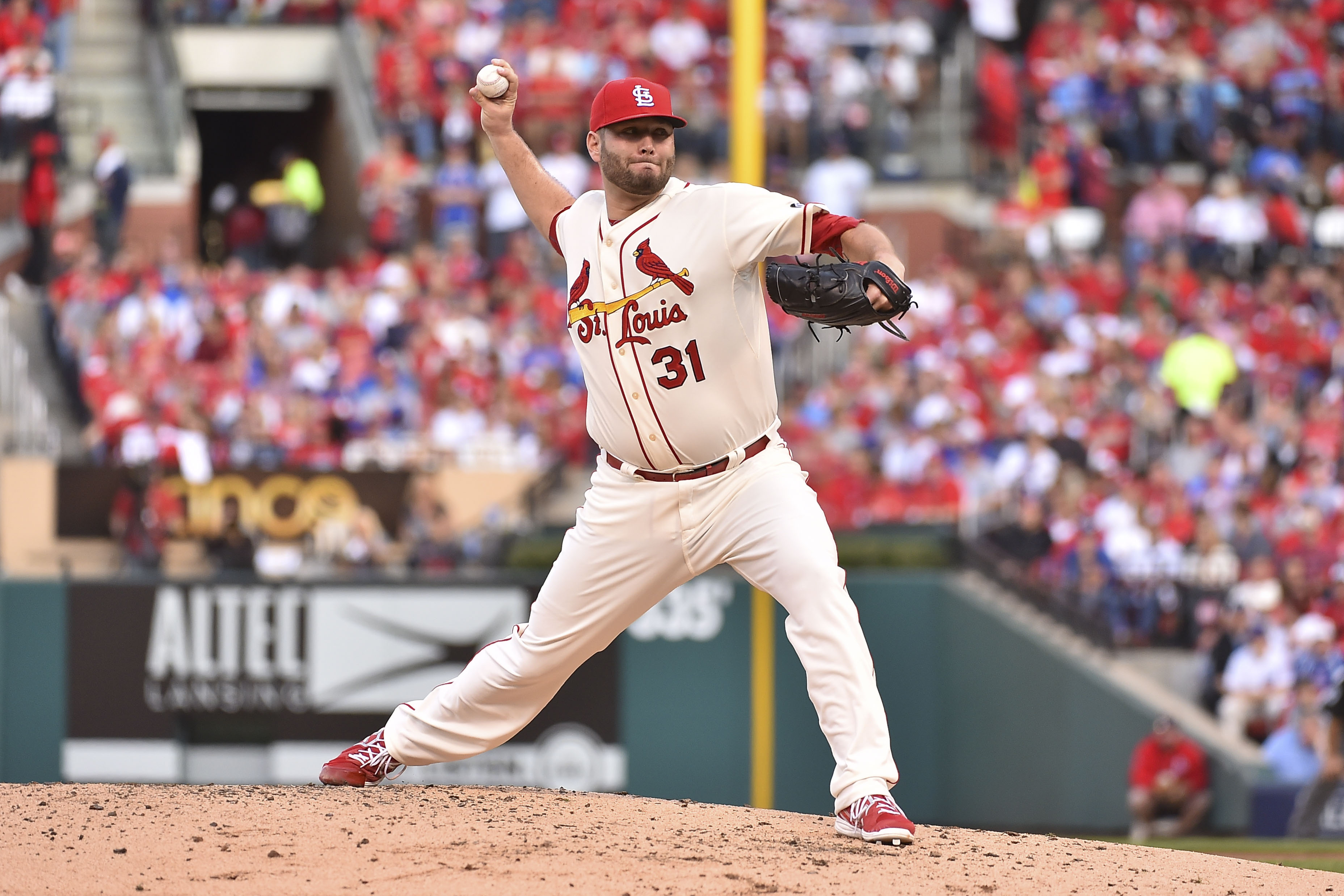
The perception that St. Louis is no longer an attractive destination for veteran players was recently echoed by former Cardinals pitcher Lance Lynn during an episode of Cardinal Territory. Lynn observed that there is a mismatch between what the Cardinals need and what veteran players are seeking at this stage of their careers. As he put it, “The problem that the Cardinals have right now is the person that they’re looking for… the guys are looking for every day at-bats and this and that, where they can get opportunities to up their value not only for next year but also at the trade deadline. So it’s a weird little fit.”
Lynn’s assessment highlights an underlying issue in roster construction. Teams in transition often face difficulty attracting experienced players because those athletes are naturally seeking environments where they can maximize playing time, performance, and visibility. In St. Louis, young players are being prioritized, and opportunities for veteran regulars may be limited. From a player’s perspective, signing with a team in flux can present career risks. If a veteran finds himself competing for playing time with a top prospect, it could reduce his opportunities to showcase his abilities, ultimately affecting his market value for future contracts or trade considerations. This dynamic helps explain why high-profile veterans may shy away from joining the Cardinals at this moment.

Financial strategy also plays a key role in shaping the team’s offseason approach. The Cardinals are clearly focused on controlling payroll, with projections indicating that Opening Day spending will dip below $100 million for the first time in more than 15 years. This fiscal conservatism influences roster decisions in several ways. For one, it reduces the appeal of offering large contracts to veteran free agents, as the organization aims to balance its budget while investing in long-term growth. For another, it discourages veterans from seeing St. Louis as a viable landing spot, as players often weigh both the competitive and financial aspects of potential team destinations. The combination of a lean payroll and a focus on youth development has created a situation where veterans may actively look elsewhere, leaving the Cardinals to fill roster spots primarily with younger talent and rebound candidates seeking a fresh opportunity.
The consequence of these factors is that the Cardinals’ roster will likely consist of a mixture of up-and-coming prospects and players attempting to resurrect or maintain their careers. While there is potential for success in this approach—players eager to prove themselves can sometimes outperform expectations—the team may struggle to achieve consistent results in the near term. This explains why players like Austin Hays, who might have been a suitable veteran addition, chose to sign with other clubs. Hays ultimately agreed to a deal with the Chicago White Sox, a team offering a clearer path to playing time and, potentially, a more competitive environment.

The roster gaps extend to the outfield, where the Cardinals have yet to identify a reliable solution. Despite actively searching, the team has not secured a major league outfielder to complement the current roster. Outfield depth is crucial for both offensive production and defensive alignment, and the lack of clarity in this area represents a tangible weakness heading into the new season. Whether the Cardinals will attempt to address this through trades, minor league call-ups, or late free-agent signings remains uncertain, but the current status suggests that fans should temper expectations regarding immediate improvement.
Adding another layer of complexity is the team’s involvement in the World Baseball Classic (WBC). The Cardinals have 10 players in their organization participating in the WBC, including promising talents such as O’Brien. These absences can affect early-season roster decisions, positional battles, and overall team chemistry. Players leaving for international competition may miss key spring training opportunities to secure starting roles, putting additional pressure on coaching staff to make evaluations with incomplete information. The team will need to carefully balance the excitement of having players represent their countries with the practical realities of building a cohesive roster for the Major League season.
From a broader perspective, the Cardinals’ approach reflects a common strategy for franchises in transition. Teams must weigh immediate competitiveness against long-term sustainability, often prioritizing future potential over present results. By trading high-value veterans for prospects, focusing on cost containment, and emphasizing opportunities for younger players, St. Louis is positioning itself for a potentially brighter future, albeit at the expense of short-term fan satisfaction. The challenge lies in maintaining fan engagement during this period. With recognizable stars gone and the promise of contention still years away, the Cardinals face the difficult task of keeping their fanbase optimistic while the rebuild progresses.
Historically, the Cardinals have excelled at blending homegrown talent with strategic acquisitions, creating a balance that has allowed for extended periods of competitiveness. However, the current offseason decisions suggest a clear shift in philosophy, at least temporarily. By embracing a leaner payroll and emphasizing youth development, the organization is signaling a willingness to endure a few years of uncertainty in exchange for the potential of a stronger, more sustainable core. This approach is consistent with successful rebuilds in other franchises but comes with significant risk if prospects fail to meet expectations or if other teams in the division accelerate their own growth.
The decision to trade players such as Arenado and Contreras also underscores the importance of asset management in modern baseball. The Cardinals recognized that these players held significant trade value and used that leverage to acquire multiple prospects in return. While it may be difficult for fans to see beloved players depart, the long-term calculus is rooted in improving the overall talent pipeline, strengthening the farm system, and positioning the team for future playoff contention. Success in this strategy is not guaranteed, but it reflects a disciplined approach that prioritizes organizational depth over immediate gratification.
Another dimension of the offseason strategy involves player development philosophy. By creating opportunities for younger players, the Cardinals are providing a platform for prospects to gain crucial experience in meaningful games. This exposure can accelerate growth and readiness, ensuring that when the team eventually re-enters contention, these players are better prepared to contribute at a high level. It is a balancing act, as the team must also remain competitive enough to maintain a professional environment that fosters learning and growth. This strategy can pay dividends if executed carefully, but it requires patience from both management and fans alike.

The challenge for the Cardinals will be to maintain a competitive culture while undergoing this transition. Baseball is a game where momentum and confidence can be pivotal, and long stretches of underperformance can affect player morale. Leadership from both the front office and coaching staff will be critical in maintaining focus, establishing team identity, and ensuring that young players are adequately supported as they navigate the pressures of the major leagues. Veteran leadership, though less prominent on this roster, can still play a role in guiding the next generation and setting expectations for professionalism and preparation.
From the fans’ perspective, the offseason has been understandably disappointing. Many supporters hoped to see the Cardinals make bold moves to complement their existing talent, shore up weaknesses, and position themselves as contenders in the National League. Instead, they are faced with the reality of a team in flux, relying on prospects who may or may not reach their potential, and a roster that lacks established stars. While hope remains that the rebuilding process will ultimately produce a strong, sustainable team, the short-term outlook is less promising. Patience will be required, as will a willingness to embrace uncertainty and trust in the organization’s long-term vision.
In summary, the St. Louis Cardinals’ recent offseason represents a decisive pivot toward rebuilding, driven by a combination of financial prudence, roster strategy, and a focus on youth development. The trade of key veterans such as Contreras, Gray, Arenado, and Donovan signals a commitment to acquiring promising prospects, though these moves come with the inevitable cost of short-term competitiveness. Minimal activity in the free-agent market and ongoing challenges in the outfield further complicate the team’s immediate outlook. As Lance Lynn highlighted, the Cardinals’ current roster composition and strategic focus make St. Louis a less appealing destination for veteran players seeking consistent playing time and career growth. Participation of several players in the World Baseball Classic adds an additional layer of complexity for roster construction and positional battles.
Despite these challenges, the Cardinals’ approach reflects a calculated long-term vision, prioritizing sustainability and development over short-term success. Fans will need to temper expectations, understanding that the road back to contention may be several seasons away. The success of this strategy hinges on the performance of prospects, smart roster management, and maintaining a competitive culture throughout the transition. While the immediate future may feel uncertain, the potential for a revitalized Cardinals roster exists—one built around homegrown talent, strategic depth, and a foundation capable of supporting sustained success in the years to come.