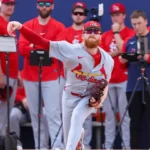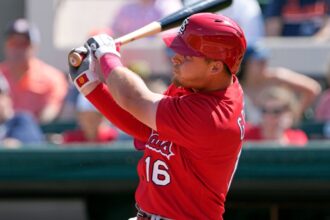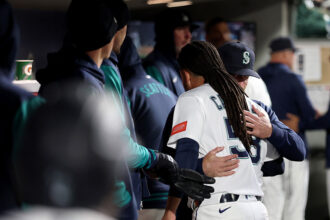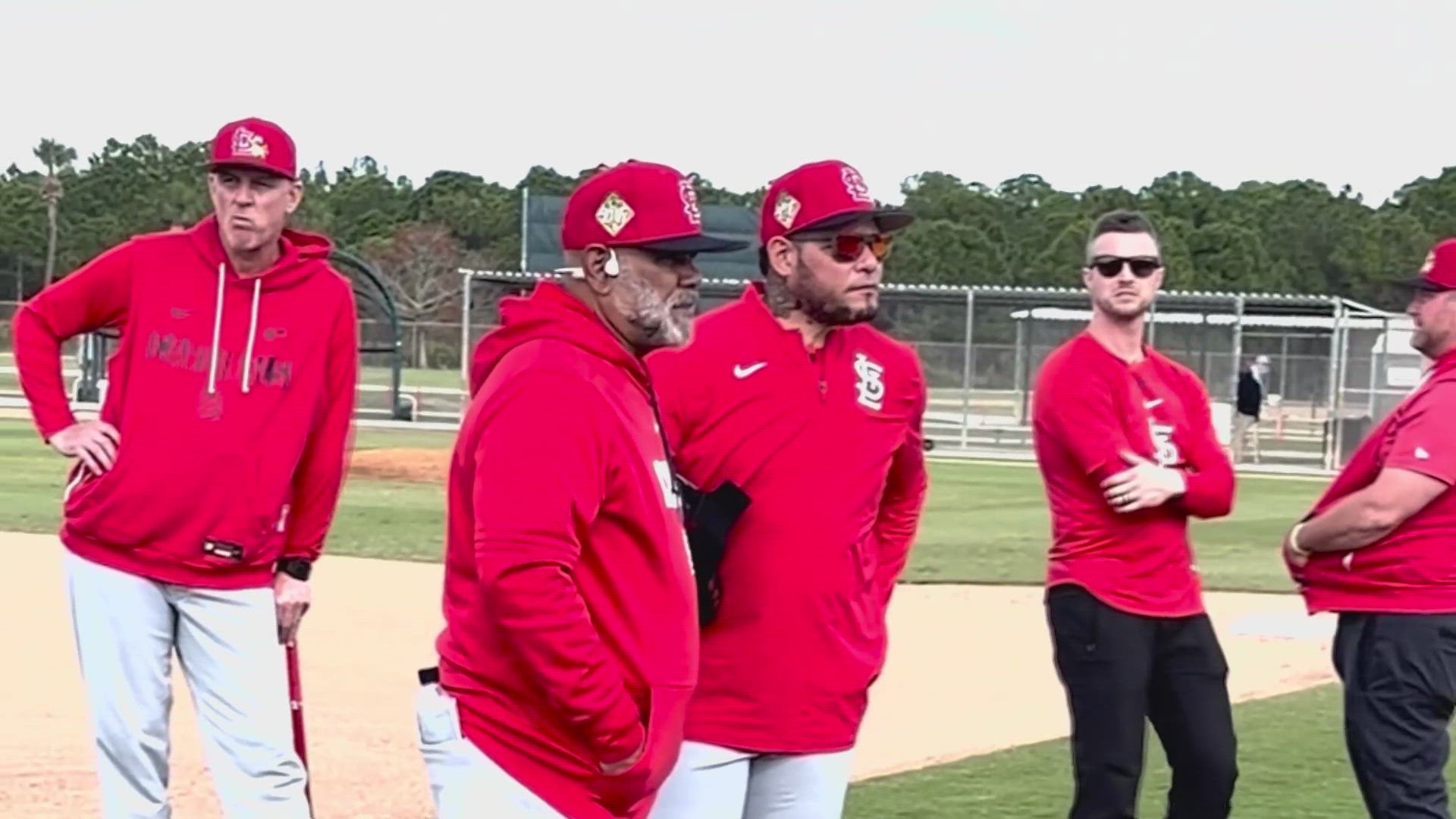
A strained calf has significantly disrupted the early spring plans of St. Louis Cardinals right-hander Riley O’Brien, creating ripple effects that stretch well beyond the club’s camp in Jupiter, Florida. What initially appeared to be a routine bullpen session setback has evolved into a development that impacts both the Cardinals’ bullpen hierarchy and Team Korea’s plans for the upcoming World Baseball Classic.
O’Brien, 31, sustained the injury during a bullpen session on Saturday, as first reported by MLB.com’s Chuck King. Since that outing, he has not thrown off a mound, an absence that immediately raises concern given the condensed timeline of spring training. For a reliever projected to handle high-leverage innings — and possibly the ninth inning — every missed session matters. Timing, rhythm, and incremental buildup are essential for pitchers, particularly those tasked with closing games. Even a short interruption can shift the competitive balance inside a bullpen.
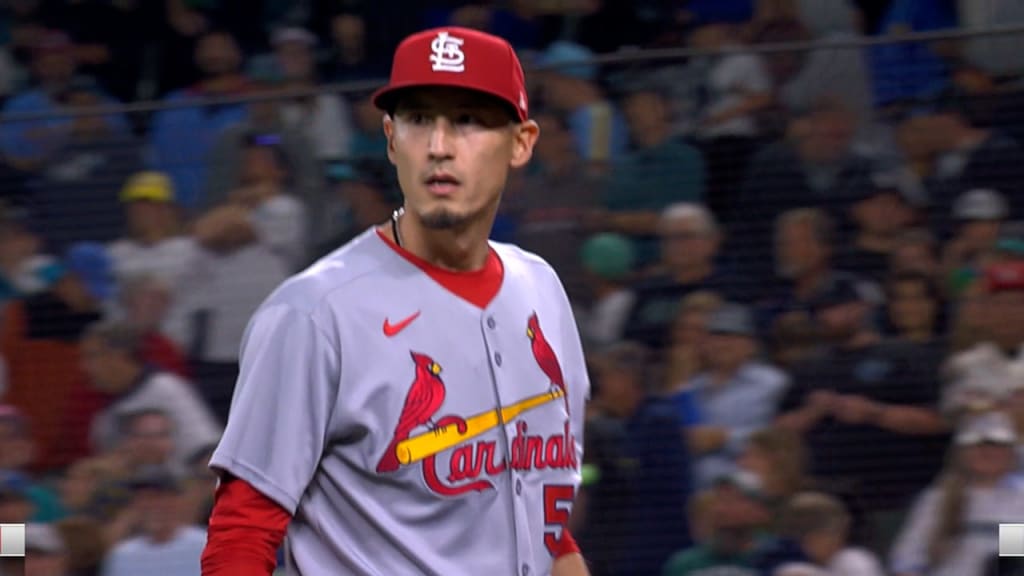
The immediate consequence is twofold. First, O’Brien’s availability for Opening Day with the Cardinals has become uncertain. Second, and perhaps more definitively, he will not participate in next month’s World Baseball Classic as a member of Team Korea. That development forces the Korean national team to recalibrate its bullpen strategy just weeks before tournament play begins.
Team Korea Adjusts to a Late Change
There had been considerable anticipation surrounding Team Korea’s roster for this year’s World Baseball Classic. In recent tournaments, the organization has embraced a broader approach to player eligibility, incorporating talent with Korean heritage born outside the country. During the previous WBC, Tommy Edman became the first non-Korean-born player to suit up for the national team, qualifying through his mother, who was born in South Korea. His inclusion marked a symbolic and competitive shift in roster construction.
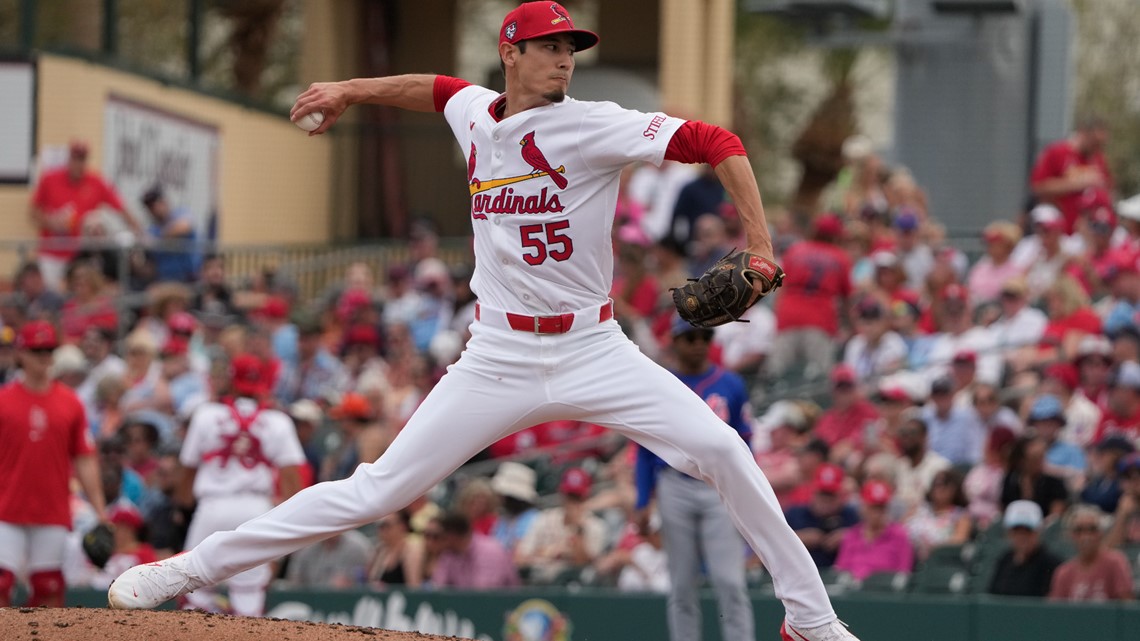
Edman will not return this year following surgery in October, but the expectation was that Korea would again benefit from heritage-eligible players. O’Brien and Detroit Tigers utilityman Jahmai Jones were both slated to join the roster, each qualifying through their Korean-born mothers. Their participation represented both a nod to global Korean identity and a competitive boost to the team’s depth.
O’Brien, in particular, was widely viewed as a prime candidate to handle closing duties for Korea. His power arm and experience in high-leverage major league situations positioned him as a natural fit for the ninth inning in a short, high-stakes tournament format. The WBC compresses pressure into a matter of days; having a dependable closer can define a team’s trajectory.
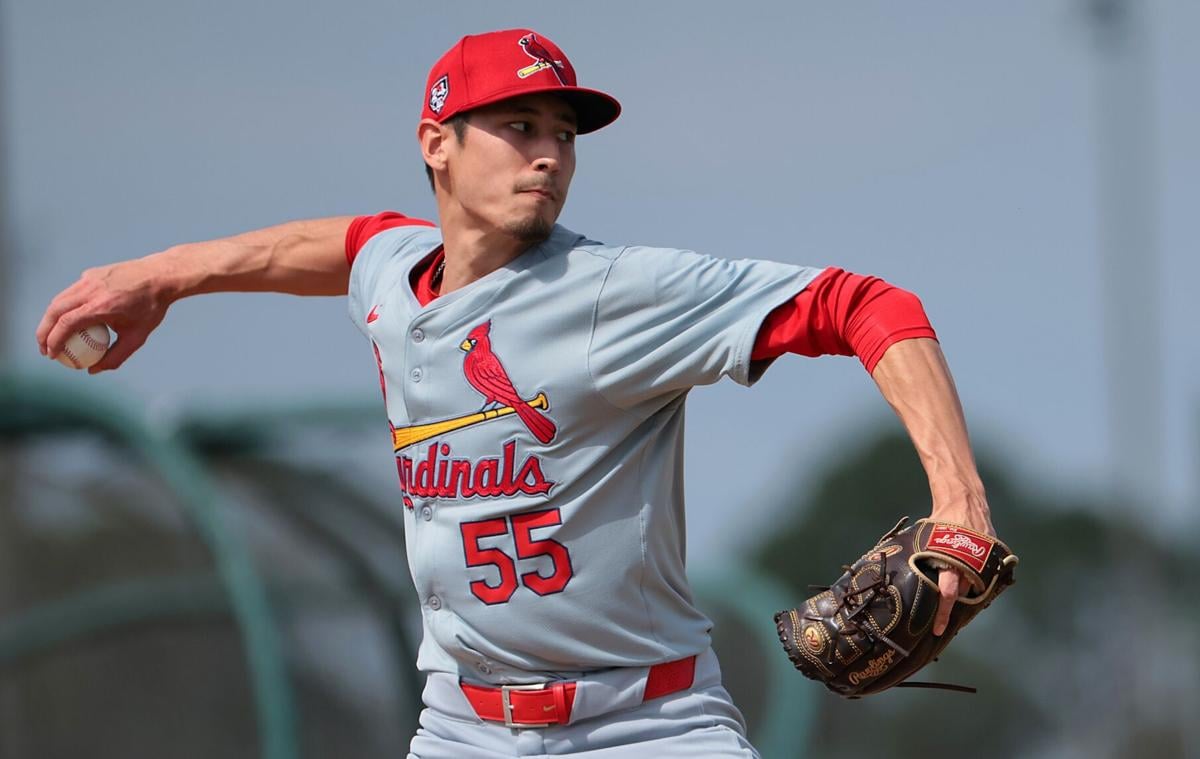
With O’Brien sidelined, Team Korea has turned to a promising domestic alternative: Taek Yeon Kim of the Doosan Bears. The 20-year-old right-hander brings impressive credentials from the Korea Baseball Organization (KBO). Across two seasons, he has accumulated 43 saves while posting a 2.81 ERA and striking out 157 batters over 131.1 innings. Those numbers reflect both durability and swing-and-miss ability — two traits critical in late-inning roles.
Kim’s youth adds intrigue. At just 20, he steps into a global spotlight against seasoned international competition. While the transition from KBO to the WBC stage presents challenges, Kim’s track record suggests he possesses the temperament required for tight games. His strikeout rate indicates the ability to end innings without relying solely on defense, a valuable skill when facing lineups stacked with major league talent.
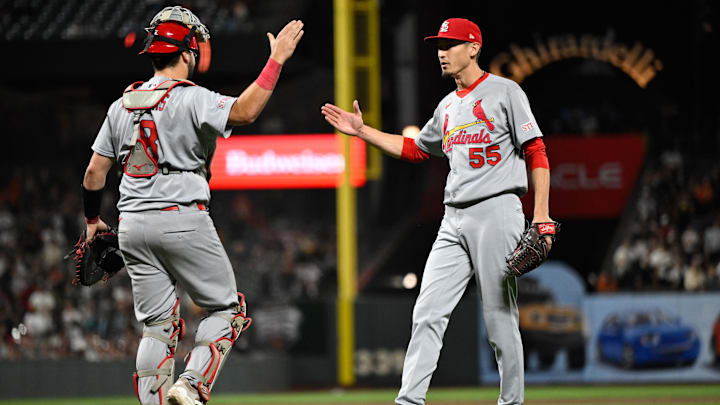
South Korea will compete in Pool C, facing Japan, Australia, Chinese Taipei, and Czechia. The games will be held at the Tokyo Dome beginning March 5. The setting itself adds drama: Tokyo Dome is a high-profile venue, and matchups — particularly against Japan — carry historical intensity. In such an environment, bullpen execution becomes paramount. Losing a projected closer weeks before the tournament inevitably alters strategic planning, but Korea’s depth ensures the team remains competitive.
Implications for the Cardinals’ Bullpen
While Team Korea adjusts internationally, the more immediate concern for the St. Louis Cardinals lies within their own clubhouse. O’Brien entered spring training as the presumptive closer. His emergence into that role signaled confidence from the organization and manager Oliver Marmol. The closer’s job is not merely about recording three outs; it shapes bullpen roles from the seventh inning forward. Remove that anchor, and the entire structure shifts.
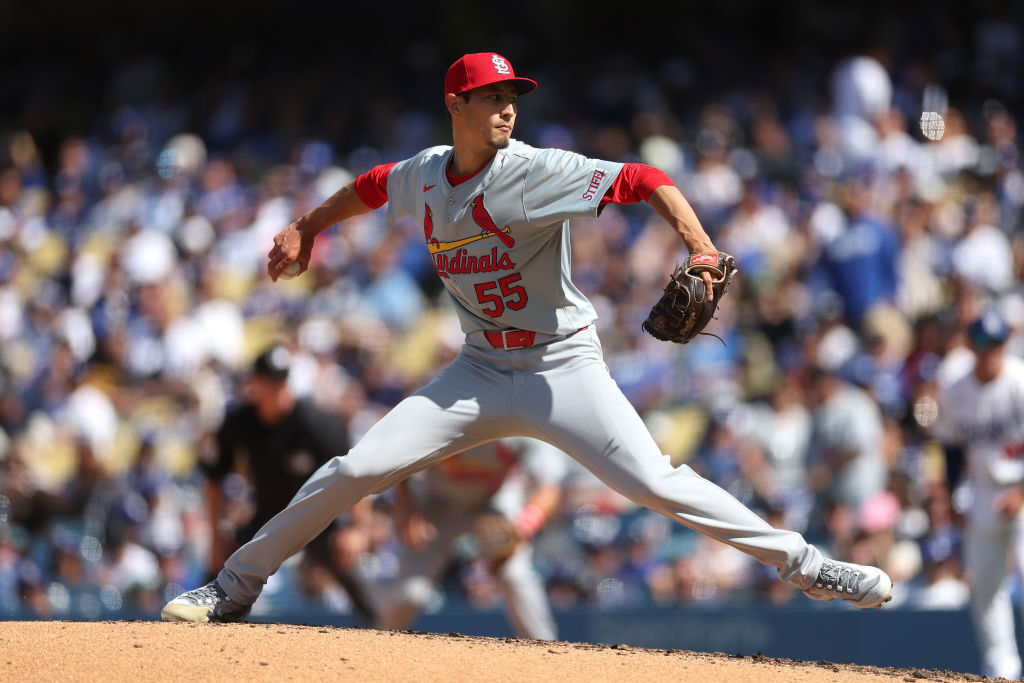
If O’Brien misses time at the start of the regular season — or even falls significantly behind other relievers in preparation — Marmol will need to reconsider his late-inning blueprint. The Cardinals do have viable alternatives.
Left-hander JoJo Romero appears to be the leading candidate to assume closing responsibilities, provided he remains with the team through the end of spring training. Romero, 29, delivered the most effective season of his career in 2025, posting a 2.07 ERA across 61 innings and collecting eight saves. His ability to neutralize both left- and right-handed hitters makes him a flexible option. A southpaw closer also introduces matchup challenges for opponents late in games.
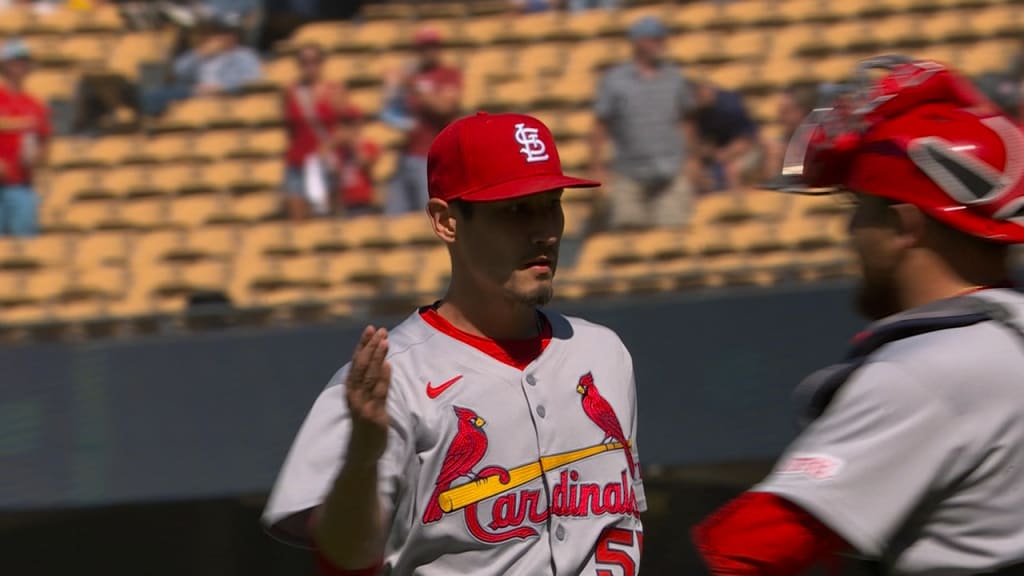
However, Romero’s name has surfaced in trade speculation, and bullpen arms are often valuable currency in roster construction. If St. Louis were to move him, the depth chart would adjust once more.
Veteran right-hander Ryne Stanek offers experience and postseason credibility. At 34, he has pitched for five major league clubs over a nine-year career. His 2.89 ERA across 28 postseason innings underscores his comfort under pressure. Stanek’s familiarity with high-leverage spots could appeal to a manager seeking stability while O’Brien recovers. Experience does not guarantee dominance, but it does provide predictability — a quality teams prize in late innings.
Another intriguing option is Matt Svanson, a 27-year-old right-hander who debuted with the Cardinals last season. In 60.1 innings, Svanson posted an impressive 1.94 ERA, demonstrating both command and composure. While he lacks extensive closing experience, his performance suggests potential. Young relievers often evolve rapidly, and a temporary opportunity could accelerate his development.
The Broader Context
Bullpen roles in modern baseball are fluid, but the closer remains a symbolic and strategic focal point. Spring training injuries, even minor ones, can alter projections significantly. For O’Brien, the calf strain represents more than a physical setback; it interrupts momentum. Pitchers rely heavily on lower-body strength to generate power and maintain mechanics. A calf issue can affect balance, push-off strength, and overall delivery consistency. Teams typically exercise caution with such injuries to prevent recurrence.
From the Cardinals’ perspective, depth becomes both insurance and opportunity. A temporary absence for O’Brien may allow another reliever to seize the ninth inning and solidify his standing. Competition can sharpen performance, but uncertainty can also complicate bullpen planning.
For Team Korea, the adjustment is immediate and public. International tournaments magnify every roster decision. Replacing a projected closer weeks before competition forces strategic shifts — perhaps altering usage patterns or distributing save situations among multiple relievers.
Yet both organizations possess adaptability. The Cardinals have multiple arms capable of handling late-inning responsibilities. Korea’s inclusion of Taek Yeon Kim injects youthful energy and proven domestic success into the bullpen mix.
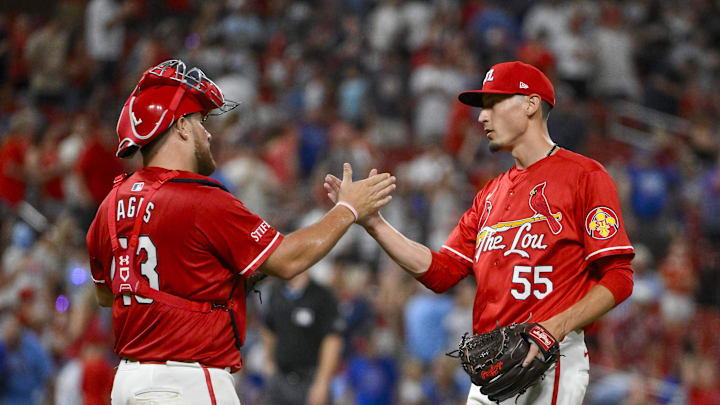
As spring training progresses, O’Brien’s recovery timeline will dictate much of the narrative. Should he return quickly and regain form, the early disruption may prove minor. If the injury lingers, both the Cardinals and Team Korea will continue evolving without him. In baseball, as in most sports, contingency planning is not optional — it is essential.
For now, a single bullpen session has reshaped expectations on two continents.