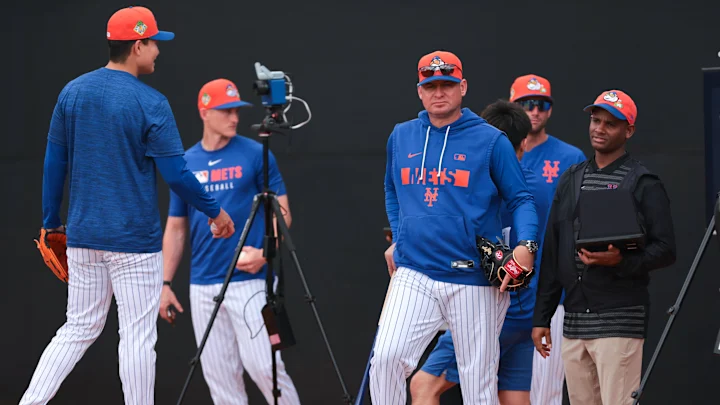
When the New York Mets made the decision to sign Bo Bichette during the offseason, it instantly altered the trajectory for Brett Baty. For a young player who had been working to establish himself as the everyday third baseman, this represented both an opportunity and a challenge. The Mets, by bringing in a star infielder like Bichette, were signaling that they were serious about contending immediately. For Baty, that meant a positional shift; he would need to leave the hot corner and transition to the outfield. On the surface, it’s a positive development—teams looking to win now crave flexibility, and having multiple talented bats in the lineup is crucial—but for a player still relatively new to the big leagues, it comes with a fair share of pressure. Suddenly, Baty was tasked with mastering an entirely different role on the diamond, all while continuing to provide the offensive production that the team expects from him.
This situation, however, is emblematic of a broader strategy in baseball: the more versatile a player is, the more valuable he becomes. A team with championship aspirations cannot afford to leave talent on the bench, and Baty is precisely the type of player they want to see on the field. His ability to adapt to a new position could give the Mets the kind of depth that separates a playoff team from a contender that falls short. Still, the move demands both physical and mental adjustments. Playing third base and patrolling the outfield are very different skill sets; reaction time, angles, and footwork all vary, and there’s no guarantee a player will seamlessly make that transition.

The Early Heads-Up
Interestingly, Baty wasn’t blindsided by the Mets’ acquisition of Bichette. In a recent interview with SNY, he revealed that the team’s front office reached out to him before the signing was finalized. This is significant for a couple of reasons. First, it demonstrates a level of respect and transparency from the organization. Rather than blindsiding him with a sudden positional change, the team communicated its intentions early, showing that they valued him not just as a player, but as a person who deserves to be kept in the loop. Second, it highlights the confidence the Mets have in Baty’s ability to contribute offensively regardless of his defensive assignment.
Baty spent the offseason honing his skills at third base, eager to cement himself as the everyday option at that position. He invested time in fielding, reacting to grounders, and refining his technique, all with the goal of proving he belonged at the hot corner. Then, with Bichette’s arrival, the plan shifted—but the team made it clear immediately that they still wanted him in the lineup. They weren’t concerned with where he would play as long as his bat remained a constant presence. This approach illustrates the dual nature of Baty’s role: he is both a flexible piece in the defensive puzzle and an indispensable contributor on offense.
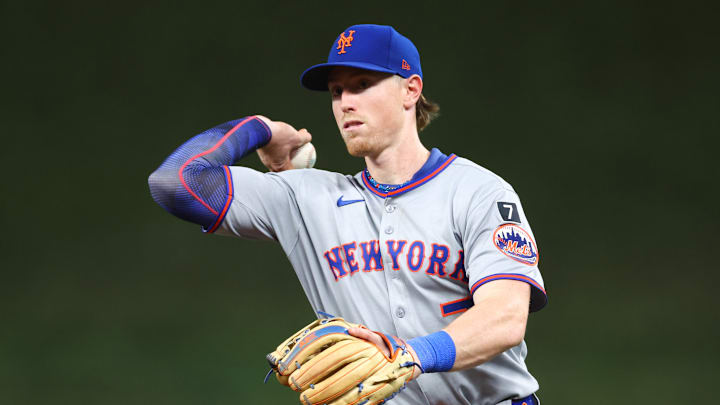
Adjusting to the Outfield
With Bichette and Francisco Lindor effectively locking down the left side of the infield, Baty’s path to regular playing time now runs through the outfield, specifically the corner spots. Making this transition is no small task. Unlike third base, where ground balls dominate and reactions occur in tight spaces, the outfield requires different instincts, longer routes, and the ability to track balls in the air. For a player like Baty, the challenge lies in translating his solid infield instincts to an entirely different environment.
Analytical data suggests that Baty has the foundational tools to handle the move. While his sprint speed is modest—he ranked only in the 38th percentile in 2025—his defensive acumen at third base was impressive. He finished the season in the 70th percentile for Outs Above Average, indicating that he has strong instincts, quick reactions, and a good sense of positioning. Translating that skill set to the outfield is a matter of adapting those instincts to fly balls instead of grounders. If he can make that adjustment, the Mets will gain a versatile player capable of contributing both defensively and offensively in multiple spots.

Why His Bat Is Essential
The primary reason the Mets are so determined to keep Baty in the lineup is straightforward: his bat finally came alive in 2025. After struggling in previous seasons, Baty put together a campaign that demonstrated he belongs in the major leagues. According to FanGraphs, he played 130 games, hitting 18 home runs while posting a .254 batting average and a .748 OPS. He also recorded a 111 weighted Runs Created Plus (wRC+), meaning he was 11 percent better than the average MLB hitter—a substantial improvement over his 2023 and 2024 seasons.
This breakout season was not a fluke. Baseball Savant metrics provide compelling evidence that Baty’s improvement at the plate was real and sustainable. He ranked in the 86th percentile for bat speed, which translates to tremendous power potential. His barrel rate—an indicator of how often he makes optimal contact—was in the 80th percentile, while his Hard-Hit rate landed in the 72nd percentile. These numbers show that when Baty connects, he does so consistently and with authority.
While he still chases pitches outside the strike zone too frequently and has a slightly elevated whiff rate, these are areas that can be refined with coaching and experience. The underlying power metrics and contact quality suggest that his breakout is built on skill rather than luck, making him a crucial piece of the Mets’ lineup. The team now has a left-handed hitter capable of balancing a roster that may otherwise be weighted toward right-handed power, creating a more dynamic offensive threat.

Growing Pains Are Part of the Process
It’s important to note that Baty’s transition to the outfield will not be seamless. There will likely be errors, misreads, and some miscommunication early in the season. Even highly talented players require repetitions and game experience to master new positions, and Baty is no exception. Yet, the payoff from this growing period is significant. If he can reach an average level of competency in the outfield, his offensive contributions alone make him one of the most valuable players on the roster.
The Mets have communicated their belief in Baty, and he has shown a willingness to embrace whatever role is necessary for the team to succeed. That attitude—combined with his demonstrated skill at the plate—makes him a cornerstone for the organization moving forward. Early struggles in the outfield will be overlooked as long as he continues to produce offensively. In essence, Baty’s versatility allows the Mets to maximize both talent and depth, a critical advantage for a team chasing a playoff berth.

The Bigger Picture
Baty’s situation is emblematic of a larger trend in Major League Baseball: positional flexibility is increasingly valuable. Players who can move between infield and outfield spots allow managers to construct lineups that maximize offensive firepower without sacrificing defense. For a team like the Mets, who have high expectations and an urgent desire to contend, these adjustments are often necessary. While it requires a leap of faith for both the player and the organization, it often pays off in the long run.
The front office’s decision to involve Baty early in discussions about his role also reflects a thoughtful approach to player development. By keeping him informed and valued, the Mets are fostering trust and buy-in, which are crucial for young players facing a challenging transition. This strategy not only benefits Baty’s confidence but also sends a message to the rest of the roster that transparency and communication are prioritized at every level.

What the Future Holds
Looking ahead, Baty’s ability to handle the outfield will evolve as he gains experience. By the midpoint of the season, he could be far more comfortable tracking fly balls, understanding angles, and communicating with other outfielders. With his bat continuing to perform at a high level, he could become a hybrid player who offers the Mets the flexibility to adjust lineups and defensive alignments based on matchups.
The long-term benefits extend beyond the immediate season. A player who can competently cover multiple positions becomes an invaluable roster asset. Injuries, slumps, and strategic decisions all require roster flexibility, and Baty’s growth in the outfield positions him as a key component of the team’s success. Moreover, his positive attitude and willingness to adapt signal that he has the right mindset to thrive under pressure, which is essential in the high-stakes environment of a contending team.
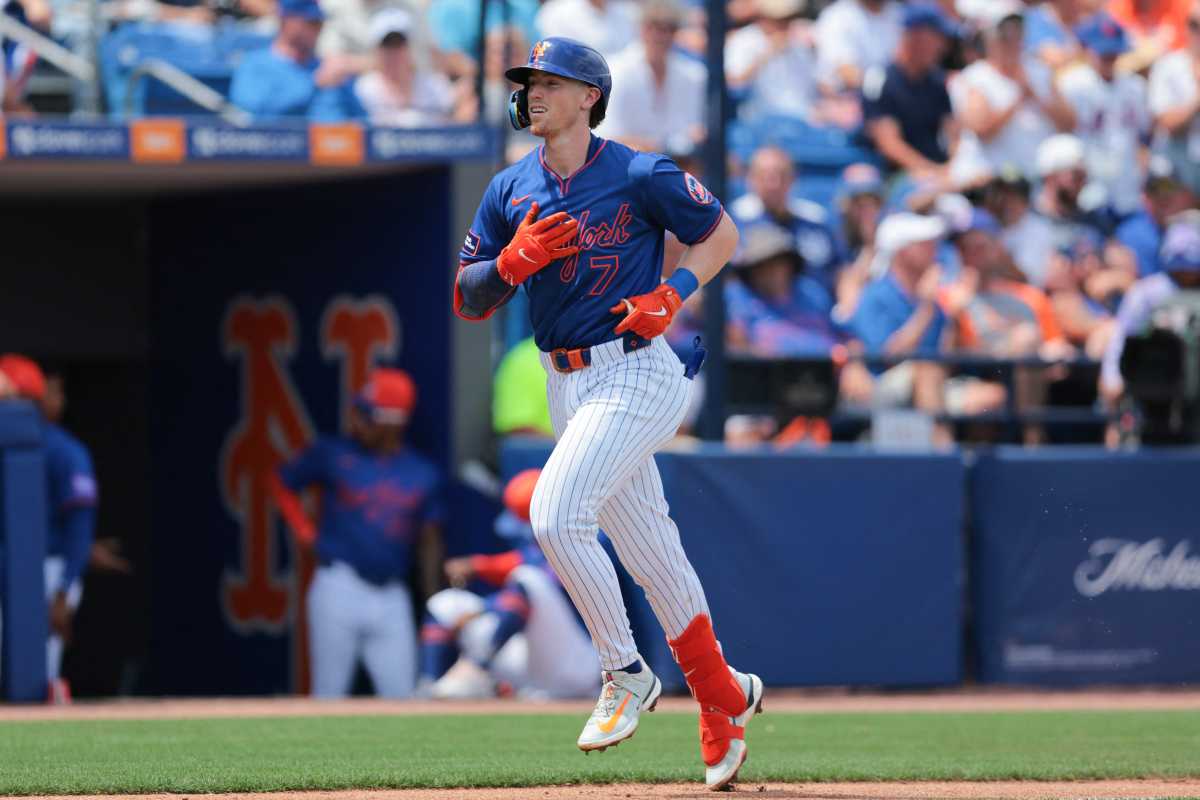
In many ways, Brett Baty’s offseason represents a microcosm of professional baseball itself: talent, opportunity, and adaptability intersect to create both challenges and potential rewards. The Mets’ acquisition of Bo Bichette changed the blueprint, but it also created a path for Baty to expand his value. By embracing a new position, he is demonstrating both commitment to the team and confidence in his own abilities. His offensive production ensures he will remain a fixture in the lineup, while his development in the outfield has the potential to add another layer of versatility to the Mets’ roster.
The journey will not be without its bumps. Early errors and miscommunication are inevitable when a player takes on a new position, and fans may notice a learning curve in the first few weeks. However, Baty’s upside, skill set, and mindset make this transition worthwhile. If he can provide even average defense in left or right field, his offensive contributions alone justify the move. The Mets are effectively investing in a player whose bat is too valuable to leave on the bench and whose adaptability can create long-term benefits for the team.

In the end, the story of Brett Baty’s move from third base to the outfield is one of growth, opportunity, and trust. The Mets believe in his bat, they trust his instincts, and Baty himself has shown the willingness to do whatever it takes to help the team win. With his combination of power, consistency, and flexibility, Baty is poised to become a cornerstone for the team’s future, proving that sometimes a change in position can unlock even greater potential. While the transition may involve early challenges, the ultimate payoff—a lineup that features his bat every day and a defense that is flexible and capable—is a scenario that any contending team would embrace.