For most organizations around baseball, locking up a young, impact outfielder early is just smart business. That’s exactly why Boston Red Sox outfielder Wilyer Abreu looks like such an obvious extension candidate on paper. He’s young, productive, plays elite defense, and flashes real power. Players like that don’t exactly grow on trees.
To their credit, the Red Sox didn’t drag their feet. In fact, they moved sooner than many teams would have. According to Tim Healey of The Boston Globe, Boston approached Abreu with a contract extension offer before the 2024 season began. The proposal reportedly included a long-term commitment. But whatever numbers were presented, they weren’t enough to convince the 24-year-old left-handed slugger to sign on the dotted line.
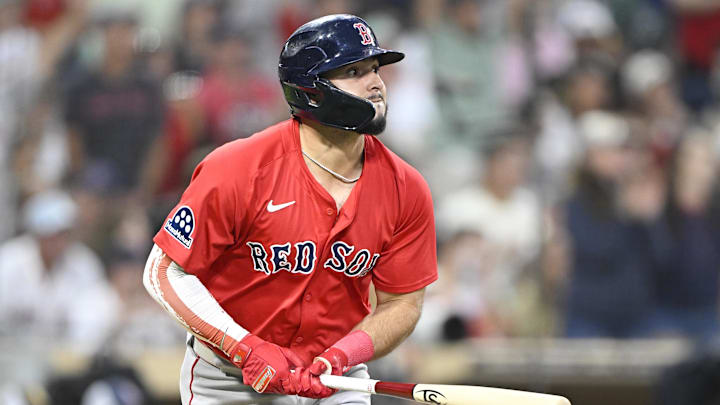
Abreu ultimately declined.
Looking back now, that decision appears to have been a savvy one — at least financially. At the time of the offer, Abreu had shown promise but hadn’t yet fully established himself as one of the more intriguing young outfielders in the game. From Boston’s perspective, it was a chance to secure cost certainty and potentially get surplus value. From Abreu’s perspective, it may have felt like selling a bit too soon.
“It wasn’t the right moment to do it,” Abreu told Healey. “So I just wanted to play and see what happened in the future.”
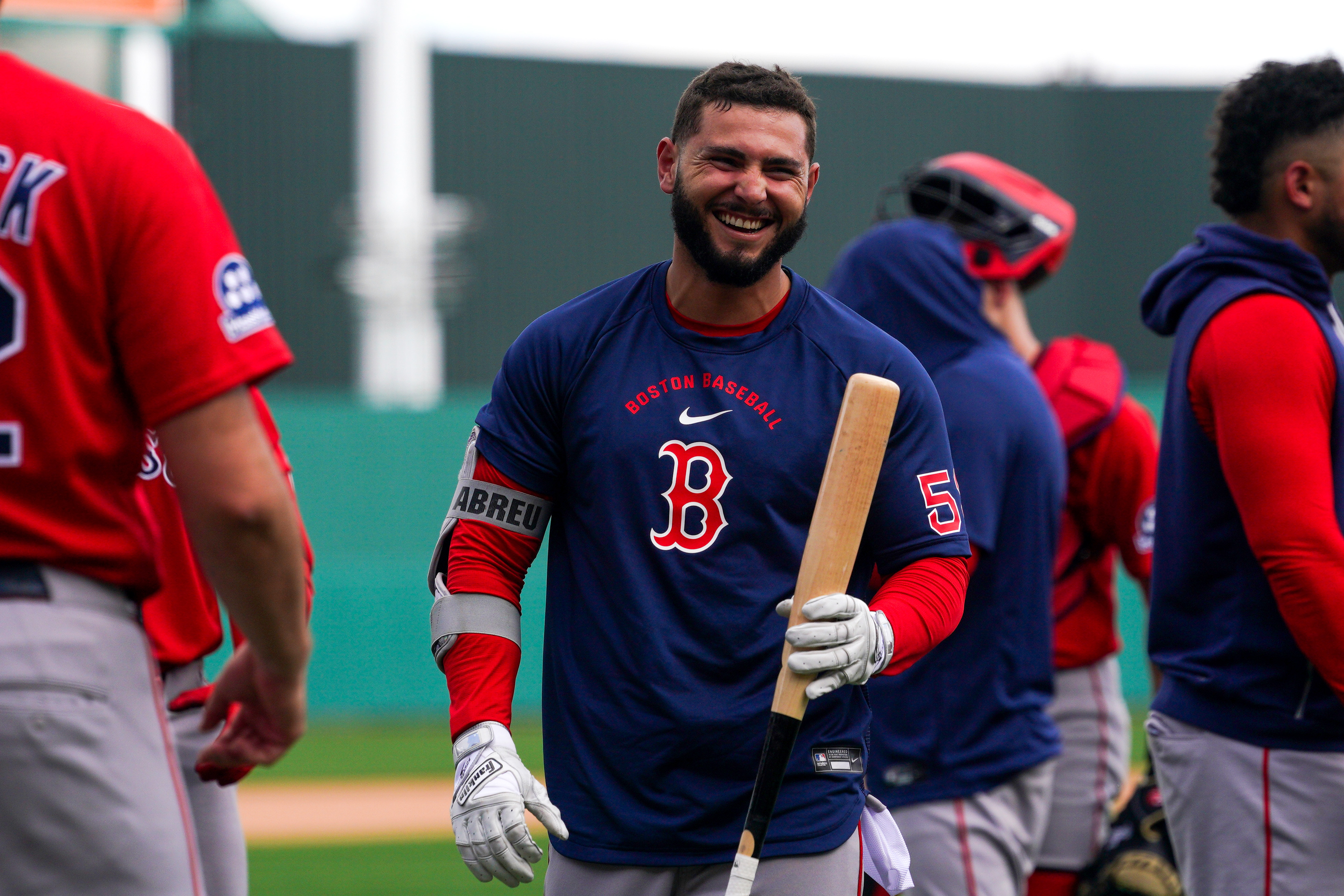
That mindset — betting on himself — can be risky. Baseball is unforgiving. Performance can dip. Injuries can happen. Opportunities can vanish quickly. But so far, Abreu’s gamble looks like it’s paying off.
During that same offseason, Boston successfully extended two other young players. Starting pitcher Brayan Bello signed a six-year deal, and center fielder Ceddanne Rafaela agreed to an eight-year contract. Those moves signaled that the Red Sox were willing to invest in their emerging core. Abreu simply chose not to be part of that group — at least not under the terms offered at the time.
It’s important to remember that Abreu is still years away from free agency. He won’t hit the open market until after the 2029 season, and he remains under team control for four more years. For now, he’s still earning near the league minimum salary and working through the early, inexpensive portion of his career. In that sense, the pressure remains on him to continue producing at a high level to justify turning down guaranteed long-term money.

But what he’s done since declining that extension has significantly elevated his profile.
Winning two Gold Gloves in his first two full seasons instantly changed the conversation around him. Defensive excellence alone can create value, but when paired with meaningful offensive production, it becomes far more powerful. Abreu isn’t just a glove-first outfielder — he brings legitimate thump to the lineup.
There appears to be a relatively safe floor in his bat. Even in less explosive seasons, he projects as someone capable of hitting 15 home runs. That baseline production is valuable in today’s game, particularly when attached to high-end defense. But what makes him especially intriguing is the upside. There’s real belief that his power ceiling extends beyond 30 home runs if everything clicks.
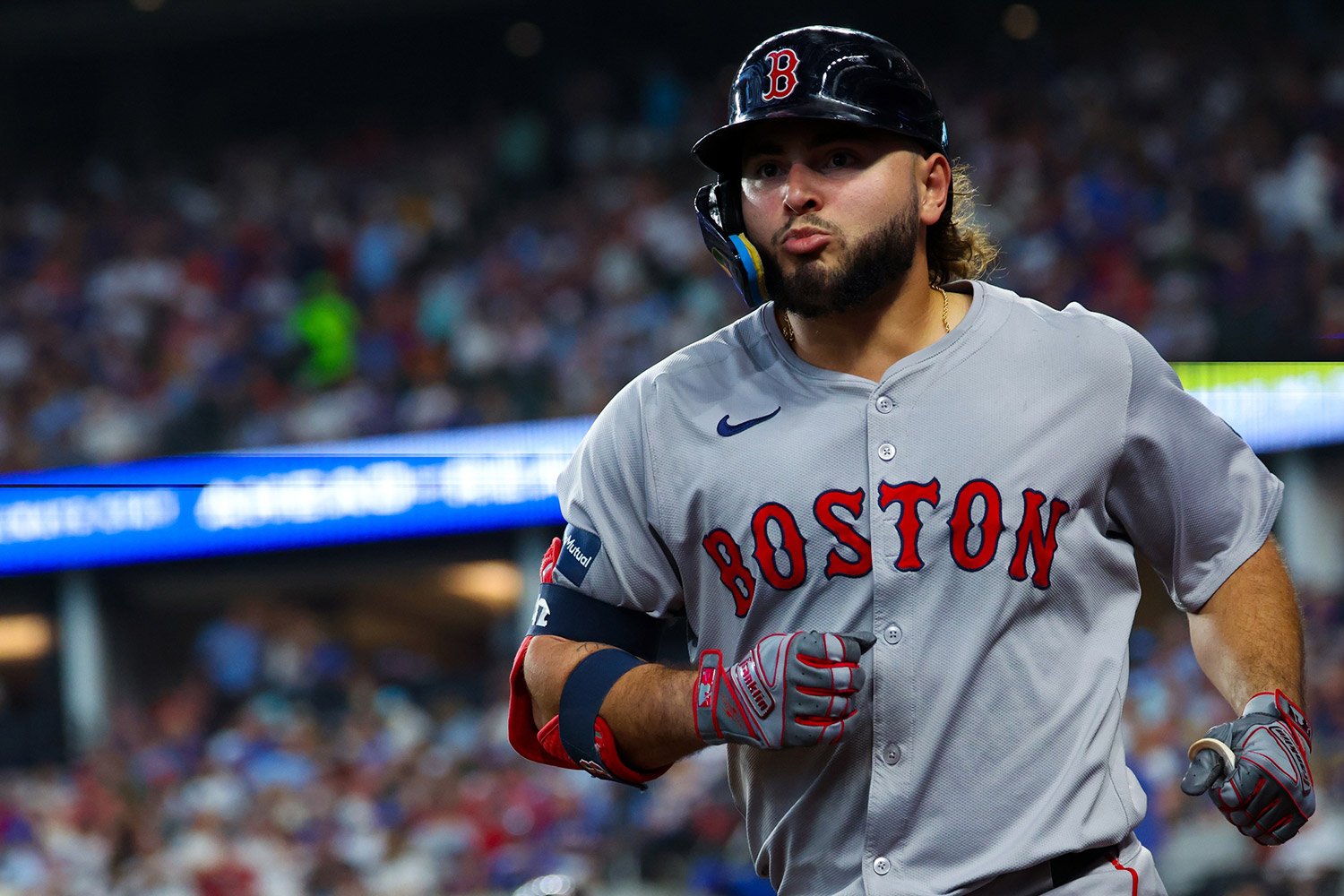
That combination — Gold Glove defense and middle-of-the-order potential — has almost certainly driven up his long-term earning power. If he continues on this trajectory, the contract he eventually signs could look dramatically different from the one he declined.
Assuming the Red Sox and Abreu don’t circle back successfully on extension talks in the near future, his free agency would come after the 2029 season. He’d be entering his age-31 campaign at that point — not especially young for a first-time free agent, but not past his prime either. If he continues to build his résumé over the next several years, he may not even need a massive, decade-long deal to come out ahead financially. A strong three- or four-year contract at market rates could easily surpass the total value of the earlier extension proposal.
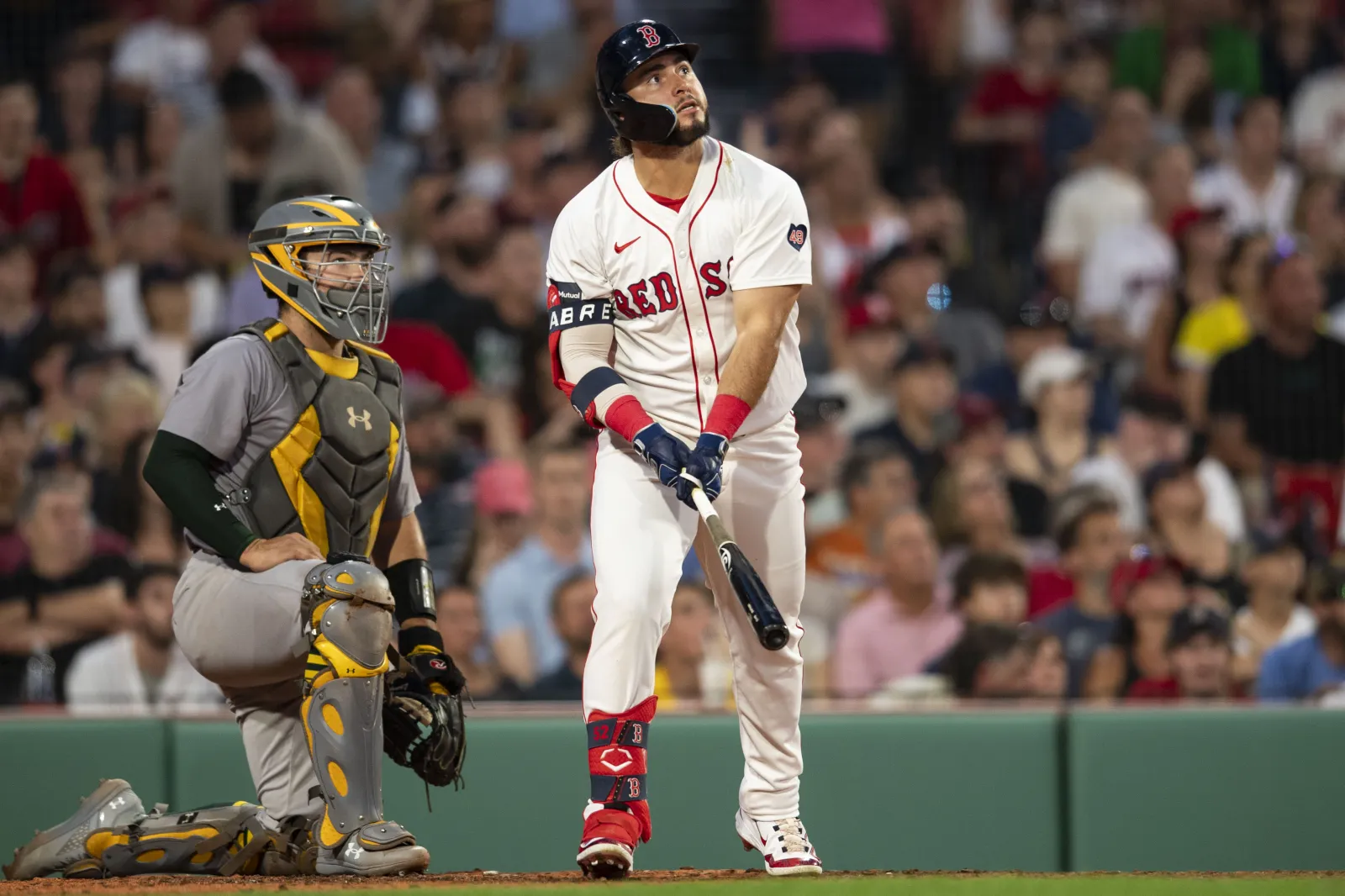
Of course, none of this is guaranteed. Baseball careers are unpredictable, and projecting performance years down the road is always risky. That’s part of why teams push for early extensions in the first place — they’re trying to balance risk and reward. For players, it’s about weighing immediate security against long-term upside.
This offseason, according to Abreu, there haven’t been fresh extension discussions with Boston. That suggests both sides may be taking a wait-and-see approach. The Red Sox likely want a larger sample size before committing significant dollars. Abreu, meanwhile, may believe his value can climb even higher.
One key factor that could shape his next leap is how he performs against left-handed pitching. Like many left-handed hitters early in their careers, Abreu has faced questions about his ability to handle same-side matchups consistently. If he proves he can be more than just a platoon option — if he becomes a true everyday threat regardless of the opposing pitcher — his ceiling rises considerably.

Reports indicate that Boston plans to give him more opportunities against lefties this season. That decision could mark a pivotal stage in his development. Success in those matchups would not only solidify his role but also strengthen his leverage in any future negotiations.
For now, Abreu’s story is one of patience and belief. He listened when the Red Sox came calling early. He considered the security. And he decided the timing wasn’t right. Rather than lock in, he chose to bet on growth.
So far, the bet looks wise.
But the real payoff — whether it comes through a renegotiated extension in Boston or a trip to free agency in 2029 — still lies ahead.