The Boston Red Sox and the New York Mets have emerged as two of the most active franchises in Major League Baseball during the current offseason. Both teams have made a series of notable roster adjustments as they attempt to strengthen their lineups ahead of the upcoming campaign. From signing free agents to exploring the trade market, each organization appears determined to position itself as a serious contender. However, even after several moves, speculation continues to swirl about whether the Red Sox and Mets might still have one more significant trade left to complete before the regular season begins.
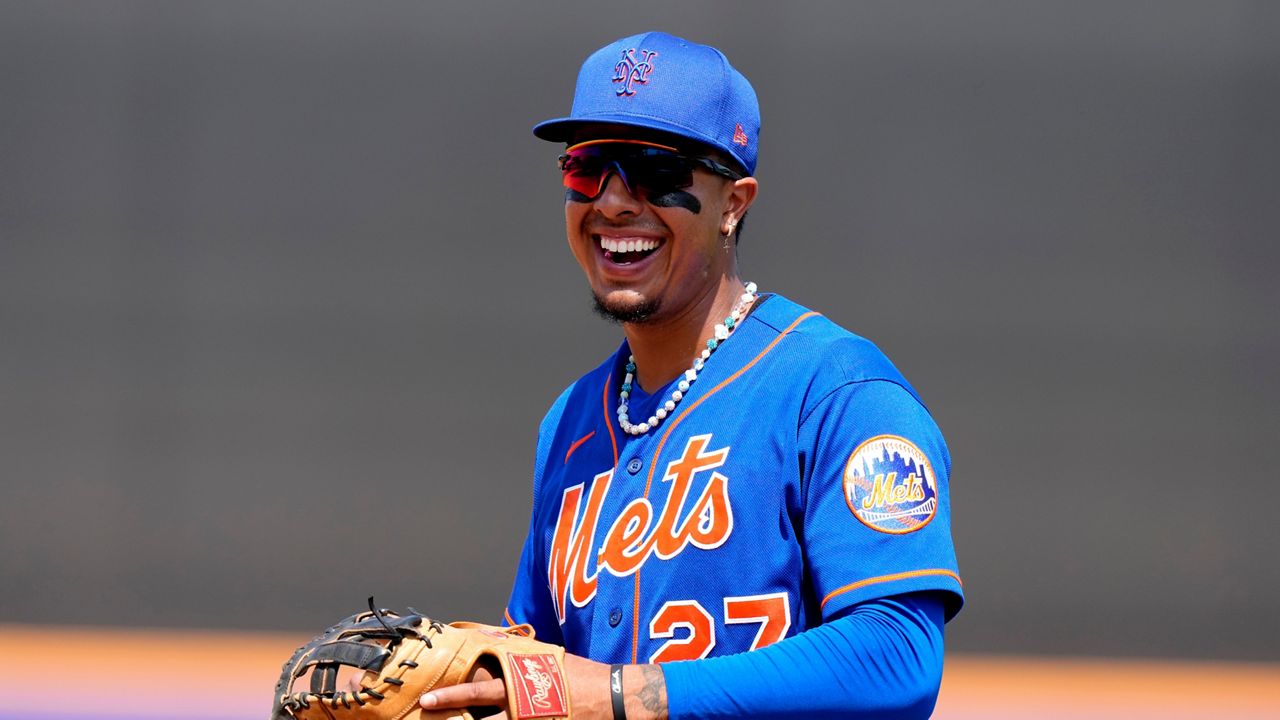
During the offseason, analysts and reporters frequently generate hypothetical trade proposals to evaluate potential roster fits and financial considerations. One such scenario recently surfaced in a detailed mock trade published by Bleacher Report. The proposal imagines a substantial four-player deal between Boston and New York, featuring two recognizable names: Mark Vientos of the Mets and Masataka Yoshida of the Red Sox.

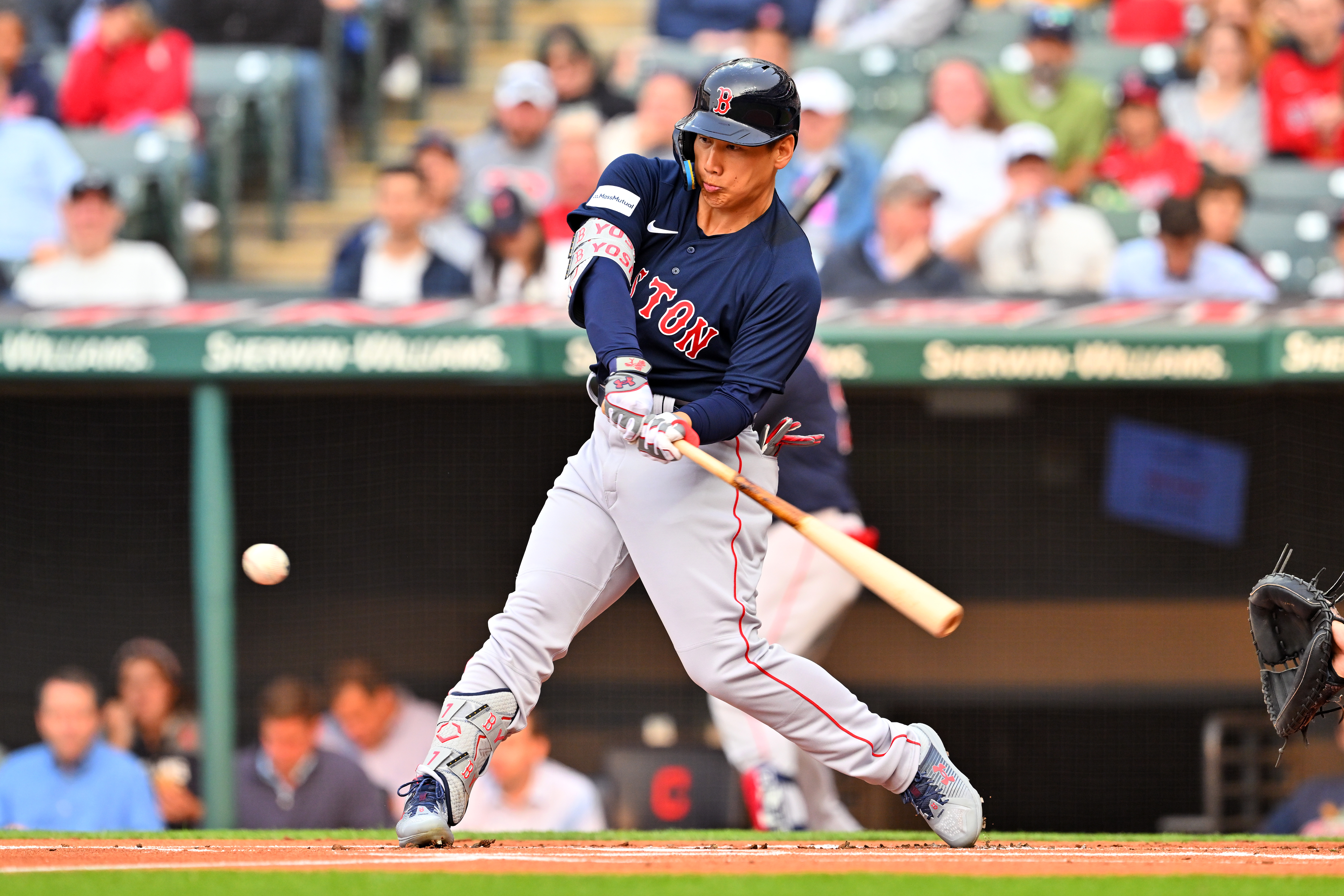
Both players have been mentioned in trade discussions in recent months for different reasons. Yoshida, who signed a five-year contract worth $90 million with Boston, has occasionally been the subject of trade rumors due to questions about his role on the team and the financial commitment tied to his deal. Moving such a contract, however, would not be simple. Any team considering a trade would need to be comfortable absorbing a significant portion of that salary.
Meanwhile, Mets infielder Mark Vientos has experienced an up-and-down trajectory over the past two seasons. After breaking out offensively in 2024 and generating optimism about his long-term potential, he struggled to replicate that level of performance during the 2025 season. With the Mets making several offseason additions to strengthen their infield depth, there is a growing possibility that Vientos may find himself without a clear everyday role once the season begins.

Because of those circumstances, the mock trade suggested by Bleacher Report attempts to address needs for both teams. The proposed deal includes four players and even involves a cash component to help balance the financial obligations between the two sides.
Details of the Hypothetical Trade
According to the proposed scenario, the trade would look like this:
- Boston Red Sox receive: third baseman Mark Vientos, left-handed pitcher Sean Manaea, and cash considerations.
- New York Mets receive: designated hitter/outfielder Masataka Yoshida and left-handed pitching prospect Connelly Early.
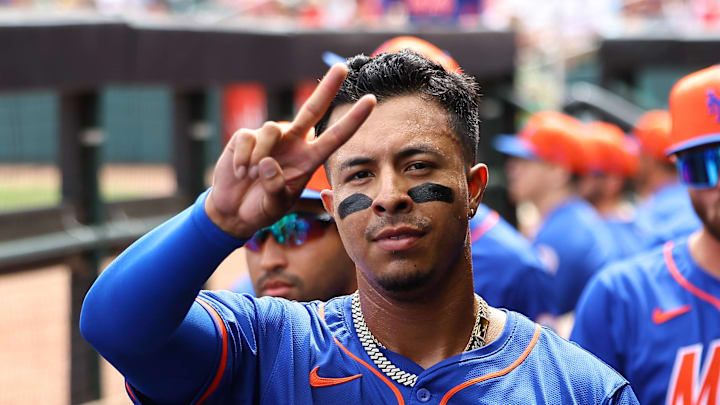
From Boston’s perspective, the most notable element of the trade would be convincing the Mets to take on Yoshida’s contract. Yoshida has shown flashes of solid hitting ability, but his overall impact has been limited by injuries and questions about his power production. During the previous season, he appeared in only 55 games, which significantly reduced his opportunity to contribute to the lineup.
In addition, Yoshida’s offensive profile has raised concerns about whether he can consistently produce the type of power expected from a player occupying a designated hitter or corner outfield role. His projected home run output appears to hover around the mid-teens at best, which may not justify a contract of his size. Because of that, the Red Sox have been exploring ways to maximize roster flexibility while potentially reallocating payroll resources.

If Boston were able to move Yoshida’s contract in this hypothetical deal, it would represent a major financial and strategic shift. Even though Yoshida remains a capable hitter with good contact skills, clearing his salary commitment could give the Red Sox additional flexibility in future roster planning.
However, the deal would not come without a cost. In order to make the trade more appealing for the Mets, Boston would likely have to part with Connelly Early, a young left-handed pitcher who has shown promise within the organization’s farm system. Early is considered a developing arm with potential upside, and losing him would represent a sacrifice for Boston’s long-term pitching depth.
Still, the trade proposal attempts to soften that loss by sending Sean Manaea to Boston in return. Manaea is a veteran pitcher with several years of major league experience, and he could potentially provide stability to the Red Sox starting rotation. While he is not necessarily a long-term solution, his track record and experience could make him a valuable contributor in the short term.
Manaea himself is also attempting to rebound from an uneven season. After showing strong form in 2024, he struggled to maintain that level of effectiveness in 2025. A change of scenery could potentially help him regain his earlier performance and become a reliable option in Boston’s pitching staff.
Why the Trade Could Benefit Boston
From the Red Sox’s perspective, the proposed deal presents several potential advantages. Most importantly, it could help the team address two key areas of need: infield depth and starting pitching.
Adding Mark Vientos would provide Boston with a player who still possesses considerable upside. Although his 2025 season did not match the success of his breakout campaign the year before, Vientos remains a young hitter with power potential. If the Red Sox coaching staff were able to help him rediscover his previous form, he could become a valuable contributor at third base or in a utility role across the infield.

Additionally, acquiring Sean Manaea could bolster the starting rotation with an experienced left-handed arm. Boston has been seeking greater stability among its pitchers, and Manaea’s experience could help fill innings while providing leadership within the pitching staff.
Of course, the most significant element of the deal from Boston’s standpoint is the opportunity to move Yoshida’s contract. Financial flexibility is an important consideration for any organization, and shedding a large salary commitment could allow the Red Sox to explore other roster upgrades in the future.

While losing Connelly Early might be difficult for the team’s front office, the addition of Manaea could offset that loss in the short term. Early remains a developing prospect, and while he may eventually become a productive major league pitcher, Boston would be acquiring an established veteran who can contribute immediately.
Why the Trade Could Appeal to the Mets
The Mets, meanwhile, would have their own reasons for considering such a deal. With several infield acquisitions already made during the offseason, the team’s roster construction has become crowded in certain areas. As a result, Mark Vientos may struggle to find consistent playing time if the current roster remains unchanged.
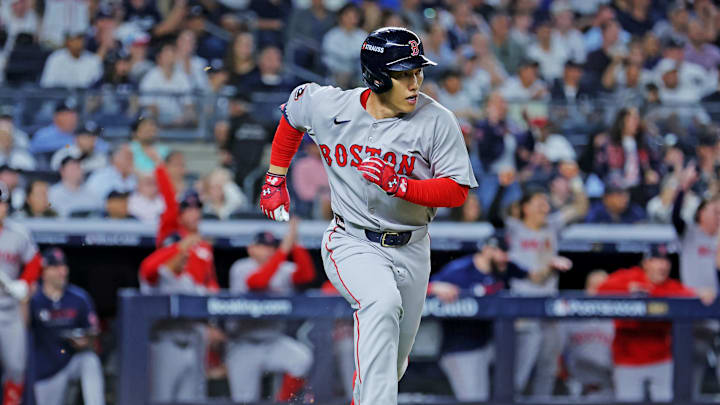
Trading Vientos could allow the Mets to reshape their lineup while also acquiring a hitter with strong contact skills in Yoshida. Although Yoshida’s power numbers may not be overwhelming, he is widely regarded as a disciplined hitter who can reach base consistently and provide professional at-bats.
For a team looking to diversify its offensive approach, Yoshida’s skill set could still hold value. Additionally, the inclusion of pitching prospect Connelly Early would give the Mets another young arm to develop within their system. Early’s potential upside might appeal to an organization that is always seeking to strengthen its long-term pitching pipeline.
Financial considerations would also play a role in the Mets’ decision. The proposal includes cash considerations from Boston, which could help offset part of Yoshida’s remaining contract. This type of financial balancing often becomes necessary in trades involving large salary commitments.
The Uncertainty Surrounding Yoshida’s Role
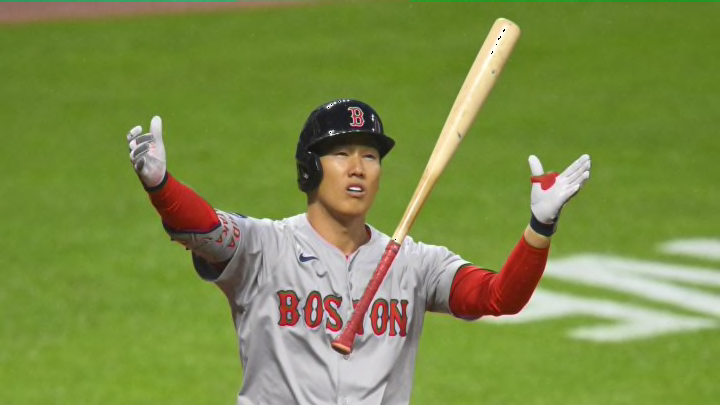
One of the primary reasons Yoshida continues to appear in trade speculation is the uncertainty surrounding his role with Boston. The Red Sox have been exploring ways to reorganize their lineup, and there is currently no clear everyday position for Yoshida on the roster.
If he were to remain with the team, he would likely spend significant time as a designated hitter. However, Boston already has multiple players who could occupy that role, which complicates roster decisions. In addition, Yoshida’s defensive limitations make it challenging to deploy him regularly in the outfield.

Because of those factors, a trade could represent the most logical solution for both Yoshida and the Red Sox. Finding a team willing to absorb at least part of his contract would be the biggest obstacle, but a club like the Mets—with financial resources and roster flexibility—might be one of the few realistic destinations.
Trade Speculation as Opening Day Approaches
With Opening Day still several weeks away, trade speculation remains a common theme across Major League Baseball. Teams are still evaluating their rosters, assessing injuries, and determining which players best fit their long-term strategies.
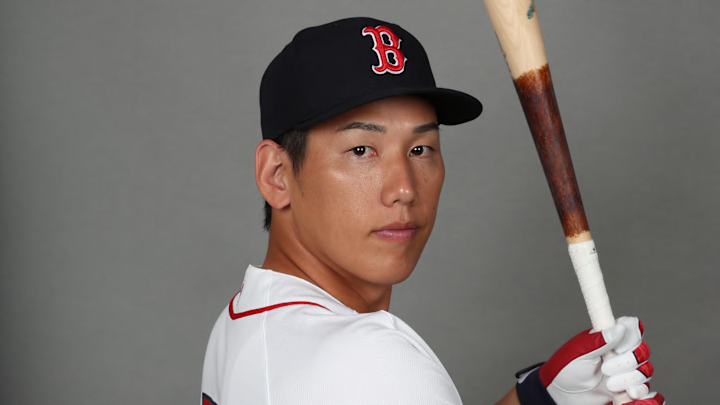
Players like Mark Vientos and Masataka Yoshida naturally become frequent subjects of hypothetical trade discussions because their current teams may not have clear starting roles for them. When that situation occurs, analysts often explore potential trade scenarios that could provide opportunities elsewhere.
While there is no guarantee that this specific proposal will ever become reality, it highlights the types of conversations that front offices across the league are likely having behind closed doors. Both the Red Sox and the Mets have demonstrated a willingness to make bold moves during the offseason, so it would not be surprising if additional transactions occur before the season officially begins.
Ultimately, whether or not such a deal ever materializes, the speculation underscores the dynamic nature of the MLB offseason. Teams are constantly evaluating ways to improve their rosters, balance their payrolls, and position themselves for success.
As the countdown to Opening Day continues, fans and analysts alike will be watching closely to see if Boston and New York decide to make one more significant move—or if this hypothetical trade remains nothing more than an intriguing offseason discussion.