Long before the Los Angeles Dodgers began to resemble what many fans jokingly call a modern baseball “evil empire,” another National League powerhouse had already developed a knack for frustrating them when the stakes were highest. That team was the St. Louis Cardinals. During the early 2010s, the Cardinals repeatedly stood in the Dodgers’ way during the postseason, building a reputation as one of the few clubs that could consistently challenge—and defeat—Los Angeles when it mattered most.
One of the most memorable chapters in this rivalry unfolded during the 2013 season. Both clubs had assembled talented rosters and were among the strongest contenders in the National League. When they finally met in the National League Championship Series that year, the matchup lived up to its billing as a clash between two elite teams. Over the course of six hard-fought games, St. Louis proved to be the better side, eliminating Los Angeles and advancing to the World Series. For Dodgers fans, the defeat was frustrating. For Cardinals supporters, it was another example of their club’s remarkable postseason resilience.
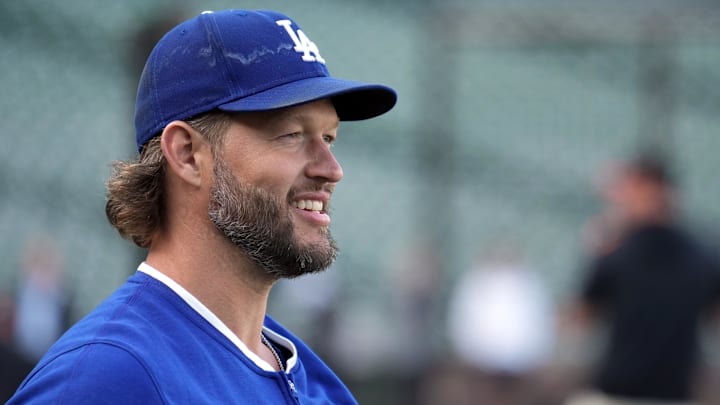
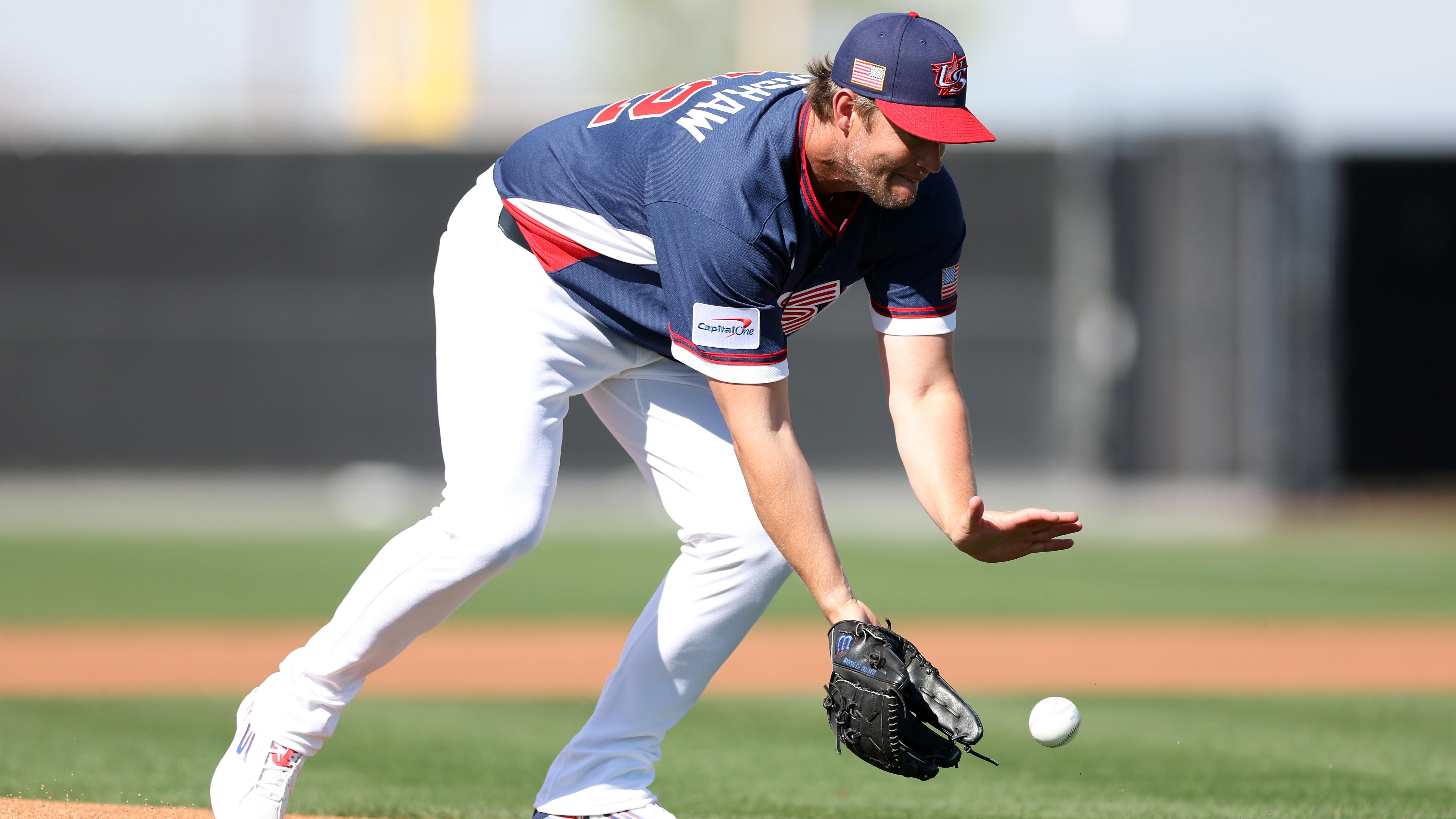
The following year, fate brought the two teams together again. In the 2014 playoffs, they faced off in the National League Division Series, renewing a rivalry that had already developed a competitive edge. Expectations were high for the Dodgers, particularly because they featured one of the best pitchers in baseball at the time: Clayton Kershaw. Widely regarded as one of the most dominant pitchers of his generation, Kershaw entered the series carrying enormous expectations. However, the Cardinals once again proved to be a difficult obstacle.
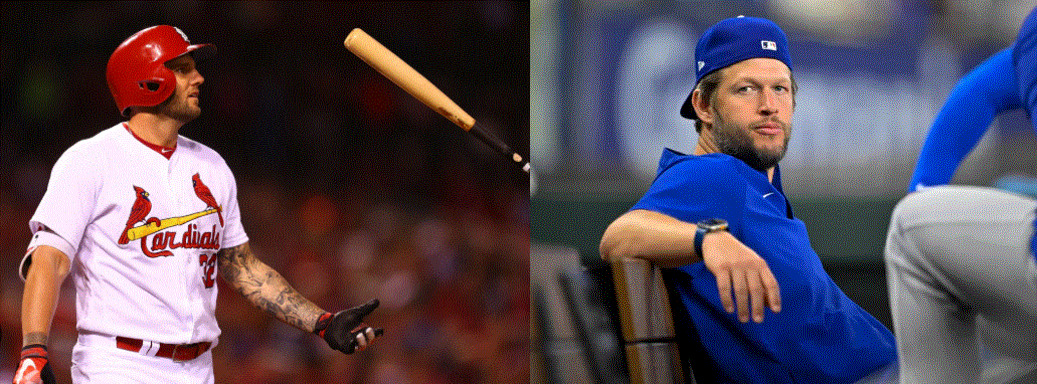
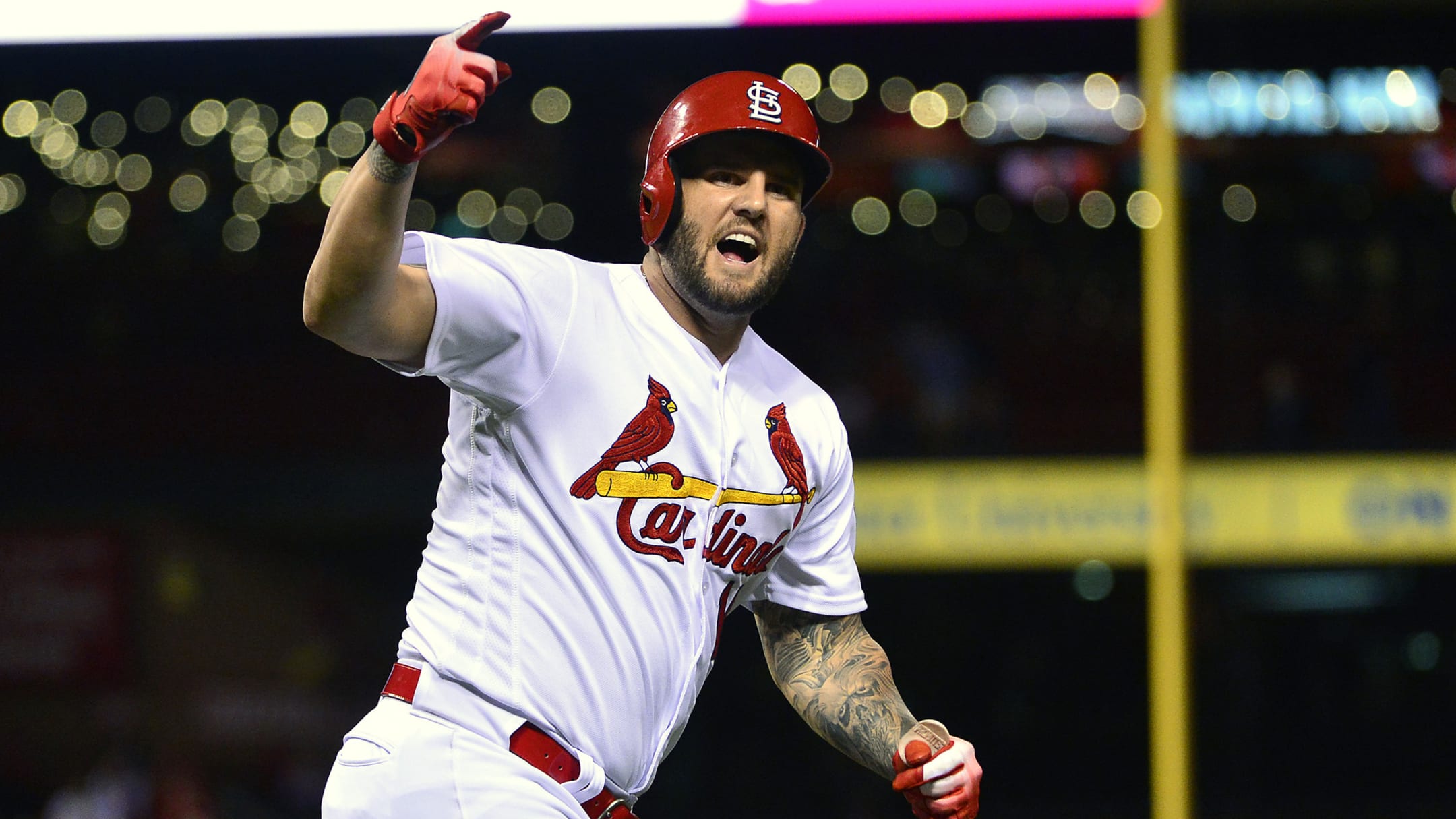
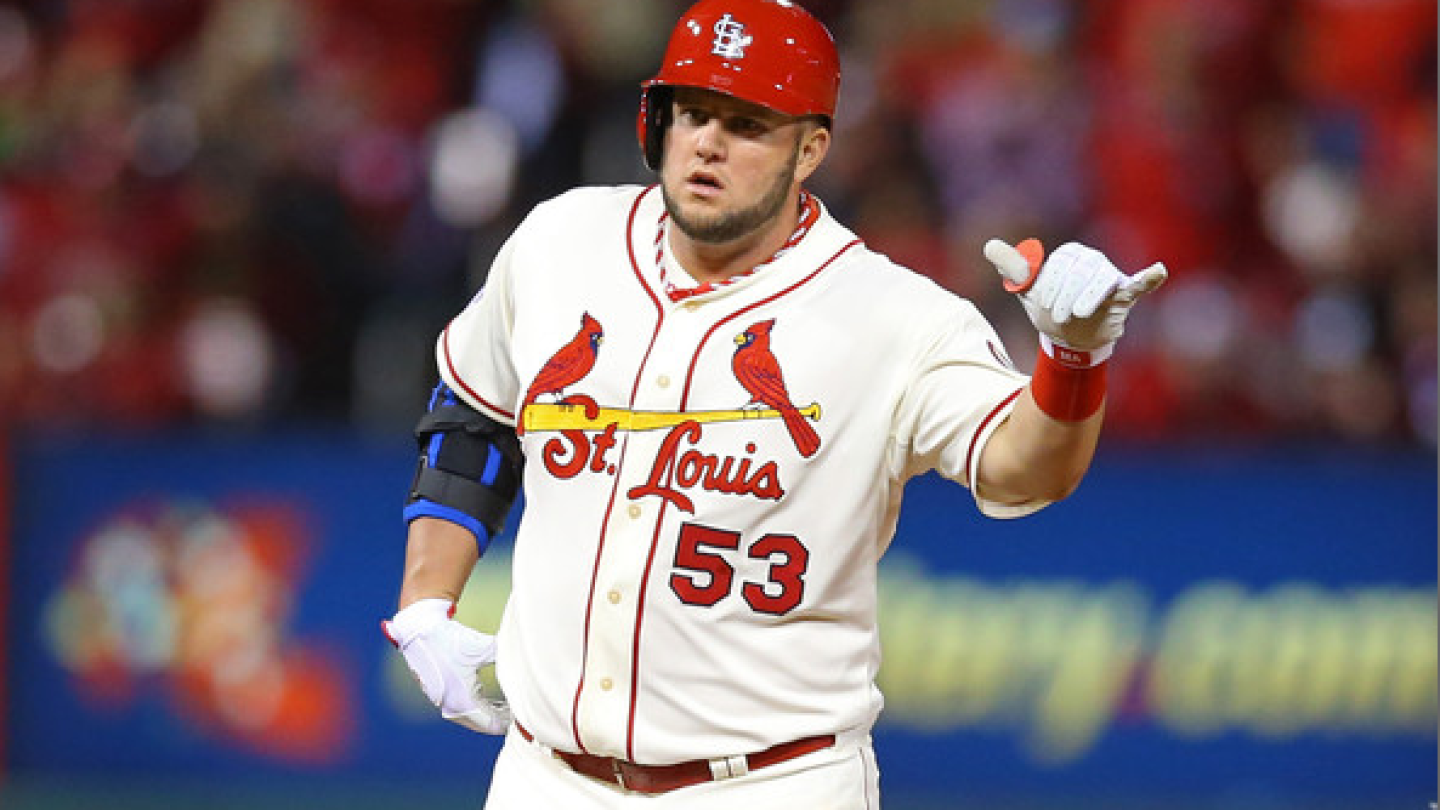
St. Louis ultimately won the series in four games, sending the Dodgers home earlier than many had predicted. But the defining moment of that series—and one that would linger in baseball memory for years—occurred in Game 4. During a tense late-inning situation, Cardinals slugger Matt Adams stepped up to the plate against Kershaw. The stakes were enormous: a single swing could determine the outcome of the game and possibly the series.
Adams delivered exactly that kind of swing.
Facing the Dodgers’ ace, Adams connected with a pitch and launched a dramatic go-ahead home run. The blast electrified the crowd and instantly shifted the momentum of the game. That one swing proved decisive. The Cardinals went on to win the contest 3–2, sealing the series and earning another trip to the NLCS. For Cardinals fans, Adams’ home run quickly became one of the defining highlights of that postseason run.
For Kershaw and the Dodgers, however, the moment represented something very different. It was another painful playoff setback against a team that seemed to have their number. Despite Kershaw’s regular-season dominance, postseason disappointments—particularly against St. Louis—became an unfortunate storyline during that era.
Years later, that moment resurfaced in an unexpected way.
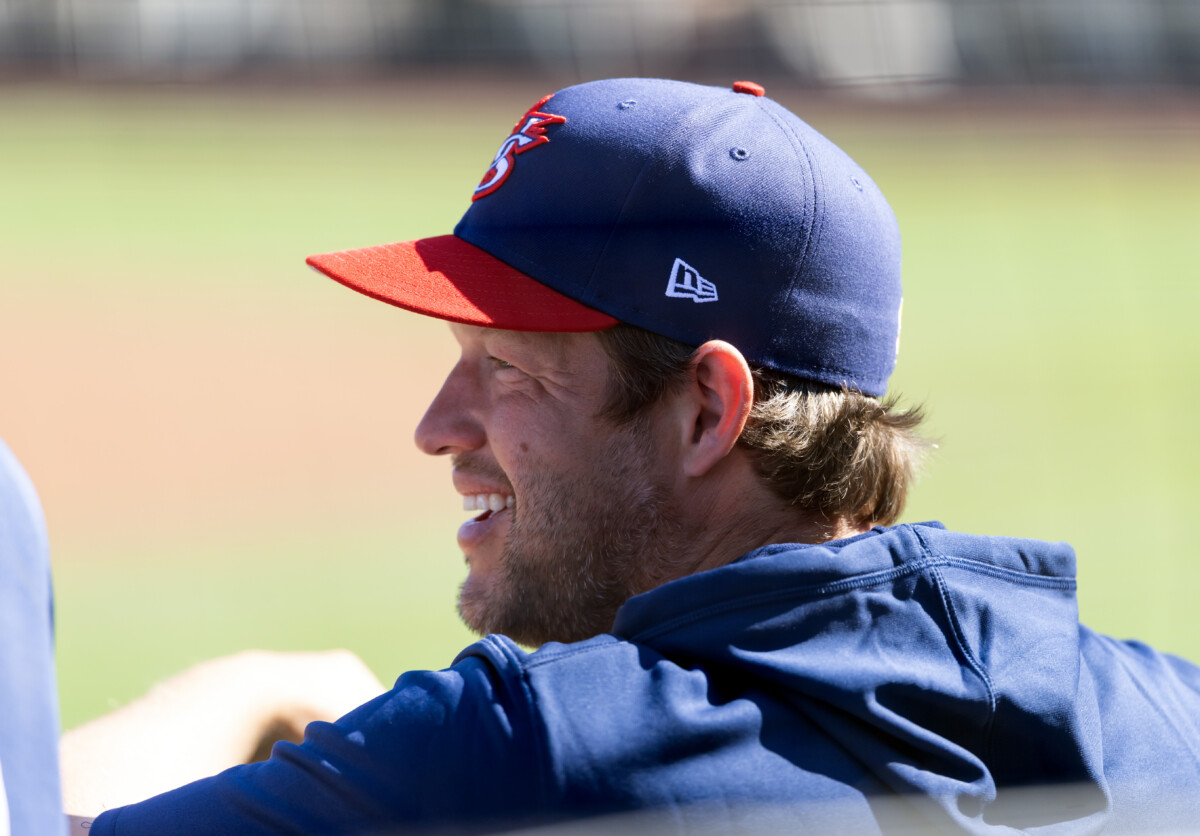
In 2025, Kershaw made what would be his final start at Busch Stadium in St. Louis. Before the game began, the Cardinals organization played a video tribute highlighting memorable moments from the franchise’s history. Among the clips included in the montage was Adams’ famous home run from the 2014 postseason. The footage showed the dramatic swing and the celebratory reaction that followed.
Kershaw did not appreciate the reminder.
After the game, he referred to the decision to show the clip as “bush league,” suggesting that he felt the gesture was unnecessary or unsportsmanlike. His reaction drew attention across the baseball world, as fans and commentators debated whether the Cardinals were simply celebrating their history or intentionally trying to provoke the veteran pitcher.

Adams himself eventually responded to Kershaw’s remarks.
Speaking about the situation, the former Cardinals slugger admitted he was somewhat surprised by Kershaw’s comments. Adams acknowledged that competitive athletes can be sensitive about painful moments from their careers, especially when those moments come in high-pressure postseason games.
“I was kind of shocked that he made those comments,” Adams said when reflecting on the situation. “But at the same time, you know he’s a competitor.”
Adams’ response was measured and respectful. Rather than escalating the situation, he recognized Kershaw’s competitive nature and suggested that the reaction likely stemmed from the intensity that elite athletes bring to their craft. Players at that level often remember every significant moment—both victories and defeats—and the emotions attached to them.
Adams also pointed out something interesting about the game that followed the video tribute. According to him, Kershaw actually pitched very well that day. In Adams’ view, the attempt to needle the pitcher may have had the opposite effect, motivating him rather than distracting him.
“He didn’t really take kindly to it,” Adams explained. “But from what I remember, he went out there and had a pretty good start. So it might have backfired a little bit for the Cardinals.”
Even so, Adams’ comments carried a hint of amusement. After all, that home run remains one of the most memorable achievements of his career. For any professional athlete, delivering a decisive postseason hit against a future Hall of Fame pitcher is the kind of accomplishment that lasts forever.

From Adams’ perspective, the situation ultimately comes down to competitive banter rather than genuine hostility. Baseball, like many sports, is filled with moments where rivals exchange playful jabs or reminders of past victories. These interactions are often part of the broader culture of competition that fuels professional sports.
During the early 2010s, the rivalry between the Cardinals and Dodgers contained plenty of tension. Both organizations were among the strongest teams in the National League, frequently competing for championships. With so much at stake, it was natural for emotions to run high when they faced each other in the playoffs.
Kershaw, as the Dodgers’ ace, was deeply involved in those battles. He experienced firsthand how difficult it was to defeat the Cardinals in October. Over the course of those two postseason series in 2013 and 2014, St. Louis managed to beat him four times—a remarkable statistic considering how dominant he was against most other teams.
Because of that history, it is easy to understand why the memory of Adams’ home run still resonates with him. For competitors at the highest level, moments like that can linger for years. They become part of the personal narrative that drives athletes to keep improving and proving themselves.
At the same time, Adams seems to view the entire episode with a sense of perspective. To him, it is simply part of the ongoing story of baseball rivalries—moments that create drama, excitement, and unforgettable memories for players and fans alike.
In reality, such incidents rarely carry lasting bitterness. Instead, they often become shared memories that add depth to the sport’s history. Fans remember the tension, the big plays, and the personalities involved. Over time, those elements blend together to create the rich storytelling that makes baseball so compelling.
The Cardinals certainly had reason to celebrate during that period. Their postseason success against Los Angeles helped reinforce the franchise’s reputation for October excellence. Cardinals fans still look back fondly on the days when their team consistently found ways to overcome one of the league’s most talented rosters.

However, the baseball landscape has changed significantly since those matchups.
Heading into the 2026 season, the two organizations find themselves moving in very different directions. The Dodgers have built one of the most dominant teams in modern baseball, capturing back-to-back World Series titles and establishing themselves as the league’s standard of excellence.
Meanwhile, the Cardinals have entered a new chapter. Under the leadership of Chaim Bloom, the franchise has begun its first full rebuilding effort in years. The goal is to reshape the roster, develop young talent, and eventually return to championship contention.
These contrasting trajectories highlight how quickly fortunes can shift in professional sports. Teams that once battled as equals can suddenly find themselves at very different stages of their competitive cycles.
Yet regardless of how the future unfolds, certain moments remain permanently etched in baseball history. Adams’ home run against Kershaw is one of those moments. For Cardinals supporters, it represents a thrilling postseason triumph. For Dodgers fans, it serves as a reminder of a frustrating era when St. Louis repeatedly stood in their path.
As for Adams, he appears to take a quiet satisfaction in knowing that his swing still resonates years later. Hitting a decisive postseason home run is something every player dreams about, and doing it against one of the game’s greatest pitchers only makes the memory more special.

In a sport built on long seasons and countless games, only a handful of moments truly stand out. Adams created one of those moments, and it continues to be remembered whenever discussions of the Cardinals-Dodgers rivalry arise.
Ultimately, the exchange between Adams and Kershaw reflects the essence of baseball itself. The game is filled with fierce competition, but it also thrives on mutual respect, shared history, and the occasional playful jab between rivals. Moments like these remind fans why the sport remains so captivating.
Years from now, both players will likely look back on that home run—and the reaction it sparked—with a mixture of pride and amusement. For Adams, it will always be a career highlight. For Kershaw, it may remain one of those challenges that helped shape his legendary career.
And for baseball fans, it will remain a vivid reminder of a time when the Cardinals seemed to have the Dodgers’ number, even when facing one of the greatest pitchers of his generation.