The New York Yankees, one of the most storied franchises in Major League Baseball, have long been synonymous with championship aspirations. Expectations in New York are always sky-high; every season brings with it the implicit demand of competing for — and ideally winning — the World Series. For a team with such a reputation and history, patience is often a scarce commodity. The organization’s approach to building a roster has traditionally leaned toward immediate success rather than gradual player development, which has influenced how prospects are handled and cultivated.
Over the decades, the Yankees have produced their fair share of homegrown stars who have risen through their farm system to make significant contributions at the major league level. Players like Derek Jeter, Mariano Rivera, and Jorge Posada are prime examples of prospects who not only fulfilled but exceeded expectations, becoming iconic figures in both franchise and league history. However, the Yankees’ commitment to winning now has often led them to make difficult decisions, including trading promising prospects to acquire established veterans who can help the team immediately contend for championships. Under the stewardship of longtime general manager Brian Cashman, this philosophy has been especially evident. Cashman, who has overseen the organization since the late 1990s, has consistently sought to balance the development of young talent with the acquisition of proven players who can address immediate roster needs. While this approach has led to some notable successes, it has also come with costs: the departure of young, high-potential players who might have become key contributors if given more time to mature within the Yankees system.
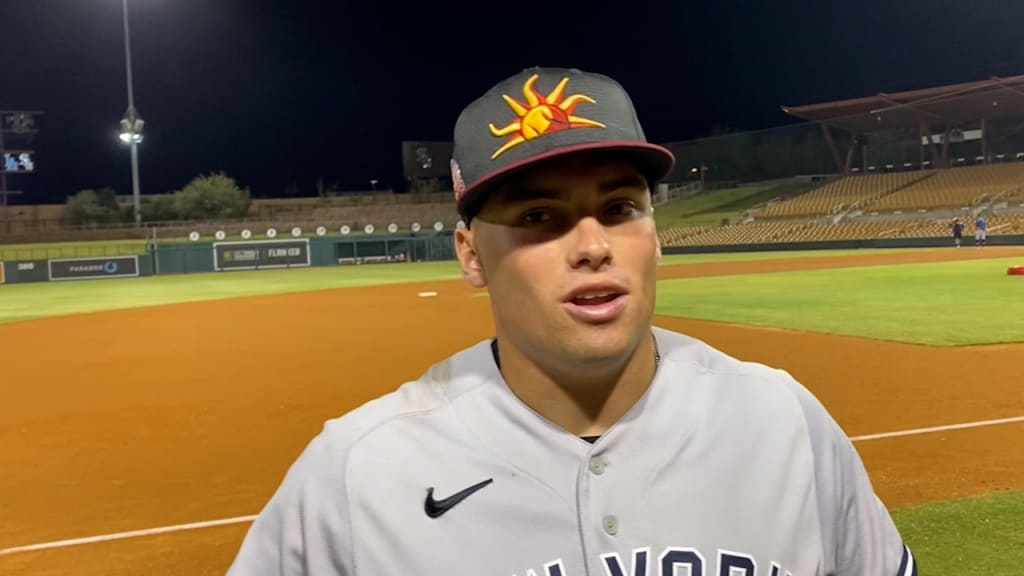
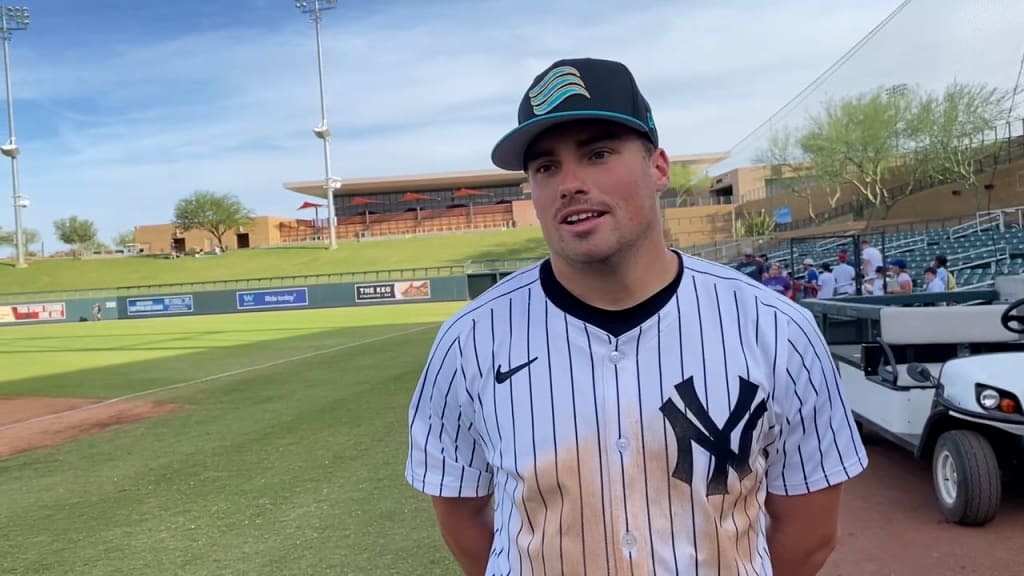
One illustrative example of this strategy in action involves the recent trajectory of infield prospect Caleb Durbin. Durbin, a versatile player capable of handling multiple positions, was considered a promising young talent within the Yankees organization. Despite his potential, the team ultimately decided to trade him in pursuit of a more immediate upgrade to their roster. Durbin was sent to the Milwaukee Brewers in exchange for Devin Williams, a two-time recipient of the National League Reliever of the Year Award. Williams, a dominant force out of the bullpen in the years leading up to the trade, was expected to fortify New York’s pitching staff and provide a critical late-inning weapon for a team with championship ambitions.
At the time of the trade, the Yankees and their fans were likely optimistic about the move. Devin Williams had already established himself as one of the league’s premier relievers, known for his devastating changeup and strikeout ability. Adding a player of his caliber fit neatly into the Yankees’ strategy of bolstering their roster with immediate-impact talent. Conversely, while Caleb Durbin showed promise, he was still in the early stages of his major league career, and like many young prospects in New York, he faced the challenge of proving himself quickly in an organization that often prioritizes veteran production over long-term development. The trade reflected the Yankees’ willingness to gamble on proven talent, even if it meant sacrificing future potential.
However, the outcome of this exchange has not unfolded as the Yankees might have hoped. Devin Williams struggled to replicate his prior success during his lone season in the Bronx. While he had previously dominated in Milwaukee, his performance in New York failed to meet expectations, leading the team to allow him to leave for the New York Mets during the offseason. Meanwhile, Durbin flourished after leaving the Yankees’ system. With the Brewers, he quickly emerged as a key contributor, showcasing both his skill and adaptability on the field. His performance was recognized league-wide, as he earned third place in the National League Rookie of the Year Award voting — an impressive accomplishment that underscored his value as a player and highlighted the potential the Yankees had let slip away.
Durbin’s journey did not stop with the Brewers. In a twist that adds another layer of intrigue to his story, he was recently traded to the Boston Red Sox, one of the Yankees’ most historic rivals. This move further cemented the narrative of a promising former Yankee prospect finding success elsewhere while New York continues to navigate the balance between immediate gains and long-term player development. According to MLB.com reporter Ian Browne, the Red Sox acquired Durbin as part of a six-player trade designed to reshape their infield. Browne noted that, despite his relatively small stature at 5-foot-7, Durbin made a significant impact for the Brewers in the previous season, combining strong strike zone awareness with a reliable bat. For the Red Sox, he represented an immediate upgrade and a player capable of contributing at multiple positions, reflecting the organization’s commitment to enhancing its roster through strategic acquisitions.

Early indications suggest that Durbin is making the most of his opportunity in Boston. During Spring Training, he has demonstrated a strong command at the plate and in the field, slashing an impressive .357/.438/.500 through his first appearances. Such numbers suggest that he is not only capable of holding an everyday role but also thriving in one. As he continues his transition from a highly regarded prospect to a dependable, everyday contributor on a playoff-caliber team, his development serves as a reminder of the sometimes unpredictable nature of player evaluation and talent cultivation in professional baseball.

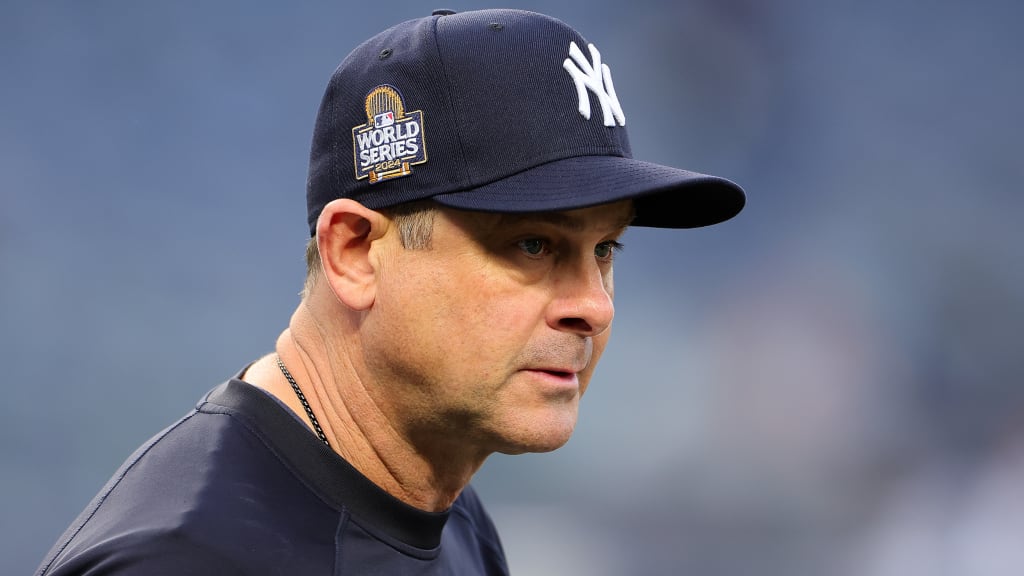
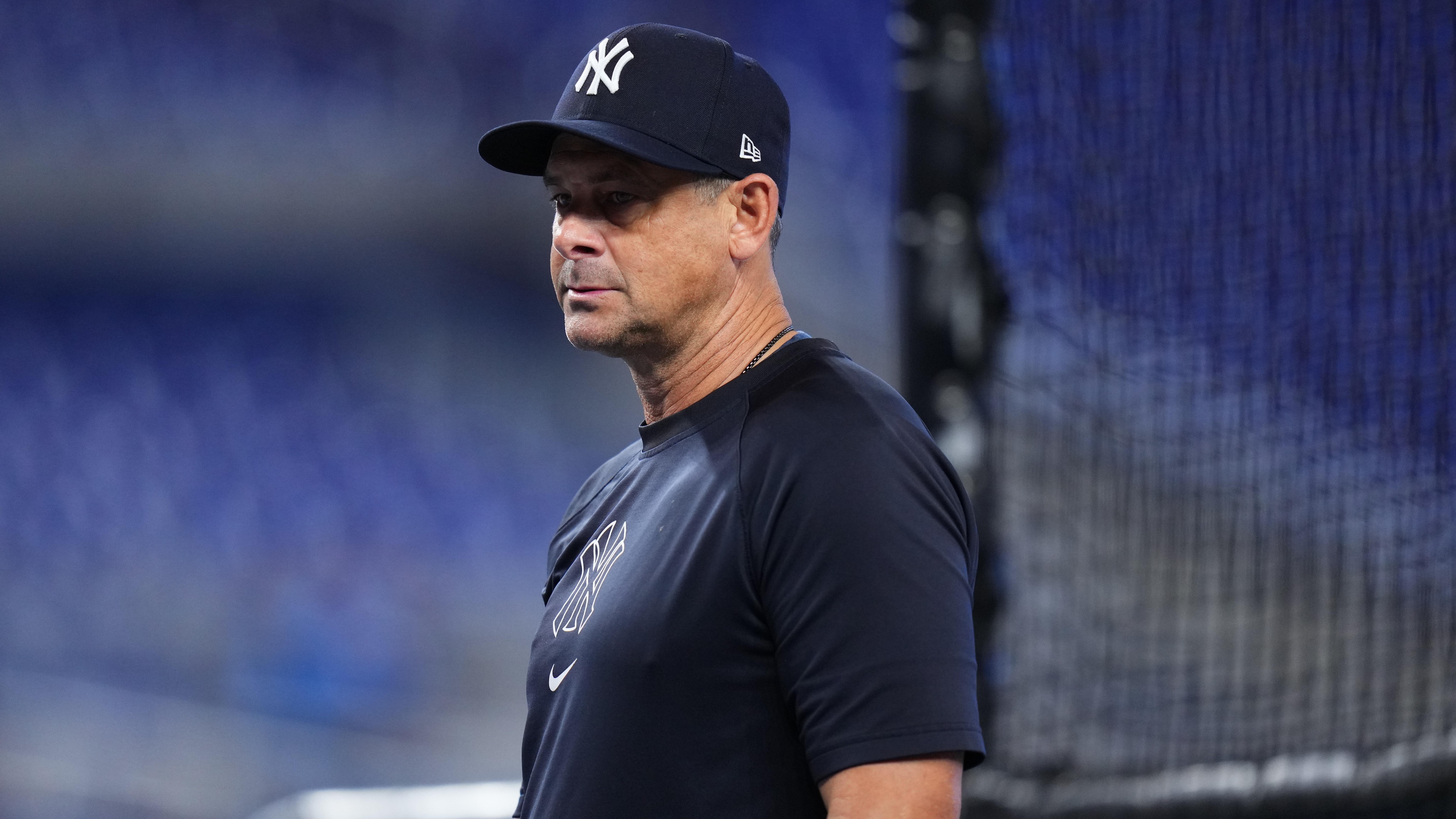
The Yankees’ decision to trade Durbin has not gone unnoticed by their current management. Aaron Boone, the team’s manager, expressed both respect for Durbin and a hint of regret regarding the move. Speaking before a Spring Training matchup between the Yankees and the Red Sox, Boone acknowledged the difficulty of parting with a player of Durbin’s caliber. “I remember it being hard to trade him,” Boone said. “I like the player. Just does a lot of things well. Just a good ballplayer, all around. Can play multiple positions… Even though we were getting a frontline closer, which I was excited about, it was hard to see Durbin go just because he is a quality player.”
Boone’s comments highlight a recurring tension in the Yankees’ roster-building philosophy. On one hand, the team consistently seeks to add high-impact veterans capable of pushing the club toward immediate championship contention. On the other, trading away young talent carries inherent risks, particularly when those players go on to excel with other teams. The story of Caleb Durbin exemplifies this delicate balance, showing how the pursuit of short-term gains can sometimes come at the expense of long-term player potential. In this case, the Yankees’ gamble on Devin Williams did not yield the expected results, while Durbin’s post-Yankees trajectory suggests that the team may have lost a player who could have grown into a cornerstone of their roster.
The Yankees’ approach is not unique in professional baseball, particularly among franchises with high expectations and a tradition of success. Teams with perennial championship ambitions often face immense pressure to win now, both from ownership and from the fanbase. For the Yankees, this dynamic is amplified by the team’s history and the city’s culture, which demand immediate results. As a result, prospects often find themselves in a position where their opportunities are limited, and their development must be rapid to align with the organization’s competitive timeline. While some prospects thrive under this pressure and become household names, others find that their path to success requires leaving the Yankees’ system and proving themselves elsewhere.
Caleb Durbin’s experience also underscores the broader realities of roster management in Major League Baseball. Trades, acquisitions, and player development are all part of a complex equation that teams must balance. For the Yankees, the decision to trade a young infielder for a proven reliever made sense in theory; it addressed an immediate need in the bullpen and added a player with a track record of success. In practice, however, the move did not yield the anticipated results, and Durbin’s continued rise with other teams highlights the inherent uncertainty of player evaluation and the unpredictable nature of talent maturation.
The narrative of Durbin’s journey — from a promising Yankee prospect to a key player for the Brewers, and now an everyday contributor for the Red Sox — also adds an intriguing layer to the longstanding rivalry between New York and Boston. For fans of the Yankees, seeing a former prospect flourish in the uniform of their historic adversary may sting, particularly given the struggles of the player they acquired in return. Meanwhile, for Red Sox fans, Durbin represents both a valuable asset and a symbolic win in the ongoing competition between the two franchises. His development and performance may continue to fuel discussions around player evaluation, trade strategy, and the broader challenges of balancing immediate success with long-term growth in professional baseball.
Boone’s acknowledgment of Durbin’s quality as a player also illustrates a key point about the Yankees’ organizational culture: the recognition of talent, even when it leaves the franchise, is still important. While the team’s primary focus remains winning championships, there is also an understanding among managers and staff that the players who come through the system represent not only the future of the franchise but also the broader talent pool within the league. Durbin’s journey serves as a reminder that the development of young players is a nuanced process, shaped by opportunity, timing, and the strategic priorities of the organization.

Looking forward, the story of Caleb Durbin may serve as a case study for the Yankees and other franchises facing similar decisions. How teams manage their young talent, particularly in high-pressure environments, can have lasting implications for both the organization and the players themselves. Durbin’s early success with the Red Sox suggests that patience and development can pay off, even if that success occurs outside the organization that initially nurtured the talent. For the Yankees, the trade represents both a missed opportunity and a lesson in the unpredictable nature of baseball development. For Durbin, it represents a chance to prove his abilities on a consistent, high-profile stage, reinforcing the idea that talent and perseverance often find a way to shine, regardless of initial setbacks or organizational decisions.
In summary, the Yankees’ longstanding approach of prioritizing immediate success over gradual player development has produced a mix of outcomes. While it has yielded some iconic homegrown stars and allowed the team to consistently compete at the highest level, it has also led to difficult trades and the departure of promising young players. Caleb Durbin’s career trajectory illustrates this dynamic vividly. Traded from the Yankees to the Brewers for a high-profile reliever, and then later moving to the Red Sox, Durbin has shown that talent can flourish when given the opportunity, even if that opportunity arises outside the Yankees’ system. As he continues to establish himself as a reliable, everyday player in Boston, his story serves as both a cautionary tale and a testament to the unpredictable nature of baseball development, offering lessons for teams, managers, and fans alike about the balance between winning now and nurturing future stars.

The Yankees’ gamble on Devin Williams did not yield the desired impact, while Durbin’s continued rise highlights the risk inherent in trading high-potential prospects. For Aaron Boone and the Yankees, this may be one of those moments that prompts reflection on the organization’s broader approach to talent management. At the same time, for fans of Major League Baseball more broadly, it provides a compelling narrative of player growth, strategic decision-making, and the ongoing drama that unfolds both on and off the field. The story of Caleb Durbin is a reminder that the path from promising prospect to established major league contributor is rarely linear, shaped as much by opportunity and timing as by talent alone. And in the world of professional baseball, where expectations are high and decisions are scrutinized, the outcomes of those choices can resonate for years — both for the players involved and the franchises that made them.