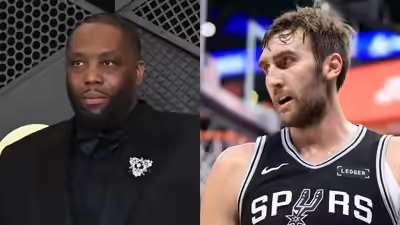
The Atlanta Hawks recently generated significant conversation across the basketball world when the franchise revealed plans for a themed event celebrating one of the city’s most well-known nightlife destinations, Magic City. The promotion, called “Magic City Night,” is scheduled to take place on March 16 during the Hawks’ home matchup against the Orlando Magic. What initially seemed like a playful nod to Atlanta’s local culture quickly evolved into a wider debate, drawing reactions from NBA players, fans, commentators, and figures in the entertainment industry.
The announcement alone was enough to spark curiosity and intrigue, as Magic City holds a unique place within Atlanta’s cultural landscape. The venue is not just another nightlife spot; it has long been associated with the city’s music scene, sports community, and broader social culture. Because of that reputation, the Hawks’ decision to spotlight the club during an official NBA event immediately caught attention, both positive and negative.

While some fans praised the team for embracing a piece of Atlanta’s identity, others questioned whether it was appropriate for an NBA franchise to publicly celebrate a location known primarily for adult entertainment. The promotion quickly became a topic of discussion across social media platforms, sports talk shows, and online forums.
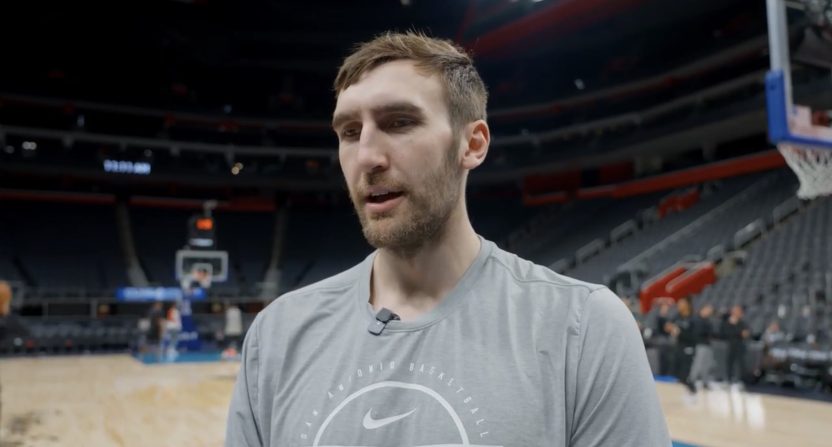
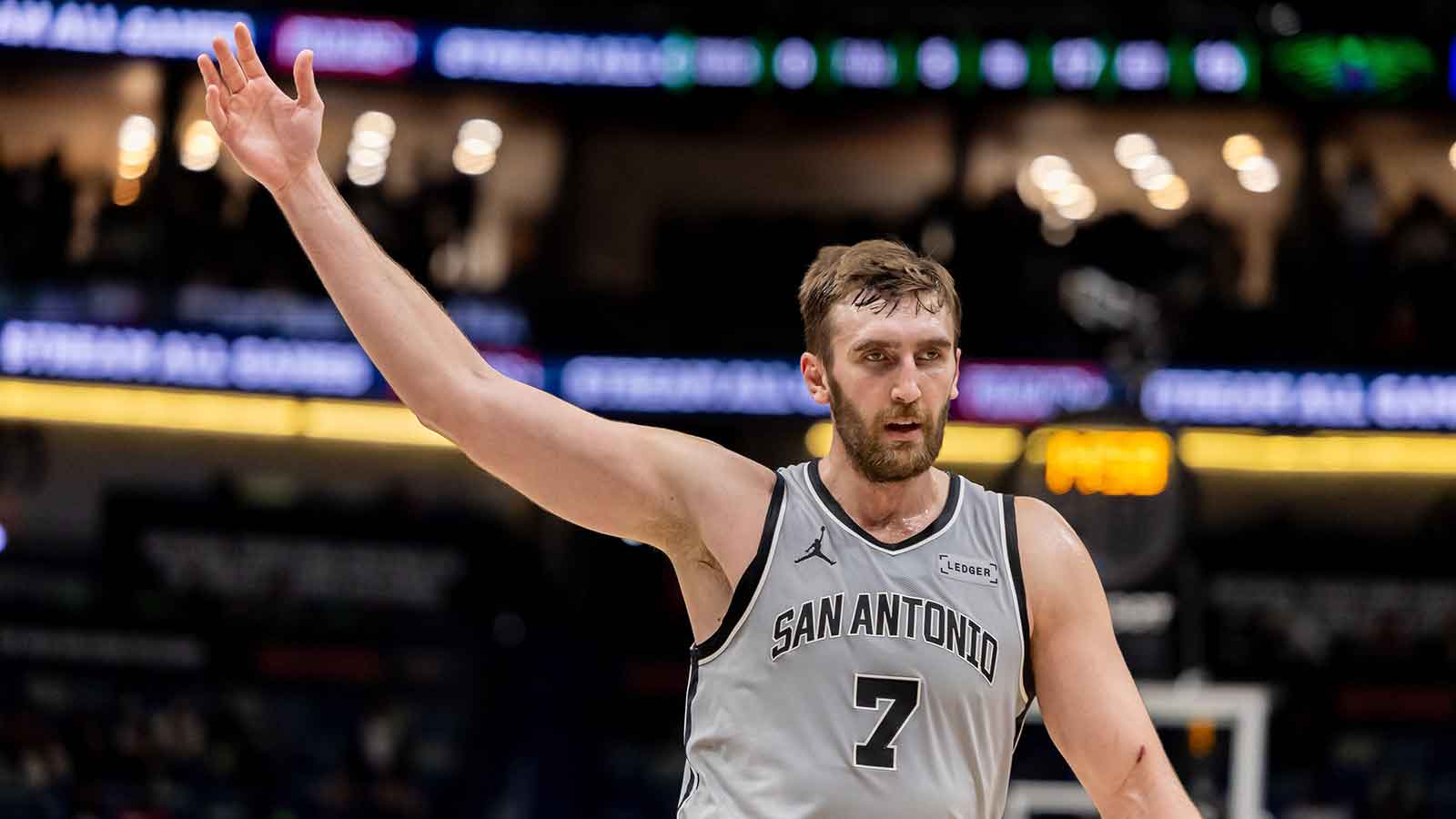
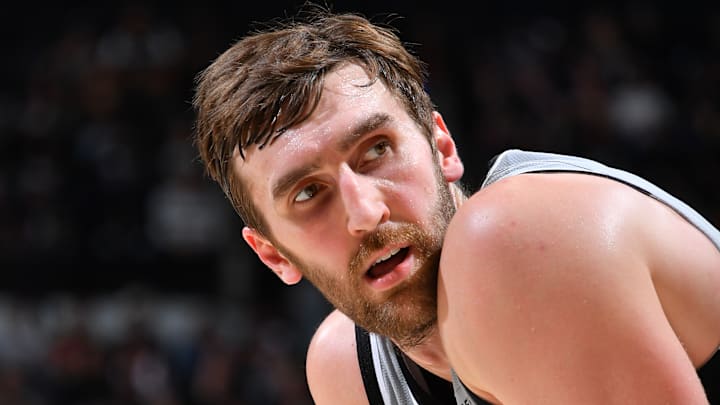
One of the most notable voices to criticize the event was NBA player Luke Kornet. Kornet publicly expressed his disapproval of the Hawks’ decision, suggesting that the promotion was not the kind of image the league should be highlighting. His remarks circulated widely, adding fuel to an already growing debate about how professional sports teams should balance community culture with the public image of the league.
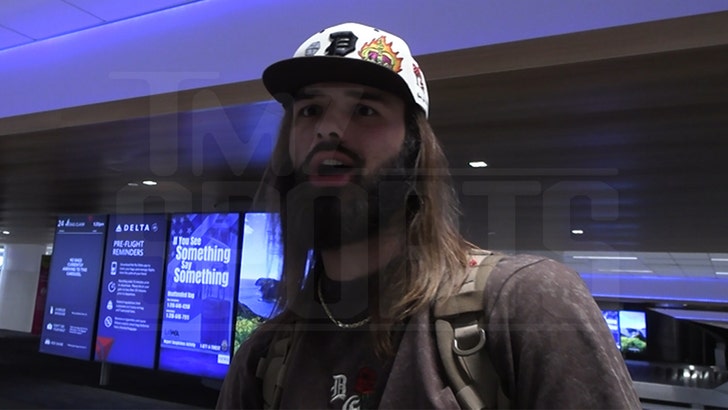
Kornet’s comments did not exist in isolation. Once the criticism became public, it opened the door for other personalities and public figures to weigh in on the matter. Some agreed with the concerns raised by the NBA player, while others felt the criticism overlooked the cultural significance that Magic City holds within Atlanta.
Among those who came forward to defend the event was Atlanta rapper, activist, and community figure Killer Mike. Known for his outspoken personality and strong ties to the city, Killer Mike quickly made it clear that he supported the Hawks’ decision to acknowledge a venue that many locals consider a cultural landmark.
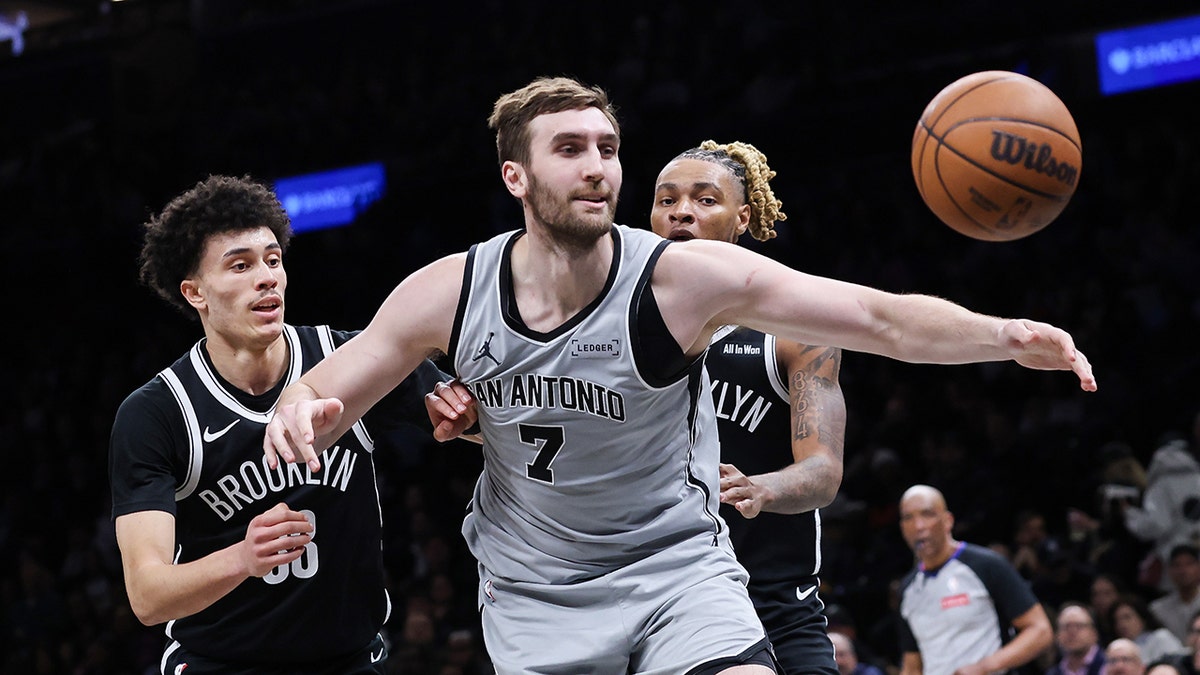
During an interview with TMZ Sports, the Atlanta native addressed the controversy directly. Rather than taking a neutral stance, he spoke passionately about what he believes critics are missing when they judge the event.
According to Killer Mike, Magic City is more than simply a nightlife establishment. He argued that outsiders often fail to understand the role the venue plays in the broader fabric of Atlanta’s social and entertainment scene. For decades, Magic City has served as a gathering place for artists, athletes, entrepreneurs, and residents who view it as part of the city’s identity.
:max_bytes(150000):strip_icc()/killer-mike-2026-grammy-awards-020126-fe72b8e313024683b55593c024e75c6c.jpg)
Mike expressed frustration with the backlash, emphasizing that many people who criticize the venue also enjoy the very aspects of Atlanta culture that Magic City represents. He pointed out that visitors frequently celebrate the city’s food, nightlife, and energy, yet some of those same voices object when that culture is publicly recognized.
Speaking candidly, the rapper dismissed the criticism in blunt terms, suggesting that those who do not appreciate the culture should simply stay out of the conversation. His comments reflected the direct and unapologetic style for which he is known.

Killer Mike also directed specific remarks toward NBA players who had voiced opposition to the promotion. In particular, he mentioned former Atlanta Hawks star Al Horford and San Antonio Spurs center Luke Kornet while discussing the controversy.
Mike’s tone was clear: he felt that players who are not deeply connected to Atlanta should not attempt to lecture the city about its own culture. By referencing Horford and Kornet by name, he made it evident that he viewed their criticism as unnecessary interference rather than constructive feedback.

In Mike’s view, Magic City represents something that goes beyond its reputation as a strip club. He emphasized that the establishment has played a role in creating opportunities for many women who have worked there. Over the years, he said, some of those performers have gone on to pursue successful lives in different directions.
According to the rapper, the venue has helped individuals build financial independence, allowing some dancers and staff members to eventually transition into other careers, businesses, and family lives. He highlighted that many women who started working there have later become entrepreneurs, mothers, spouses, and community members contributing to society in meaningful ways.
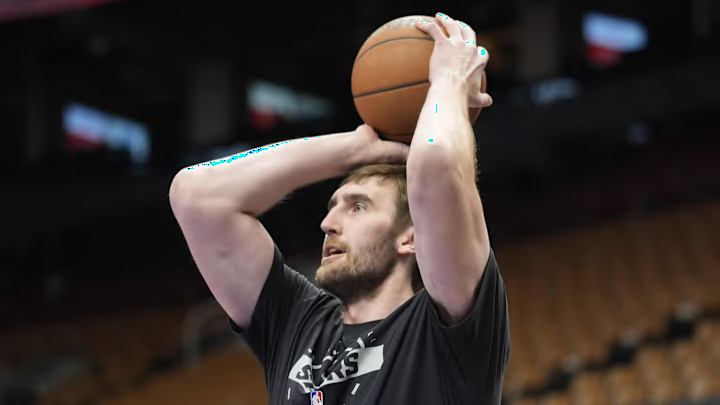
Mike argued that critics tend to overlook these realities when they reduce the venue to a stereotype. From his perspective, the club has functioned as an economic platform that has allowed people to improve their circumstances.
He also pointed out that adult entertainment has been part of Atlanta’s nightlife scene for decades and is unlikely to disappear anytime soon. Rather than pretending that such establishments do not exist, Mike believes the city has simply chosen to acknowledge them as part of its broader culture.
For him, the Hawks’ themed night does not represent a controversial endorsement of adult entertainment but rather a recognition of a local institution that has influenced music, sports, and nightlife in the city.
The rapper emphasized that trying to erase or ignore that cultural influence would not change reality. In his opinion, the debate itself reflects a larger tension between people who embrace Atlanta’s unique character and those who wish to sanitize or reshape it.
Another voice that joined the conversation was Atlanta rapper Jayy Wick. Like Killer Mike, Wick supported the idea of the Hawks honoring Magic City. He argued that the club has long been woven into the identity of the city and that acknowledging it publicly is simply an honest reflection of Atlanta’s culture.
Wick pointed out that Atlanta’s nightlife has historically been intertwined with its music scene. Many artists, producers, and entertainers have built relationships and careers through connections made in the city’s clubs. Magic City, in particular, has played a prominent role in that ecosystem.

Over the years, the venue has even been credited with helping popularize certain songs and artists. In Atlanta’s hip-hop culture, it is not uncommon for new music to gain traction after being played in clubs where DJs and dancers help determine which tracks resonate with crowds.
Because of this dynamic, Magic City has earned a reputation as a place where music trends can take off. Many artists have openly acknowledged the role the club played in boosting their careers.
Supporters of the Hawks’ promotion argue that the team’s event is simply recognizing a cultural landmark that has influenced the city in multiple ways. They see the theme night as a fun and authentic way to celebrate Atlanta’s identity during a game that already carries a playful coincidence — the Hawks will be hosting the Orlando Magic.
Still, not everyone agrees with that perspective. Some critics continue to question whether the NBA should associate itself with a venue known for adult entertainment, especially given the league’s efforts to maintain a family-friendly image.
The debate highlights the complicated balance professional sports teams often face when they attempt to connect with local culture while also maintaining a brand that appeals to a broad national and international audience.
For the Hawks, however, the decision appears to reflect a willingness to lean into the personality of their home city. Atlanta has long prided itself on being vibrant, unapologetic, and culturally influential, particularly in music and nightlife.

By organizing Magic City Night, the franchise seems to be acknowledging that the city’s identity cannot be separated from the spaces where its culture thrives.
Whether the promotion ultimately proves to be a hit with fans or remains controversial, it has already succeeded in generating widespread conversation. The discussion surrounding the event demonstrates how deeply sports, culture, and entertainment can intersect — especially in a city like Atlanta, where each of those elements plays a significant role in shaping the community.
For now, the Hawks appear committed to moving forward with the promotion despite the criticism. As the March 16 game approaches, fans and observers will likely continue debating the decision and what it represents for both the team and the league.
What is clear is that Magic City Night has already achieved something few promotional events manage to accomplish: it has sparked a citywide and league-wide conversation about culture, identity, and how sports organizations choose to represent the communities they call home.