The New York Mets are approaching a critical deadline as they prepare for the start of the 2026 Major League Baseball season. With Opening Day quickly approaching, the organization must soon determine the fate of veteran outfielder Mike Tauchman. The Mets will begin their season with a matchup against the Pittsburgh Pirates on Thursday, March 26, leaving the team with limited time to finalize their roster decisions. One of the most pressing questions currently facing the club is whether Tauchman will secure a spot on the Opening Day roster.
According to Will Sammon of The Athletic, Tauchman has a contractual opt-out clause that allows him to become a free agent if he is not added to the Mets’ roster by Wednesday, March 25. This clause effectively forces the organization to make a decision on the 35-year-old outfielder before Opening Day. If the Mets choose not to include him on the roster by that date, Tauchman will have the option to leave and pursue opportunities with another team.
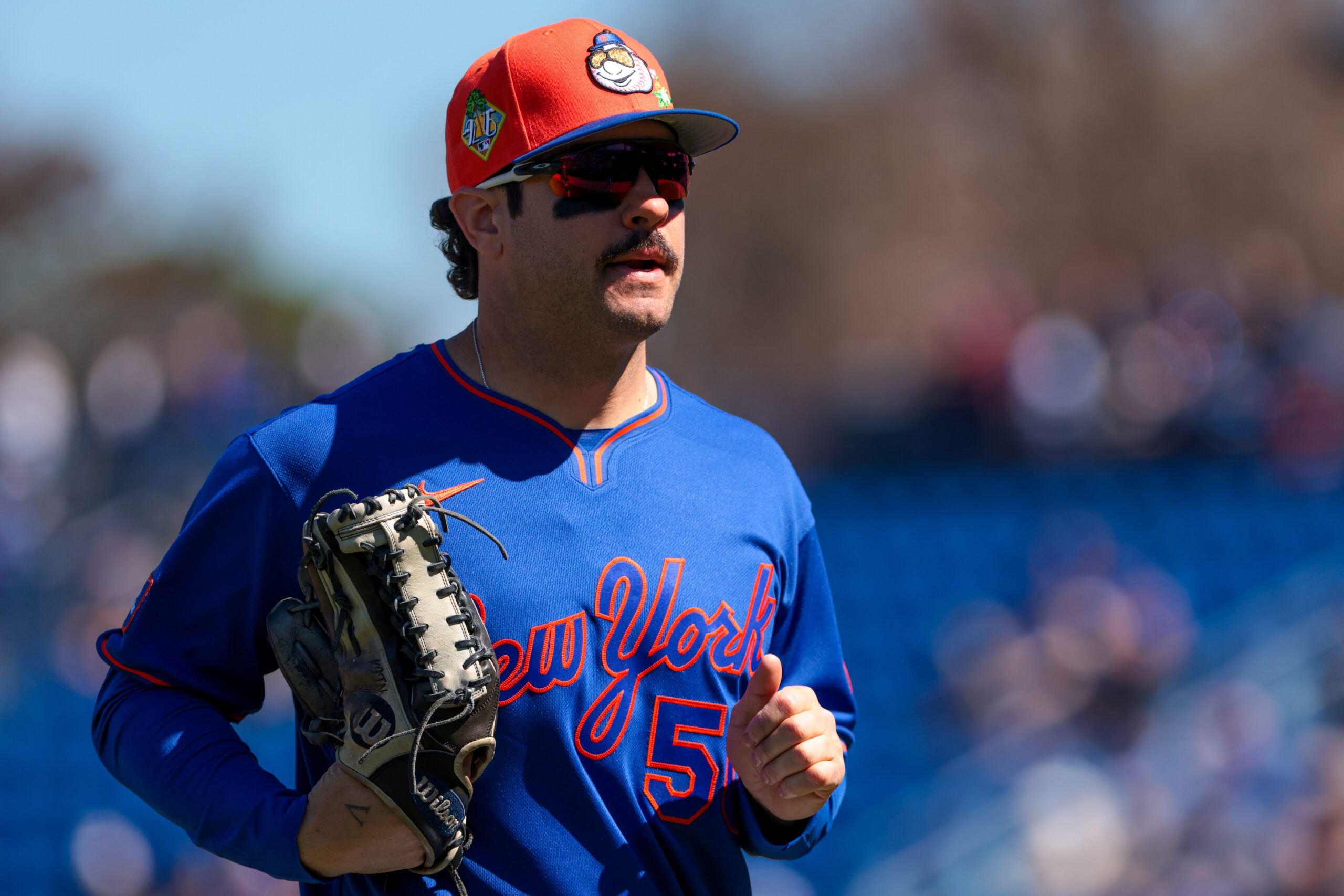
Tauchman’s situation has created an interesting competition in the Mets’ outfield during Spring Training. The veteran is currently battling for the starting right field position against two younger players: highly regarded prospect Carson Benge and former infielder turned outfielder Brett Baty. Both players have shown promise this spring, making the Mets’ decision even more difficult.
Mets manager Carlos Mendoza has spoken positively about Tauchman’s contributions during camp. Mendoza described him as an intelligent and fundamentally sound player who understands the nuances of the game. According to Mendoza, Tauchman’s experience and baseball IQ make him a valuable presence both on the field and in the clubhouse. His reputation as a reliable, savvy player has helped him remain competitive despite being one of the older players in the camp.
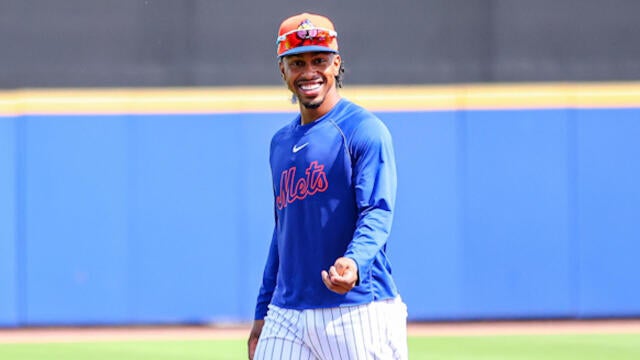
Tauchman, a left-handed hitter, has done everything possible during Spring Training to demonstrate that he deserves a roster spot. In limited action across ten spring games, he has delivered impressive offensive production. The veteran has posted a strong slash line of .333 batting average, .481 on-base percentage, and .619 slugging percentage. During that span, he has recorded three doubles and one home run while consistently reaching base and contributing offensively.
These numbers highlight the type of player Tauchman has been throughout his career: a disciplined hitter with a strong ability to get on base. His patient approach at the plate and ability to work counts have long been among his strengths. For a Mets team undergoing significant roster changes, a veteran with those qualities could prove valuable.
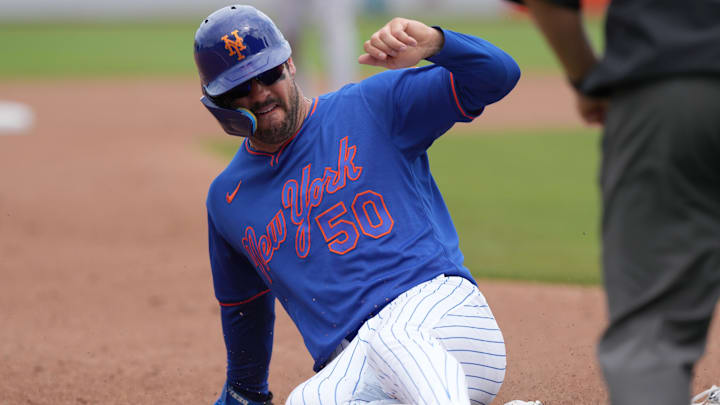
The Mets’ front office now faces a difficult decision. On one hand, Tauchman’s experience and strong spring performance make him a dependable option. On the other hand, the organization must also consider the long-term development of younger players like Benge and Baty. If the Mets choose to give the starting role to one of the younger players, they risk losing Tauchman if he exercises his opt-out clause.
Last season, Tauchman played for the Chicago White Sox and delivered a respectable campaign despite dealing with injuries. Across 93 games, he produced a solid 115 weighted runs created plus (wRC+), indicating that he performed 15 percent better than the league-average hitter. During that time, he hit nine home runs and provided versatility by appearing both as a right fielder and as a designated hitter.

Unfortunately, injuries disrupted his season on multiple occasions. Early in April, Tauchman suffered a hamstring strain that forced him to miss approximately six weeks of action. Later in the season, he sustained a meniscus tear in his right knee, which ultimately ended his season prematurely in late September. Despite these setbacks, Tauchman still managed to deliver productive offensive numbers when healthy.
Tauchman’s journey to the major leagues began when the Colorado Rockies selected him in the 10th round of the 2013 MLB Draft. After several seasons working his way through the minor leagues, he made his MLB debut with the Rockies in 2017. However, during his first two seasons in the majors, he struggled to establish himself as a consistent offensive contributor.
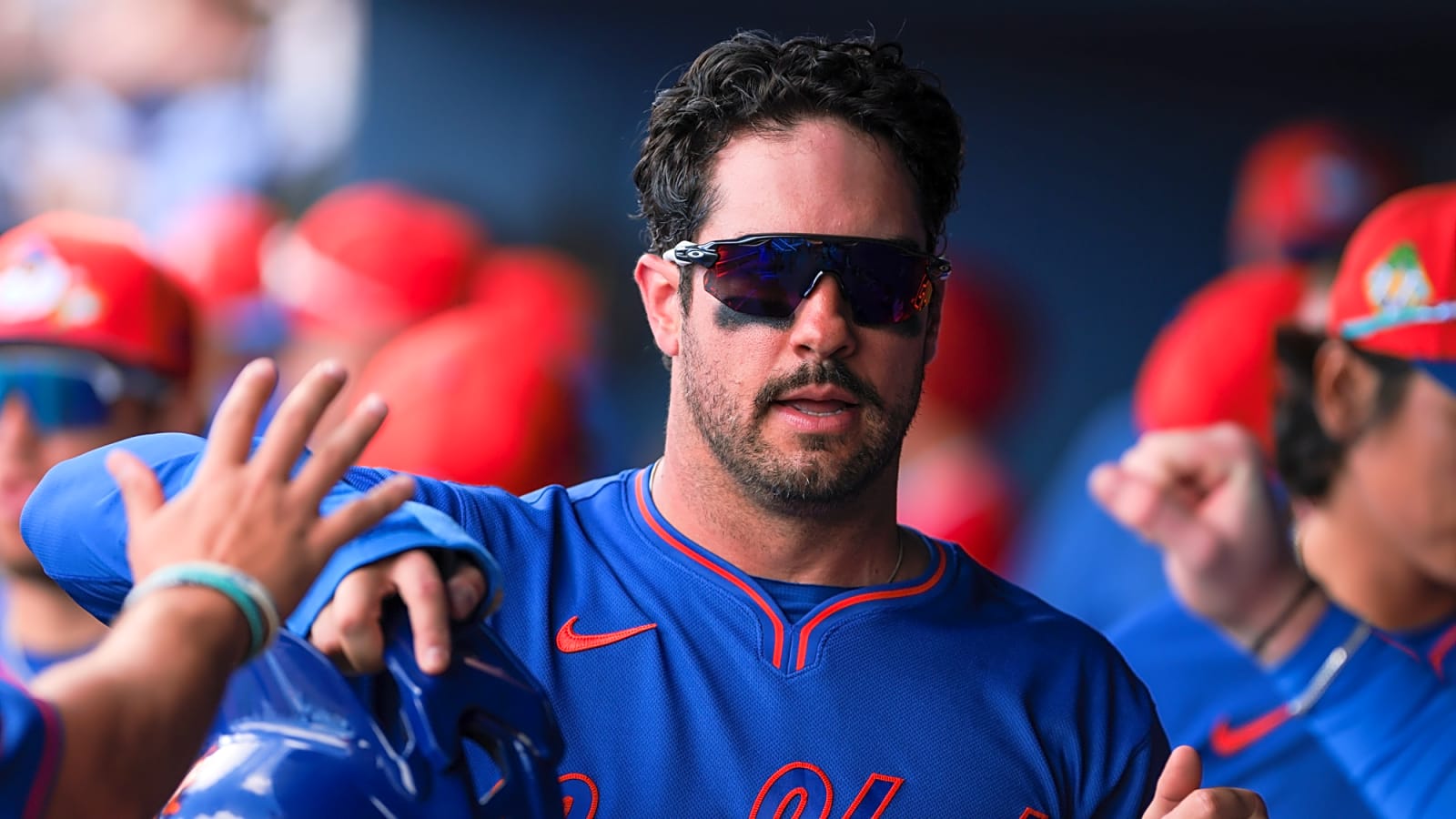
The turning point in Tauchman’s career came in 2019 when he joined the New York Yankees. The Yankees acquired him in a relatively minor trade that sent left-handed pitcher Phillip Diehl to Colorado. At the time, the move attracted little attention. However, it quickly proved to be a valuable acquisition for the Yankees.
During the 2019 season, Tauchman delivered the best performance of his career. He posted a career-high 128 wRC+, showing that he was significantly more productive than the average major league hitter. That season, he hit .277 with 13 home runs and added six stolen bases. His strong performance helped solidify his role as a reliable contributor on a competitive Yankees roster.

Tauchman spent portions of the following two seasons with the Yankees before eventually moving on to other teams. After leaving New York, he finished the 2021 season with the San Francisco Giants. The following year, he joined the Chicago Cubs, where he began to carve out a more consistent role in the outfield rotation.
With the Cubs, Tauchman established himself as a dependable player who could provide solid offense and defensive versatility. His ability to reach base remained one of his defining characteristics. Over the course of his career, he has consistently maintained a double-digit walk rate, demonstrating patience and discipline at the plate.
Eventually, Tauchman moved across town to the White Sox, continuing his pattern of providing reliable on-base production. Across 1,803 career plate appearances in the major leagues, he has compiled a .347 on-base percentage, which underscores his effectiveness as a table-setter in a lineup.
Meanwhile, the Mets’ outfield is undergoing a dramatic transformation heading into the new season. Several familiar faces are no longer part of the roster, creating opportunities for new players to step into prominent roles.
One major change came when longtime Mets outfielder Brandon Nimmo was traded to the Texas Rangers. Additionally, two other outfielders — Cedric Mullins and Starling Marte — left the team via free agency.

As a result of these departures, only one member of last year’s starting outfield remains: superstar Juan Soto. However, Soto will not occupy the same position he played previously. Instead of playing right field, he is expected to shift over to left field for the upcoming season.
To help fill the void in the outfield, the Mets made several offseason moves. One of the most significant additions was the acquisition of Luis Robert Jr., who is expected to serve as the team’s primary center fielder. Known for his defensive skills and power at the plate, Robert should provide stability in the middle of the outfield.

In addition, the Mets signed MJ Melendez to provide additional depth. Melendez offers versatility and power potential, giving the Mets another option if injuries or performance issues arise during the season.
Despite these acquisitions, the competition for the right field position remains unresolved. At the moment, Tauchman’s most direct rival for the job appears to be Carson Benge. The 23-year-old prospect is considered one of the most promising young players in the Mets’ farm system.
Benge has also performed extremely well during Spring Training. In 36 plate appearances, he has posted an impressive slash line of .406/.472/.500. His strong showing has increased the pressure on the Mets’ front office to seriously consider giving him a chance at the major league level.
However, Benge’s performance at the end of the 2025 season raises some questions. While he dominated at several levels of the minor leagues, his brief stint at Triple-A was less successful. During that stretch, he struggled significantly, hitting just .178 against more advanced pitching.

Even so, Benge’s overall minor league performance was outstanding. Across 116 games split between High-A, Double-A, and Triple-A, he posted a remarkable 150 wRC+. Those numbers indicate that he was one of the most productive hitters in the Mets’ minor league system last season.
Because of his struggles at Triple-A, the Mets may choose to begin the season by sending Benge back to the minors for additional development. Doing so would allow the organization to ensure that he gains more experience against high-level pitching before taking on the challenges of the major leagues.
If the Mets decide to go that route, it could open the door for Tauchman to secure a roster spot. Keeping the veteran on the team would provide stability and experience while allowing Benge more time to refine his game in the minors.
Ultimately, the Mets must weigh several factors before making their final decision. They must consider Tauchman’s experience, recent performance, and ability to contribute immediately. At the same time, they must balance those factors against the long-term development of younger players who represent the future of the organization.
With the March 25 opt-out deadline rapidly approaching, the Mets’ front office will soon need to determine whether Tauchman fits into their plans for the upcoming season. If they believe his experience and steady on-base skills can help the team compete right away, he may earn a spot on the Opening Day roster.
If not, Tauchman will likely explore opportunities elsewhere, continuing the journeyman career that has taken him to multiple teams across the league.
Either way, the next few days will be critical for both the Mets and Tauchman as the countdown to Opening Day continues.