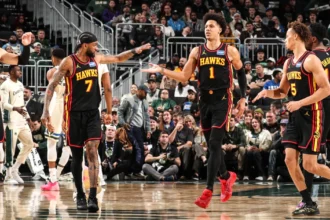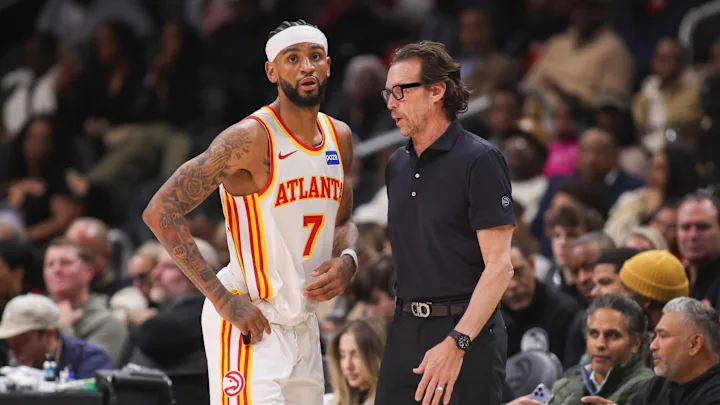
For stretches this season, the Atlanta Hawks have looked like a team capable of making serious noise in the Eastern Conference. The offense can be explosive, the pace is fast, and when everything is clicking, the Hawks can overwhelm opponents with scoring runs that change the entire rhythm of a game.
But as the season has unfolded, something else has become just as clear.
Opposing teams have discovered a weakness in Atlanta’s game—and they’re attacking it over and over again.
It’s not a secret anymore. Around the league, coaches and scouts have begun targeting the same flaw in the Hawks’ system, forcing Atlanta into uncomfortable situations and exposing problems that continue to cost them games.
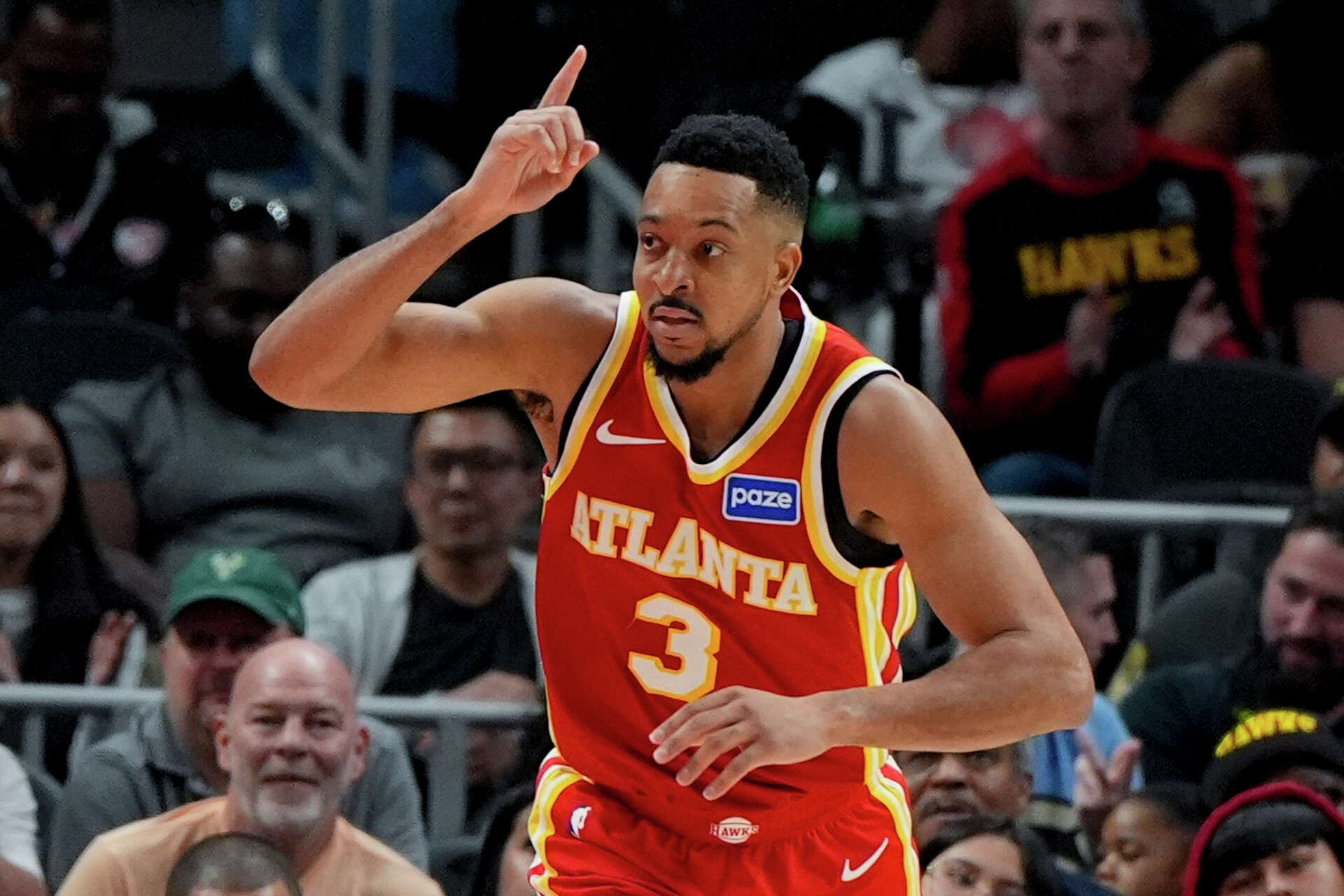
The question now isn’t whether the weakness exists.
The question is whether the Hawks can fix it before it defines their season.
The Defensive Problem That Won’t Go Away
For a team with offensive firepower, defense has been the issue that refuses to disappear.
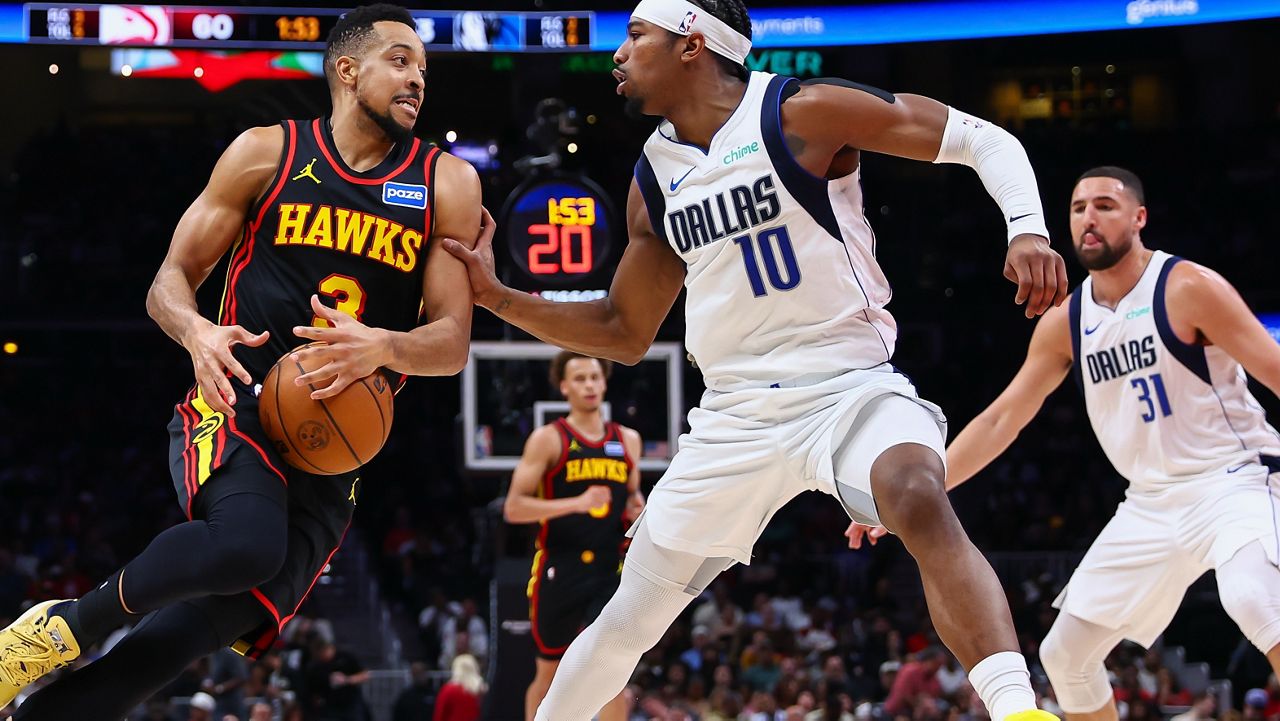
Night after night, opponents are finding success by attacking Atlanta’s interior defense. Instead of settling for jump shots, teams are aggressively driving to the basket, forcing the Hawks into difficult defensive rotations.
When those rotations break down—even slightly—it leads to easy scoring opportunities.
Layups.
Second-chance points.

Open corner threes when the defense collapses.
In today’s NBA, where spacing and ball movement are at their peak, even a small defensive lapse can quickly snowball into a scoring run. And for the Hawks, those runs have often turned manageable games into uphill battles.
Opposing teams have noticed.
And they’re adjusting their strategies accordingly.
How Opponents Are Exploiting the Weakness
The blueprint against Atlanta has become surprisingly simple.
Attack the paint early.
Force defensive help.
Then punish the Hawks when the defense scrambles.
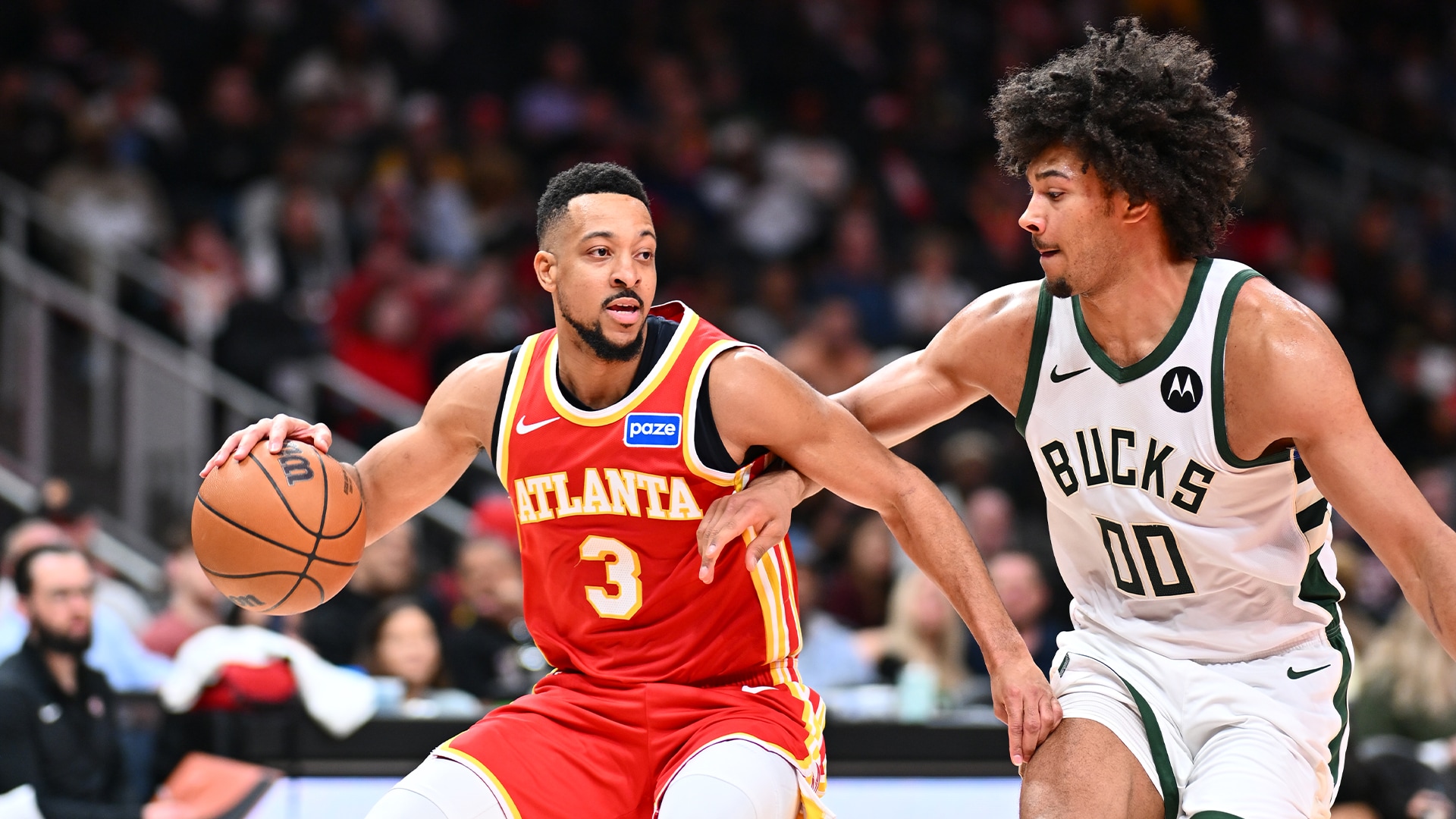
This strategy puts enormous pressure on Atlanta’s defensive structure. When a ball handler drives into the lane, defenders have to decide whether to stay with their assignment or rotate to help.
Either choice can create a problem.
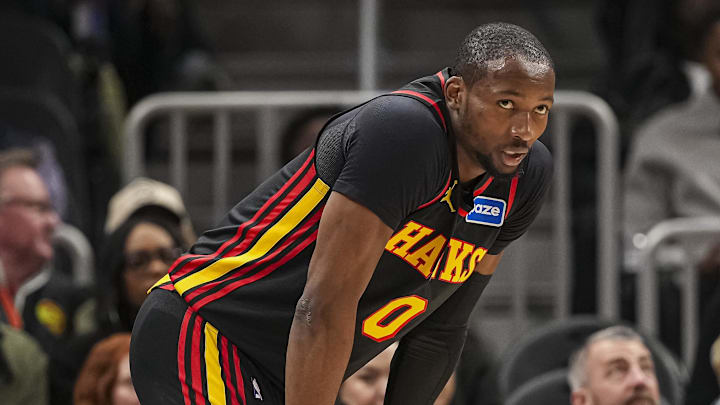
If the defense doesn’t help, the opponent gets a clear path to the basket.
If help defense arrives, shooters often become wide open on the perimeter.
It’s a difficult balance to maintain, and teams across the league are increasingly taking advantage of it.
The result?
Opponents are generating high-percentage scoring opportunities far too easily.
And once teams gain confidence attacking the rim, the Hawks’ defensive issues become even more pronounced.
Why the Problem Is So Dangerous
Every team in the NBA has weaknesses.
But the most dangerous flaws are the ones that opponents can consistently exploit.
For the Hawks, defensive vulnerability in the paint has become exactly that kind of problem.
When a team struggles to protect the rim, it creates a domino effect throughout the entire defense. Perimeter defenders become hesitant, rotations become rushed, and communication breaks down under pressure.

Those breakdowns can turn into momentum swings that change the entire game.
A five-point lead can vanish in a matter of minutes.
A close contest can suddenly become a double-digit deficit.
And for Atlanta, those moments have become frustratingly familiar.
Offense Isn’t the Problem
Ironically, the Hawks’ biggest strength is also the reason this weakness is so frustrating.
Atlanta can score.
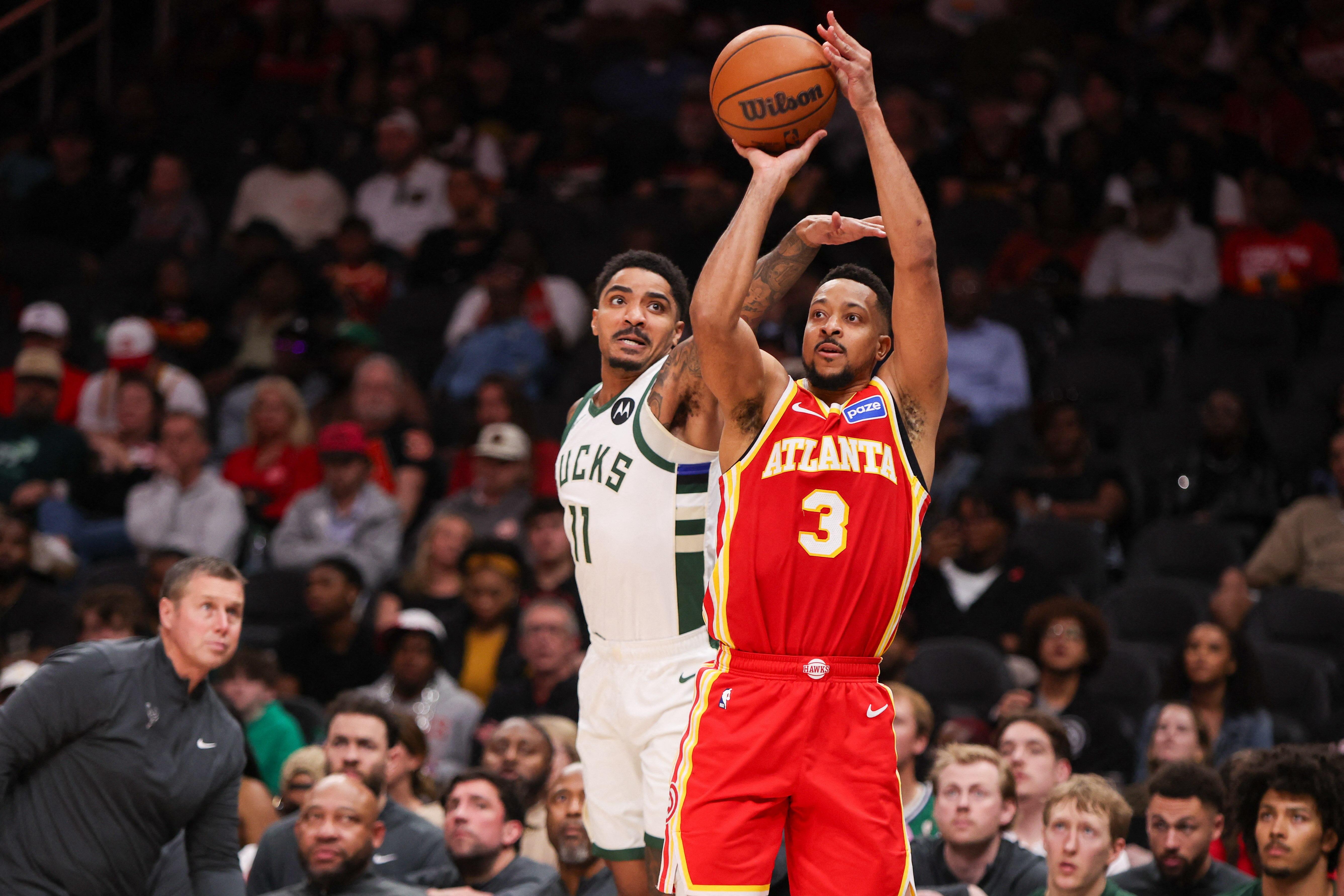
When the offense is rolling, the Hawks can put up points in a hurry. Fast breaks, perimeter shooting, and creative playmaking allow them to stretch defenses and keep opposing teams on their heels.
But basketball games aren’t won by scoring alone.
They’re won by controlling both ends of the floor.
And when defensive stops are needed the most, Atlanta has often struggled to deliver them.
That’s why games that appear under control can quickly slip away.
Even when the Hawks build momentum offensively, defensive lapses can erase that advantage almost instantly.

The League Is Paying Attention
In the NBA, information spreads quickly.
Coaches analyze game film.
Scouts break down tendencies.
Teams study every detail that might give them an edge.
Once a weakness becomes visible, opponents waste no time exploiting it.
For Atlanta, the pattern has become increasingly obvious.
Teams are attacking the paint more aggressively.
Ball handlers are testing the Hawks’ interior defense earlier in games.
And opposing offenses are actively searching for the moments when Atlanta’s defensive structure begins to crack.
When multiple teams start using the same strategy, it’s a clear sign that the league has identified a vulnerability.
And once that happens, fixing the issue becomes even more urgent.
The Pressure on Atlanta’s Defense
Defensive success in the NBA relies on several key elements:
Communication.
Positioning.
Timing.
And trust between teammates.
When even one of those elements breaks down, the entire system can suffer.
For the Hawks, maintaining consistent defensive communication has been a challenge during high-pressure stretches of games.
Rotations sometimes arrive a step too late.
Help defenders occasionally get caught between assignments.
And when opponents move the ball quickly, those small delays can create wide-open scoring opportunities.
These moments may seem minor, but in professional basketball, they make all the difference.
One missed rotation can turn into three easy points.
One failed box-out can lead to a second-chance basket.
And over the course of a game, those mistakes add up.
Why Fixing It Won’t Be Easy
Solving a defensive problem isn’t as simple as adjusting one player or one strategy.
Defense requires coordination from the entire team.
Every player must understand their role.
Every rotation must happen at exactly the right moment.
And every defender must trust the system.
When that system works, it can shut down even the most talented offenses.
But when it breaks down—even slightly—it becomes vulnerable.
For the Hawks, tightening their defense will require discipline, focus, and a commitment to improving the details that often go unnoticed.
Better communication.
Stronger rotations.
More consistent rim protection.
Without those improvements, opponents will continue attacking the same weakness.
The Stakes for the Hawks
The NBA season is long, and teams often evolve as it progresses.
Weaknesses can be addressed.
Adjustments can be made.
And struggling teams can still turn things around.
But the longer a defensive issue persists, the more difficult it becomes to ignore.
For Atlanta, the challenge is clear.
Their offensive talent gives them the ability to compete with almost anyone in the league.
But unless the defense improves, that talent may never reach its full potential.
In a league filled with elite scorers and dynamic offenses, defensive reliability is what separates contenders from teams still searching for answers.
The Path Forward
The Hawks still have time to change the narrative of their season.
Basketball history is filled with teams that struggled early before finding their defensive identity later in the year.
For Atlanta, the solution begins with recognizing the urgency of the problem.
Defensive discipline must become a priority.
Rotations must become sharper.
And protecting the paint must become a team effort.
If those improvements happen, the Hawks’ offense could once again become the headline story.
But if the defensive weakness continues, opposing teams will keep attacking the same vulnerability again and again.
Because in the NBA, once a weakness is exposed…
The entire league takes notice.
And they rarely stop exploiting it.