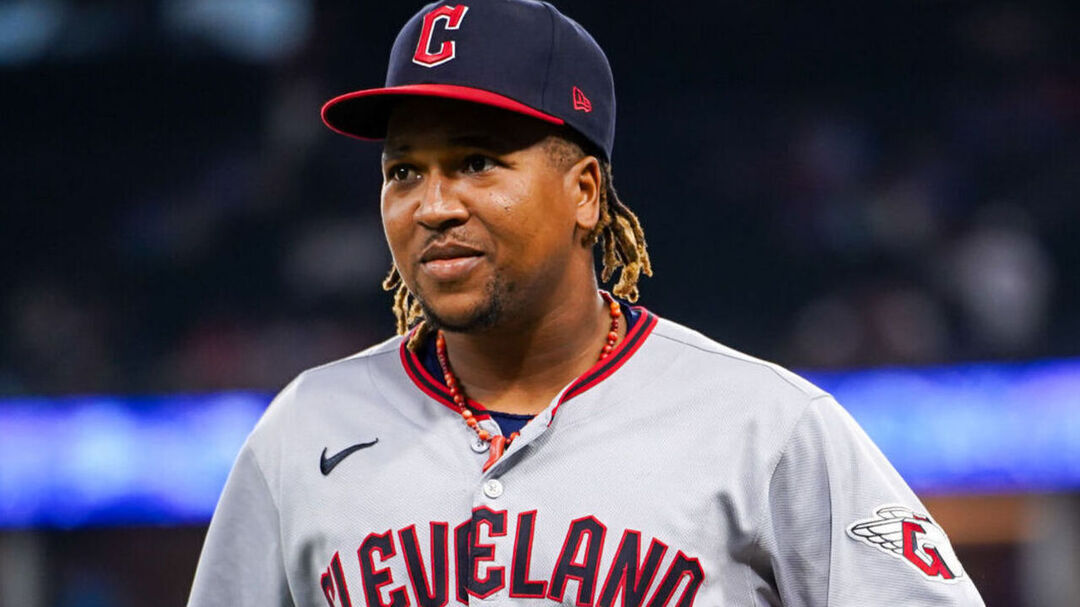
In a late spring roster move as Major League Baseball teams finalize preparations for the regular season, the Philadelphia Phillies have obtained infielder Carter Kieboom from the Cleveland Guardians in exchange for cash considerations. The transaction, first reported Saturday by MLB.com’s Tim Stebbins on X (formerly known as Twitter), represents a relatively low-risk acquisition for Philadelphia as it seeks to strengthen its infield depth ahead of Opening Day.
The timing of the trade aligns with the final stages of spring training, when organizations across the league are making last-minute roster adjustments, evaluating depth pieces, and determining which players will fill both major-league and minor-league roles. For the Phillies, the deal provides additional coverage across multiple infield positions without requiring them to surrender any players or prospects. By acquiring Kieboom strictly for financial considerations, Philadelphia retains its organizational assets while adding another experienced option to its system.

Kieboom, who is 28 years old, arrives in the Phillies organization after spending the early part of 2026 with the Guardians. Cleveland had signed him to a minor-league contract in January that included a non-roster invitation to major-league spring training. During camp, he was competing for a potential roster spot or a depth role within the organization. However, as Cleveland’s roster decisions began to crystallize late in spring training, the club opted to move Kieboom rather than retain him within its crowded infield competition.
For Philadelphia, the acquisition serves as an insurance policy as the team approaches the start of the regular season. Injuries, workload management, and unpredictable roster developments often create a need for versatile infielders who can step in when necessary. Kieboom’s experience and positional flexibility make him a logical addition to help fill that role.

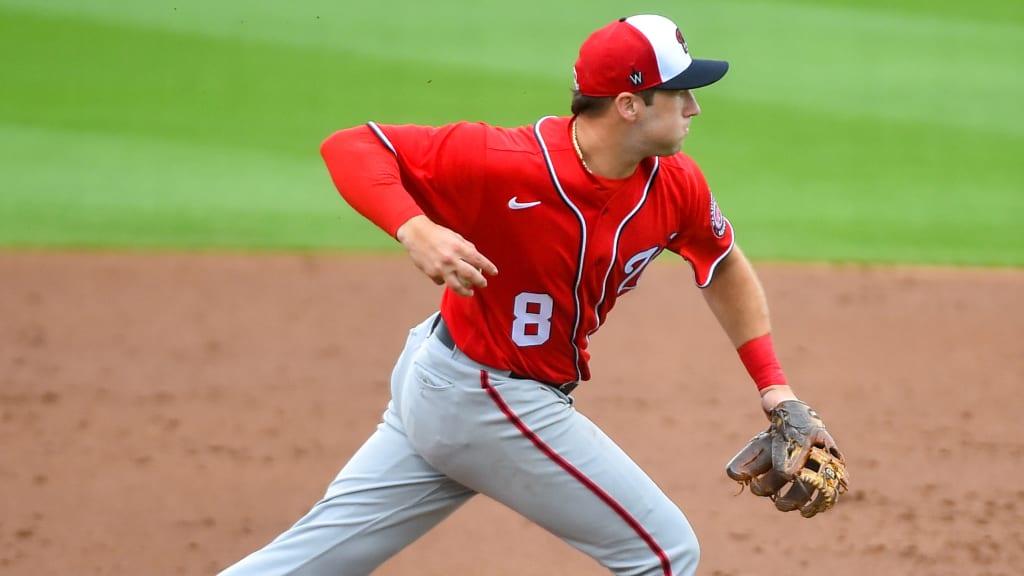
Once regarded as one of the most promising young players in the Washington Nationals organization, Kieboom built a reputation as a highly regarded prospect earlier in his career. He was known for his offensive potential and advanced approach at the plate during his minor-league development. While his transition to the major leagues did not produce the same level of success, he demonstrated consistent offensive performance in Triple-A.
Across nearly 1,600 plate appearances at the Triple-A level, Kieboom posted a strong slash line of .288 batting average, .380 on-base percentage, and .439 slugging percentage. Those numbers reflect a player capable of getting on base at a high rate while also contributing moderate power production. His offensive consistency in the upper minors has kept him on the radar for organizations seeking reliable depth players with major-league experience.
Although his production in the major leagues has been more limited compared with his Triple-A results, Kieboom’s underlying offensive profile still offers potential value. Players with a disciplined approach at the plate and experience at multiple infield positions often remain attractive options for teams seeking depth. Even if they are not everyday starters, such players can fill important roles throughout a long baseball season.
From Philadelphia’s perspective, the move fits a broader strategy of ensuring that the organization has sufficient depth across the infield. Teams often rely heavily on their minor-league systems during the course of a 162-game season. Injuries, performance fluctuations, and scheduling demands frequently require players to move between the major-league roster and the Triple-A affiliate.

By bringing Kieboom into the organization, the Phillies gain a player who can provide coverage at several positions, including third base, shortstop, and second base. That flexibility can prove valuable both at the major-league level and within the minor-league system. Depending on how roster decisions unfold, Kieboom could begin the season at Triple-A while remaining available as a call-up option if the big-league club needs reinforcements.
Another factor that makes the move appealing for Philadelphia is its minimal cost. Because the Guardians received only cash considerations in return, the Phillies did not have to part with young prospects or established players. That type of transaction allows teams to strengthen their depth without affecting long-term roster planning.

In the final days of spring training, front offices often seek opportunities like this one. Minor-league deals, waiver claims, and small trades frequently occur as teams evaluate which players fit best within their organizational structures. For players such as Kieboom, these late adjustments can create new opportunities in different environments.
A change of scenery can sometimes benefit players who are trying to reestablish themselves or carve out a consistent role. While Kieboom has spent much of his career within the Nationals organization and briefly with Cleveland, the Phillies now offer him another chance to demonstrate his abilities and potentially work his way into major-league playing time.
Philadelphia’s front office has emphasized depth and roster flexibility in recent seasons. Contending teams often recognize that the long MLB schedule requires more than just a strong starting lineup. Reliable backup players and minor-league depth options can play a critical role in maintaining competitiveness over the course of a season.
The addition of Kieboom reflects that philosophy. Even if he does not immediately appear on the major-league roster, his presence provides the organization with an experienced player who understands professional competition at the highest levels of the minor leagues.

Meanwhile, the Cleveland Guardians also benefit from the transaction in their own way. By trading Kieboom, the club clears space within its infield group while receiving a financial return on a recent minor-league signing. For teams managing crowded spring-training rosters, even relatively small adjustments can help streamline depth charts.
Cleveland entered camp with multiple players competing for infield roles at both the major-league and minor-league levels. As Opening Day approaches, organizations must narrow those competitions and determine which players best fit their immediate needs. Moving Kieboom allowed the Guardians to simplify that process while still gaining some value from the situation.

Transactions like this are common during the final weeks of spring training. Teams frequently make small trades or roster moves as they finalize their plans for the regular season. These decisions are rarely headline-grabbing, but they can have meaningful effects on roster construction and organizational depth.
For Kieboom, the trade represents another step in a professional career that has included both promise and challenges. Once viewed as a key part of Washington’s future during his prospect years, he now continues to search for a stable role in the major leagues.
Despite the ups and downs of his career path, his offensive production in the minor leagues suggests that he still possesses skills that can contribute at the professional level. Players with a strong on-base ability and experience facing high-level pitching often remain valuable assets for organizations seeking dependable depth.
The Phillies will now evaluate how Kieboom fits within their system as Opening Day approaches. Spring training performances, roster health, and positional needs will all play a role in determining where he begins the season. In many cases, players acquired in late spring trades begin the year at Triple-A before potentially earning opportunities later in the season.
Philadelphia’s Triple-A affiliate could serve as an important proving ground for Kieboom if he starts the season in the minors. Strong performance there would position him as a candidate for a call-up should the major-league club require additional infield support.
For now, the trade remains a relatively modest but strategic move for both organizations. The Phillies gain an experienced depth option with positional flexibility, while the Guardians adjust their roster and recover some financial value from a recent signing.
As the regular season draws closer, teams across Major League Baseball continue refining their rosters in similar ways. While blockbuster trades and high-profile signings often dominate headlines during the offseason, smaller transactions like this one can quietly shape the depth and resilience of a team over the course of a long season.
Ultimately, the success of this move will depend on how Kieboom performs within his new organization and whether he can translate his minor-league success into meaningful contributions at the major-league level. For the Phillies, however, the decision represents a calculated and low-cost effort to ensure they have sufficient infield depth as they prepare to begin another campaign.
With Opening Day rapidly approaching, Philadelphia’s acquisition of Carter Kieboom highlights the constant roster adjustments that take place across the league. Even in the final days of spring training, teams remain active in seeking ways to strengthen their organizations, manage depth, and position themselves for the challenges of a full baseball season.
READ MORE