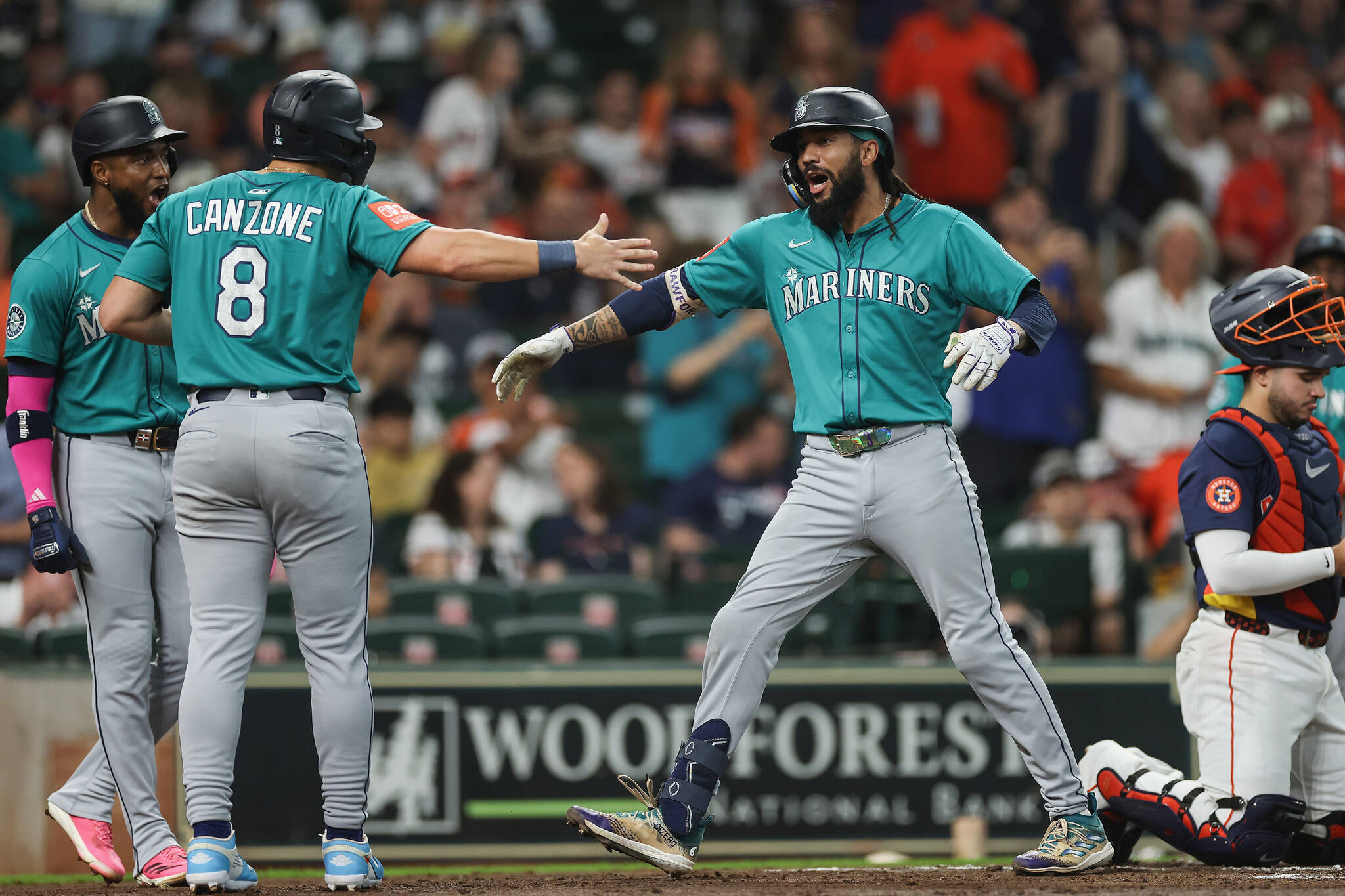
The Seattle Mariners could be facing a significant challenge this offseason as one of their top players appears likely to leave in free agency. After a season filled with roster moves aimed at strengthening their lineup and positioning the team for sustained success, the Mariners may now confront the difficult task of replacing a key contributor. This comes after a series of trade deadline acquisitions last year that were intended to enhance the team’s competitiveness, particularly in the infield and designated hitter slots.
At the trade deadline, Seattle made a couple of high-profile moves, acquiring both Josh Naylor and Eugenio Suárez from the Arizona Diamondbacks. These trades were designed to address immediate roster needs and provide the Mariners with the offensive firepower necessary to contend in the postseason. Josh Naylor, a versatile hitter capable of playing multiple positions, quickly became a cornerstone of Seattle’s plans. The Mariners wasted little time in securing Naylor’s long-term services, re-signing him to a substantial contract that underscored their belief in his ability to anchor the lineup for years to come.
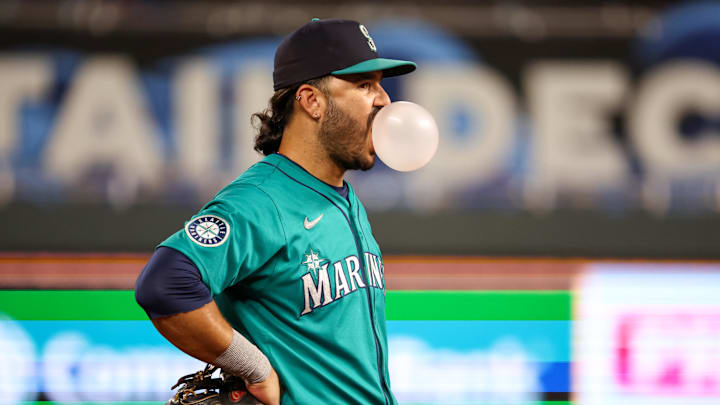
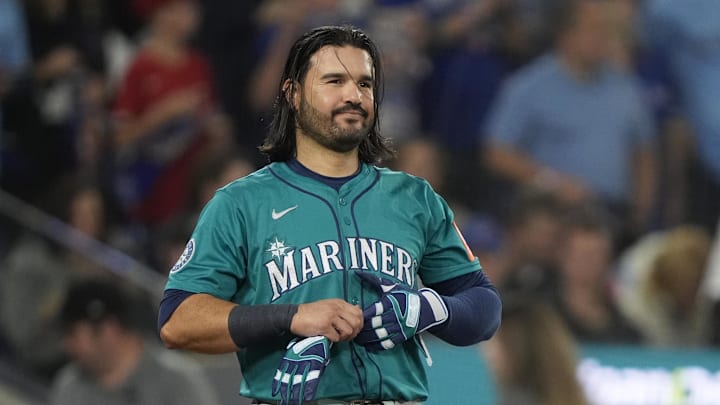
Eugenio Suárez, however, represents a different situation. Unlike Naylor, Suárez’s future with the Mariners remains uncertain, and he is poised to become one of the more intriguing free agents of the offseason. Suárez has proven himself as a reliable middle-of-the-order bat, capable of producing power numbers and providing clutch hitting when it matters most. Despite these contributions, it seems increasingly likely that the Mariners may not be able to retain him, opening the door for other teams to pursue his services aggressively.
Recent projections by Ryan Finkelstein of Just Baseball suggest that Suárez may return to familiar territory this offseason, potentially re-signing with the Arizona Diamondbacks. According to Finkelstein, a deal in the neighborhood of three years and $70 million is a realistic scenario for Suárez, allowing him to rejoin a team where he previously thrived. While there are several clubs in need of third base help, Arizona appears to be particularly well-positioned to bring him back into their fold, combining familiarity with opportunity.
“There are many teams that could use help at third base,” Finkelstein noted, “and yet I have Suárez returning to one of his former teams once again.” This assessment highlights the unique circumstances surrounding Suárez’s potential free agency move. The Diamondbacks currently have Jordan Lawlar slated to start at third base, while Adrian Del Castillo is positioned at designated hitter. This configuration suggests that the team is seeking additional firepower, and Suárez’s bat could provide exactly the kind of impact they need. Arizona is already familiar with Suárez’s strengths and his fit within their lineup, making him an ideal candidate to fill a crucial role.
Suárez’s potential return to Arizona is rooted not only in on-field considerations but also in the relationships and mutual respect built during his previous tenure. The Diamondbacks traded him away during a challenging season, but the move was seen as a responsible decision given the circumstances rather than a reflection of dissatisfaction with his performance. His previous success and comfort with the organization make a reunion appealing for both parties.
If Suárez were to return, he would likely slot back into the cleanup position in the Diamondbacks’ lineup, hitting behind players like Geraldo Perdomo, Ketel Marte, and Corbin Carroll. This placement would maximize his offensive contributions while allowing Jordan Lawlar to continue developing at third base. If Lawlar proves capable of handling an everyday role, Suárez could shift into the designated hitter slot, protecting the team’s investment in both players. This flexibility makes Suárez a particularly valuable asset for any team, as he can contribute both in the field and at the plate depending on roster needs.
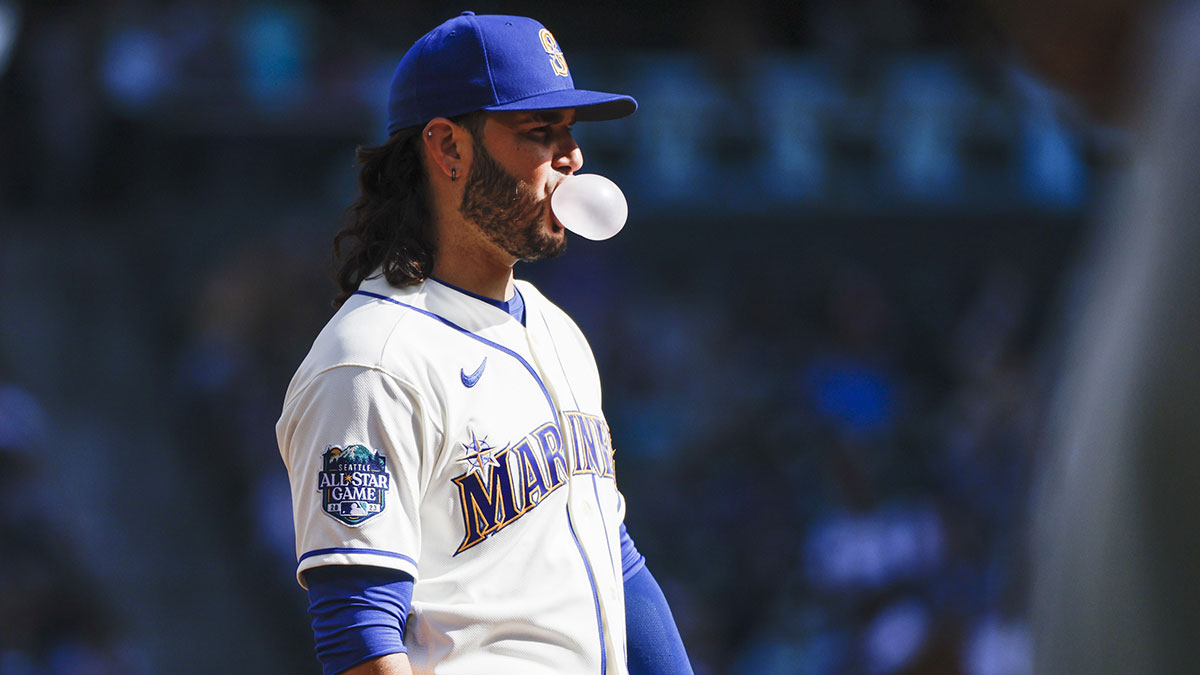
Another factor in favor of Suárez returning to Arizona is his apparent loyalty and comfort with the organization. Finkelstein notes that Suárez “seems like a loyal guy” who would likely welcome the opportunity to return to a familiar environment where he previously excelled. Playing at Chase Field, where he would get to face pitchers at home 81 times a season, adds another layer of appeal. Players often thrive in environments where they feel supported and comfortable, and Suárez’s previous experience with the Diamondbacks could make him more effective both on and off the field.
From the Mariners’ perspective, losing Suárez would be a setback, but it is also a scenario that makes sense given the broader context of roster management and payroll considerations. While the team has invested in Naylor and other core players, retaining Suárez at a competitive market value could be challenging. Free agency often forces teams to make difficult decisions, balancing financial commitments with the need to maintain roster depth and flexibility. In this case, letting Suárez explore his options may be the most realistic path, even if it means the Mariners must seek alternatives at third base or designated hitter.

For the Diamondbacks, bringing Suárez back could be a strategic move that enhances their competitiveness. Arizona has a young core in place, and adding a proven bat like Suárez provides stability and offensive production to complement emerging talent. Even with Lawlar in the mix, Suárez’s experience and proven track record could bolster the lineup, providing both a power threat and a dependable middle-of-the-order presence. The team could remain competitive in the National League West, particularly if they make additional moves to address pitching or other roster needs during the offseason.
Moreover, Suárez’s versatility makes him a fit in nearly any lineup across Major League Baseball. His ability to produce home runs, drive in runs, and hit for average gives teams a reliable offensive option. While other teams may show interest, the combination of familiarity, opportunity, and mutual respect with Arizona creates a compelling case for a reunion. Teams often value players who have previously thrived in a particular environment, as these players can deliver consistent production with minimal adjustment periods.
The potential Suárez signing also underscores a broader theme in baseball: the value of established relationships and organizational fit. While statistical performance and raw talent are critical, intangible factors such as comfort with the ballpark, teammates, and front office personnel often influence a player’s decision. Suárez’s history with the Diamondbacks provides him with a level of certainty and stability that may be difficult to replicate elsewhere, especially in a market where multiple teams are vying for his services.
Arizona’s willingness to offer a significant contract three years at approximately $70 million signals their commitment to contending in the coming seasons. While the team may have been rebuilding when Suárez was initially traded, circumstances have evolved, and Arizona appears ready to invest in key players to compete immediately. This aligns with Suárez’s career trajectory, allowing him to play a pivotal role on a team that both values his contributions and provides him with a platform to showcase his talents.
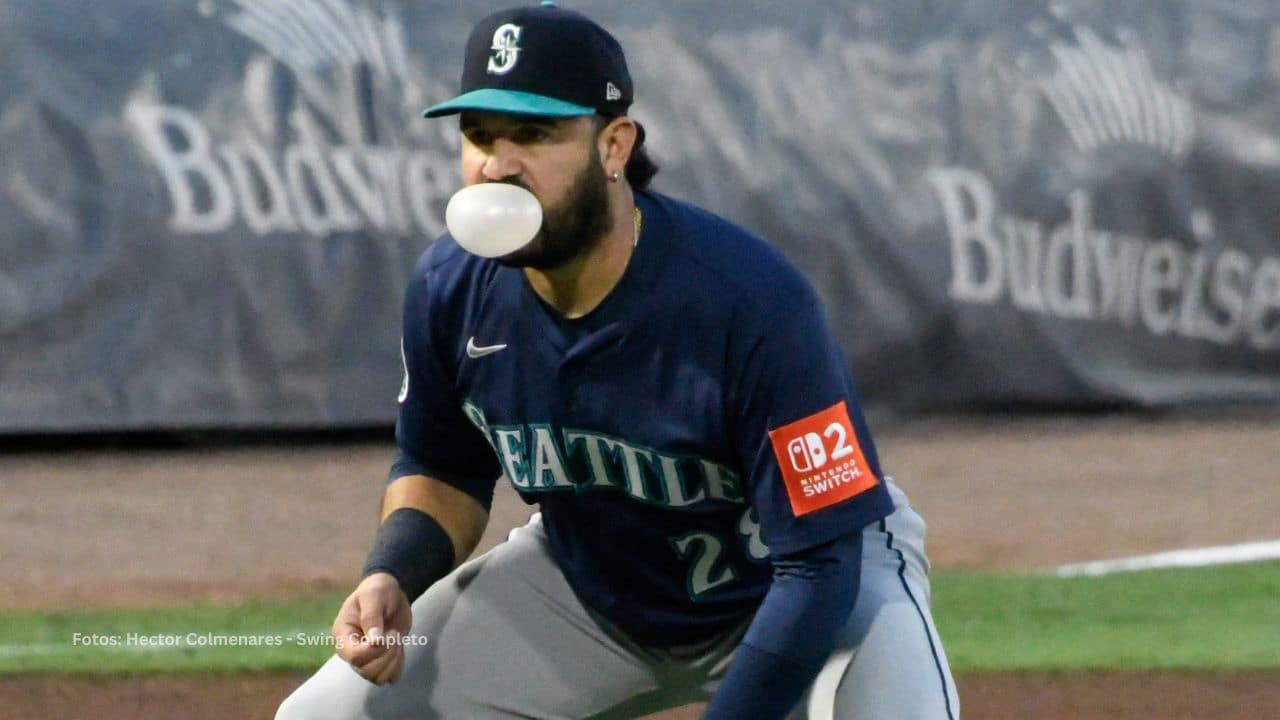
For Seattle, the loss of Suárez would necessitate adjustments, but it could also open opportunities for younger players or new acquisitions. Teams often face moments where difficult decisions lead to creative roster solutions. While fans may lament the departure of a popular and productive player, the Mariners’ front office must weigh long-term sustainability, payroll constraints, and the overall composition of the team. In this context, Suárez’s departure, while unfortunate, is a manageable challenge rather than a catastrophic setback.
Furthermore, the Mariners’ decision to re-sign Josh Naylor demonstrates their commitment to retaining cornerstone players and building around a core group capable of sustained success. Naylor’s presence provides continuity and stability in the lineup, which can offset the potential loss of Suárez. By strategically managing contracts, player development, and free agent acquisitions, Seattle can continue to position itself as a competitive team in the American League, even if Suárez moves on.

Overall, Eugenio Suárez’s likely departure from the Mariners highlights the complexities of free agency and team-building in modern baseball. Players must consider financial security, playing time, organizational fit, and personal comfort when making career decisions, while teams must balance talent retention with fiscal responsibility. In this case, the alignment of Suárez’s skills, history, and opportunity with the Diamondbacks makes a reunion a logical and appealing scenario.
In conclusion, the Mariners may indeed lose one of their top performers in Eugenio Suárez this offseason, a development that underscores the dynamic nature of roster management in Major League Baseball. While Seattle has made significant strides in building a competitive roster through trades, re-signings, and player development, Suárez’s free agency presents both a challenge and an opportunity. Arizona, meanwhile, stands to benefit from the potential return of a player who fits seamlessly into their lineup and organization, providing the kind of proven offensive firepower that can make a difference in a competitive division. Suárez’s story this offseason will be one to watch, as it highlights the interplay of performance, loyalty, opportunity, and strategy that defines modern baseball free agency.
Ultimately, whether Suárez ends up back with the Diamondbacks or explores other opportunities, his next move will be closely scrutinized by fans, analysts, and teams alike. The Mariners, meanwhile, will need to plan carefully to replace his production and maintain their trajectory toward contention. Free agency often reshapes rosters in dramatic ways, and this offseason is shaping up to be no exception, with Suárez at the center of a high-stakes decision that could reverberate across multiple franchises.
The narrative surrounding Suárez serves as a reminder that baseball is not only about numbers and statistics but also about relationships, opportunity, and the right fit between a player and an organization. His potential return to Arizona represents the culmination of these factors, creating a scenario where both the player and team stand to benefit from a reunion. For Seattle, while the loss would be significant, it is part of the ebb and flow of building a sustainable, competitive team in a league defined by movement, contracts, and opportunity.
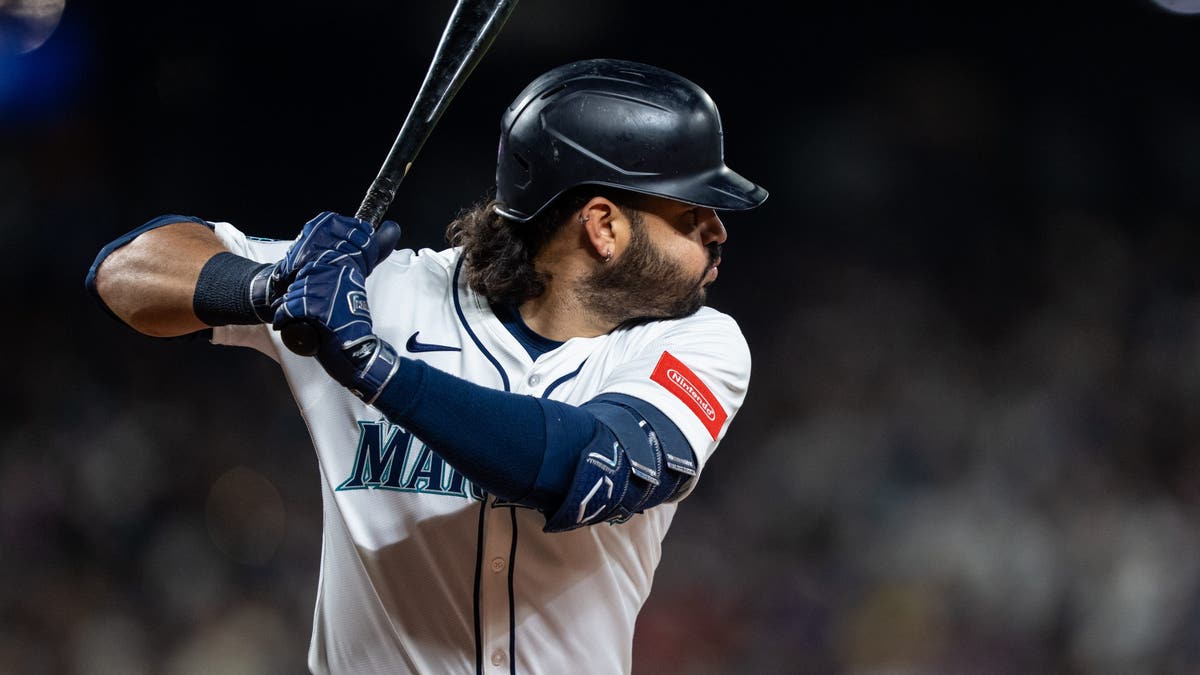
As the offseason unfolds, all eyes will be on Eugenio Suárez, the Mariners, and the Diamondbacks to see how this story develops. Whether Suárez’s bat finds its way back to Chase Field or he ventures elsewhere, the decisions made in the coming months will have a lasting impact on multiple teams and illustrate the intricate calculus involved in free agency, team-building, and player careers at the highest level of the sport.