The New York Mets have wasted little time making their presence felt this offseason, aggressively reshaping the roster in hopes of positioning themselves as serious contenders moving forward. Through a combination of headline-grabbing trades, notable free-agent signings, and a handful of quieter depth moves, the Mets’ front office has been relentless in its pursuit of roster balance. However, as active as the organization has been, not every move has been a clear win, and the team has also endured some significant departures that have left noticeable holes to fill.
Among the Mets’ biggest offseason splashes was the blockbuster trade that brought veteran infielder Marcus Semien to Queens. Semien, one of the most consistent and durable players in baseball over the past several seasons, instantly upgrades the Mets’ infield and adds leadership, power, and reliability to the lineup. The Mets also addressed their bullpen by signing elite reliever Devin Williams, signaling a commitment to rebuilding late-inning stability after recent inconsistencies. Additionally, New York added offensive versatility by inking Jorge Polanco, a switch-hitting infielder who provides both positional flexibility and proven run production when healthy.
While those acquisitions have generated optimism among the fanbase, the Mets’ offseason has not been without painful losses. Two of the franchise’s most recognizable players, closer Edwin Díaz and first baseman Pete Alonso, both departed in free agency. Díaz’s exit leaves a void at the back end of the bullpen that will not be easy to fill, even with the addition of Williams. Alonso’s departure may sting even more, as the slugging first baseman had long been a central figure in the Mets’ lineup and a fan favorite due to his prodigious power and consistent home run production.
Perhaps the most emotionally difficult loss, however, came via the trade that landed Semien. In order to acquire the All-Star infielder, the Mets parted ways with longtime outfielder Brandon Nimmo. Nimmo had been a fixture in New York since making his major league debut in 2016 and had grown into one of the most dependable players on the roster. Known for his on-base ability, hustle, and clubhouse presence, Nimmo’s absence will be felt both statistically and culturally.

During the most recent season, Nimmo posted a strong offensive line, batting .262 with a .324 on-base percentage and a .436 slugging percentage. He also launched 25 home runs, providing solid power production from the outfield. His combination of plate discipline, power, and defensive competence made him one of the Mets’ most reliable everyday players. Replacing that level of production will be no small task, particularly for a team already adjusting to multiple roster changes.
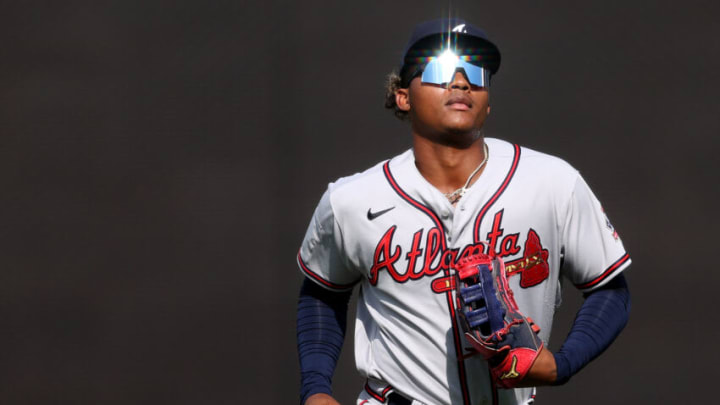
In an effort to add depth and potentially uncover a low-risk contributor, the Mets reportedly agreed to a minor league deal with outfielder Cristian Pache on Monday, according to Sports Illustrated’s Pat Ragazzo. While the signing flew under the radar compared to the team’s higher-profile moves, it reflects the Mets’ strategy of taking calculated chances on players who may be able to fill specific roles if circumstances break in their favor.
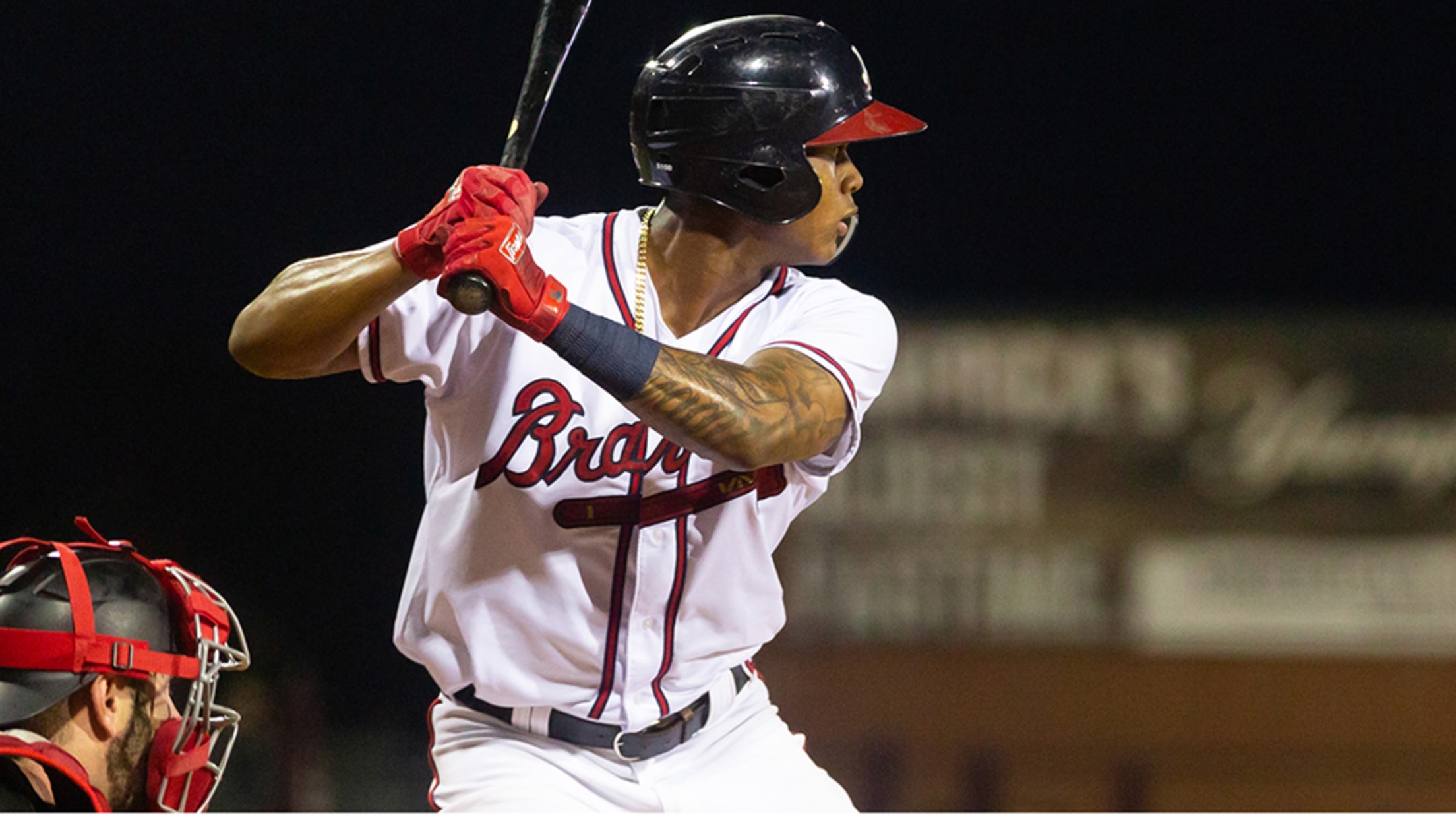
Pache’s contract reportedly includes an invitation to Major League Baseball spring training, giving him an opportunity to compete for a roster spot. With Nimmo no longer in the picture and the outfield depth chart in flux, Pache will have a chance to make a case for himself during camp. Whether he can capitalize on that opportunity remains an open question, but the Mets clearly believe there is at least some upside worth exploring.
Still only in his mid-20s, Pache brings an intriguing résumé, even if his offensive numbers have not lived up to early expectations. He was once considered a highly regarded prospect in the Atlanta Braves organization, valued primarily for his defensive skills and athleticism. Those defensive abilities played a role in his being part of the Braves’ 2021 World Series championship team, giving him postseason experience that could prove valuable in a competitive environment.
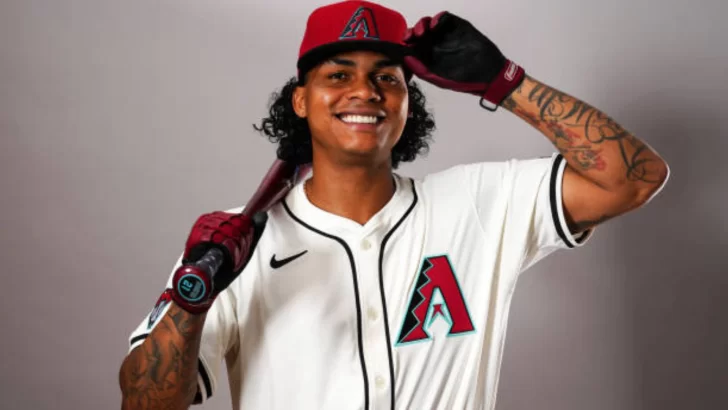
Despite that championship pedigree, Pache’s major league career has been somewhat nomadic. Over the course of five big league seasons, he has appeared in 251 regular-season games, suiting up for a variety of teams. In addition to the Braves, Pache has spent time with the Oakland Athletics, Philadelphia Phillies, Baltimore Orioles, and Miami Marlins. Frequent changes of scenery have made it difficult for him to establish consistency at the major league level.
Offensively, Pache has struggled to find his footing in the majors. Across his big league career, he owns a slash line of .181/.243/.275 with just seven home runs. Those numbers underscore the challenges he has faced at the plate and explain why he has often been viewed more as a defensive specialist than a complete everyday player. While his glove and ability to cover ground in the outfield are widely regarded as strengths, his bat has prevented him from securing a long-term role with any one club.

Pache did not appear in a major league game during the most recent season. Instead, he spent the year in the Arizona Diamondbacks organization after signing a minor league contract prior to the season. Assigned to Triple-A Reno, Pache appeared in 70 games and delivered a respectable offensive performance at that level. He batted .251 with a .351 on-base percentage and a .389 slugging percentage, while also hitting five home runs. While those numbers are far from eye-popping, they do suggest some improvement in plate discipline and overall approach.
It is worth noting that success at the Triple-A level does not always translate directly to major league production, particularly for a player with Pache’s track record. Still, the Mets may see value in his defensive versatility and believe that he could contribute as a fourth or fifth outfielder if he continues to make incremental progress with the bat. Pache has experience playing all three outfield positions, giving the coaching staff flexibility when constructing lineups or making late-game defensive substitutions.
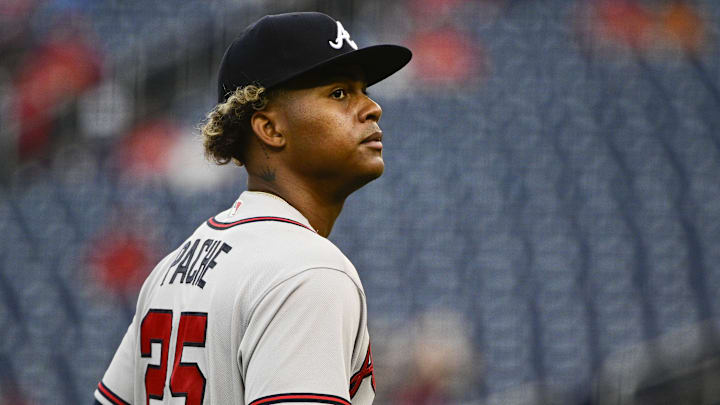
From a roster-building perspective, the signing makes sense as a low-risk gamble. Minor league contracts with spring training invites allow teams to evaluate players up close without committing a spot on the 40-man roster. If Pache impresses during camp, the Mets can consider adding him to the roster. If not, they can move on with minimal financial or roster-related consequences.
The broader question is how the Mets plan to collectively replace the production and presence of players like Nimmo, Alonso, and Díaz. While the additions of Semien, Williams, and Polanco help address some of those losses, the roster remains very much in transition. Younger players, bounce-back candidates, and depth signings like Pache will all be competing for opportunities to carve out roles on a team that appears determined to retool rather than rebuild.

For Pache, this represents yet another chance to reset his career trajectory. At one point viewed as a cornerstone defensive outfielder with untapped offensive potential, he now finds himself fighting for relevance in an increasingly competitive league. The Mets may not be expecting him to replace Nimmo’s offensive output, but if he can provide reliable defense, speed, and occasional offense, he could still play a meaningful role.
As spring training approaches, all eyes will be on how the Mets’ revamped roster comes together. The combination of established veterans, new acquisitions, and fringe players fighting for roster spots will make camp particularly competitive. For Cristian Pache, the margin for error will be slim, but the opportunity is real. Whether he can seize it will be one of many storylines to watch as the Mets continue shaping their identity for the upcoming season.