
The Philadelphia Phillies have been among the most aggressive and proactive clubs of the early offseason, taking clear steps to address weaknesses that surfaced during the 2025 campaign. Rather than standing pat, the organization moved quickly to reshape its roster, adding impact pieces and depth across multiple areas in an effort to remain firmly in the National League playoff picture.
Philadelphia’s front office made headlines with the additions of Kyle Schwarber and Adolis García, two proven power bats capable of transforming the middle of the lineup. The team also strengthened its pitching depth by bringing in veteran right-hander Brad Keller, a move designed to provide flexibility and insurance for a rotation that experienced inconsistency and injury issues at times last season. Collectively, those signings signaled that the Phillies were intent on competing immediately rather than waiting for internal improvements to carry the load.

However, while the Phillies were busy adding talent, they also made the difficult decision to move on from a key contributor. One of the more surprising developments of the offseason came when Philadelphia traded left-handed reliever Matt Strahm back to the Kansas City Royals. Strahm, who had become an important part of the bullpen, was shipped out in a deal that at first glance appeared to be more about financial flexibility than on-field return.
Strahm was entering the final year of his contract and was set to earn $7.5 million in 2026. For a reliever, particularly one nearing his early 30s, that salary represented a meaningful commitment for a Phillies bullpen already carrying several sizeable contracts. By moving Strahm, the organization freed up payroll space while also creating opportunities to reshape the bullpen in different ways.

The immediate question following the trade was simple: what exactly did the Phillies receive in exchange for a dependable left-hander who had been a stabilizing presence in high-leverage situations?
The answer lies in right-handed pitcher Jonathan Bowlan, a relatively under-the-radar arm whose profile has quietly drawn interest within baseball circles. While Bowlan does not carry the pedigree of a top prospect or the name recognition of an established big-league reliever, his combination of age, pitch mix, and team control makes him a compelling acquisition for a front office that values long-term upside and cost efficiency.

Bowlan, who made his major league debut during the 2025 season, brings with him a diverse arsenal that stands out immediately. According to analysis shared by MLB observers, Bowlan works with five distinct pitches: a four-seam fastball, a sinker, a slider, a curveball, and a changeup. That type of pitch variety is uncommon for a reliever and has led some evaluators to believe that Bowlan could potentially be stretched into a starting role if needed.
In his first taste of the majors, Bowlan delivered respectable results. Over the course of the 2025 season, he posted a 3.86 ERA while striking out nearly a quarter of the hitters he faced, finishing with a 24.6 percent strikeout rate. Those numbers may not leap off the page, but for a pitcher adjusting to major league hitters for the first time, they point to a foundation that can be built upon.
Perhaps the most appealing aspect of Bowlan from the Phillies’ perspective is not just what he has already shown, but what he could become under their development system. Philadelphia will control Bowlan’s contract through at least the 2031 season, with team control potentially extending into 2032 depending on service time. That means the Phillies could have up to six full seasons of Bowlan at a fraction of the cost they would have paid Strahm for just one year.

Financially, the contrast between the two pitchers is stark. Strahm’s $7.5 million salary for 2026 represented a sizable expenditure for a bullpen arm, especially for a team trying to balance short-term contention with long-term sustainability. Bowlan, by comparison, will earn near the league minimum for the foreseeable future, giving the Phillies significant flexibility to allocate resources elsewhere on the roster.
While salary considerations clearly played a role in the decision to trade Strahm, the Phillies did not simply offload the contract for nothing. Instead, they targeted a pitcher whose underlying metrics suggest room for growth. Bowlan’s strikeout-to-walk ratio, for example, is viewed positively by evaluators, and his whiff rates indicate that his stuff can miss bats at the major league level.
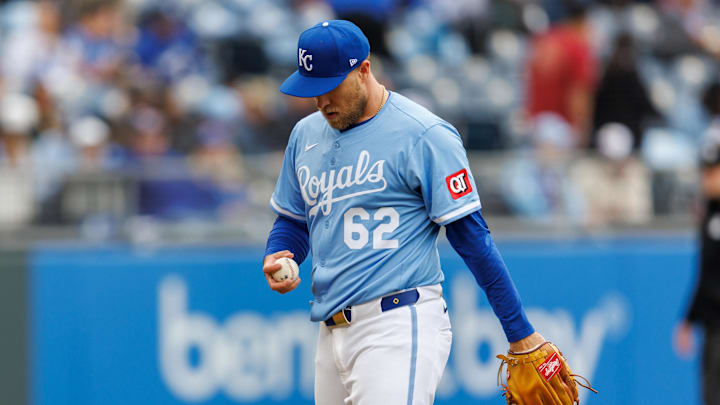
The five-pitch mix is particularly intriguing. Relievers typically rely on two or three pitches, often maxing out effort for short bursts. Bowlan’s ability to mix and match offerings gives him multiple avenues for success. If one pitch is not working on a given night, he has alternatives, which can be especially valuable over a long season. That versatility also gives the Phillies’ coaching staff options when determining how best to deploy him.
At 29 years old, Bowlan is not a young prospect in the traditional sense, but he is still at a stage where refinement and adjustments can lead to meaningful improvement. The Phillies have invested heavily in analytics and pitcher development in recent years, and Bowlan’s profile fits the type of arm that could benefit from targeted coaching, pitch usage optimization, and role clarity.

That said, expectations should remain realistic. Bowlan is unlikely to replicate Strahm’s production immediately, particularly given Strahm’s experience in high-leverage situations and his effectiveness against left-handed hitters. Strahm was a proven bullpen piece, while Bowlan is still establishing himself at the major league level. In that sense, the trade does represent a step back in terms of certainty for the bullpen.
However, roster construction is often about balancing certainty with upside, and the Phillies appear to be betting that Bowlan’s combination of affordability and potential outweighs the short-term loss of Strahm. By clearing Strahm’s salary, the organization has opened the door to additional moves, whether that involves adding another reliever via free agency, making a trade, or reallocating funds to strengthen another area of the roster.

From a broader perspective, the deal reflects a strategic approach rather than a simple cost-cutting maneuver. While the trade could be labeled a salary dump on the surface, the return suggests that the Phillies were intentional about acquiring a pitcher with traits they believe they can develop. Bowlan’s pitch mix, strikeout ability, and team control all align with the front office’s emphasis on flexibility and sustainability.
It is also worth noting that bullpen performance can be volatile from year to year. Relievers often experience fluctuations in results, and teams are increasingly hesitant to commit significant long-term money to the position. By moving Strahm and acquiring Bowlan, the Phillies are limiting their financial exposure while still maintaining the possibility of solid bullpen production.

If Bowlan can settle into a reliable role—whether as a middle reliever, a multi-inning option, or even a spot starter—the trade could look increasingly favorable over time. Six years of cost-controlled pitching, even at a league-average level, carries substantial value in today’s market. Any performance beyond that baseline would represent a significant win for Philadelphia.
Ultimately, the Matt Strahm trade underscores the Phillies’ willingness to make calculated decisions that balance present competitiveness with future flexibility. While Bowlan may not generate headlines or instant excitement, his acquisition fits within a broader offseason strategy that prioritizes depth, affordability, and upside.
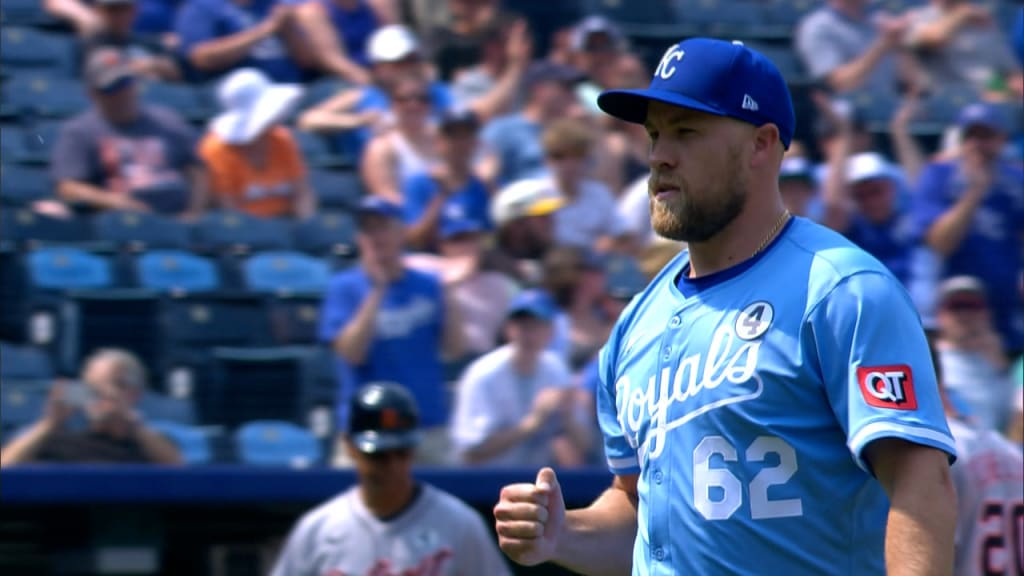
The Phillies may not have landed a marquee name or a can’t-miss prospect in return for Strahm, but they did secure a pitcher with intriguing tools and years of control remaining. As the offseason continues and additional moves potentially follow, the true impact of this deal will come into clearer focus.
For now, Jonathan Bowlan represents a low-cost, high-upside addition to the bullpen mix—a pitcher who may never match Strahm’s peak performance but could nonetheless carve out a valuable role in Philadelphia for seasons to come. And with the financial savings created by the trade, the Phillies have positioned themselves to remain active, opportunistic, and flexible as they continue shaping their roster for the next phase of contention.