The Los Angeles Dodgers appear to have locked in a clear offseason blueprint aimed at powering a potential three-peat in the World Series. While they occasionally pull off shrewd trades, the franchise has leaned heavily into the free-agent pool to snag elite players. This approach shone through in their blockbuster signings of stars like Shohei Ohtani, Yoshinobu Yamamoto, Blake Snell, and Edwin Diaz, transforming their lineup into a juggernaut.
Building the Core: The Betts Trade That Changed Everything
The bedrock of this dominant roster traces back to a jaw-dropping 2020 trade that brought superstar infielder Mookie Betts over from the Boston Red Sox. At the time, the Red Sox seemed hesitant to match the skyrocketing cost of extending Betts, who was barreling toward free agency after a stellar career in Boston. The Dodgers wasted no time: shortly after the deal, they inked him to a massive 12-year, $365 million contract, securing his services through the prime of his career.
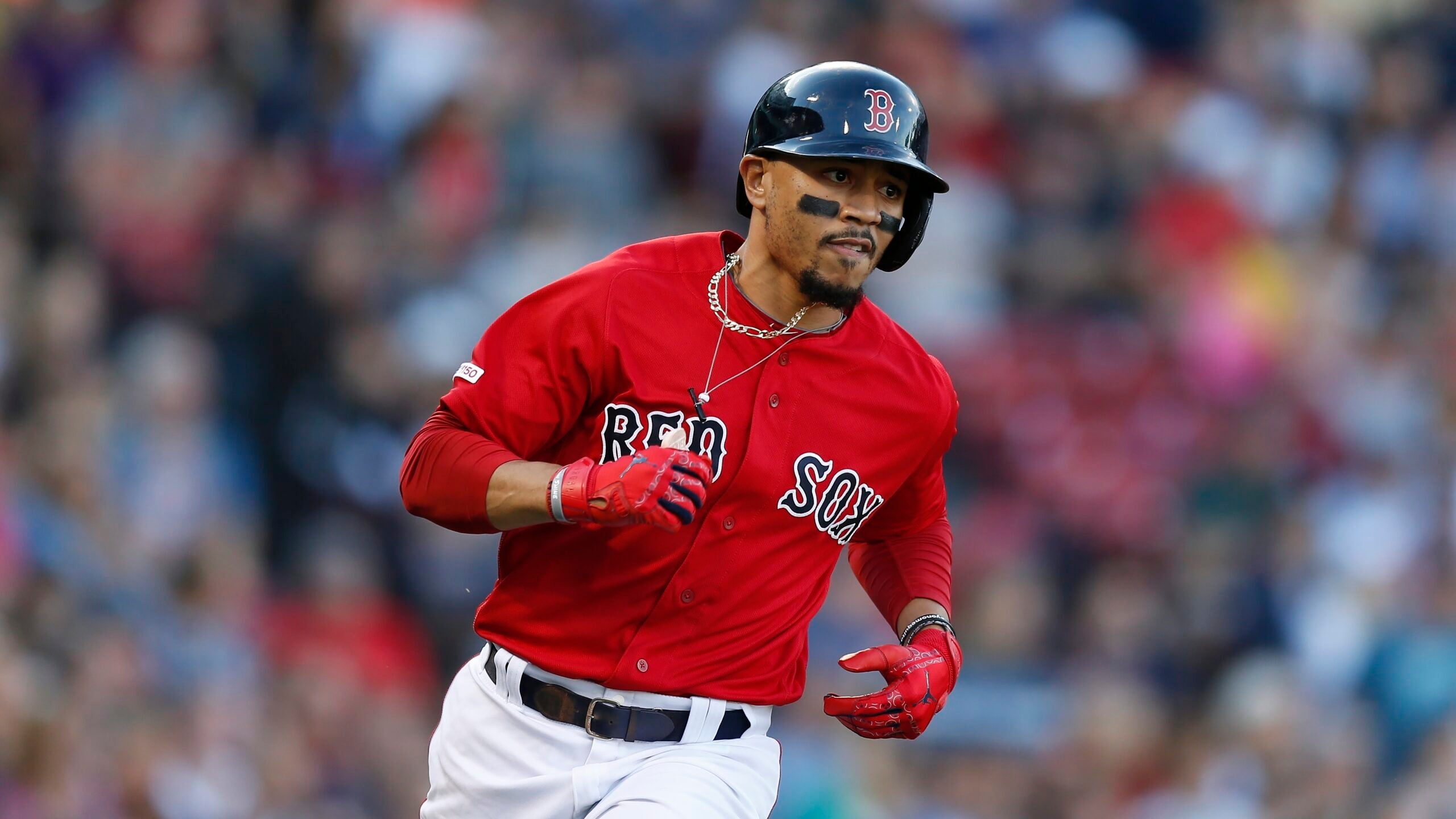
Betts has since become the heartbeat of the Dodgers’ dynasty, anchoring their last three World Series triumphs. His versatility, leadership, and clutch performances have elevated the team night after night. For the Red Sox, however, this move has aged like sour milk. Fans in Boston still scratch their heads over the decision to let a homegrown icon slip away, especially as the Dodgers rack up titles. The trade’s fallout continues to ripple, highlighting the high-stakes gamble of baseball’s business side.
Betts’ Raw Reaction to the Trade News
In a candid moment during a recent livestream with popular host Adin Ross, Betts peeled back the curtain on his initial shock. When the trade hit, his one-word gut response was simple: “Why?” As captured in a clip shared by Dodgers Nation on X (formerly Twitter), Betts recounted the whirlwind: “I knew, they told me, but it was weird, man, because I was like, ‘Why?’ I didn’t want to leave, but I understood the business side of it.”
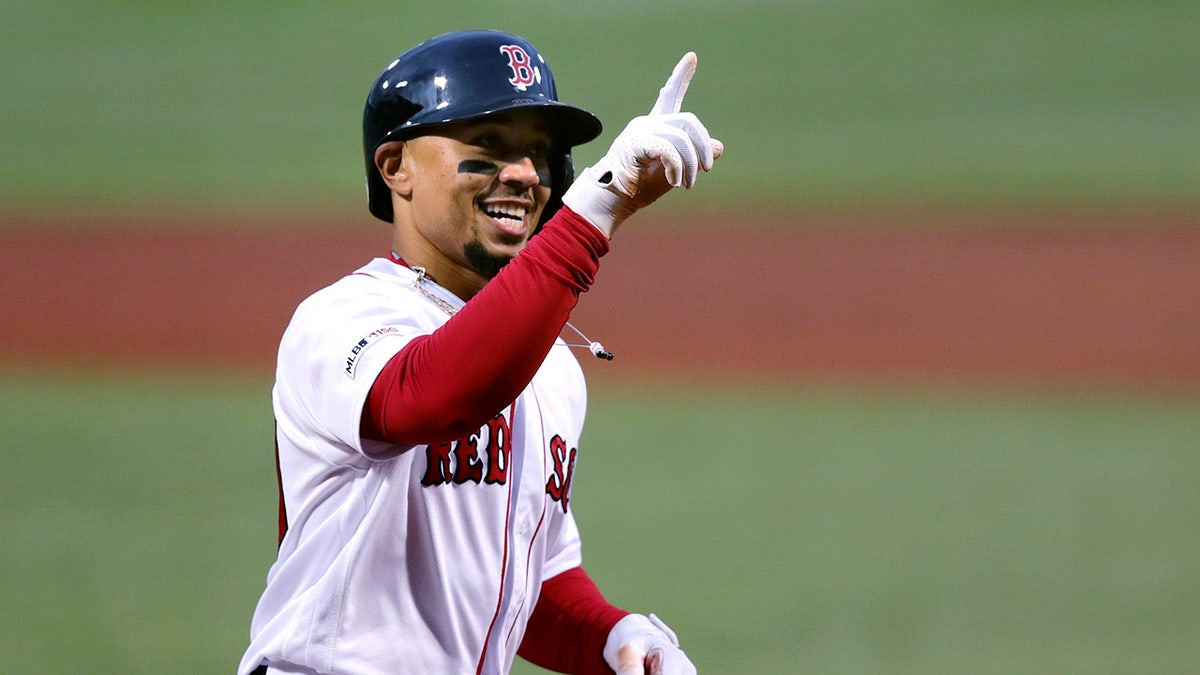
That raw honesty captures the human element amid the millions. Betts wasn’t just a player being shuffled; he was a cornerstone of Boston’s identity. Trading him felt like severing a deep-rooted bond, one forged over six transformative seasons. Yet, true to his professionalism, Betts pivoted seamlessly, embracing the Dodgers’ vision and repaying their faith with unparalleled production.
Betts’ Stellar Legacy: From Boston to Dominance
Before the trade, Betts had already etched his name in Red Sox lore. Over those six years, he earned four All-Star selections, four Gold Glove Awards for his defensive wizardry, three Silver Slugger honors for his offensive prowess, a league MVP award in 2018, and a World Series ring in 2018. He was the total package: a five-tool phenom who could hit for power and average, steal bases, field like a vacuum, and throw lasers from the outfield.
Landing in Los Angeles unlocked even greater heights. With the Dodgers, Betts has tacked on four additional All-Star appearances, two more Gold Gloves, four extra Silver Sluggers, and—most crucially—three World Series championships. That’s a haul that cements him as one of baseball’s all-time greats. His adaptability shines brightest: shifting positions without missing a beat, mentoring younger stars like Ohtani, and delivering in October when the lights burn hottest.
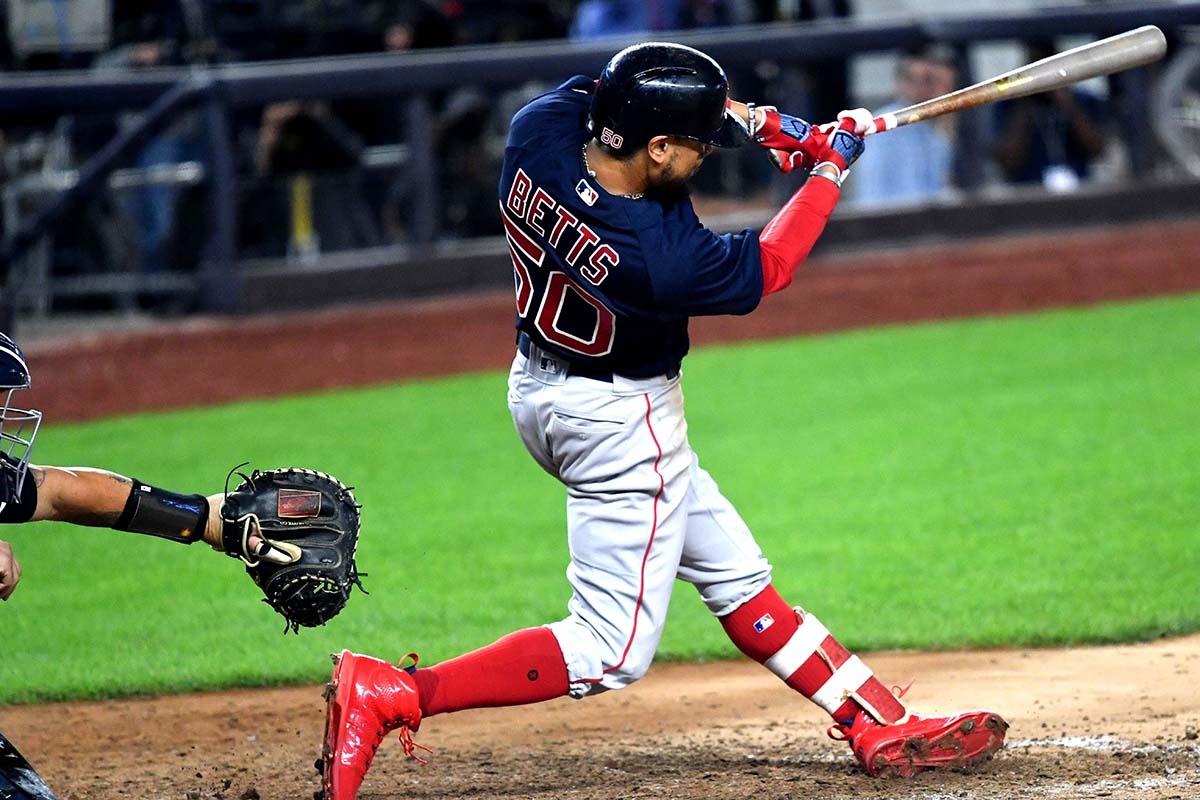
Consider his impact in those title runs. In the 2020 shortened season, Betts slashed .292/.366/.558, providing stability amid chaos. The 2024 and 2025 campaigns saw him thrive in high-leverage spots, his bat and glove proving indispensable. Statistically, his career WAR (Wins Above Replacement) with the Dodgers rivals his Boston peak, underscoring why the $365 million deal looks like highway robbery for L.A. For Boston, it’s a haunting what-if: what if they’d ponied up? Their rebuild might have looked very different.
A 2025 Dip: Challenges at a New Position
That said, the 2025 season brought an unexpected hiccup for Betts, particularly at the plate. Transitioning to everyday shortstop—a role he’d never shouldered full-time—proved taxing. He posted a slash line of .258/.326/.406, his lowest marks in years. A nagging stomach virus zapped his energy right as the season kicked off, compounded by minor injuries that lingered. Defensively, he dazzled, morphing into an elite glove at a premium position, but the offense took a hit.

This regression wasn’t random. Offseason routines flipped upside down: instead of honing his swing, Betts dove into shortstop drills, reshaping his body and mechanics. The virus struck at the worst moment, sapping power and stamina during Opening Day preparations. Still, his overall value held firm—his Baseball Reference WAR in 2025 edged out 2024, thanks to that glove work. It’s a testament to his elite defense lowering the bar for what L.A. needs offensively.
Fabian Ardaya of The Athletic nailed the Dodgers’ optimism: “The Dodgers are essentially banking on it being a one-year downswing caused by 1) an offseason where his usual swing work was replaced by a shortstop boot camp and 2) a stomach virus that sapped his strength right at Opening Day.” Ardaya points out Betts won’t man shortstop indefinitely—his future likely shifts back to the outfield or second base. Reviving that “juice” from his bat would supercharge the lineup.
/cdn.vox-cdn.com/uploads/chorus_image/image/59711679/957137526.jpg.0.jpg)
Dodgers’ High Hopes for a Bounce-Back and Three-Peat
Heading into 2026, the sixth year of the post-trade era, the Dodgers are all-in on Betts rebounding. Their strategy—blending free-agent splurges with homegrown talent—hinges on stars like him firing on all cylinders. A healthy, dialed-in Betts could be the X-factor for a third straight World Series crown, an unprecedented feat in modern baseball.
Imagine the possibilities: Ohtani pitching and hitting at MVP levels, Yamamoto baffling hitters, Snell and Diaz locking down late innings, all buoyed by Betts’ leadership. His positional flexibility allows manager Dave Roberts to mix and match, keeping fresh legs in the field. Offensively, if Betts recaptures his .290-plus average with 30 homers, the Dodgers become unscalable.
The front office’s faith isn’t blind. They’ve surrounded him with elite coaching to tweak his swing mechanics, targeting the power dip. Nutritionists and trainers are laser-focused on preventing illness setbacks. Early spring training buzz suggests Betts is already regaining pop in batting practice, his hands quicker through the zone.
Broader Implications: Red Sox Regret and MLB Trends
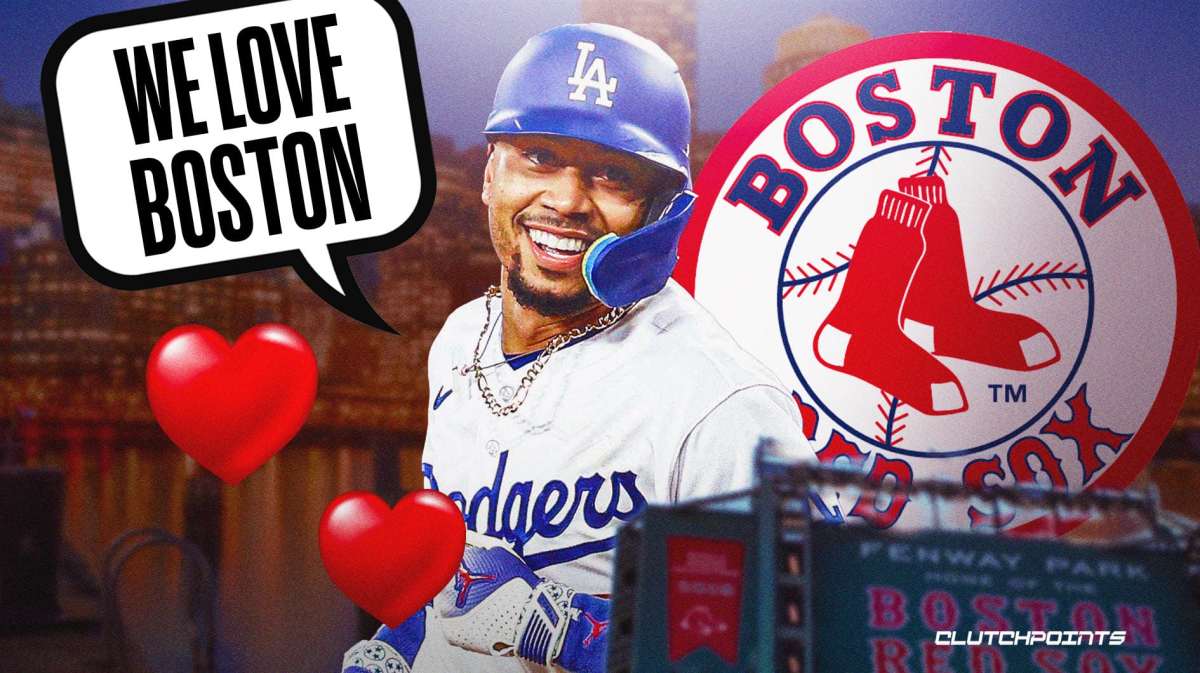
Zooming out, the Betts saga underscores MLB’s free-agency arms race. Teams like the Dodgers, flush with TV revenue and ownership backing, can outbid for talent, building superteams. Smaller-market clubs like the post-Betts Red Sox lean on analytics-driven rebuilds, trading stars for prospects. Boston’s choice paid short-term dividends with young arms, but watching Betts hoist trophies stings.
Fans debate endlessly: Was it a miscalculation or savvy reset? Betts’ “Why?” echoes that fan frustration, humanizing the cold calculus of contracts. Yet, his grace in accepting it inspires—baseball’s a business, but loyalty lingers.

For the Dodgers, this offseason philosophy—free agents first, trades as accents—fuels dynasty talk. Additions like Ohtani (the two-way unicorn) and Yamamoto (imported ace) mesh perfectly with Betts’ steadiness. Even Diaz’s flamethrower closer role fits the blueprint. If Betts turns it around, 2026 could etch L.A. in immortality.
Why Betts Remains the Linchpin
Betts isn’t just a player; he’s the Dodgers’ soul. His work ethic—legendary gym sessions, film study marathons—rubs off. Teammates credit him for the 2024-2025 title vibes. At 33, prime years ahead, his extension buys stability amid luxury-tax scrutiny.
Challenges persist: age, injury risk, positional flux. But history favors him. Post-downturns, Betts has rebounded spectacularly, like after 2019’s “off” year. The Dodgers’ depth cushions any rust.
In sum, from that baffling 2020 trade to three rings and counting, Betts embodies Dodger blue. A 2026 resurgence isn’t hope—it’s expectation. Boston may rue the day, but L.A. celebrates. The three-peat chase rolls on, with Mookie at the helm.