As the calendar turns and another baseball season approaches, the New York Mets find themselves facing a familiar and increasingly pressing issue: their starting rotation remains incomplete. Despite months of speculation and roster maneuvering, the team has yet to make a definitive move to stabilize the group of pitchers who will be asked to take the ball every fifth day. With Opening Day inching closer, this gap has become harder to ignore, especially for a franchise with postseason aspirations and a fan base hungry for progress.
David Stearns, the Mets’ president of baseball operations, has signaled a willingness to rely on internal development, particularly a trio of promising young starters who are expected to play meaningful roles this season. Betting on youth can be a calculated and sometimes rewarding strategy, but it also comes with risk—especially over the long grind of a 162-game schedule. Young pitchers often face innings limits, performance volatility, and the inevitable learning curve that comes with facing major league lineups repeatedly. Because of that, even if Stearns is comfortable giving those arms extended opportunities, the front office still needs to bring in at least one experienced starter who can provide consistency, durability, and leadership.
That type of pitcher—often described as someone who can “eat innings”—is crucial for maintaining stability across a rotation. A reliable veteran not only takes pressure off younger teammates but also protects the bullpen by limiting overuse. Right now, the Mets lack that safety net, and it’s a vulnerability that could become costly if not addressed soon.
The challenge for New York is that the pool of top-tier starting pitchers available on the open market has dwindled significantly. Most of the elite arms have already signed elsewhere, leaving teams like the Mets to choose from a smaller group of remaining options. That reality places added urgency on Stearns and the front office. Waiting too long could mean settling for a lesser fit or missing out entirely.
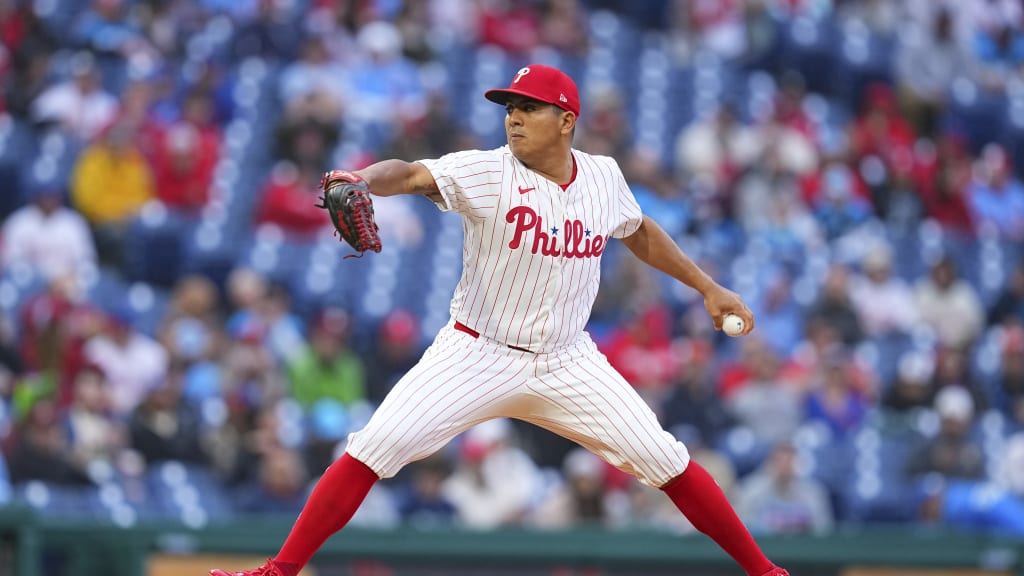
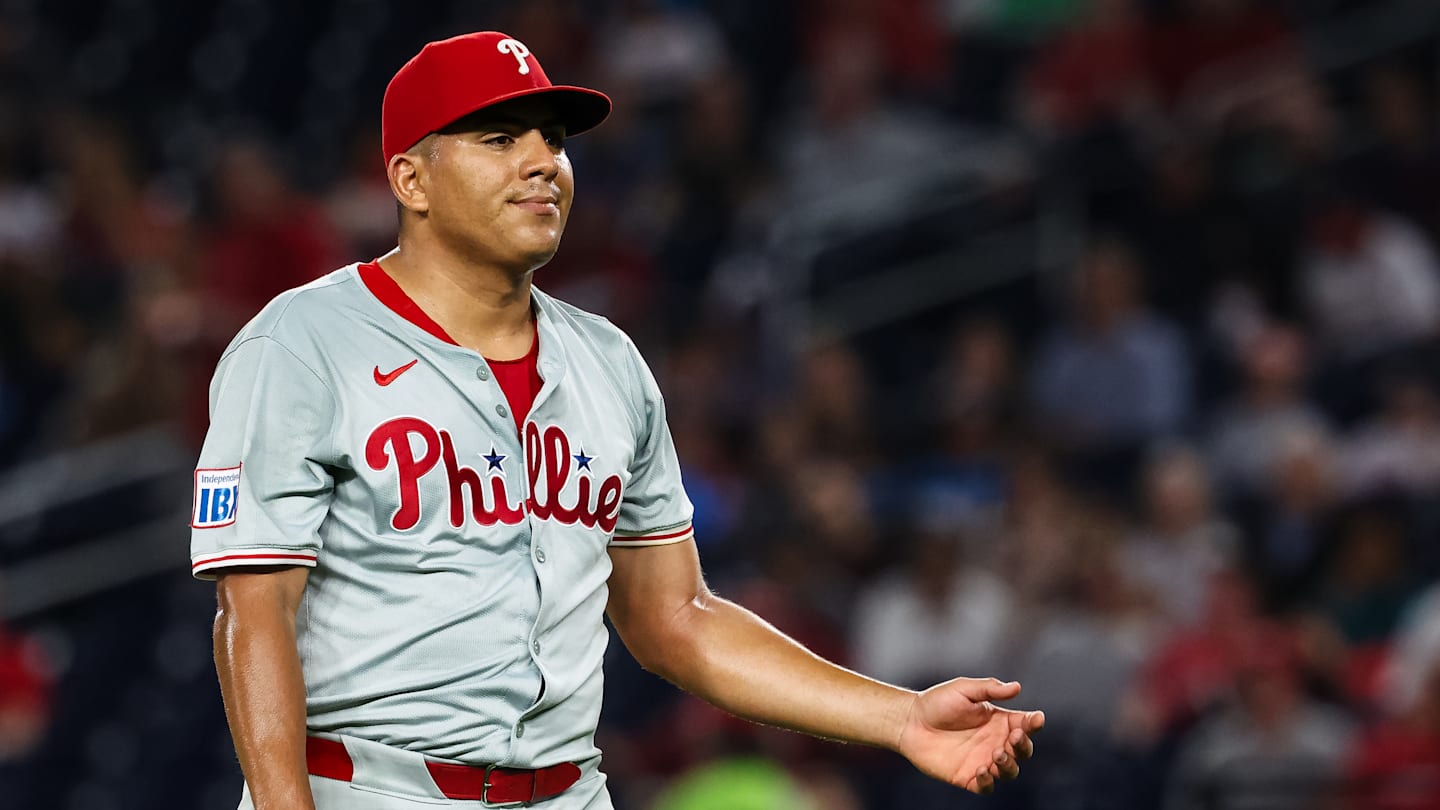
One of the most intriguing names still in play is left-handed starter Ranger Suárez of the Philadelphia Phillies. Suárez has quietly established himself as one of the more effective and dependable pitchers in the National League, even if he doesn’t fit the traditional profile of a power ace. According to Rowan Kavner of Fox Sports, the Mets could emerge as a surprising but logical destination for the veteran southpaw—despite the fact that he currently pitches for a division rival.
Kavner suggested that New York makes sense as a landing spot for Suárez, citing both his skill set and the Mets’ current needs. Suárez is known less for overpowering hitters with elite velocity and more for his precision, pitch mix, and ability to control contact. His fastball typically sits in the low 90s, but he compensates with exceptional command and a deep arsenal that allows him to keep hitters off balance. By inducing weak contact and generating ground balls, Suárez has consistently found success against a wide range of opponents.
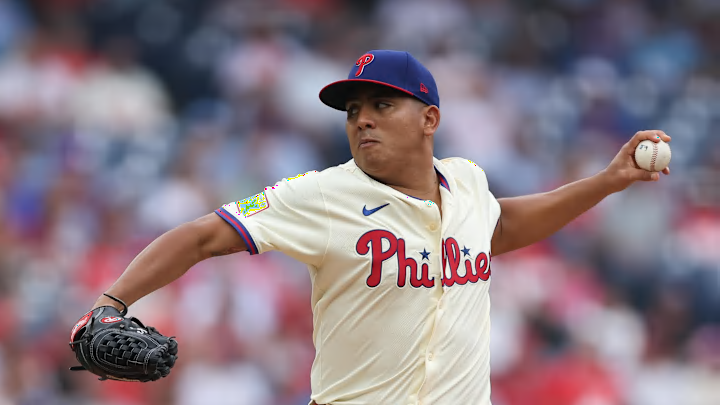
Even though he lacks the eye-popping strikeout numbers associated with many frontline starters, Suárez has proven he can thrive when the stakes are highest. In postseason play, he has delivered outstanding results, compiling a remarkable 1.48 ERA across 11 playoff appearances, eight of which were starts. That level of performance in October speaks volumes about his composure, adaptability, and ability to execute under pressure—traits that would be invaluable to a Mets team that has struggled with inconsistency in recent seasons.
Kavner also pointed out that the Mets’ rotation last year was particularly vulnerable in terms of quality of contact allowed. New York ranked sixth in the league in hard-hit rate and finished just 18th in earned run average. Those numbers highlight a staff that too often allowed opposing hitters to square up pitches, leading to damaging innings and early exits. Suárez’s contact-management approach would represent a clear contrast and could help balance a rotation that has leaned heavily toward high-variance outcomes.
Additionally, the Mets have seen significant roster turnover since the offseason began, with numerous players departing Queens. Given that level of attrition, it’s difficult to imagine the team standing pat and failing to secure one of the better remaining starting pitchers available. From that perspective, a bold move for Suárez—even one that involves prying him away from a division opponent—feels not only plausible but necessary.
If the Mets were able to land Suárez, he would likely step immediately into a prominent role within the rotation. His experience, reliability, and ability to neutralize hitters would make him a strong candidate to pitch near the top of the staff. Beyond pure performance, his presence would offer a different look compared to the rest of the rotation, particularly for opposing teams preparing for a series against New York. A left-hander with command-first tendencies can disrupt timing and force lineups to adjust their approach, especially in a division as familiar and competitive as the National League East.

During the most recent season, Suárez posted a solid 3.20 ERA with Philadelphia, reinforcing his reputation as a dependable and efficient starter. He is no stranger to the ballparks, lineups, and pressures of the NL East, which would ease any transition to New York. That familiarity reduces the risk typically associated with adding an external piece, as there would be fewer unknowns in terms of how he handles the environment.
However, acquiring Suárez would not come without complications. Reports throughout the offseason have suggested that the Mets are hesitant to commit to long-term contracts for starting pitchers. This cautious approach appears to be part of a broader organizational philosophy aimed at maintaining financial flexibility and avoiding deals that could become burdensome down the line. While that strategy has its merits, it also narrows the team’s options in a market where quality pitching is both scarce and expensive.

If New York is serious about adding Suárez without offering a lengthy contract, they would likely need to compensate by increasing the average annual value of the deal. In other words, fewer guaranteed years would require a higher yearly salary to entice the pitcher to choose the Mets over other suitors. This structure has become increasingly common in modern baseball, particularly among teams that want to balance competitiveness with long-term payroll discipline.
One potential blueprint for such an agreement could resemble the contract Alex Bregman signed with the Boston Red Sox last season. That deal featured opt-out clauses after each year, giving the player flexibility while limiting the team’s long-term exposure. A similar arrangement could appeal to Suárez, allowing him to capitalize on strong performance while providing the Mets with an experienced starter without locking themselves into an extended commitment.
Ultimately, the Mets are at a crossroads. Standing still is not a viable option if the organization expects to contend, especially in a division that continues to feature strong competition. Adding a pitcher like Ranger Suárez would not only address an immediate need but also send a clear message that the team is serious about stabilizing its rotation and supporting its young arms.
As the offseason progresses and the market continues to thin, the pressure on David Stearns to act will only increase. Whether the Mets ultimately make a play for Suárez or pivot to another option, one thing is clear: the rotation needs reinforcement, and time is no longer on New York’s side.