The New York Mets entered last season with hopes that their starting rotation would be a stabilizing force, but those expectations were not met. Over the course of the year, the Mets’ starters struggled to provide consistency, durability, and dominance. When the season concluded, the numbers reflected those shortcomings: the rotation finished 18th in Major League Baseball in earned run average. For a team with postseason aspirations and one of the league’s most expensive rosters, that performance was far from acceptable. As a result, improving the starting rotation has become one of the most pressing issues facing the organization this offseason.
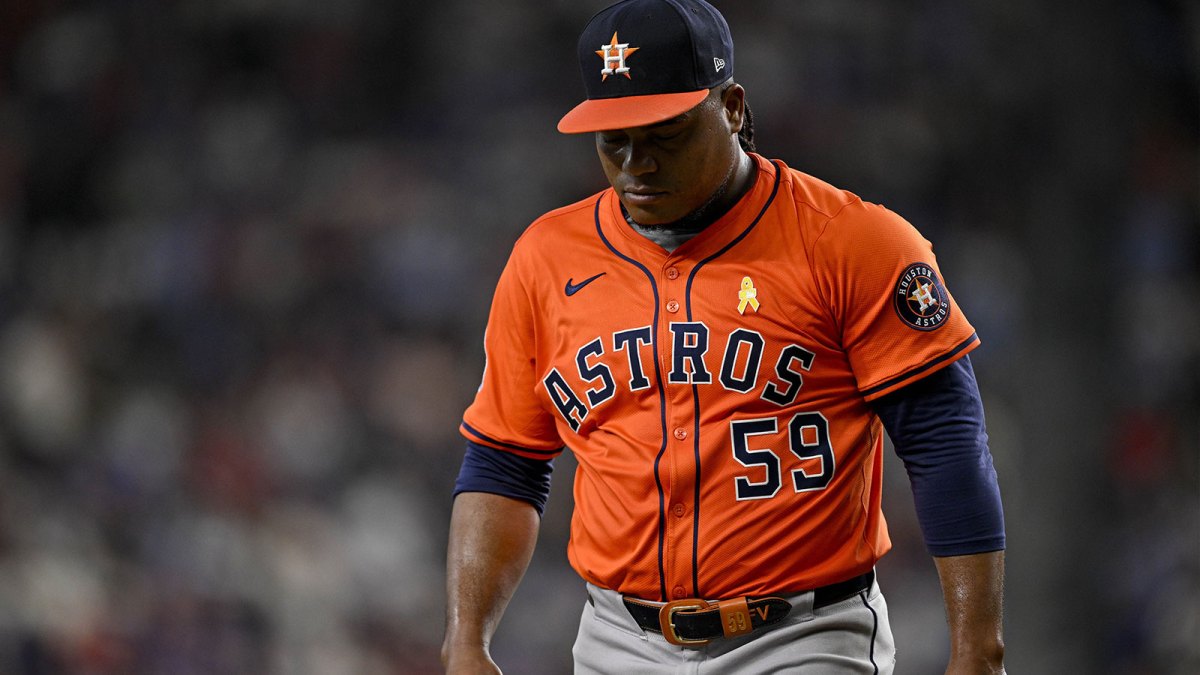
Despite widespread acknowledgment that the rotation needs reinforcement, the Mets have yet to make a significant move to address the problem. This inactivity has sparked frustration among fans and analysts alike, particularly given how central pitching is to sustained success in today’s game. Run prevention has increasingly become a priority across baseball, and the Mets are no exception. New president of baseball operations David Stearns has been clear about his vision: the Mets must do a better job limiting opponents’ scoring, and upgrading the pitching staff is a fundamental part of that plan.

Stearns’ philosophy emphasizes efficiency, durability, and preventing damage rather than relying solely on high-powered offenses to outscore opponents. Within that framework, strengthening the starting rotation is essential. While the free-agent market has thinned as the offseason has progressed, several high-quality arms remain available. Among the most intriguing is left-hander Framber Valdez, a pitcher whose résumé suggests he could immediately elevate the Mets’ staff.

SportsNet New York analyst Anthony McCarron recently predicted that the Mets could ultimately land Valdez, even as debate continues about the team’s slow-moving offseason strategy. McCarron pushed back against the prevailing narrative that the Mets have failed to act decisively, suggesting that patience—particularly when it comes to top-of-the-rotation arms—can pay dividends. According to McCarron, waiting out the market and offering a shorter-term deal could align well with both the Mets’ needs and Valdez’s situation.

McCarron highlighted Valdez’s durability as one of his most appealing traits. Since the beginning of the 2022 season, only Logan Webb has logged more innings than Valdez, a remarkable statistic in an era when many starters struggle to remain healthy or pitch deep into games. For a Mets team that dealt with frequent rotation instability last season, that kind of reliability would be invaluable. The ability to consistently take the ball every fifth day and provide length is something the Mets sorely lacked, and Valdez has demonstrated that he can do exactly that.

Another element of Valdez’s game that fits seamlessly with Stearns’ run-prevention philosophy is his tendency to induce ground balls. Valdez is known for his heavy sinker and ability to keep the ball on the ground, limiting home runs and extra-base hits. This skill not only reduces scoring opportunities for opponents but also plays well with solid infield defense. For a front office focused on marginal gains and efficiency, a pitcher who minimizes hard contact represents a strong strategic fit.

At 32 years old, Valdez remains firmly in his prime, and his track record speaks for itself. Last season, he posted a 3.66 ERA, a respectable figure that aligns closely with his career ERA of 3.36. Over the years, he has earned Cy Young Award votes in four different seasons, reflecting consistent recognition as one of the league’s better pitchers. He is also a two-time All-Star, further underscoring his status as a proven frontline starter.
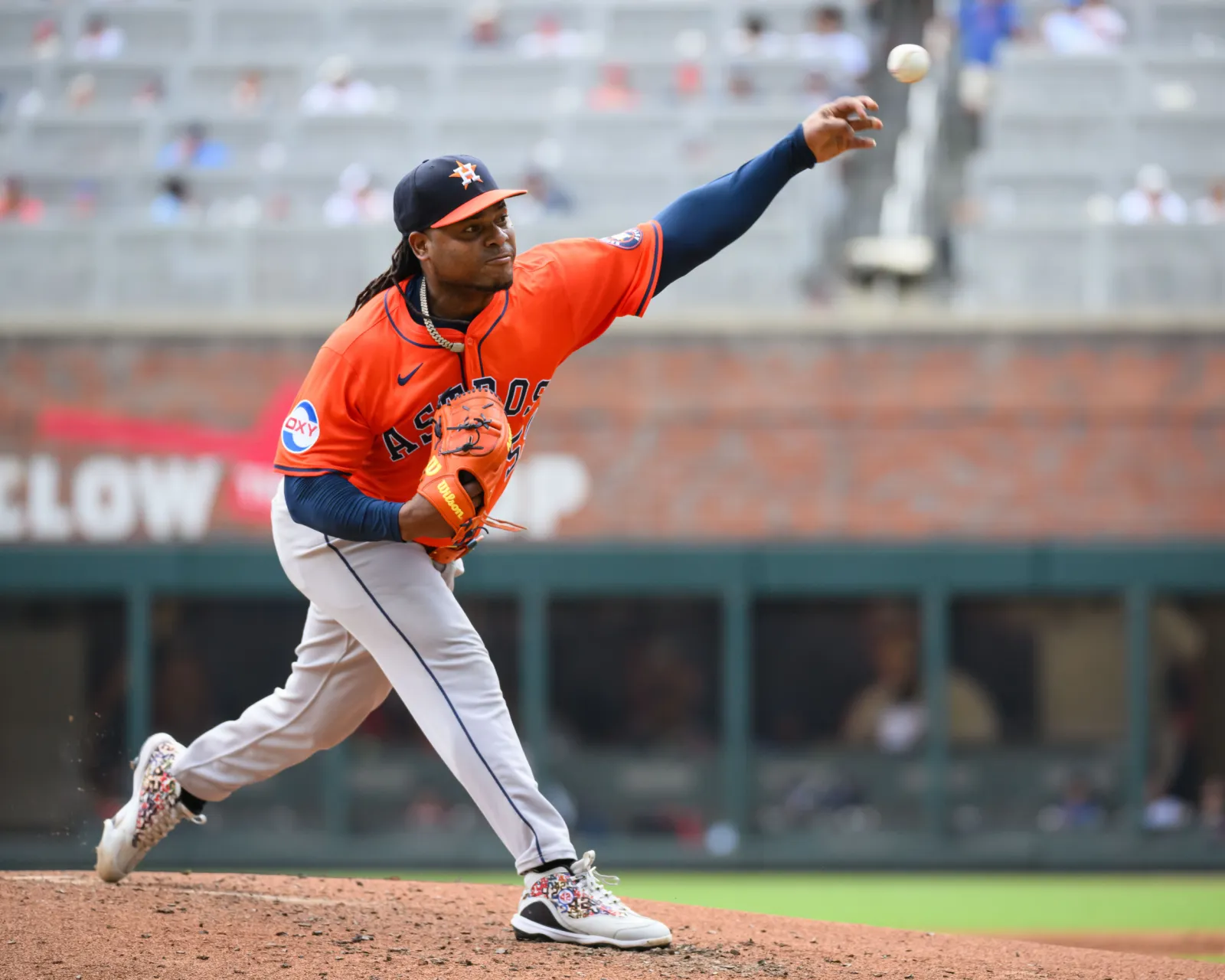
However, despite these credentials, Valdez remains unsigned, and one incident late last season appears to have complicated his market. In early September, a highly publicized miscommunication between Valdez and his catcher, César Salazar, raised questions about his composure and decision-making under pressure. The sequence occurred on September 2 during a tense moment in the game. With the bases loaded, two outs, and his team trailing 2–0 in the fifth inning, Valdez faced Trent Grisham.

As Valdez prepared to deliver the pitch, Salazar was visibly signaling for him to step off the mound. Whether due to crowd noise, misinterpretation, or frustration, Valdez proceeded with the pitch anyway. Grisham capitalized, launching a grand slam that dramatically shifted the game’s momentum. On the very next pitch, another miscommunication occurred. Valdez threw a pitch that struck Salazar squarely in the chest protector while the catcher was set up for a pitch below the strike zone.

The incident quickly went viral and became a talking point across the baseball world. While crossed signals between pitchers and catchers are not unheard of, the timing and visibility of this episode magnified its impact. In a league where teams invest heavily in clubhouse culture, communication, and leadership, the situation raised concerns for some organizations evaluating Valdez as a free-agent target.

Those concerns were not merely speculative. Shortly after the incident, USA Today’s Bob Nightengale reported that at least one team had removed Valdez from its list of potential signings because of what transpired. While it is impossible to know how many teams share that sentiment, the report suggests that the episode has had tangible consequences on Valdez’s free agency.

Valdez himself appears to be aware of how damaging the perception could be. According to ESPN’s Jorge Castillo, Valdez has taken proactive steps to reassure interested teams about his character and professionalism. During an appearance on the podcast “Baseball Is Dead,” Castillo revealed that Valdez is circulating a roughly 20-minute video to prospective teams. The video reportedly highlights his work ethic, leadership qualities, and commitment to being a positive presence in the clubhouse.
This effort suggests that Valdez understands the importance of reputation in today’s game and is actively working to control the narrative surrounding him. For teams willing to look beyond a single incident and evaluate the full scope of his career, Valdez remains one of the most effective pitchers available. His durability, performance history, and skill set make him a valuable asset for any club seeking rotation stability.

From the Mets’ perspective, signing Valdez would represent more than just adding another arm. He would likely slot in as the staff’s ace, providing leadership at the top of the rotation and setting a tone for consistency. His presence could also alleviate pressure on younger pitchers and allow the team to better manage workloads throughout the season.
In a broader sense, acquiring Valdez would signal a commitment to building a rotation capable of supporting championship aspirations. While one pitcher alone cannot solve all of the Mets’ issues, adding a proven frontline starter would be a significant step forward. It would also align with Stearns’ stated goal of improving run prevention and constructing a more balanced, resilient roster.
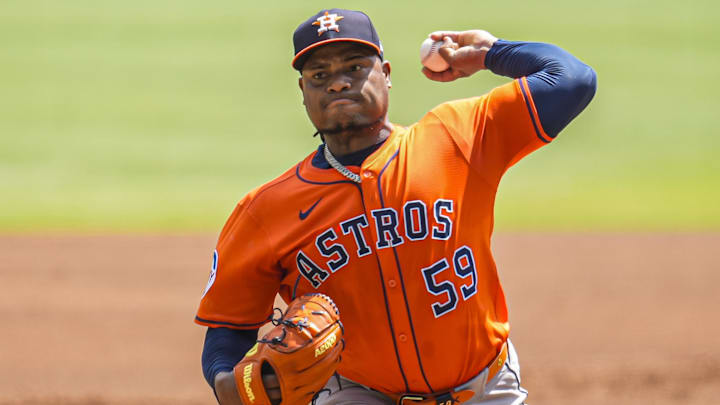
READ MORE– BREAKING: Mets Land Guardians’ 2X All-Star in Blockbuster Pitching Swap
Despite the controversy and the slow-moving market, it remains highly likely that Valdez will sign with a team before the season begins. Players with his track record rarely remain unsigned indefinitely. The question is not whether he will pitch again at a high level, but where. For the Mets, the opportunity to add a pitcher of his caliber—potentially at a more favorable contract due to lingering concerns—could be too appealing to ignore.
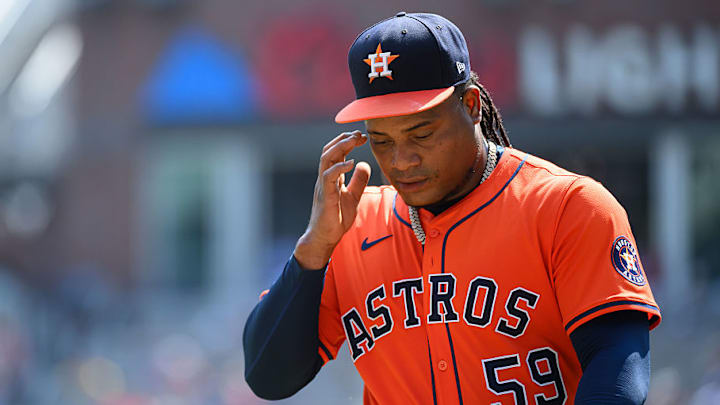
If the Mets ultimately decide to take that step, they would be betting that Valdez’s body of work outweighs a single unfortunate episode. Given his history of success, durability, and effectiveness, that bet could pay off handsomely. In doing so, the Mets would take a meaningful stride toward transforming a shaky rotation into one capable of anchoring a contender.
MORE NEWS ;