Despite months of nonstop speculation and a steady drumbeat of trade chatter, there is a growing sense around baseball that the St. Louis Cardinals may ultimately decide to keep Brendan Donovan rather than move him. What once seemed like an inevitability is now far less certain, and as spring approaches, Donovan’s future in St. Louis looks increasingly stable.
The Cardinals entered the offseason clearly signaling a new direction. After several disappointing years and a roster that failed to meet expectations, the front office chose to initiate a reset by dealing away several established veterans. Nolan Arenado, Sonny Gray, and Willson Contreras were all shipped out in moves that underscored the organization’s willingness to pivot toward youth, flexibility, and long-term planning. Those trades naturally ignited widespread speculation about which players might be next, and few names surfaced more frequently than Donovan’s.
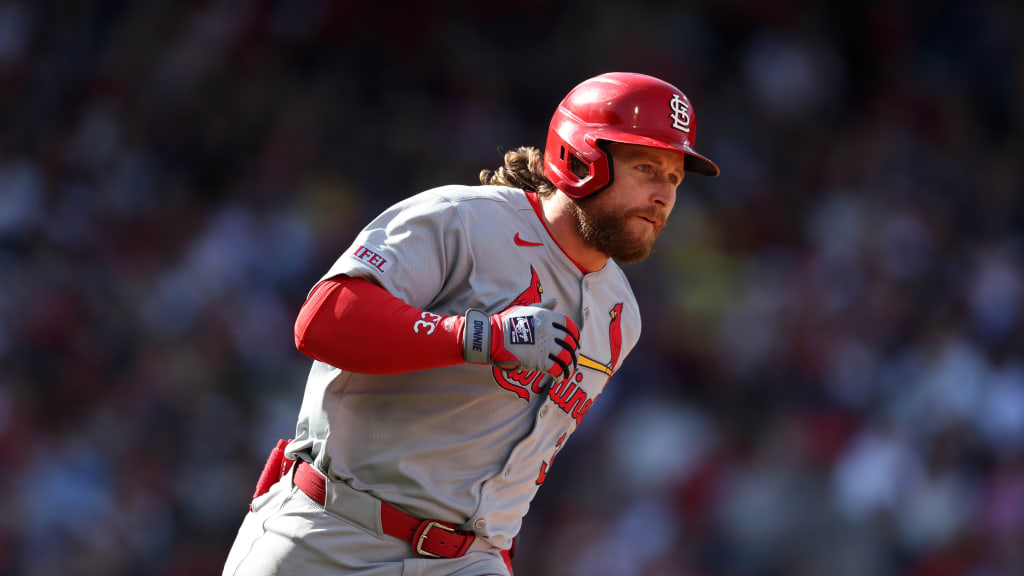
Across Major League Baseball, executives, analysts, and fans alike identified Donovan as one of the most obvious trade candidates on the market. His versatility, strong on-base skills, and team-friendly contract made him an attractive target for contenders looking to bolster their lineups. As the offseason progressed, it felt as though Donovan’s departure was only a matter of time. Rumors followed him relentlessly, and at times it seemed he was discussed more than any other player in trade circles.
Yet as of now, Donovan remains with the Cardinals. With spring training looming and Opening Day not far behind, the assumption that he would be dealt has begun to soften. Instead, there is a growing belief that St. Louis may carry him into the regular season, especially if the offers on the table fail to meet the organization’s expectations.
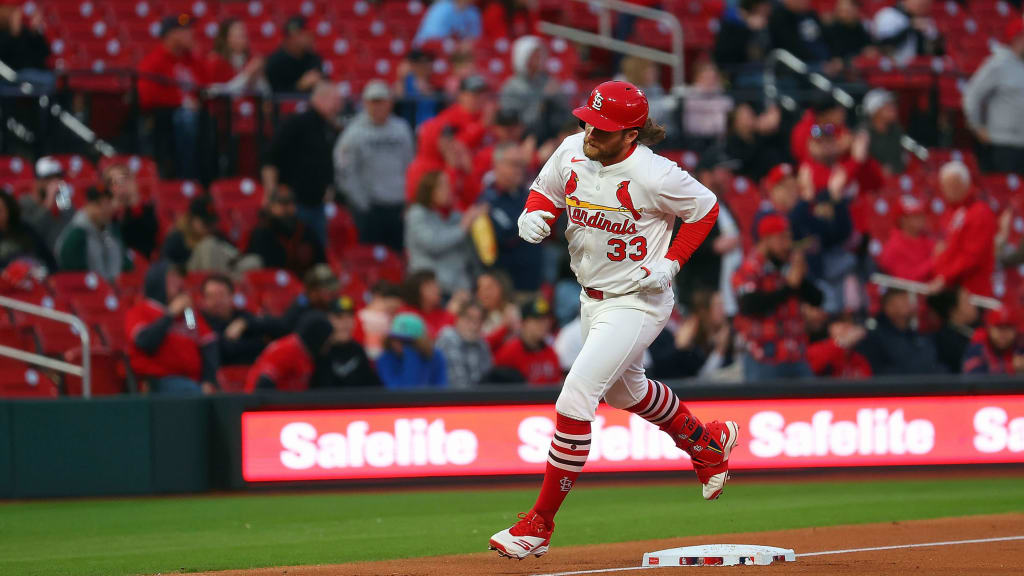
That possibility was highlighted by Jeff Jones of the Belleville News-Democrat, who recently projected the Cardinals’ Opening Day roster and included Donovan as part of the team’s infield mix. With roughly two weeks remaining before pitchers and catchers report, Jones suggested that Donovan’s presence could significantly influence how St. Louis aligns its young talent.
In Jones’ projection, the Cardinals would carry six infielders: Alec Burleson, Brendan Donovan, Nolan Gorman, Thomas Saggese, JJ Wetherholt, and Masyn Winn. If Donovan remains, the club has multiple ways to deploy its pieces. Wetherholt could slot in at third base, while Gorman might transition into a role that resembles a full-time designated hitter. Donovan’s defensive versatility would allow him to move between positions, including second base and even left field, depending on matchups and lineup needs.

Jones noted that Donovan could see time in the outfield as well, which would open additional opportunities for Wetherholt and Gorman to shift around the diamond. In that scenario, Wetherholt might spend more time at second base, with Gorman sliding over to third. If Donovan were traded, however, those roles would likely become far more fixed, forcing the Cardinals to commit fully to a specific alignment rather than maintaining their current flexibility.
What makes this projection noteworthy is that it reflects a broader change in how Donovan is being viewed internally and externally. Earlier in the offseason, many assumed his trade was inevitable, especially given the Cardinals’ apparent commitment to a rebuild. Now, however, the idea of Donovan staying put no longer feels far-fetched.

That sentiment was echoed by Robert Murray of FanSided, who reported that the Cardinals are under no pressure to move Donovan unless they receive an offer that truly justifies it. According to Murray, St. Louis values Donovan highly and does not view him as a player they need to unload simply for the sake of reshaping the roster.
Murray explained that Donovan is under contract for multiple seasons, giving the Cardinals significant leverage. Because of that control, the team can afford to be patient. Rather than rushing into a deal, they can wait to see if another club meets their price—or even exceeds it. If that doesn’t happen, St. Louis is perfectly comfortable keeping Donovan and allowing him to remain a core contributor.
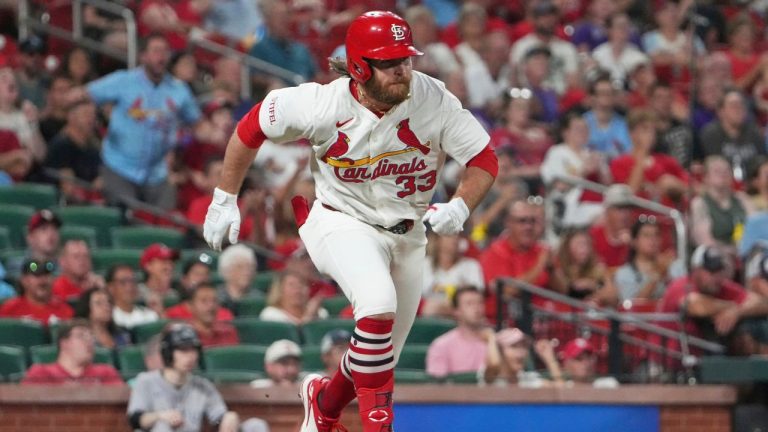
The Cardinals reportedly set a steep asking price for Donovan earlier in the offseason, one that reflected not only his production but also his versatility and clubhouse value. Teams that inquired quickly learned that St. Louis was not interested in a modest return. Unless a potential trade partner was willing to “blow them away,” as Murray put it, the Cardinals had no intention of pulling the trigger.
This approach mirrors how the organization handled Nolan Arenado just one year earlier. Last offseason, Arenado’s name was constantly mentioned in trade rumors, and many believed his time in St. Louis was coming to an end. The speculation was intense and unrelenting. However, Arenado’s no-trade clause complicated matters, and despite all the noise, he remained with the team throughout the entire 2025 season.
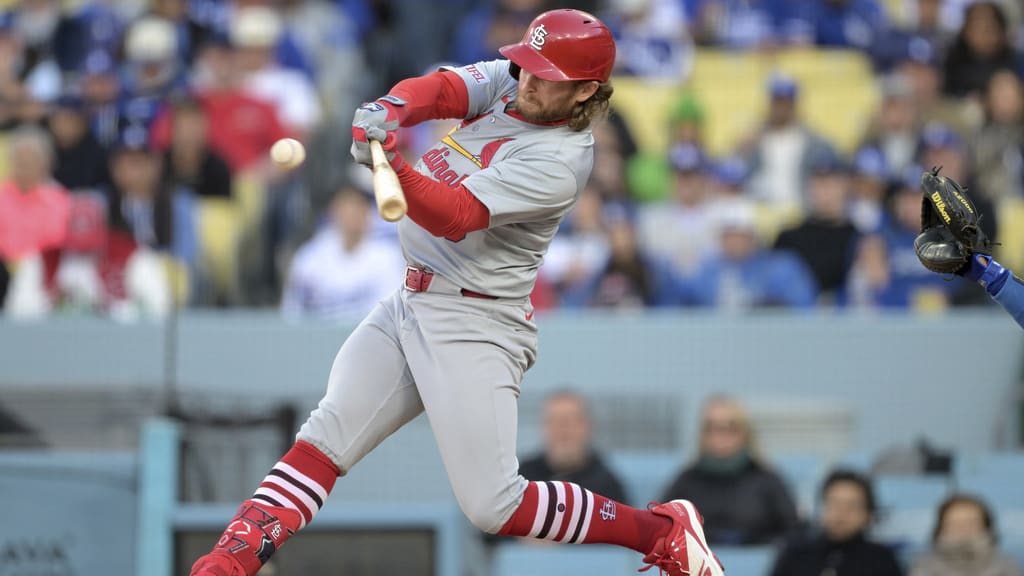
While Donovan does not possess a no-trade clause, the parallel is still striking. In both cases, the external narrative suggested an obvious trade candidate, yet the internal reality was far more nuanced. The Cardinals, it seems, are willing to tune out the speculation and make decisions strictly on their own terms.
For Donovan, this could mean continuing to play a significant role during a transitional period for the franchise. At 27 years old, he sits at an interesting crossroads—not quite a veteran, but not a prospect either. He offers a steady presence, a strong approach at the plate, and the kind of positional flexibility that managers covet. In a roster that is increasingly populated by young, developing players, Donovan provides a level of reliability and experience without being a long-term financial burden.
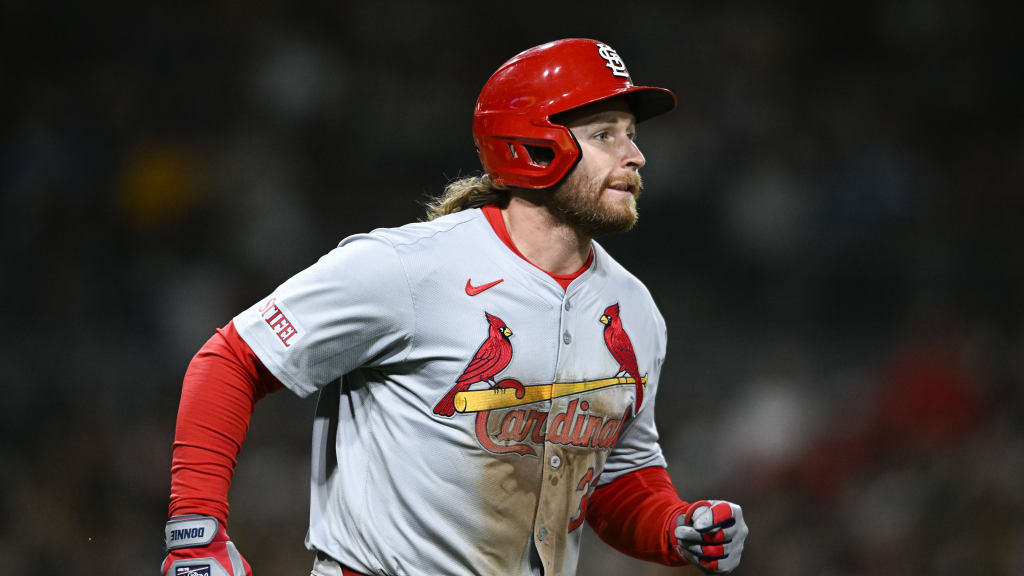
Keeping Donovan could also serve as a stabilizing move during the rebuild. Rather than stripping the roster entirely of proven contributors, the Cardinals may prefer to maintain a balance between youth and competence. That balance can help young players develop in a more competitive environment while still preserving the possibility of future trades if circumstances change.
From a strategic standpoint, holding onto Donovan could also increase his value over time. If he performs well early in the season, his market could become even stronger at the trade deadline, particularly if contending teams encounter injuries or underperformance. In that sense, patience could pay off.
Of course, none of this guarantees that Donovan will remain in St. Louis for the entirety of the season. Baseball’s trade landscape is fluid, and circumstances can shift quickly. Injuries, unexpected performances, or changes in the standings could all influence the Cardinals’ thinking. Still, the notion that Donovan must be traded immediately no longer holds the same weight it once did.
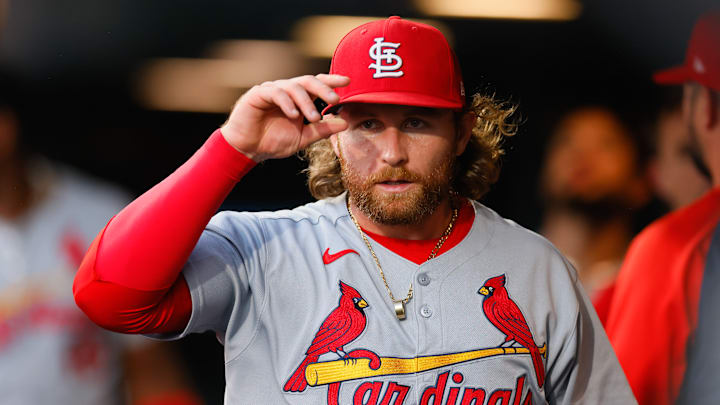
As spring training approaches, the endless rumors continue, but they carry less certainty than before. For now, Donovan is still a Cardinal, and there is a very real possibility that he takes the field in St. Louis on Opening Day. What once seemed inevitable now feels optional, and in an offseason defined by change, Donovan’s continued presence may be one of the most telling signs of how the Cardinals truly view their rebuild.
In the end, the Cardinals appear content to let the situation play out. They are not rushing, not panicking, and not bending to external pressure. If the right offer arrives, they will consider it. If it doesn’t, they are more than happy to keep a player they value highly. And for Brendan Donovan, that means the door to staying in St. Louis—despite months of speculation—remains very much open.