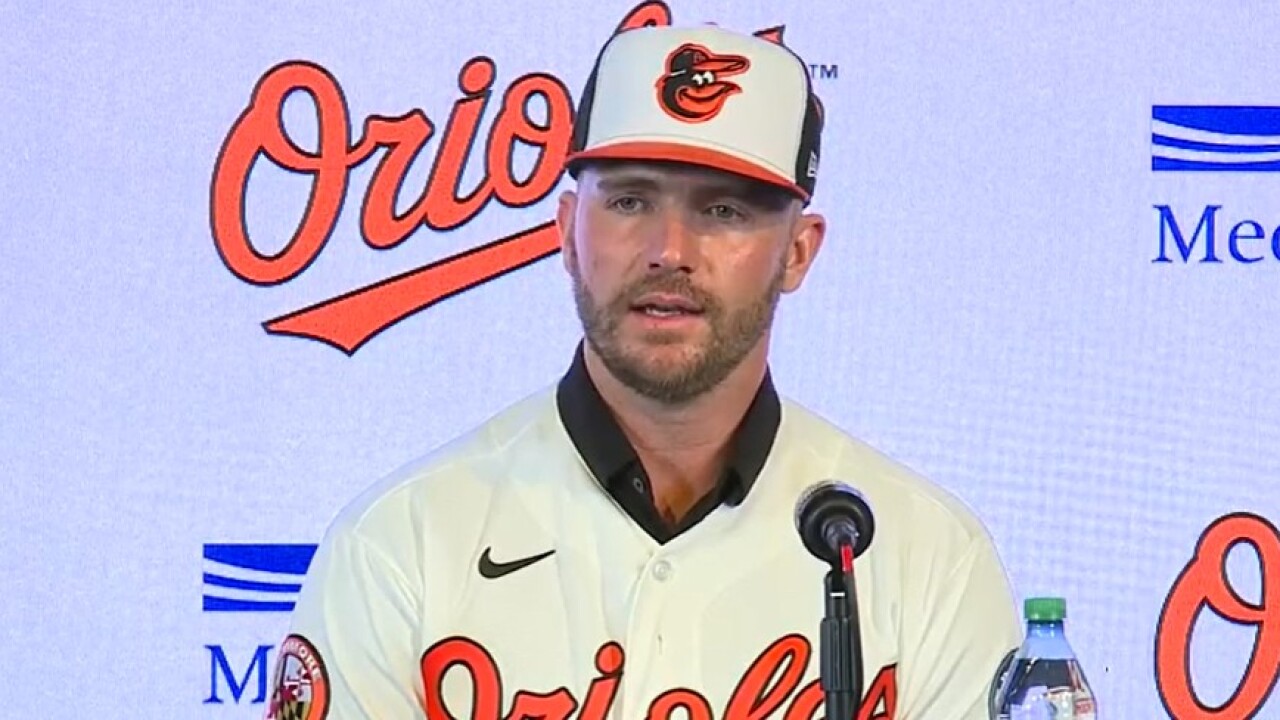
When Pete Alonso agreed to a five-year, $155 million deal with the Baltimore Orioles this offseason, the announcement sent a ripple through Major League Baseball. The surprise, though, wasn’t so much that he left the New York Mets. Around the league, there had been a growing sense that Mets president of baseball operations David Stearns was hesitant to commit to a lengthy, high-dollar contract for the franchise’s longtime first baseman. Insiders had been whispering for months that the front office might ultimately pivot in a different direction.
What truly fueled the emotional response among Mets fans was not the signing itself, but the way it unfolded. Reports emerged that New York never presented Alonso with a formal contract offer before he reached an agreement elsewhere. For a player drafted and developed by the organization — someone who debuted in 2019 and quickly became the club’s all-time home run leader — the absence of a final attempt to retain him felt abrupt and impersonal. To many supporters, it seemed like a chapter had closed without the customary goodbye.
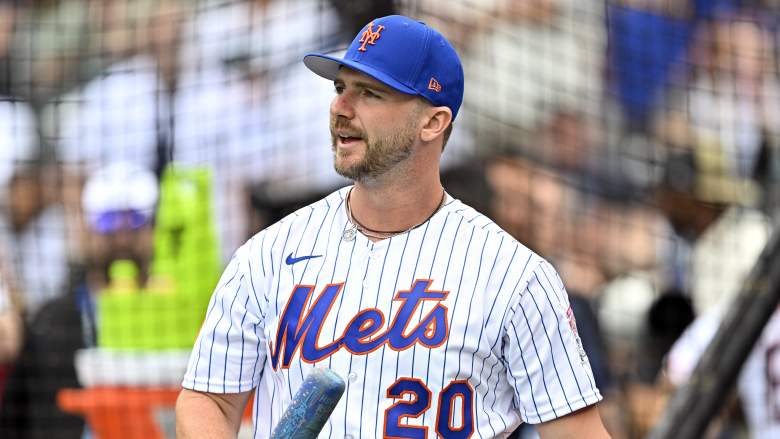
Alonso, however, has made it clear that he isn’t dwelling on what might have been. In a recent interview with David Lennon of Newsday, he addressed the speculation and second-guessing that have surrounded his departure. Rather than expressing disappointment or frustration, he struck a tone of gratitude and forward-looking optimism.
From his perspective, revisiting hypothetical scenarios serves no purpose. Alonso explained that he feels deeply valued in Baltimore and comfortable in his new surroundings. Instead of replaying negotiations in his mind or wondering whether things could have unfolded differently in New York, he is focused on embracing the opportunity ahead of him. He emphasized how energized he feels by his new clubhouse and how motivated he is to help his new team chase a championship.
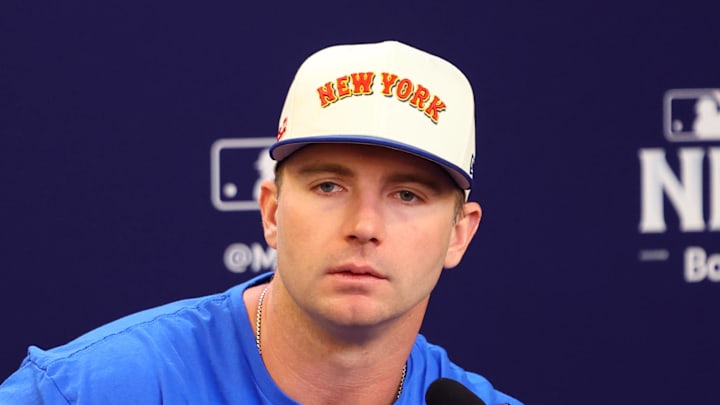
Those remarks suggest a decisive emotional transition. For much of the early 2020s, Alonso was practically synonymous with the Mets. Nicknamed the “Polar Bear,” he became one of the most recognizable figures in the franchise’s modern era. His prodigious power, remarkable durability, and steady presence in the clubhouse made him a central figure both on and off the field. Year after year, he provided consistent home run production and rarely missed games, building a reputation as one of the league’s most reliable sluggers.
Throughout the 2024 and 2025 seasons, Alonso publicly reiterated his desire to remain in Queens for the long haul. He spoke often about his affection for the organization and its fanbase, and many assumed that a long-term extension was only a matter of time. But behind the scenes, the front office appeared to be recalibrating its broader vision for the team.

The 2025 season complicated matters further. The Mets surged out of the gate, racing to a 45–24 record by June 12. For a time, they looked like one of baseball’s most formidable clubs, blending veteran experience with emerging talent. Yet the promising start unraveled over the second half of the campaign. A dramatic collapse erased their early cushion, and by season’s end, they found themselves outside the playoff picture entirely.
As losses mounted, reports surfaced about tension within the organization. Questions about roster construction, clubhouse chemistry, and long-term planning grew louder. When the offseason arrived, the Mets did not simply tweak the roster; they initiated sweeping changes. In addition to Alonso’s departure, the club moved on from star closer Edwin Diaz, veteran outfielder Brandon Nimmo, and versatile infielder Jeff McNeil. These decisions reflected a broader reset rather than a singular disagreement over Alonso’s contract.
Seen in that context, Alonso’s exit becomes part of a larger organizational pivot. The Mets, under Stearns’ guidance, appear intent on reshaping their roster structure and payroll commitments. Rather than doubling down on expensive, long-term deals, they opted for flexibility and a reimagined competitive window. Alonso, as one of the most prominent and highest-profile players on the roster, naturally became a focal point in that strategic shift.
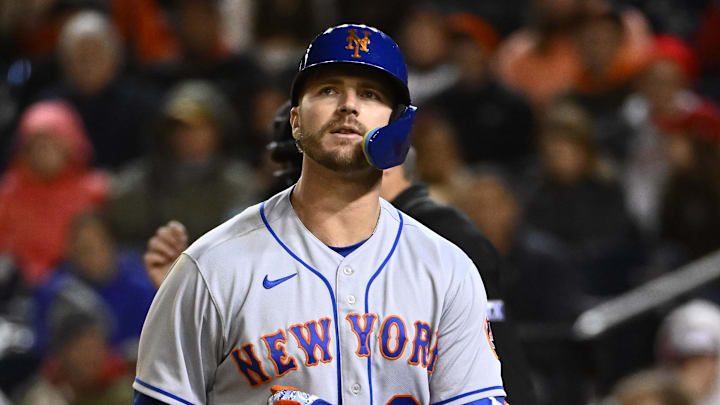
For Alonso himself, the change represents less a story of unfinished business and more one of fresh opportunity. He has described his time in New York as formative and meaningful, expressing deep appreciation for the experiences he had there. Yet he has also underscored that his priority now is simple: to win for his new team and for the city of Baltimore.
He has spoken about gratitude for his Mets tenure while acknowledging that it belongs to the past. In his words, dwelling on prior chapters does little to advance present goals. Instead, he is channeling his energy into the Orioles’ pursuit of a championship. The clarity of that mindset — gratitude without nostalgia, ambition without regret — illustrates a player determined to embrace his next act fully.
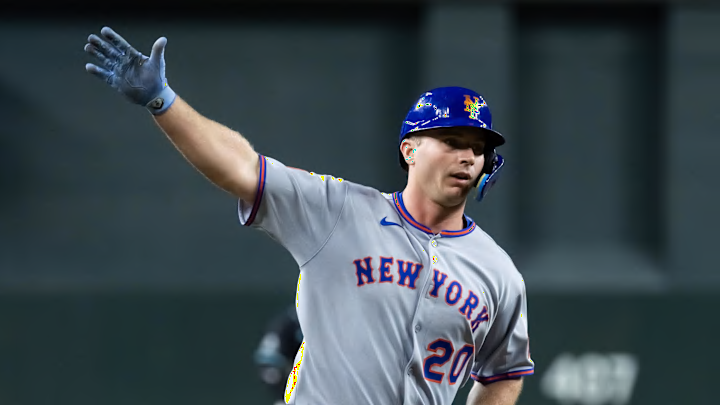
Mets owner Steve Cohen has acknowledged the emotional impact of Alonso’s departure on the fanbase. Cohen noted that he understands how difficult it is for supporters to watch homegrown stars leave, particularly players with whom they have developed strong attachments. Change, he conceded, can be painful. He also indicated that under different circumstances, a deal with Alonso might have been possible. However, he made clear that the organization was unwilling to extend to five years, and that philosophical difference ultimately proved decisive.
Baltimore, meanwhile, represents a franchise on the rise. The Orioles have constructed a dynamic young core and signaled serious postseason ambitions. In recent seasons, they have emphasized player development and strategic roster building, positioning themselves as contenders in a competitive division. Adding Alonso’s established power bat aligns with that trajectory.
His history of 40-plus home run seasons offers immediate lineup reinforcement. For a team seeking to convert promise into sustained October success, Alonso’s presence lengthens the batting order and injects proven middle-of-the-lineup production. His experience in high-pressure environments and reputation as a steady clubhouse voice further enhance his value beyond the box score.
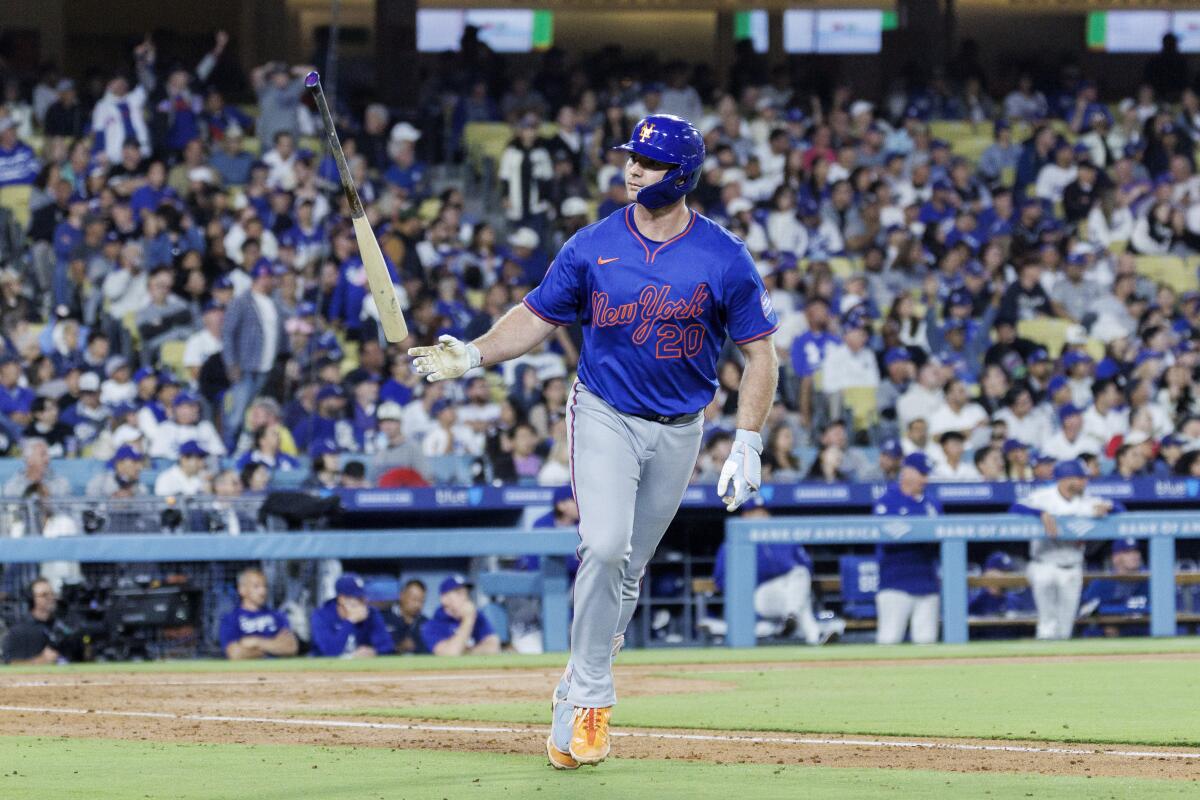
Still, Alonso has not erased his memories of New York. He has described his Mets years as an integral part of his journey, emphasizing the meaningful moments and relationships forged there. He believes he created lasting memories, both for himself and for fans, and he intends to carry those experiences with him throughout his career.
In many ways, his departure underscores the complex intersection of loyalty, business, and timing in professional sports. Players develop bonds with cities and supporters, but front offices must weigh contracts against long-term strategy. What feels personal to fans often stems from calculated organizational decisions. Alonso’s situation reflects that reality.
For Mets supporters, the image of Alonso launching towering home runs in Queens remains vivid. For Orioles fans, a new era now begins, one in which the Polar Bear’s power becomes part of Baltimore’s identity. The emotional arc of his move — surprise, frustration, acceptance — mirrors the natural progression of change in sports.
Ultimately, Alonso’s words convey closure rather than conflict. He has acknowledged his past with appreciation while expressing wholehearted enthusiasm for his present circumstances. The Mets have embarked on a reset, reshaping their roster in pursuit of a different vision. The Orioles have seized the opportunity to add a proven star to an ascending club.
As the 2026 season approaches, the storyline will shift from contract debates to on-field results. Alonso’s bat will speak loudest, just as it has throughout his career. Whether in Queens or Baltimore, his objective remains unchanged: contribute, compete, and chase a World Series title.
And while fans on both sides may still feel the sting or excitement of his decision, Alonso himself appears settled. The journey continues — just in a different uniform.