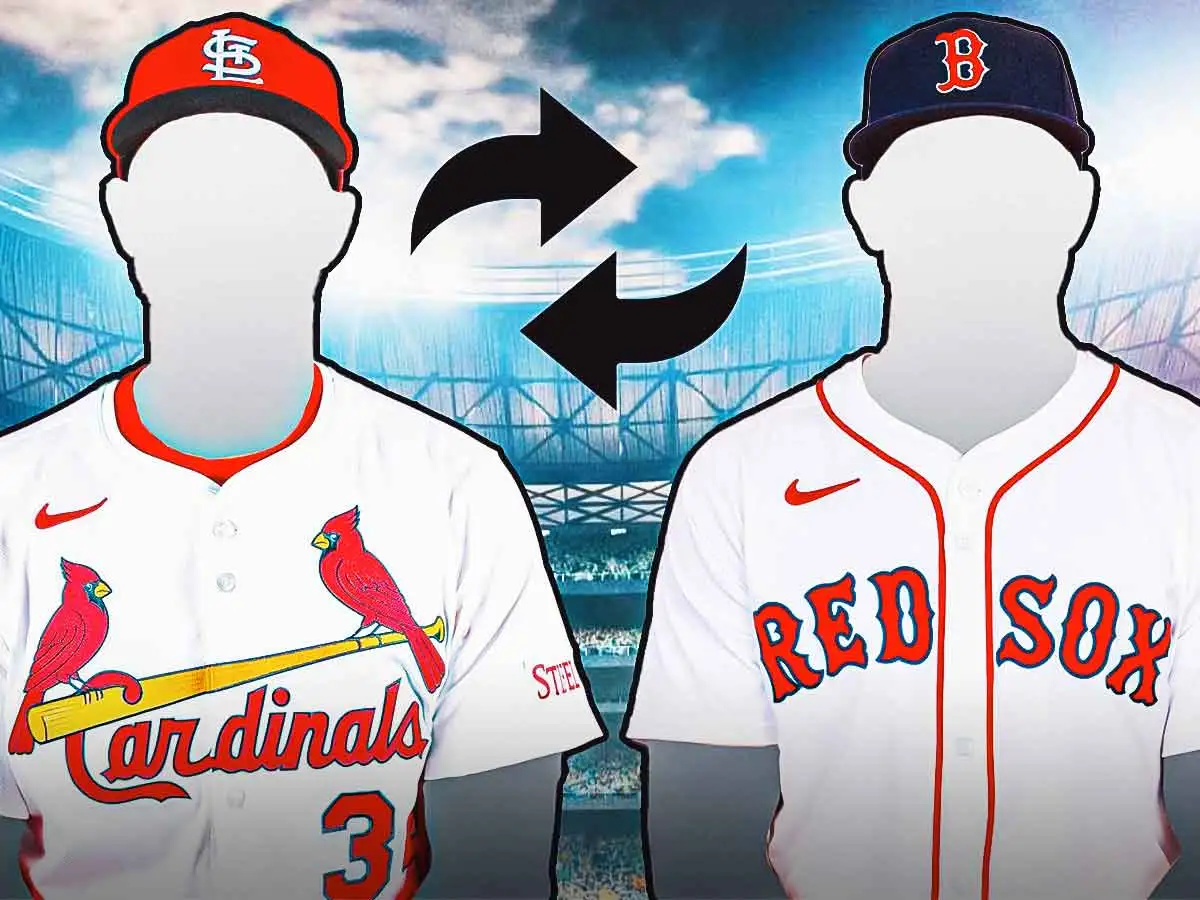
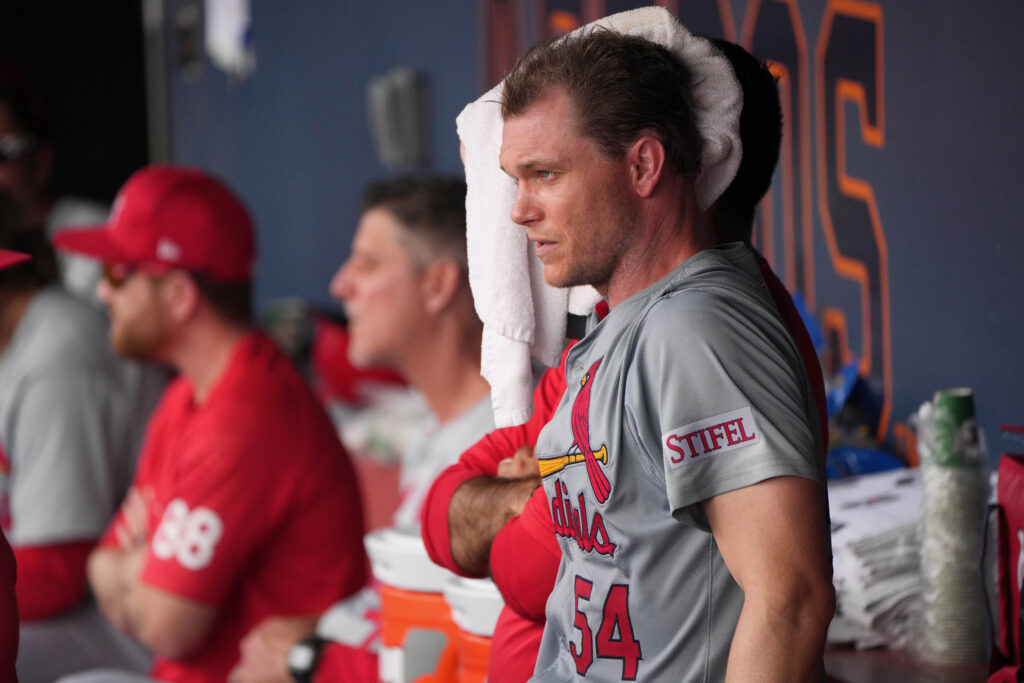
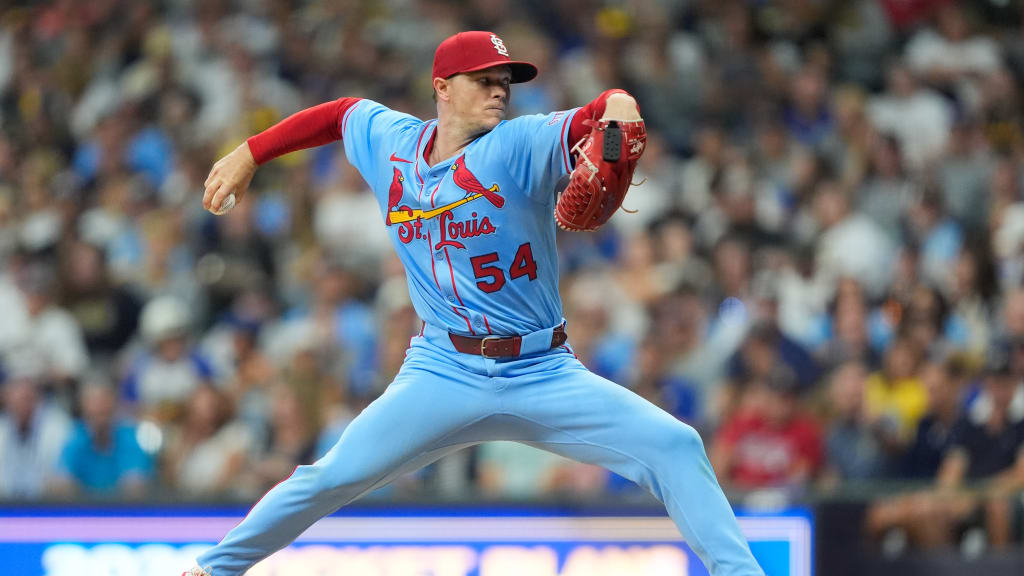
The decision by the St. Louis Cardinals to trade Sonny Gray to the Boston Red Sox initially sparked plenty of debate, but when viewed through a long-term lens, it increasingly looks like a smart and necessary move. This offseason marked a dramatic turning point for the franchise. After years of trying to balance competitiveness with gradual retooling, the Cardinals chose a far more decisive path: a full-scale reset designed to reshape the organization’s future.
Naturally, such a bold shift has divided the fan base. Skepticism is understandable when a team parts ways with recognizable, productive veterans. In addition to Gray, St. Louis moved on from key contributors like Brendan Donovan, Nolan Arenado, and Willson Contreras. That quartet represented a significant portion of the Cardinals’ core over the past several seasons. They were established names, steady performers, and in some cases, emotional leaders in the clubhouse. Watching that group depart in rapid succession inevitably created unease.
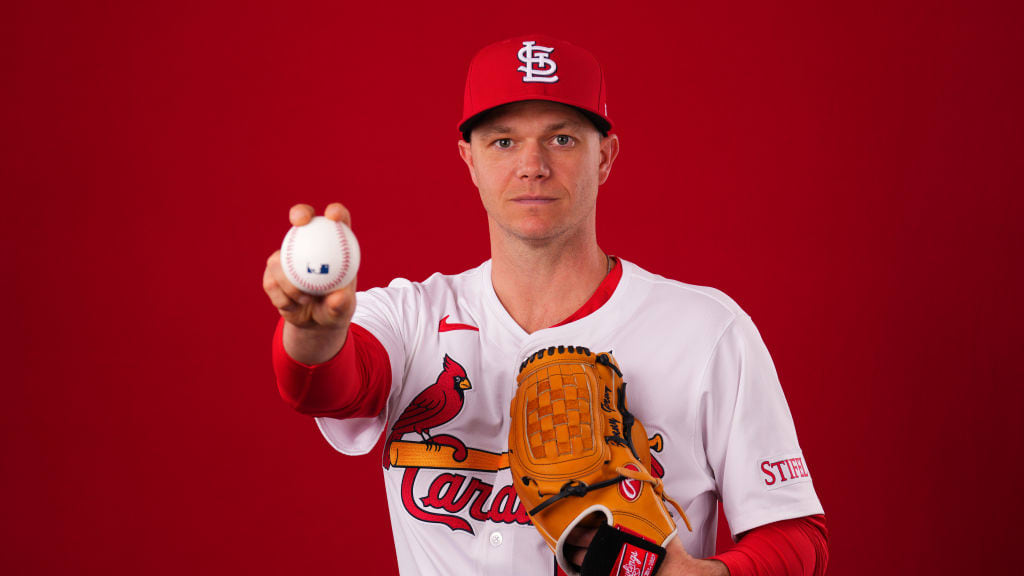
But while the departures were jarring, stagnation would have been worse. The Cardinals had reached an uncomfortable middle ground in recent years — not poor enough to secure elite draft positioning, yet not strong enough to seriously contend deep into October. For a franchise accustomed to sustained excellence, hovering in mediocrity simply isn’t acceptable. Change, even when painful, often becomes the catalyst for genuine progress.
The front office recognized that the existing formula had run its course. Rather than patching holes and hoping for internal improvement, they chose to maximize the value of their veterans while those players still carried strong trade appeal. By doing so, St. Louis secured a wave of prospects who could redefine the team’s trajectory over the next several seasons. That influx of young talent now joins promising players already in the system, including JJ Wetherholt and Quinn Mathews, both of whom have generated significant buzz. When viewed collectively, the organization’s farm system appears far deeper and more dynamic than it did just a year ago.
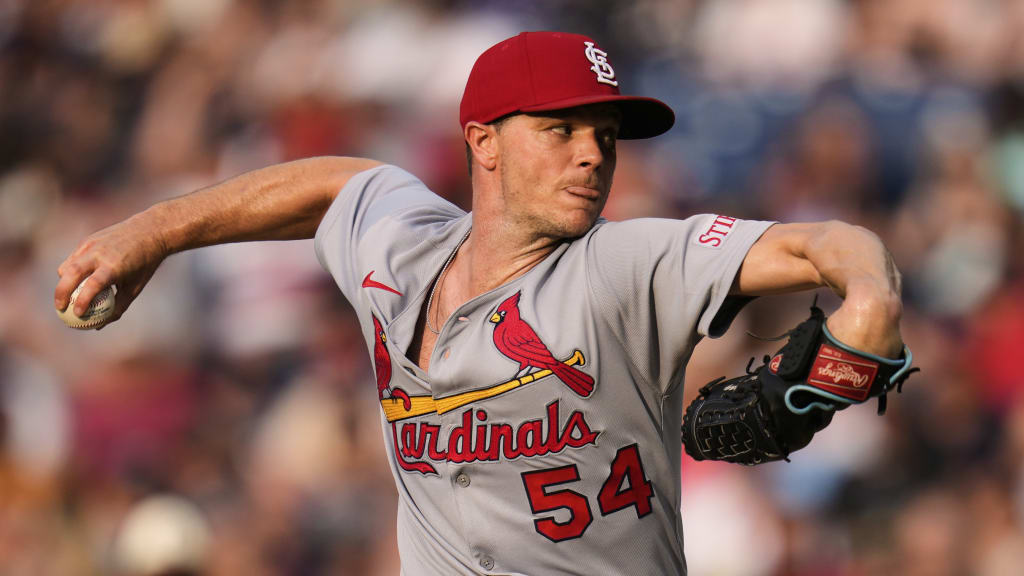
Among all the offseason transactions, the trade that sent Gray to Boston may ultimately stand out as the most impactful. While Gray remained a dependable veteran presence on the mound, he did not necessarily align with the timeline of a team shifting toward youth. Moving him created financial flexibility and, more importantly, brought back pieces that could contribute for years.
One of the most intriguing additions in that deal was Brandon Clarke. Clarke possesses the kind of raw arsenal that teams dream of developing into a frontline starter. His combination of velocity, movement, and pitch mix hints at ace-level potential. However, his professional journey has been interrupted by injuries that slowed his development and limited his innings. Even since arriving in the Cardinals organization, health concerns have surfaced again. That uncertainty makes him a calculated risk — but precisely the type of upside gamble rebuilding clubs should pursue. If Clarke can finally string together a healthy stretch, his ceiling could dramatically tilt the balance of this trade in St. Louis’ favor.

Still, Clarke isn’t the only promising arm acquired in the swap. The Cardinals also brought in Richard Fitts, and early returns suggest he could factor into the big-league picture sooner rather than later. While Clarke represents tantalizing long-term upside, Fitts appears closer to contributing at the major league level. That blend of immediate depth and future potential is exactly what rebuilding organizations aim to secure.
This spring, Fitts has already begun to generate legitimate excitement. After working his way back from injury, he made his first start on Wednesday and delivered an outing that caught the attention of coaches and observers alike. In just two innings of work, he demonstrated why the Cardinals were eager to include him in the deal.

The right-hander’s fastball sat comfortably around 97 miles per hour and even climbed past 98 at its peak. That kind of velocity plays anywhere, especially when paired with command and secondary offerings. Considering the outing was limited to two innings as part of his buildup process, there is reason to believe his velocity might dip slightly — perhaps a mile or two — once he stretches out into longer starts. Even so, maintaining mid-to-upper 90s heat across multiple innings would make him a formidable presence in any rotation.
Beyond the radar gun readings, Fitts displayed composure and efficiency. He tossed two scoreless frames, allowing just two hits while striking out one batter. In his first inning of work, he surrendered an infield single but quickly regained control, inducing three consecutive groundouts. That ability to keep hitters off balance and generate weak contact is encouraging, especially for a pitcher still refining his craft.

His second inning unfolded in similar fashion. After retiring the first two batters, he yielded another infield single — hardly the result of hard contact — before closing his appearance with authority. Facing Cristian Pache, Fitts elevated a 97-mile-per-hour fastball that overpowered the hitter for a strikeout. It was a fitting conclusion to an outing that highlighted both his stuff and his poise.
While spring performances should never be overanalyzed, they can reveal developmental strides. Fitts looked confident, physically strong, and in command of his arsenal. For a Cardinals team suddenly searching for rotation answers, that matters.

The offseason departures created significant openings in the starting staff. With Gray gone and veterans like Miles Mikolas also no longer in the picture, the rotation lacks defined certainty beyond its top arms. At the moment, St. Louis does not have five unquestioned starters locked into place for Opening Day. That uncertainty, rather than being purely problematic, presents opportunity.
Fitts could very well emerge as a candidate for the No. 5 starter role. If he continues to show improved command, durability, and the ability to navigate lineups multiple times, he will force the organization to make difficult decisions. Competition within a rebuilding environment is healthy; it ensures that roster spots are earned, not granted based on past reputation.

Stepping back, this is precisely why the Gray trade looks so prudent. Instead of clinging to a veteran pitcher during a transitional period, the Cardinals transformed one established asset into multiple younger pieces who align with the team’s evolving timeline. Clarke represents high-risk, high-reward upside. Fitts offers near-term rotation depth with room to grow. Combined with the broader prospect haul acquired in other deals, St. Louis has significantly expanded its developmental pipeline.
Rebuilds are rarely comfortable. They test patience and demand faith in long-term planning. Fans accustomed to annual playoff aspirations may struggle with the uncertainty that accompanies youth movements. Yet history shows that sustained success often requires bold recalibration. By acknowledging that their competitive window had narrowed, the Cardinals avoided the trap of half-measures.
Equally important, the organization appears committed to blending its new acquisitions with existing prospects. Wetherholt and Mathews provide optimism on different developmental tracks, and when paired with the newcomers from this offseason, the cumulative talent base is far stronger than it appeared during last year’s frustrations. The system now features power arms, athletic position players, and increased depth across multiple levels.
Of course, none of this guarantees immediate success. Prospects must still develop. Injuries remain unpredictable. Some players will fail to meet expectations. But the key difference is that St. Louis has created flexibility and optionality. Instead of relying heavily on an aging core, the team can now evaluate, promote, and adjust based on performance.

In that sense, the Gray trade symbolizes more than a single transaction. It reflects a philosophical pivot. The Cardinals are betting on development, upside, and timeline alignment. They are prioritizing future contention over short-term stability.
If Clarke fulfills even a portion of his ace potential and Fitts solidifies himself as a dependable rotation piece, the narrative around this trade will shift decisively. What once looked like a painful concession could ultimately be remembered as the moment St. Louis accelerated its return to prominence.
For now, early signs — particularly from Fitts — offer reason for optimism. His velocity, command, and composure suggest he is ready to compete for meaningful innings. And for a club reshaping its identity, that’s exactly the kind of emergence that can validate bold decisions.
Rebuilds are rarely judged in real time. They are assessed years later, when young talent either flourishes or fades. But based on the structure of the return, the strategic timing, and the early flashes of promise, trading Sonny Gray to Boston may prove to be the defining move of the Cardinals’ offseason — a calculated step backward designed to propel the franchise forward.