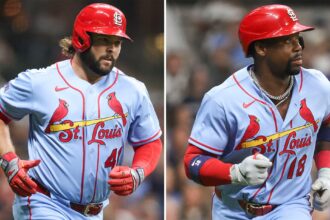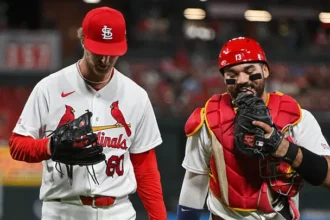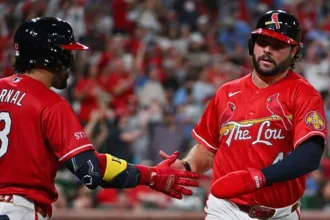
The St. Louis Cardinals have arguably been the most aggressive organization in Major League Baseball when it comes to significant roster moves during the current offseason. While many teams around the league have made only minor adjustments or targeted additions, St. Louis has taken a far more sweeping approach. The club has not hesitated to part ways with several well-known names and established veterans as it reshapes the roster for the future. Over the past year alone, the Cardinals have already moved on from a number of prominent players, including Brendan Donovan, Nolan Arenado, Willson Contreras, and Sonny Gray. Each of those departures represented a major shift for the franchise, signaling that the front office is willing to make bold decisions in order to recalibrate the team’s long-term outlook.
Given the Cardinals’ recent willingness to engage in major trades, it would not be surprising if more moves are still on the horizon. One player who could soon find himself involved in trade discussions is outfielder Lars Nootbaar. Although Nootbaar has been an important contributor when healthy, circumstances around the league—particularly developments involving the Atlanta Braves—could make him a valuable trade piece in the coming weeks. Recent news out of Atlanta has created a situation where the Braves may urgently need to reinforce their outfield, and that could open the door for a deal with St. Louis.
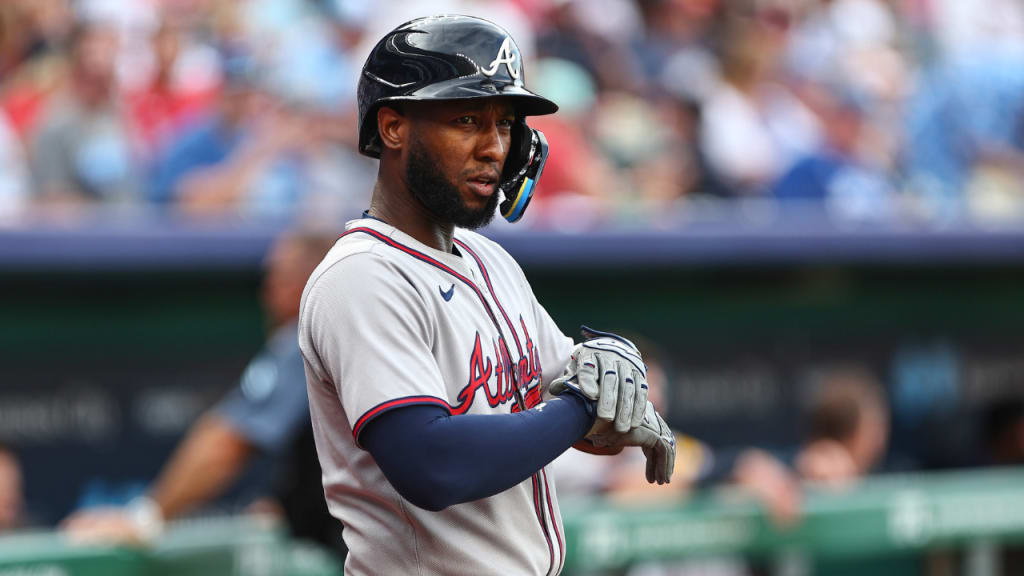
The situation in Atlanta changed dramatically after a report from ESPN insider Jeff Passan surfaced regarding Braves outfielder Jurickson Profar. According to Passan, Profar has tested positive once again for a performance-enhancing drug, which would result in a much harsher punishment under Major League Baseball’s current drug policy. Because this would be the second time within a relatively short period that Profar has violated the league’s PED rules, the consequences are expected to be severe.
Passan reported that Profar, who had recently already served time away from the team due to a PED violation, now faces a potential 162-game suspension following another positive test. In practical terms, that means he could be banned for the entirety of the upcoming MLB season. If the punishment is finalized, it would represent one of the most serious disciplinary actions issued under the league’s current system and would have significant implications for both the player and the Braves organization.
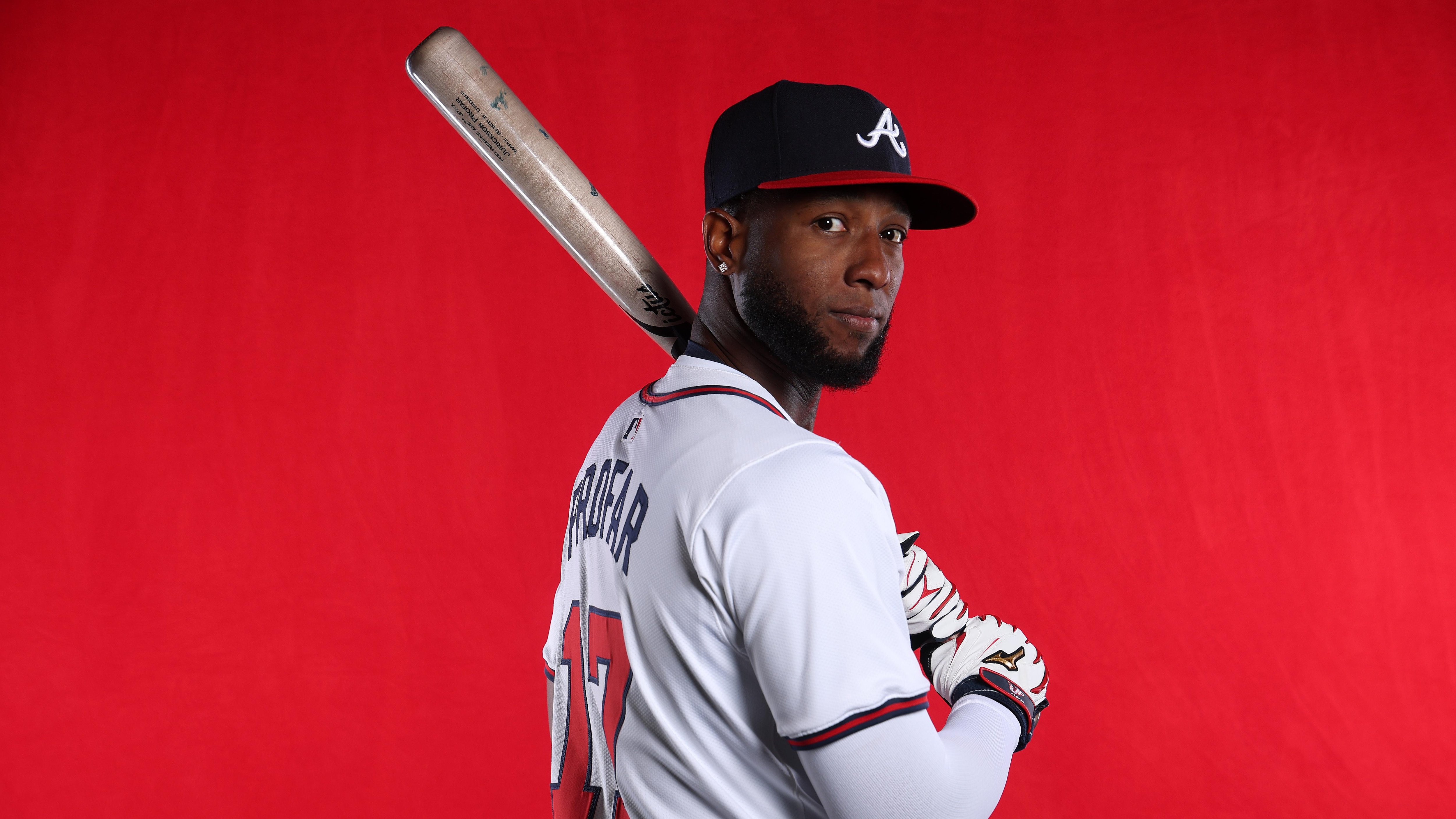
In his report, Passan explained that sources informed ESPN that the Braves’ designated hitter would likely receive a full-season suspension. The punishment stems from Major League Baseball’s policy regarding repeat offenders. Since 2014, the league has enforced far stricter penalties for players who test positive more than once for performance-enhancing substances. A second violation now carries a mandatory suspension covering an entire season—162 games—rather than the shorter bans that were previously handed out.
If the suspension becomes official, Profar would become only the sixth player since the rule change to receive a full-season ban for a second PED offense. The penalty would also come with serious financial consequences. Profar is scheduled to earn $15 million this season, but under the terms of MLB’s drug policy he would forfeit the entirety of that salary if the suspension is upheld. In addition, he would be prohibited from participating in postseason play, even if his team were to reach the playoffs.

The repercussions extend beyond Major League Baseball as well. Profar had been expected to represent the Netherlands in the upcoming World Baseball Classic. The Dutch national team roster includes several players who trace their roots to Curacao, the Caribbean island where Profar was born. However, if the suspension remains in place, he will be barred from participating in that international tournament as well, removing a key player from the Netherlands’ lineup.
For the Braves, losing Profar for an entire season would create a substantial gap in their roster. Atlanta had been counting on his bat to help stabilize the lineup and provide veteran production. With that plan now thrown into doubt, the organization may be forced to act quickly to find a replacement who can contribute both offensively and defensively in the outfield. That sense of urgency could push the Braves’ front office to explore trade options, particularly with teams that have outfield depth or players who might be available at the right price.
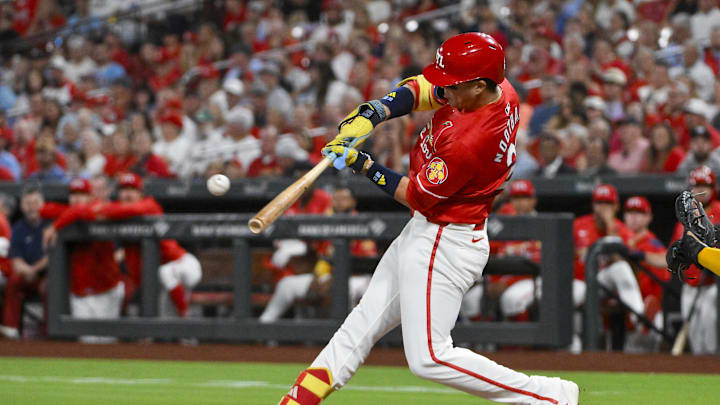
This is where the St. Louis Cardinals could potentially enter the picture. Given their recent history of making significant trades and their apparent willingness to reshuffle the roster, the Cardinals might view the Braves’ predicament as an opportunity. If Atlanta is indeed searching for an immediate outfield solution, St. Louis could consider making Lars Nootbaar available in exchange for young prospects who might strengthen the organization’s future.
One hypothetical trade scenario that has been suggested involves the Cardinals sending Nootbaar to Atlanta in return for two minor-league players: shortstop John Gil and outfielder Eric Hartman. Such a deal would represent a classic exchange of present talent for future potential. The Braves would acquire a major league outfielder capable of contributing right away, while the Cardinals would add promising prospects to their developing farm system.
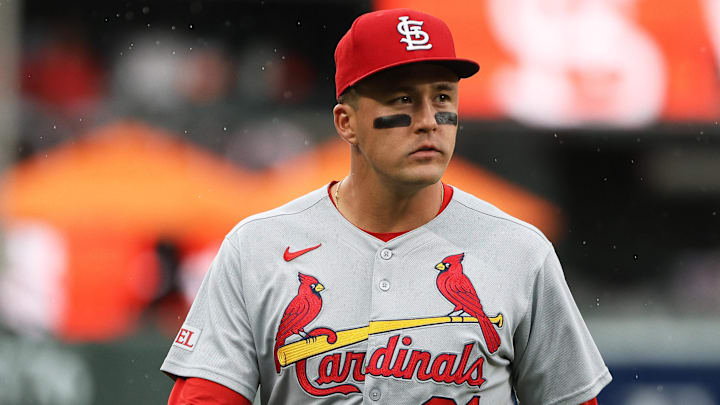
From Atlanta’s perspective, the appeal of Nootbaar lies in his combination of experience, versatility, and upside. While he has dealt with injuries recently—most notably undergoing surgery on both heels during the offseason—he has shown flashes of being an impactful player when healthy. The Braves could view him as a long-term investment rather than simply a temporary stopgap.
Because Nootbaar is still recovering from his double heel procedure, he may not be fully ready to participate at the start of the season. Reports indicate that he is unlikely to be available for Opening Day as he continues the rehabilitation process. Nevertheless, medical expectations suggest that he should regain full health relatively early in the year. Once fully recovered, he could provide Atlanta with a capable bat and reliable defense in the outfield.
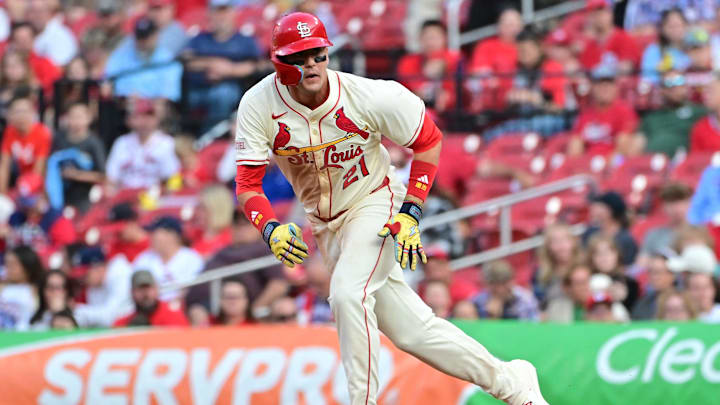
For the Braves, making a move for Nootbaar could also serve as part of a broader strategy to reshape the roster following the uncertainty surrounding Profar. If Profar’s suspension ultimately stands after any appeals process, Atlanta may decide to completely move on from him. Acquiring Nootbaar would give the organization a controllable outfielder who could potentially remain with the team beyond the current season. Should he perform well after returning from surgery, the Braves might even consider signing him to an extension or keeping him as part of their longer-term plans.
Meanwhile, the Cardinals would be focusing on the developmental side of the equation. St. Louis has historically placed great emphasis on building a strong farm system, and adding prospects like John Gil and Eric Hartman could help reinforce that approach. Although neither player is currently a finished product, both possess intriguing tools that could make them valuable assets for the organization in the future.
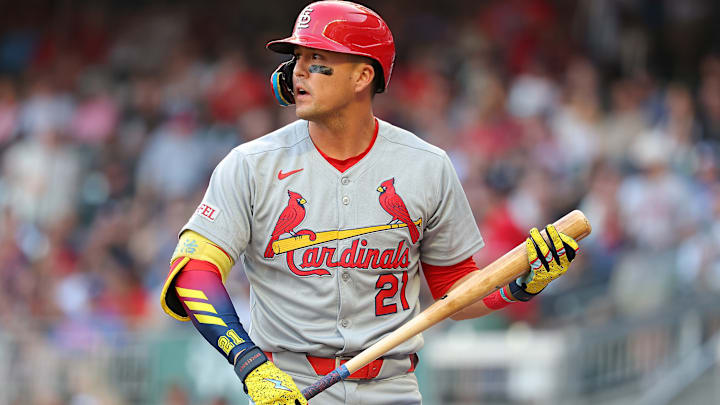
John Gil, for example, is known primarily for his speed and defensive capabilities at shortstop. Scouts describe him as a run-first player who brings athleticism and range to the position. His glove work has already earned positive evaluations, and he has the kind of defensive instincts that teams covet in middle infielders. However, his offensive development remains a work in progress. If Gil hopes to reach the major leagues, he will need to refine his hitting ability and become more consistent at the plate. Even so, the raw tools he possesses give him a solid foundation to build upon.
Eric Hartman offers a somewhat similar profile, though he plays in the outfield rather than the infield. Like Gil, Hartman’s game is heavily built around speed and athleticism. During his first season of professional baseball, he demonstrated an impressive ability to create havoc on the basepaths. In fewer than 100 games, Hartman managed to steal 48 bases, showcasing both his quickness and his instincts for taking advantage of opportunities.
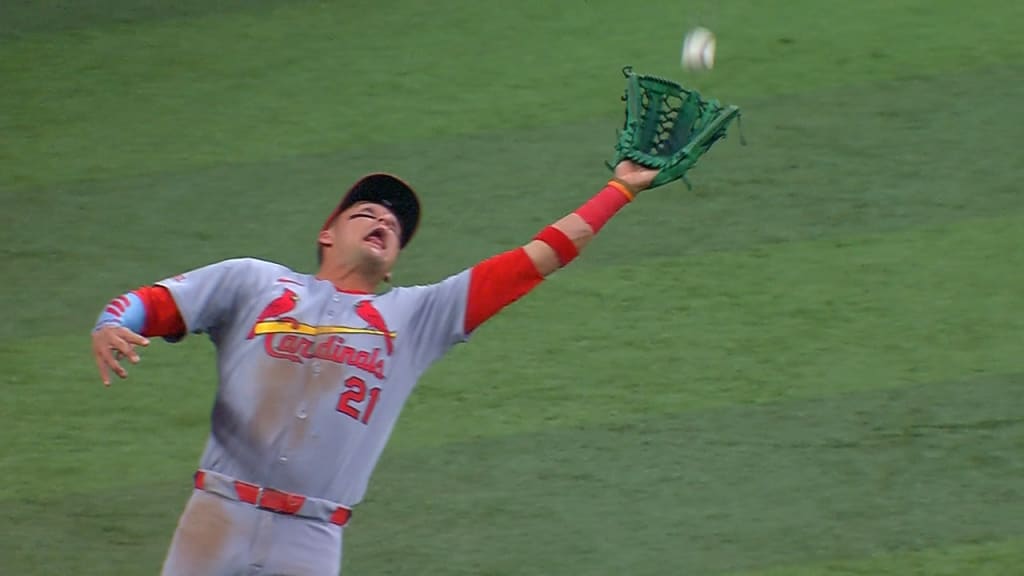
That kind of speed is increasingly valued in today’s game, especially with rule changes designed to encourage more action on the bases. Players who can consistently generate stolen bases and pressure opposing defenses are seen as valuable complementary pieces. If Hartman continues to develop his hitting and defensive skills, he could eventually become a dynamic player capable of influencing games in multiple ways.
For the Cardinals, bringing in prospects like Gil and Hartman would help reinforce the long-term pipeline of talent within the organization. St. Louis has been in the process of recalibrating its roster strategy, and strengthening the farm system is often a central component of that kind of rebuild or retooling phase. By acquiring young players with upside, the Cardinals would be positioning themselves for sustained competitiveness in the years ahead.
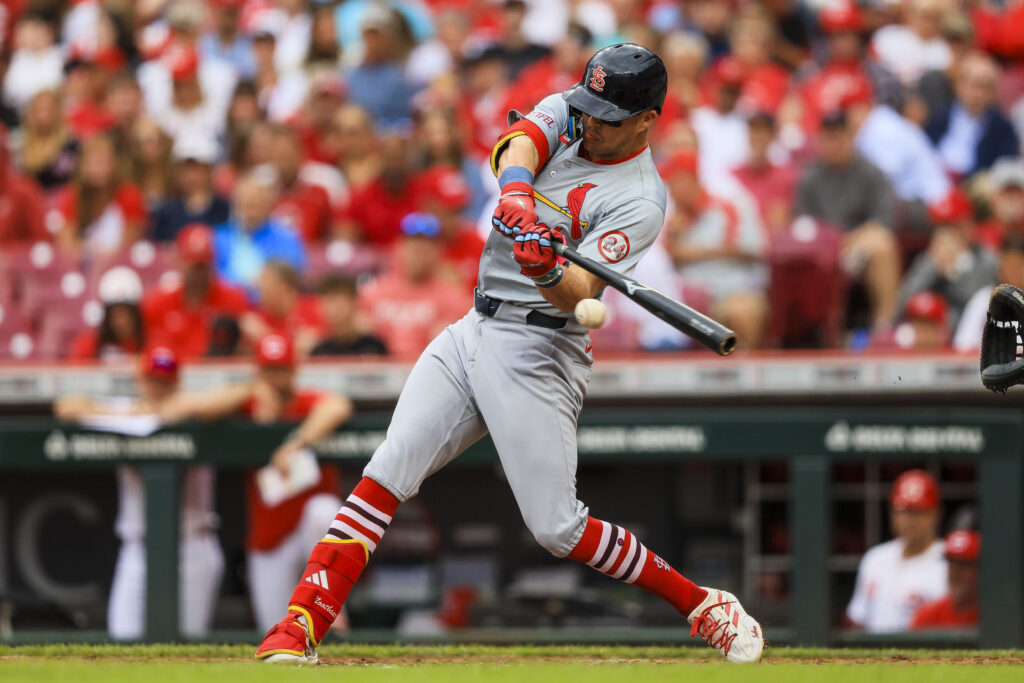
Ultimately, whether such a trade actually materializes remains uncertain. Trade negotiations in Major League Baseball are often complex, and many factors—from medical evaluations to roster considerations—can influence whether a deal moves forward. However, the circumstances surrounding Jurickson Profar’s potential suspension have undeniably created a ripple effect that could shape the market for outfielders.
If the Braves decide they need immediate help and the Cardinals remain open to moving players for future assets, a deal involving Lars Nootbaar could make sense for both sides. Atlanta would gain a player capable of filling a sudden void in their lineup, while St. Louis would continue its strategy of accumulating promising young talent. As the offseason progresses and teams finalize their plans for the upcoming season, situations like this illustrate how quickly the landscape of Major League Baseball can shift—and how opportunistic teams can capitalize on unexpected developments.