The St. Louis Cardinals entered this offseason with a quiet strategy—one that may have flown under the radar for casual observers but carries significant implications for the future of the franchise. While the Cardinals did not make any blockbuster acquisitions or sign marquee free agents, they quietly focused on strengthening both their farm system and their Major League roster. The team’s strategy seems to balance patience with strategic investment: nurturing the next generation of talent while adding pieces to the roster that can contribute immediately.
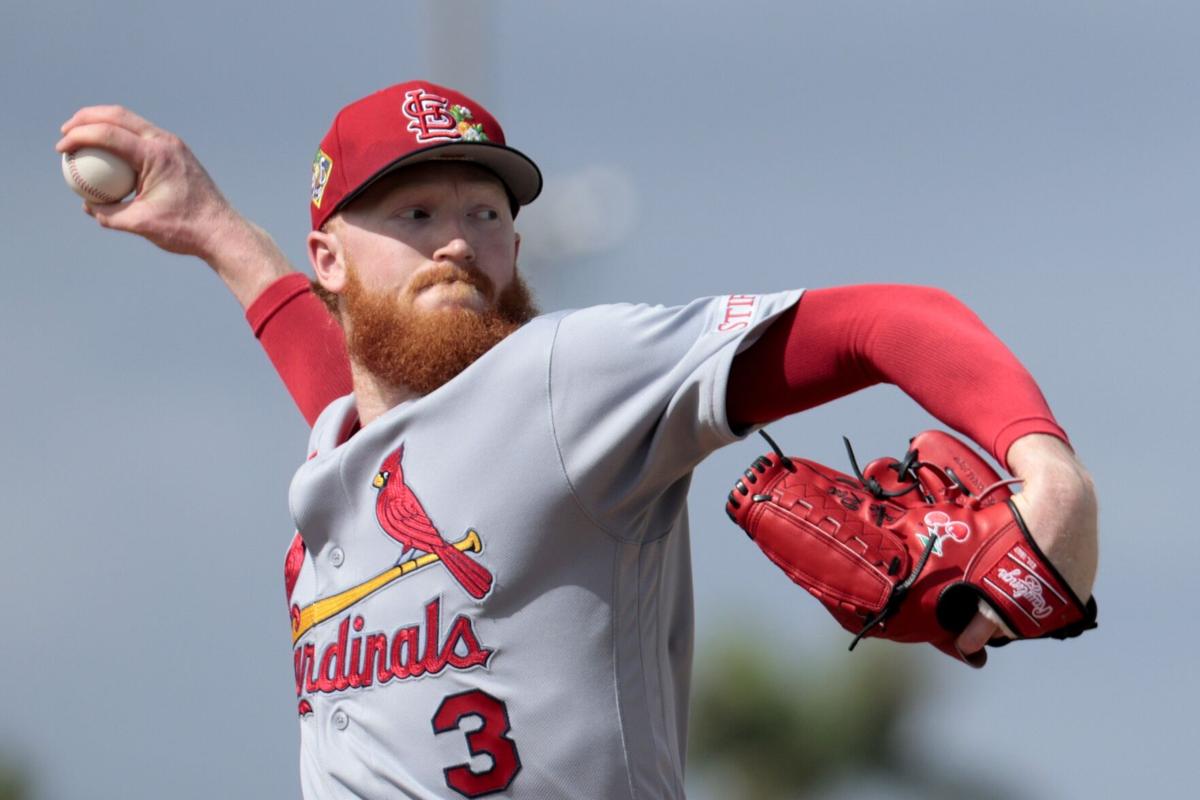
One of the most notable moves of the offseason was the signing of Dustin May to a one-year deal worth $12.5 million. May, a right-handed pitcher known for his electric arm and high upside, represents a calculated risk for the Cardinals. He brings talent and potential, but he also carries the caveat of previous injuries that have interrupted his development. Despite these concerns, the Cardinals are betting that May can remain healthy and provide the team with not just innings, but leadership and stability on a pitching staff that is in transition.

The addition of May is not just about statistics or wins above replacement (WAR); it’s about culture and leadership. In past seasons, May has played on teams where veterans set the tone. He explains that in those environments, there was a sense of predictability: wins and losses were processed with the knowledge that a veteran team could weather slumps and consistently compete over a 162-game season. “I’ve always been on a super-vet team,” he said, reflecting on his previous experiences. “You walk into the clubhouse and it’s like, ‘Oh, you won today, cool,’ or ‘You lost today, cool, we’re going to win tomorrow.’”
But the Cardinals, according to May, represent a new kind of environment—one that is hungry, competitive, and built around players who are fighting for every opportunity. “Knowing that coming in with this group, it’s going to be different. Everybody is going to be fighting for their breath because everybody here is fighting for their chance,” May said. “I haven’t been in a group scenario like that before. Everywhere I’ve always played, there has been like: ‘Alright, this is my position; I’m going to play 162, and we’ll see you in the playoffs.’”

That hunger, May believes, is contagious. For a team that is in a transitional phase—trading away veterans, promoting prospects, and reshaping the identity of the clubhouse—his arrival is as much about mindset as it is about pitching. May’s comments suggest that the Cardinals are cultivating a culture of competition, one where players must prove themselves every day, and where performance directly impacts opportunity. For a young team, this type of culture can be transformational.
While the playoffs may not be an immediate expectation for the Cardinals, May’s attitude indicates that he is not ready to concede this season to rebuilding alone. Unlike his previous experiences on veteran-heavy rosters, he now steps into a team that has traded away a number of its established stars. This opens the door for him to become a central figure, both on the mound and in the locker room. His role is no longer just that of a pitcher fulfilling innings; he is now a veteran presence, a leader who can guide younger players through the rigors of a Major League season.

The Cardinals’ roster has undergone significant change this offseason. Players such as JJ Wetherholt, Ivan Herrera, Alec Burleson, and Masyn Winn now have the opportunity to step into the spotlight. These players represent the future of the organization, and their development will be closely tied to the team’s long-term success. The Cardinals appear committed to giving them a “full runway” to showcase their abilities, which could pay dividends as these prospects gain experience and confidence in the majors.
May’s excitement about this environment is notable because it reflects both optimism and a sense of challenge. He seems to thrive in settings where effort and performance are directly rewarded, rather than relying on established hierarchies or guaranteed roles. For the Cardinals, having a player with this mindset could energize the clubhouse, particularly as younger players adjust to the pace and pressure of the big leagues.
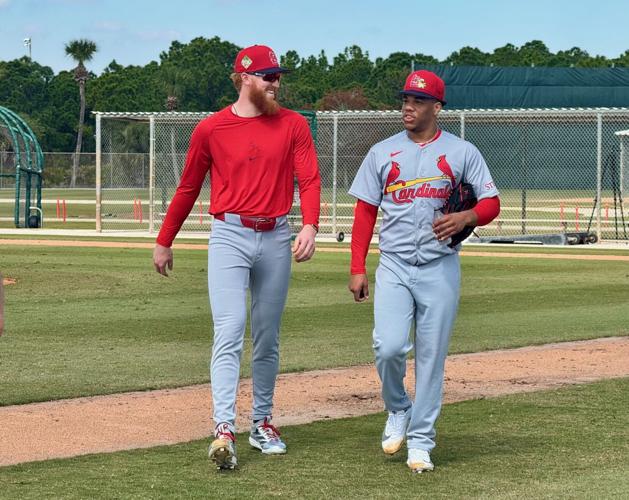
From a strategic standpoint, the Cardinals’ approach mirrors a broader philosophy that many successful franchises adopt during transitional years. While immediate contention may be out of reach, these years are about building culture, establishing leadership, and allowing young talent to gain experience without the crushing pressure of playoff expectations. By signing May, the Cardinals are sending a message: they value skill, but they also value leadership and resilience.
It’s worth noting that May’s signing is not without risk. His previous injuries have limited his availability, and the one-year contract reflects both an opportunity and a cautionary approach. The Cardinals are not locking themselves into a long-term deal with a pitcher who could face setbacks; instead, they are providing him with a chance to prove himself while retaining organizational flexibility. If May thrives, he could be a cornerstone for a pitching staff that is still defining itself. If setbacks occur, the team has maintained the ability to pivot without long-term financial exposure.
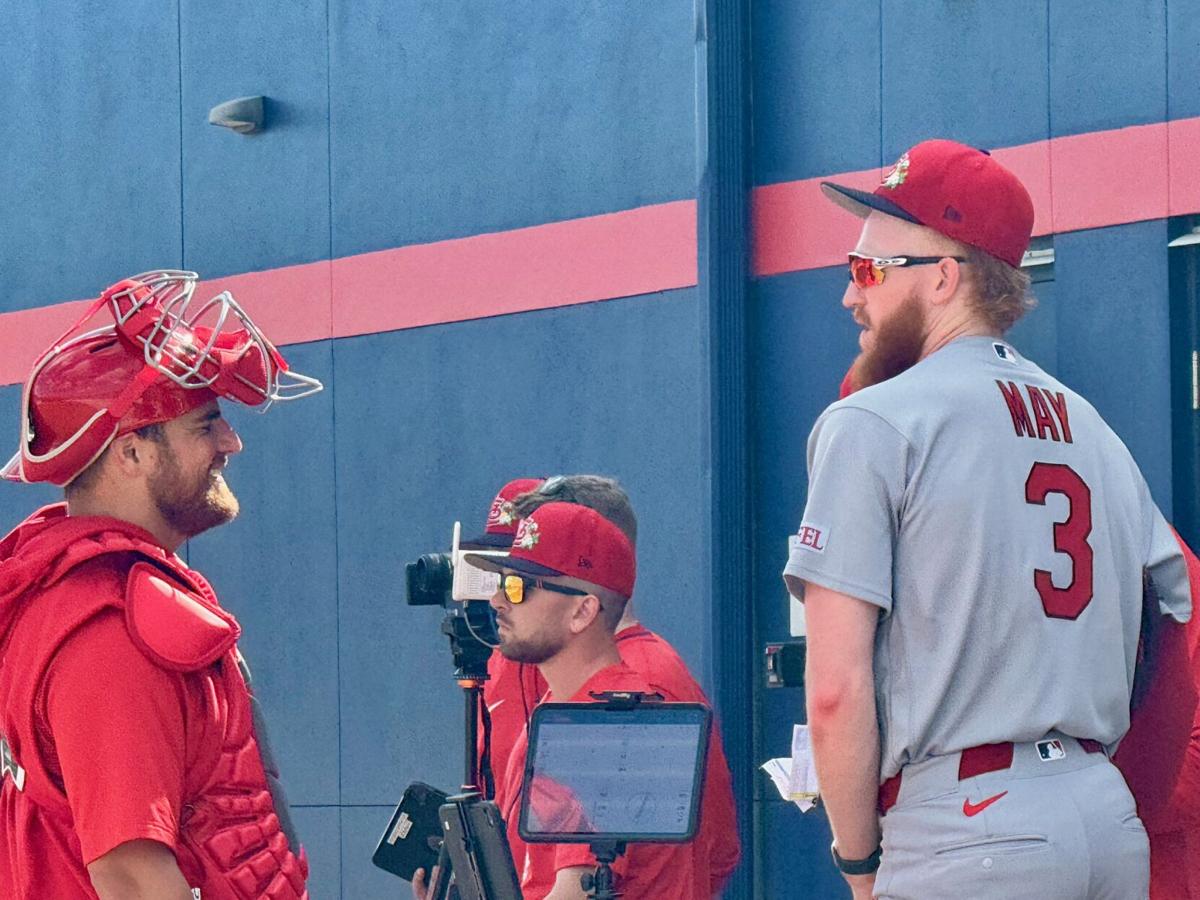
Even beyond his potential on the mound, May’s presence could be catalytic in ways that are harder to measure. Young pitchers and position players alike can benefit from the experience of a veteran who has competed at high levels and understands what it takes to succeed in the majors. Leadership in the locker room often manifests subtly—through work ethic, communication, and example-setting. A player like May, who is embracing his new role rather than resisting it, may create a ripple effect, elevating the standards for everyone around him.
For Cardinals fans, this offseason may not have been flashy. There were no blockbuster trades, no household-name free agents arriving in St. Louis. But what it lacked in spectacle, it made up for in strategy and promise. The combination of May’s signing, the focus on developing young talent, and the intentional reshaping of the clubhouse culture indicates a team that is thinking several steps ahead. The focus is on creating a foundation that can support sustained success, rather than chasing short-term glory at the expense of long-term potential.

May himself seems energized by the challenge. His comments after his spring training debut against the Pittsburgh Pirates highlighted a player who is not only ready to compete but also motivated by the opportunity to lead. “Everybody here is fighting for their chance,” he reiterated. That fight, he suggests, is a defining feature of the Cardinals’ new identity—a team no longer relying solely on established stars but on players willing to earn their roles every single day.
The broader implication for the Cardinals is significant. If May and the young talent around him perform to expectations, the team could emerge as a more formidable contender sooner than fans might anticipate. The team’s strategy balances risk and reward, betting that the combination of young talent, strategic acquisitions, and veteran leadership can accelerate the rebuilding process.
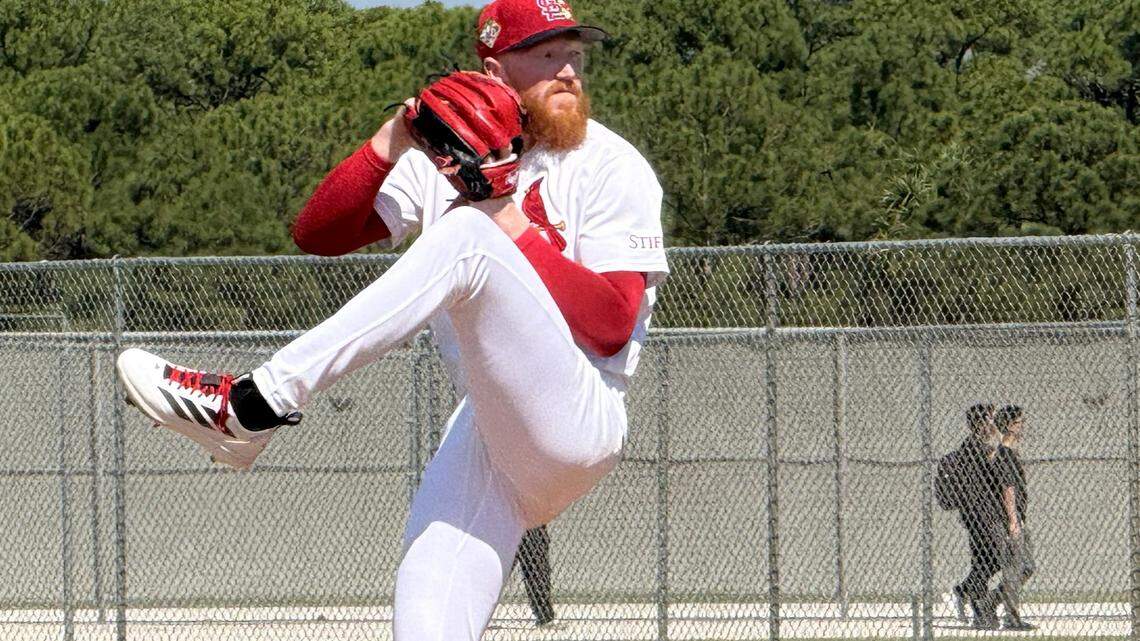
Moreover, May’s attitude may signal a shift in how the Cardinals approach competition. His perspective—valuing hard work, opportunity, and proving oneself—could permeate the organization, shaping the culture in ways that extend beyond the 2026 season. A team culture that prioritizes resilience and accountability can often be the difference between a promising roster and a championship contender.
In summary, the Cardinals’ offseason was quieter than some might expect, but it was far from uneventful in terms of strategic importance. By signing Dustin May, they added more than just a pitcher—they added leadership, competitiveness, and a blueprint for the culture they hope to foster. Combined with the development of promising prospects like JJ Wetherholt, Ivan Herrera, Alec Burleson, and Masyn Winn, the team is positioning itself for long-term growth while still remaining competitive.
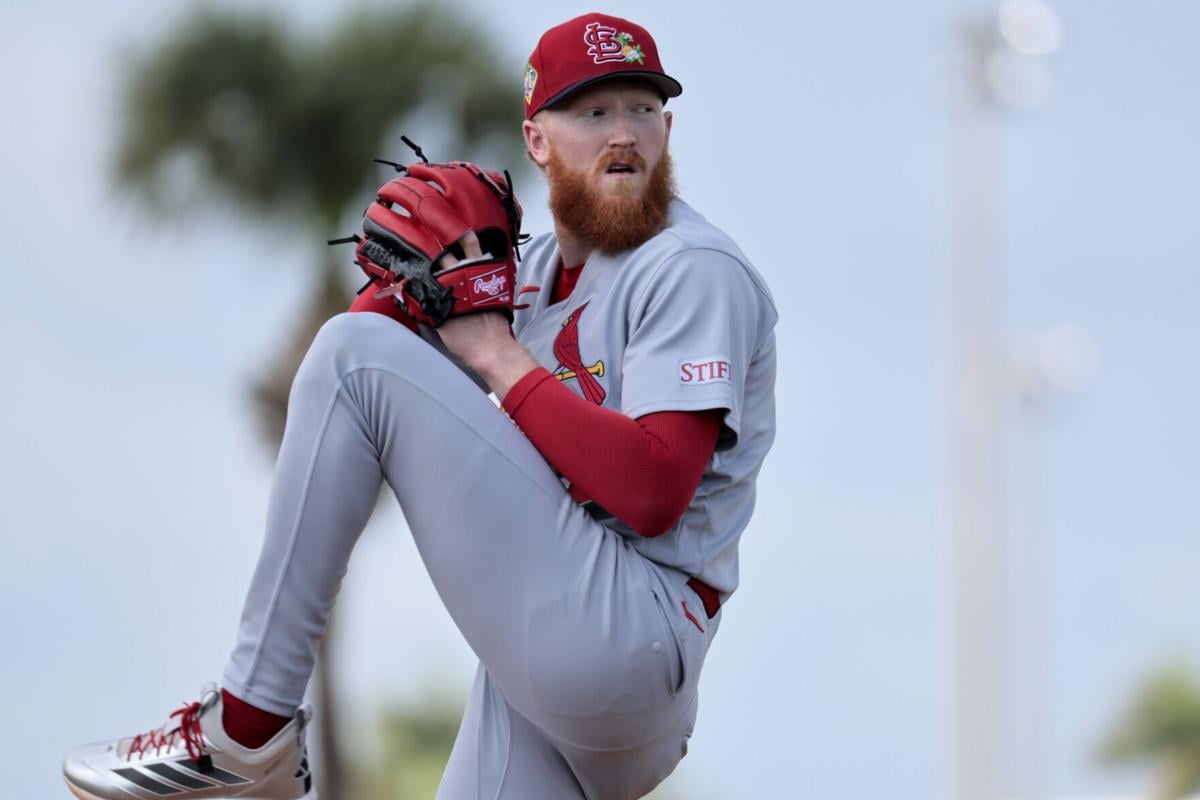
While the playoff picture for 2026 may still be uncertain, the Cardinals’ path forward is becoming clearer. They are embracing a new identity, one built on opportunity, youth, and a willingness to take calculated risks. Dustin May’s role in this transformation is central; he is not just a player to watch on the mound but a voice and example in the locker room. His excitement and optimism reflect a player ready to embrace the challenge of leading a younger, hungry group of athletes—a group that could define the next era of Cardinals baseball.
In essence, what may appear as a quiet offseason on the surface is actually a foundational period for the Cardinals. The combination of veteran leadership, youth development, and a culture of competition lays the groundwork for sustained success. Fans may not see immediate dominance, but there is plenty of reason to be hopeful. With players like May embracing the challenge and young talent stepping into new roles, the Cardinals are charting a path that could pay dividends for years to come.
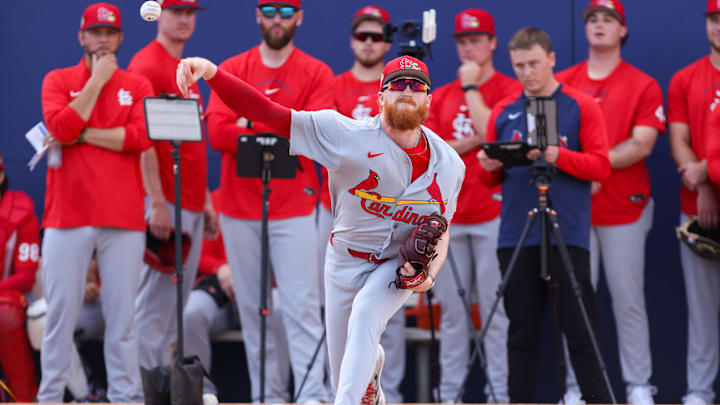
For Cardinals enthusiasts, the message is clear: this is a team in transition, but one with vision, energy, and the potential to surprise. As May suggested, the fight for opportunity and the drive to prove oneself could become the defining story of this team. And while the road ahead may be filled with growing pains, it’s a road that promises excitement, development, and the thrill of watching a new era of Cardinals baseball unfold.