The St. Louis Cardinals have officially embarked on a process of rebuilding and restructuring their roster, aiming to secure a brighter future after several years of middling results. While 2026 may not offer fans the most visually appealing or competitive season at Busch Stadium, there are reasons to be optimistic when looking further down the road. The franchise is clearly focused on laying a foundation for the next wave of success, prioritizing player development and roster flexibility over immediate contention. This approach suggests that while the present may be somewhat unremarkable, the longer-term outlook is promising.
One of the pivotal players for the Cardinals this year is Nolan Gorman, who has been handed the starting role at third base following the high-profile trade of Nolan Arenado. This move is both an opportunity and a challenge for Gorman, as the organization is relying on him to solidify one of the infield’s key positions. The upcoming season will serve as a proving ground, with Gorman expected to demonstrate that he can improve his approach at the plate, particularly by cutting down on strikeouts. The stakes are high: if he fails to show meaningful improvement, he may find himself on the trade block by the season’s end, as the Cardinals explore alternatives to strengthen the team.
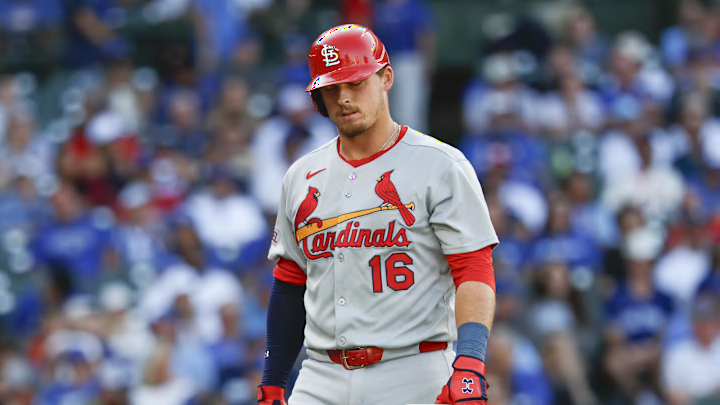
In fact, several analysts have already speculated about potential trade scenarios involving Gorman. Mark Powell of FanSided recently highlighted players who could be moved during the season to maximize value for the Cardinals, and Gorman was featured prominently among them. Powell specifically mentioned the Detroit Tigers as a plausible destination for the young third baseman, emphasizing that the Tigers are currently in need of a player who can anchor their hot corner. This speculation is grounded in both Gorman’s potential upside and his recent struggles at the plate.
Powell noted that Gorman’s approach in the past couple of seasons has not yielded the results expected from a player of his talent. “Whatever Nolan Gorman has been doing the last two seasons, he needs to try the opposite,” Powell wrote. This observation highlights that Gorman, once considered a top prospect, has faced difficulties translating his early promise into consistent production. While he remains a competent defensive player, his offensive numbers, particularly his OPS (on-base plus slugging percentage), have dropped below .700 in recent seasons, indicating that his contributions at the plate have not matched expectations.
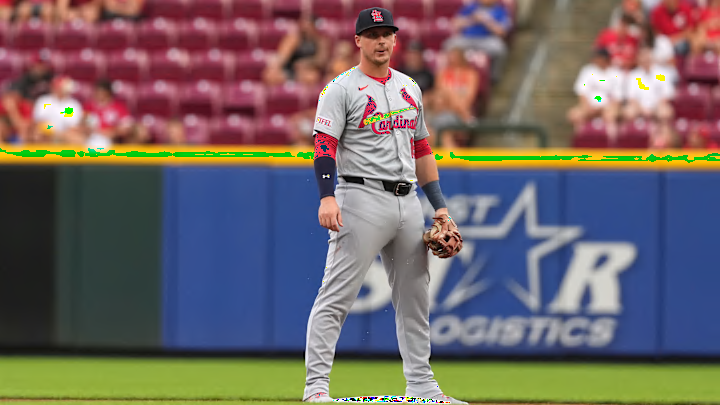
Despite these challenges, the Cardinals appear committed to giving Gorman an opportunity to reestablish himself. The team’s current situation—lacking immediate contention—provides a sort of “runway” for him to demonstrate his value. Powell points out that the Cardinals’ front office, under Chaim Bloom, is interested in evaluating which players can form the core of the franchise moving forward. Gorman, with his proven defensive skills and flashes of power, remains a candidate to be part of that core if he can rebound offensively. However, the possibility exists that if he does not meet expectations, the Cardinals could explore trade options, with the Tigers being one of several teams that might be interested in acquiring him.
Gorman’s performance during spring training has offered some encouraging signs. He has displayed improved power and better results at the plate, and he has expressed confidence in his revised approach. This optimism suggests that he may be closer to regaining the form that made him such a highly regarded prospect during the early part of his career. Yet, there is still uncertainty surrounding whether these improvements will translate into sustained success once the regular season begins. Since hitting 27 home runs in 2023, Gorman’s offensive output has been inconsistent, raising questions about whether he can return to that level or surpass it.
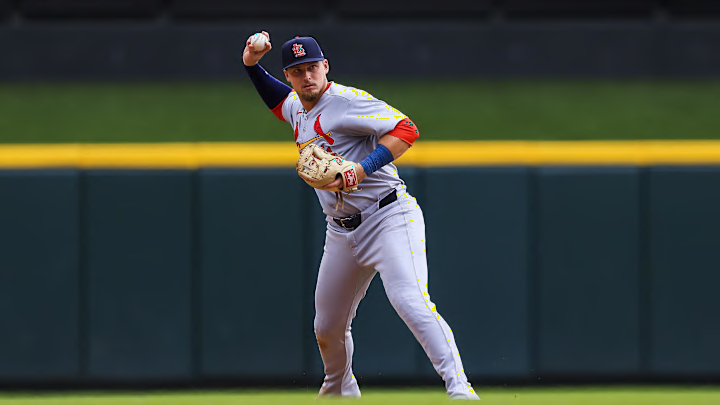
If Gorman succeeds in finding his rhythm, he could significantly impact the Cardinals’ season. Even in a year where the team is not expected to contend, his performance could help stabilize the lineup and provide a boost in both the offensive and defensive aspects of the game. Conversely, if he struggles, he could become a prime candidate for a trade. A new environment may benefit Gorman, allowing him to reset and potentially thrive with a team better positioned to accommodate his current stage of development.
The Detroit Tigers are particularly well-suited to provide that opportunity. As of 2026, the Tigers do not have a definitive starter at third base, making Gorman a logical fit for the organization. Moving to Detroit could offer him a fresh start and the chance to regain the confidence and consistency that have eluded him in recent seasons. Additionally, joining a team that is genuinely competitive could reinvigorate his career, as he would be contributing to a lineup capable of contending for postseason success. For the Tigers, acquiring a player with Gorman’s defensive abilities and power potential would fill a critical void and strengthen their infield depth.
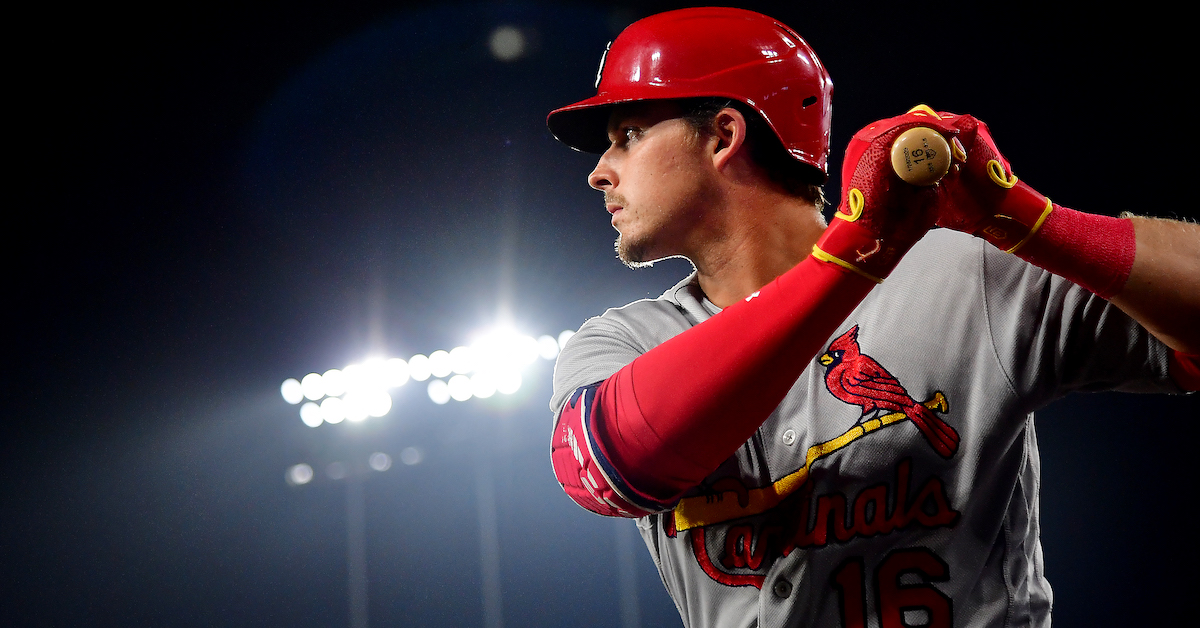
From the Cardinals’ perspective, a trade involving Gorman could serve multiple purposes. While the team still has a wealth of left-handed bats even after trading Brendan Donovan, there are emerging talents in JJ Wetherholt and Nathan Church who could eventually fill prominent roles. Reducing the number of left-handed hitters in the lineup could help balance the roster, particularly if Gorman continues to struggle offensively. By moving him in a trade, the Cardinals could free up playing time for younger prospects while potentially acquiring players who better align with their long-term plans.
The 2026 season, therefore, represents a critical juncture in Nolan Gorman’s career. Health and consistent performance will be key factors in determining his trajectory. If he remains healthy and begins to drive the ball more effectively, the Cardinals’ outlook will improve, and Gorman could solidify his position as a cornerstone of the team’s future. However, if he falters, fans should not be surprised to see him wearing another uniform before the season concludes. The duality of this situation underscores the precarious nature of professional baseball, where promising young players must continuously adapt and perform to secure their place.

Beyond the individual implications for Gorman, his situation is emblematic of the Cardinals’ broader strategy. The organization is clearly focused on evaluating talent and making calculated decisions about the roster’s composition. By providing opportunities to younger players while remaining open to trades, the Cardinals are balancing development with strategic flexibility. This approach allows the team to respond to underperformance while simultaneously nurturing the potential of emerging talent. Gorman’s season, therefore, is not just about personal performance; it is also a measure of how the Cardinals manage their rebuilding process and identify players around whom they can build for the future.
The stakes are heightened by the team’s current positioning. While the Cardinals may not be immediate contenders in 2026, they are actively laying the groundwork for sustained success in subsequent seasons. Evaluating players like Gorman under real-game conditions is essential for this process. The front office must determine whether these players possess the consistency and resilience necessary to contribute at a high level over the long term. Gorman’s ability to adapt, improve, and perform under pressure will likely influence the organization’s decisions regarding roster construction in the coming years.
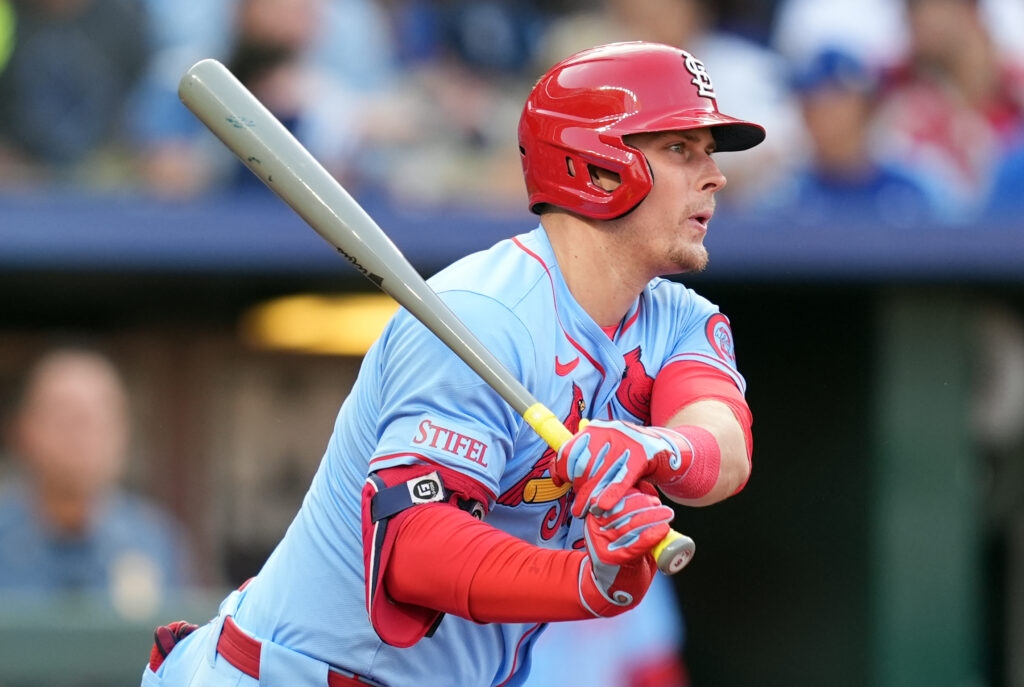
The potential trade scenario also reflects broader trends in baseball, where teams increasingly view player development and asset management as interconnected. Players who struggle with consistency may find themselves moved to environments better suited to their growth, while contending teams can capitalize on opportunities to address specific needs. In Gorman’s case, the Tigers represent an ideal combination of opportunity and challenge: a team in need of a third baseman and a competitive roster that could provide him with the structure and motivation to thrive. The move could ultimately benefit both Gorman and the teams involved, illustrating the fluid nature of modern baseball rosters.
Furthermore, the discussion around Gorman highlights the delicate balance between potential and performance. His defensive skills remain above average, though not exceptional, and his offensive struggles have raised legitimate concerns. Baseball, however, is a game of adjustments, and Gorman’s improved approach during spring training suggests that he may be capable of rediscovering his earlier success. If he can convert that promise into consistent performance, he will not only secure his role with the Cardinals but also enhance his trade value, providing flexibility for the organization should they choose to explore deals that strengthen other areas of the roster.
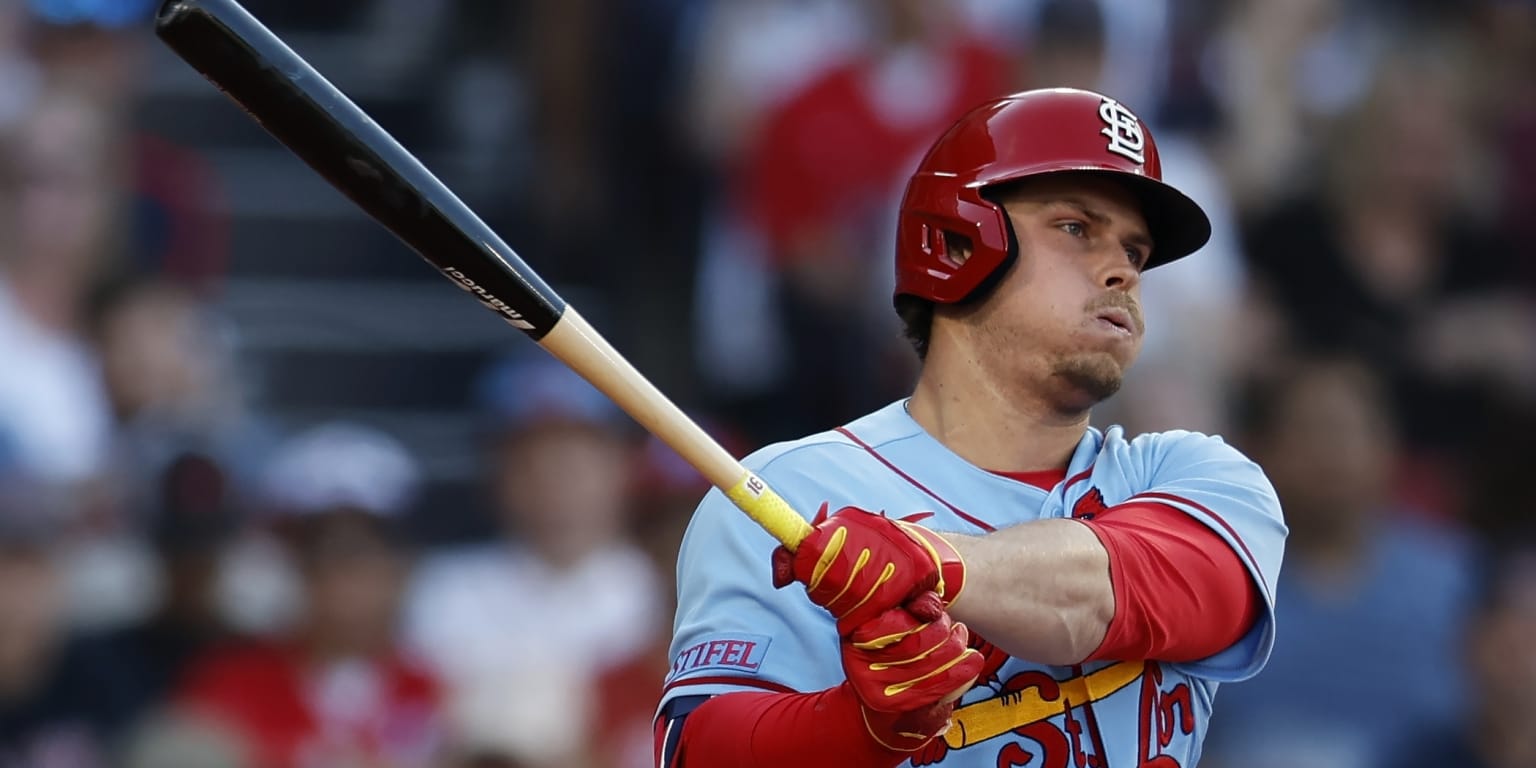
In conclusion, the 2026 season is shaping up to be a defining one for Nolan Gorman and the St. Louis Cardinals. For Gorman, it represents a crucial opportunity to validate his early promise, improve his offensive approach, and solidify his role at third base. His performance will influence not only his career trajectory but also the Cardinals’ strategic decisions regarding the roster. Should he succeed, he could become a foundational piece for the team’s future; should he struggle, a trade to a team like the Detroit Tigers could offer a fresh start and renewed opportunity.
From the organization’s perspective, this period of evaluation and restructuring reflects a deliberate effort to build a competitive roster for the future. By balancing player development, performance evaluation, and potential trades, the Cardinals are positioning themselves to emerge stronger in the coming years. While 2026 may not be the most glamorous season for fans at Busch Stadium, it marks the beginning of a crucial phase in the franchise’s rebuilding journey, with Gorman’s performance serving as a key focal point in both the present and future plans.
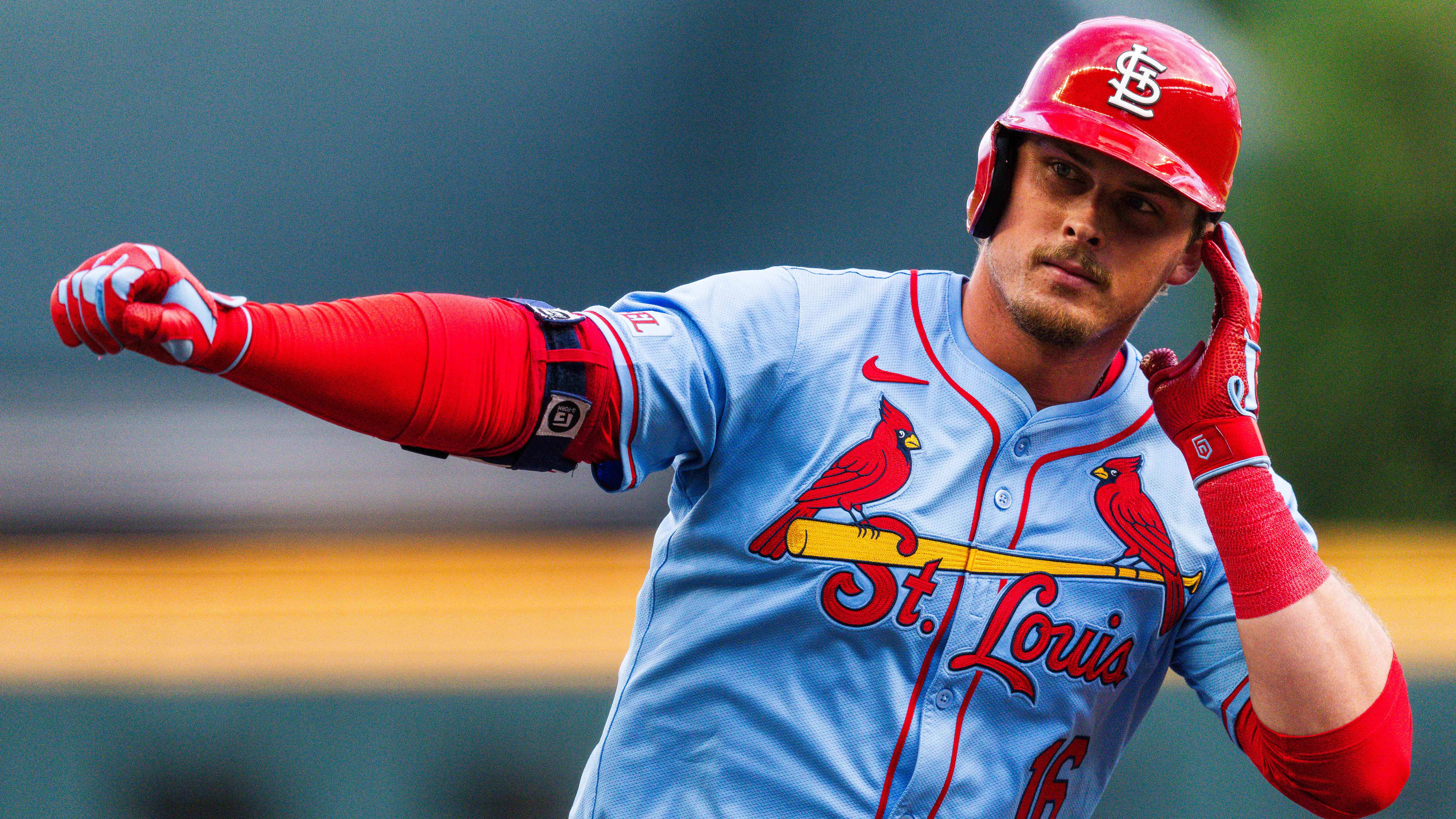
Ultimately, the story of Nolan Gorman in 2026 is emblematic of the challenges and opportunities faced by young players in Major League Baseball. With the right adjustments, confidence, and consistency, he has the potential to thrive, whether in St. Louis or elsewhere. His season will be closely watched, not only for the immediate impact on the Cardinals’ fortunes but also as a window into how a team navigates the complexities of rebuilding while maintaining competitiveness. The outcomes of this season may well define the next chapter in both Gorman’s career and the Cardinals’ pursuit of long-term success.
READ MORE