As Opening Day approaches, the structure of the Athletics’ roster is gradually becoming clearer. Decisions are being finalized across several areas of the team, including the group of position players, the starting rotation, and the bullpen. With the team nearing the end of spring training, the coaching staff and front office have begun locking in their choices about who will make the initial roster.
According to MLB.com reporter Martín Gallegos, the Athletics appear ready to include Luis Medina and J.T. Ginn as the final pieces of their bullpen heading into the season. While Medina’s presence in the relief corps had been expected by many observers throughout the spring, Ginn’s inclusion has generated some surprise. Many analysts and fans anticipated a slightly different configuration for the bullpen, particularly when it came to the last few roster spots.
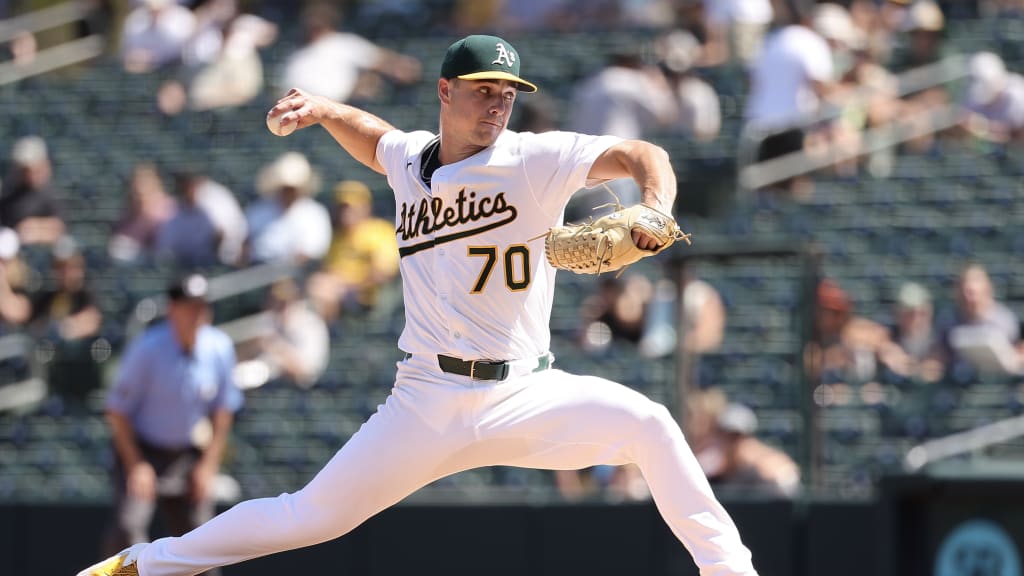
Ginn’s performance during spring training has been somewhat inconsistent, which adds to the intrigue surrounding his selection. The right-handed pitcher began the spring on a strong note, displaying good stuff and the ability to generate strikeouts. However, as the exhibition schedule progressed, his results took a downturn. Over six appearances this spring — four of which were starts — Ginn finished with a record of 1–4. His earned run average climbed to 10.20, and he posted a WHIP of 1.67 across his outings.
In total, Ginn pitched 15 innings during spring training. Over that span, he allowed 18 hits and issued seven walks. Despite the elevated number of baserunners and the inflated ERA, there were still some encouraging indicators in his performance. For instance, he managed to strike out 17 batters, demonstrating that his ability to miss bats remains intact. His strikeout numbers suggest that his raw pitching arsenal is still capable of overpowering hitters when he is commanding it effectively.
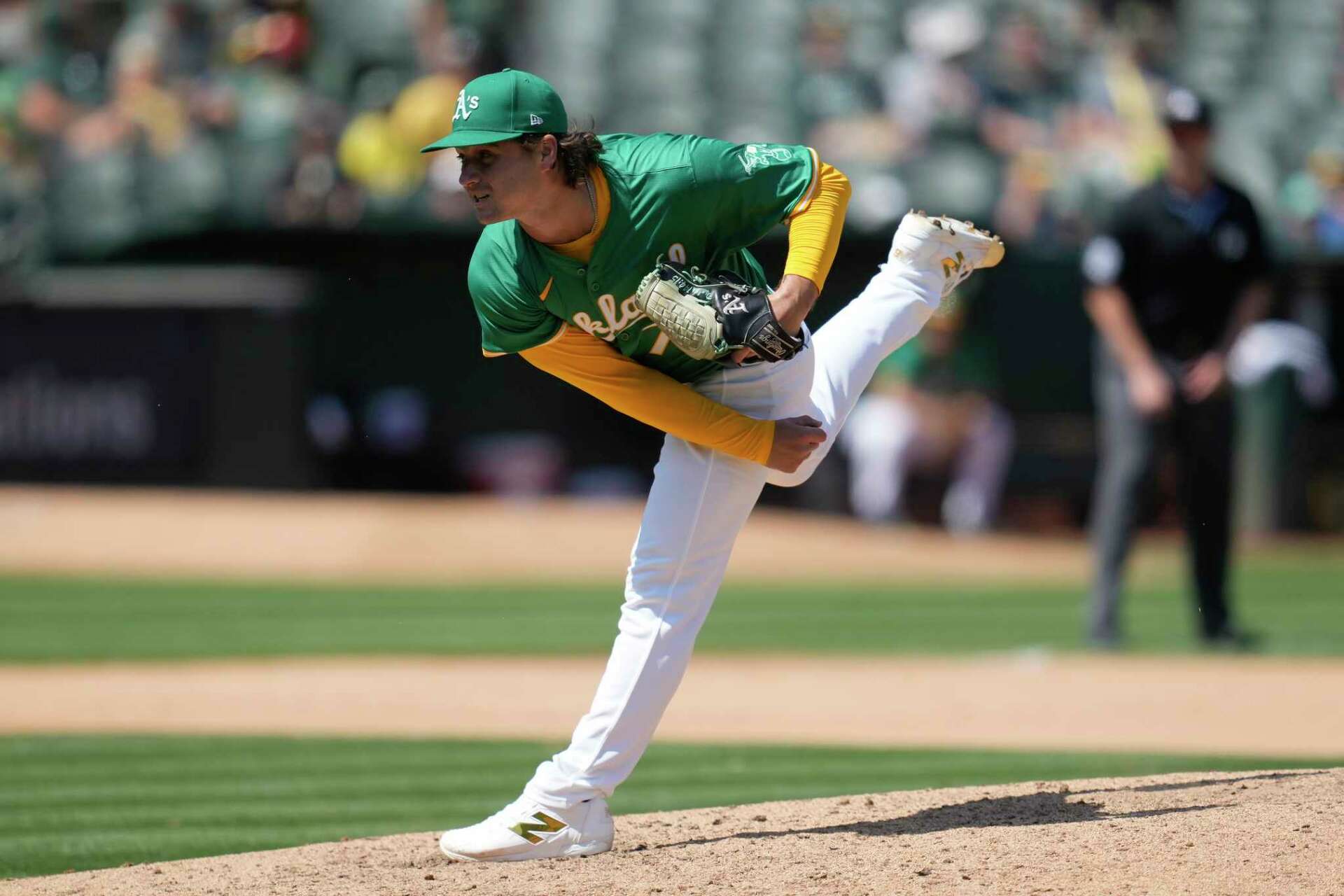
Another positive aspect of Ginn’s spring performance was his ability to induce ground balls. He finished with a ground-ball rate of 48.8 percent, indicating that nearly half of the balls put in play against him were hit on the ground. Generating ground balls can be a valuable skill for pitchers, especially when trying to escape jams or minimize damage in high-leverage situations. When pitchers combine a strong strikeout rate with the ability to force hitters to pound the ball into the dirt, it often creates a formula that can lead to long-term success.
In Ginn’s case, the underlying metrics suggest that the core elements of a productive pitcher are still present. His strikeout rate of 24.3 percent reflects an ability to overpower opposing hitters. However, his command has been inconsistent throughout the spring, which has contributed significantly to his struggles. Control issues have manifested not only through walks but also through hit batters. During his 15 innings of work in spring training, Ginn hit four opposing batters. This represents a noticeable spike compared to his previous performance, as he had hit only six batters across 90 innings in the major leagues last season.
These command challenges appear to be the primary factor behind his rough statistical line this spring. When Ginn is able to locate his pitches consistently, his combination of velocity, movement, and ground-ball tendencies could make him a valuable asset. The Athletics seem to believe that the upside outweighs the early-spring struggles, which likely played a role in their decision to include him on the Opening Day roster.
From a strategic standpoint, Ginn’s presence in the bullpen offers the team a specific type of versatility. He is expected to serve as the club’s long reliever, a role that can prove extremely valuable over the course of a long season. The long reliever is typically called upon when a starting pitcher exits the game earlier than expected, whether due to injury, ineffectiveness, or pitch count limitations. In those situations, a pitcher who can provide multiple innings of relief helps preserve the rest of the bullpen.
This role had previously been filled by Mitch Spence in recent seasons before he was traded to the Kansas City Royals. With Spence no longer part of the organization, the Athletics needed someone capable of handling that workload. Ginn’s ability to throw multiple innings and generate ground balls makes him a logical candidate to assume that responsibility.
Additionally, his ground-ball tendencies could make him useful in certain game situations beyond the traditional long-relief role. When a team needs a double play to escape a jam, a pitcher who frequently induces ground balls can be a particularly effective option. Because of this, Ginn may find himself deployed in key moments when the Athletics need to neutralize a rally.
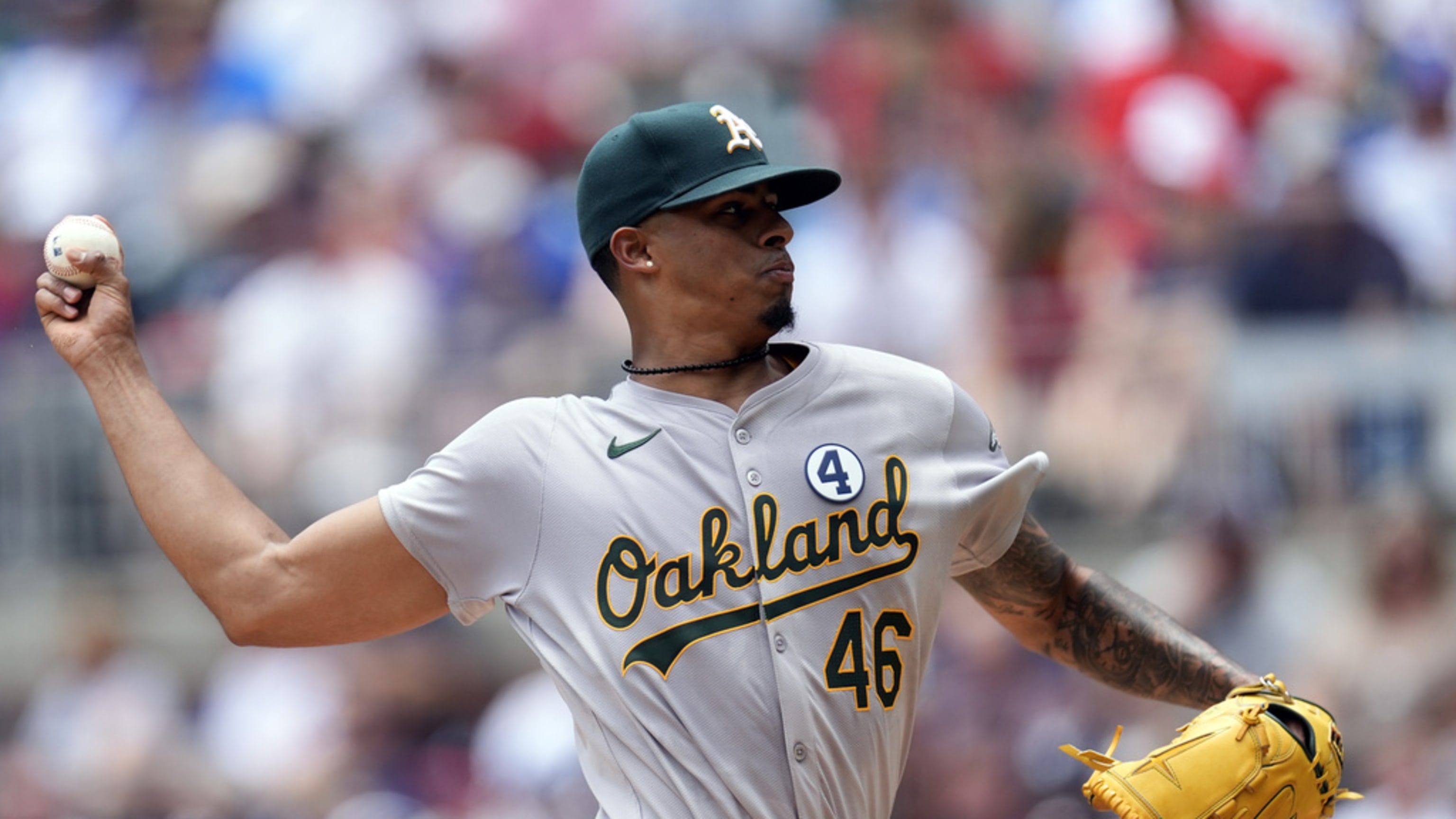
While Ginn’s selection may have caught some observers off guard, the inclusion of Luis Medina in the bullpen was widely anticipated throughout the spring. Medina’s journey back to the mound has been closely watched after he missed the entire 2025 season while recovering from Tommy John surgery. The right-handed pitcher has long been known for his impressive arm strength, and during spring training he showcased that ability once again.
Reports indicated that Medina was consistently throwing pitches that reached 99 miles per hour during spring workouts. For a pitcher returning from elbow surgery, displaying that level of velocity is an encouraging sign. It suggests that his arm strength has returned and that he may still possess the dynamic fastball that made him such an intriguing talent earlier in his career.

Athletics manager Mark Kotsay offered an additional perspective on Medina’s progress. During a throwing session late last year, Kotsay actually stepped into the batter’s box to get a firsthand look at Medina’s stuff. After observing him up close, the manager commented that the pitches looked impressive and that he came away encouraged by what he saw. Those early impressions helped reinforce the organization’s belief that Medina could still play an important role on the pitching staff.
Now that more time has passed since his surgery, Medina appears ready to rejoin the team in a meaningful capacity. Nevertheless, the Athletics will likely approach his workload with caution. Pitchers returning from Tommy John surgery often require careful monitoring to ensure that they avoid setbacks. As a result, Medina could be placed on a relatively tight leash during the season, with the coaching staff closely tracking his usage and performance.

Another factor influencing Medina’s situation is his roster status. The 26-year-old right-hander is currently out of minor-league options. In practical terms, this means the Athletics cannot simply send him to the minor leagues without first exposing him to waivers. If the team attempted to remove him from the major-league roster, another organization could claim him.
Because of this rule, the Athletics face a somewhat delicate situation. Medina must remain on the big-league roster throughout the season unless he is injured or the team decides to risk losing him through waivers. This adds an additional layer of pressure to the decision, as the organization must determine whether he can contribute effectively at the major-league level.

Throughout spring training, the plan appeared to be giving Medina an opportunity to prove himself early in the season. The Athletics want to evaluate how his stuff translates in real game situations following his recovery. Ideally, he will demonstrate that he can be a reliable contributor in the bullpen. If he struggles significantly, the front office could face a difficult decision regarding his future with the club.
The hope, of course, is that Medina will perform well enough to eliminate that dilemma entirely. His high-velocity fastball and overall raw talent give him the potential to be an impactful reliever if everything comes together.
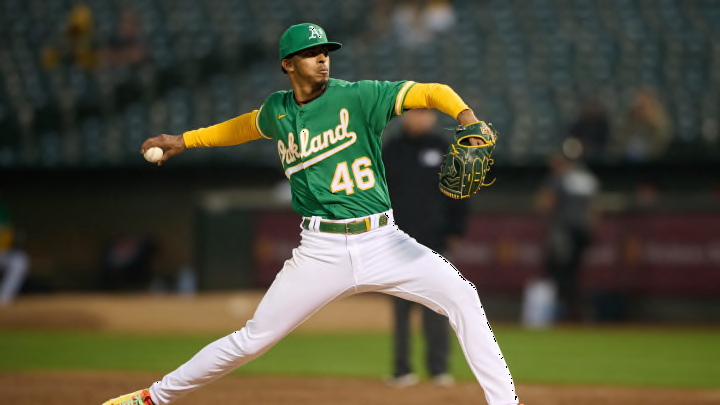
While the selections of Ginn and Medina have clarified part of the bullpen picture, one notable omission from the roster has drawn attention. Many observers expected Jack Perkins to secure a relief role with the team. In fact, some analysts believed Perkins could follow a developmental path similar to Mason Miller, who successfully transitioned into a bullpen role for the Athletics not long ago.
Instead, it appears that the team has chosen a different approach with Perkins — at least for the time being. Rather than immediately assigning him to the bullpen, the Athletics intend to keep him stretched out as a starting pitcher. This strategy allows the organization to maintain flexibility in case the rotation requires reinforcement early in the season.

By continuing to prepare Perkins as a starter, the Athletics ensure that he remains ready to step into the rotation if needed. Injuries and inconsistent performances are common over the course of a major-league season, so having capable depth at the starting-pitcher position is extremely valuable.
Perkins is expected to rank near the top of the organization’s list of potential replacement starters. However, he is not the only pitcher who could factor into that depth chart. Another prospect, Gage Jump, could also push his way into consideration fairly quickly depending on his performance.
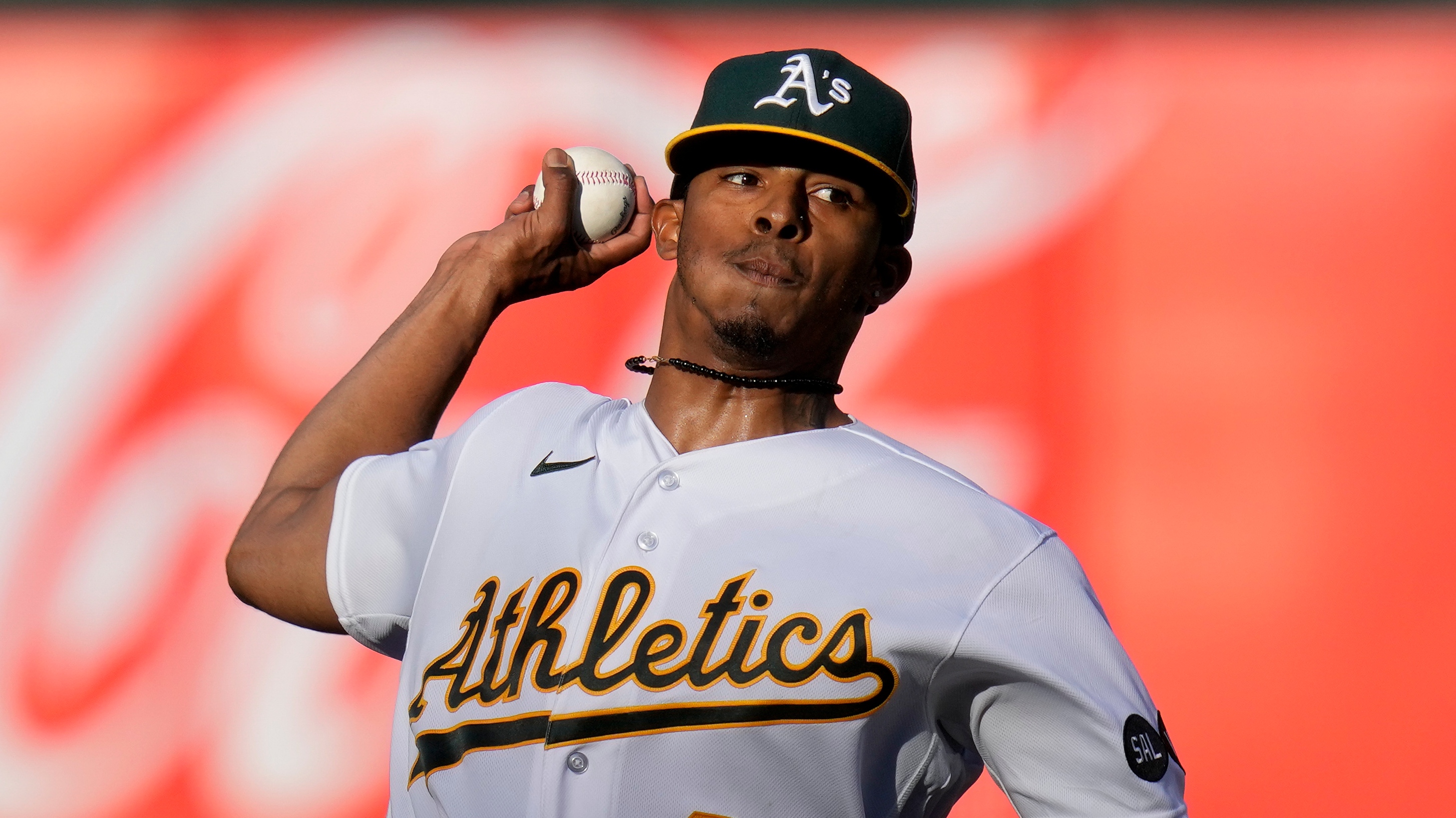
It is important to note that the current plan for Perkins does not necessarily lock him into a starting role for the entire season. The Athletics’ strategy may evolve depending on several factors. If Perkins shows significant improvement and the rotation remains healthy, the team might eventually shift him into the bullpen. Conversely, if injuries occur among the starting pitchers, he could receive an opportunity to start games at the major-league level.
Additionally, the organization’s needs at its minor-league affiliate in Sacramento could influence how Perkins is utilized. If the major-league bullpen requires reinforcement at some point during the season, Perkins could become a candidate for that role. His versatility gives the Athletics several different options when determining how best to deploy him.
For now, however, the priority appears to be maintaining his readiness as a starter. By keeping him stretched out, the team preserves the ability to insert him into the rotation on relatively short notice if circumstances demand it.
At the same time, transitioning from a starter’s workload to a relief role is generally easier than the reverse. If the Athletics eventually decide to use Perkins in the bullpen, they can simply reduce his pitch count and adjust his usage accordingly. This flexibility makes the current approach a practical way to keep multiple possibilities open.
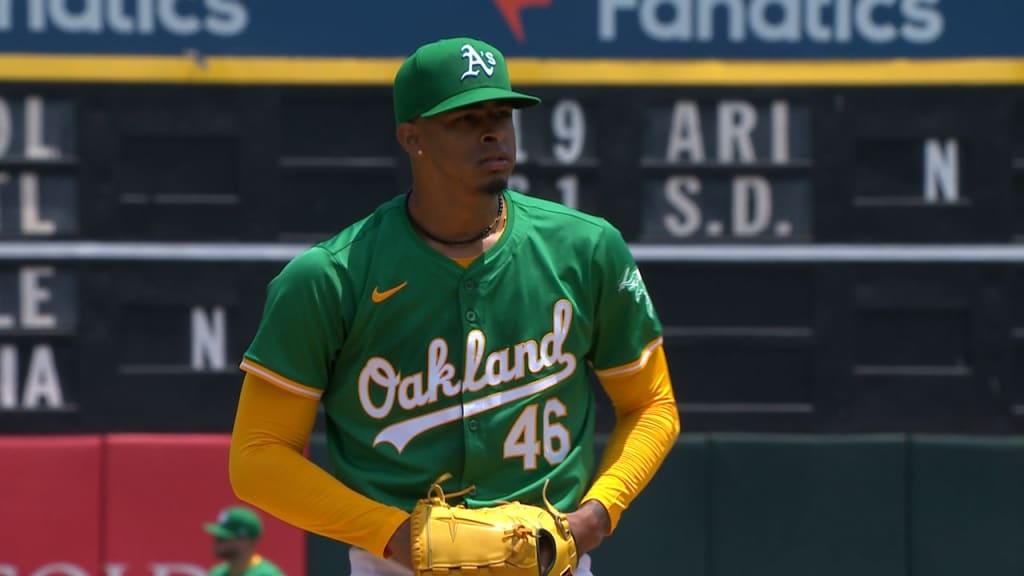
Overall, the Athletics’ roster decisions reflect a balance between immediate needs and long-term planning. With Ginn and Medina projected to occupy the final bullpen spots, the team gains both a multi-inning reliever and a high-velocity arm returning from injury. Meanwhile, Perkins remains available as potential starting depth while still retaining the possibility of shifting to a bullpen role later in the year.
As the season begins, the effectiveness of these decisions will become clearer. Spring training performances often provide hints about how players might perform, but the true test comes once the games start to count. The Athletics will be watching closely to see whether their bullpen choices — and their overall roster construction — translate into success on the field.
READ MORE