
In the world of sports business, it is not unusual for owners and executives to make bold or unconventional marketing decisions in an attempt to expand their audience or strengthen their brand. However, some of these choices can appear puzzling to fans and analysts alike, especially when the intended benefits are unclear or the consequences become complicated. One such case involves Arte Moreno, the owner of the baseball franchise now known as the Los Angeles Angels. His decision years ago to remove “Anaheim” from the team’s branding in favor of emphasizing “Los Angeles” was meant to broaden the club’s reach within the larger Los Angeles media market. From Moreno’s perspective, the presence of “Anaheim” in the team’s identity was limiting the franchise’s ability to attract the attention and support of fans throughout the wider region.
Moreno appeared to believe that simply including “Los Angeles” in the team’s name would make the club more appealing to residents across the metropolitan area. In his view, the lack of that major city’s name in the branding was a key reason why many potential fans in Los Angeles had not embraced the team as their own. The logic was straightforward: by positioning the franchise as representing Los Angeles rather than Anaheim, the Angels could potentially increase their visibility, boost media coverage, and draw a larger audience.
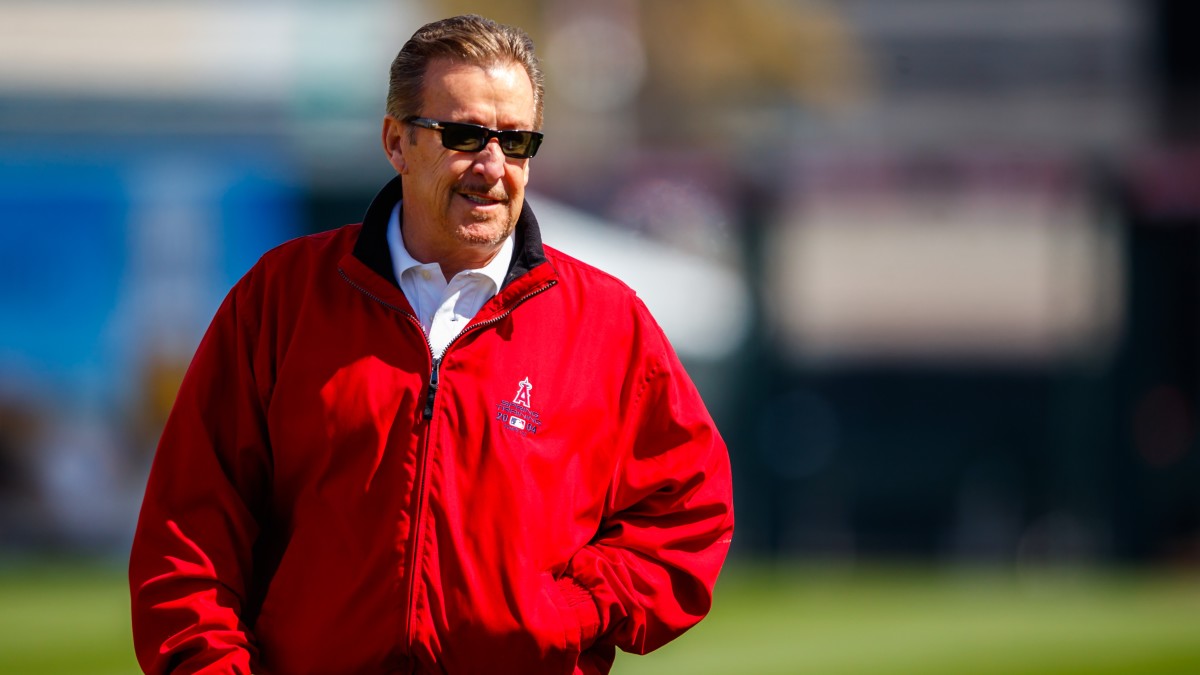
Yet, while the idea might have seemed like a clever marketing move, the decision soon produced consequences that continue to linger. The name change created friction between the organization and the city of Anaheim, where the team has long played its home games. Local leaders felt that removing Anaheim from the branding undermined the city’s identity and ignored the longstanding relationship between the municipality and the franchise. What followed was a legal battle that highlighted the complicated agreements tying the team to the city.
At the time of the original dispute, Anaheim took the Angels to court in an effort to ensure that the city’s name would remain part of the team’s official title. Although the lawsuit ultimately did not succeed, the court’s ruling contained an important detail that would later prove significant. The judge concluded that the team’s name — “Los Angeles Angels of Anaheim” — technically satisfied the terms of the agreement because the city’s name was still included in the title. That inclusion was central to the decision. The court specifically noted that if the team were to remove “of Anaheim” from the name entirely, the legal outcome might have been different.

For several years, the Angels continued to operate under the name that had emerged from that controversy. However, the organization eventually simplified the branding further and dropped the phrase “of Anaheim,” leaving the franchise known simply as the Los Angeles Angels. What might have seemed like a minor branding adjustment at the time has now reopened questions about the legality of the team’s naming practices and its obligations to the city where it plays.
According to reports from the Los Angeles Times, Anaheim officials have renewed their efforts to have the city’s name formally associated with the team once again. The issue has resurfaced both in the political arena and potentially in the courtroom. Some state lawmakers have begun considering legislation that could require the Angels to reintroduce Anaheim into the team’s name under certain circumstances. Meanwhile, city leaders are examining whether the team’s actions might violate the agreements governing its lease and relationship with Anaheim.

The situation is complicated and somewhat unusual, involving a mix of legal rulings, contractual obligations, and political pressure. In simplified terms, the sequence of events unfolded like this: the Angels adopted the name “Los Angeles Angels of Anaheim,” Anaheim challenged the change in court but lost, and the judge ruled that the city’s name appearing in the title was sufficient to meet the agreement’s requirements. Later, when the team eliminated “of Anaheim” entirely, the legal landscape shifted. Now, Anaheim officials and some state legislators believe there may be an opportunity to revisit the issue and push for a change.
From the outside, the entire saga can appear unnecessarily tangled. After all, the franchise originally began as the Los Angeles Angels before eventually relocating to Anaheim. Over time, the team became closely associated with the city where it now plays, and the identity “Anaheim Angels” was familiar to many fans for years. The decision to emphasize Los Angeles again — particularly in a way that seemed to minimize Anaheim’s role — strained the relationship between the team’s ownership and the local government.
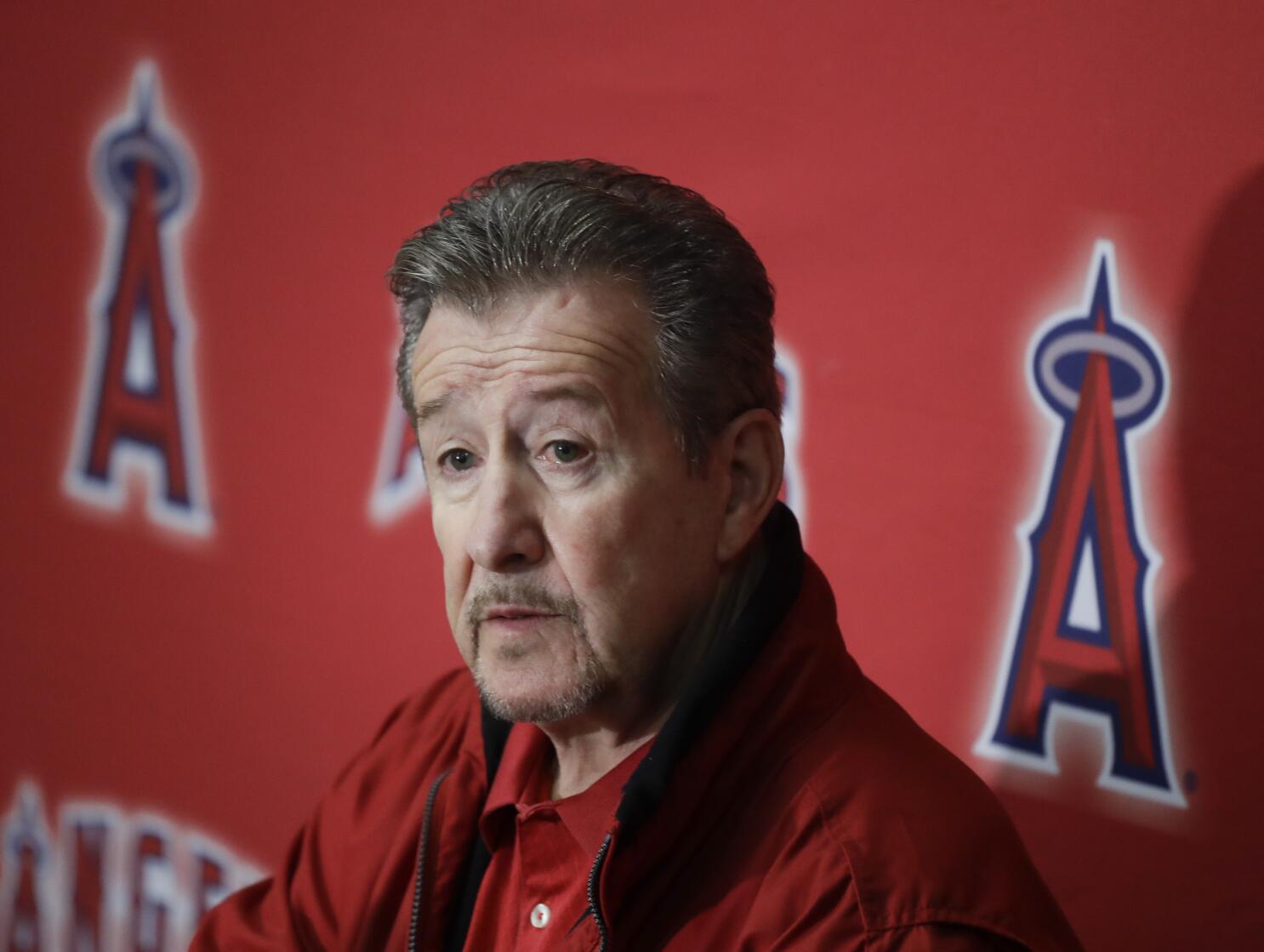
Some observers believe the conflict might have been avoided if Moreno had approached the situation differently. Rather than taking an aggressive stance on branding, he could have attempted to strengthen cooperation with Anaheim officials while still pursuing broader marketing goals. Building goodwill with the city might have made it easier to find a compromise that satisfied both sides. Instead, the decision to push forward with the name change quickly escalated into a legal confrontation that has continued to cast a shadow over the franchise’s relationship with its host city.
At present, the issue remains in its early phases. The proposed legislation that could require a return to the “Anaheim Angels” name under certain conditions has only recently been introduced. Even if lawmakers ultimately approve such a measure, the process of implementing it could take considerable time. Legislative procedures can move slowly, and there is no guarantee that the proposal will gain enough support to become law.

Another important factor is the team’s current lease agreement with the city. The Angels’ lease at their home stadium is not scheduled to expire until at least 2032. Because of that timeline, many analysts see the legislative effort as a long-term strategy rather than an immediate solution. The measure could become relevant if the franchise seeks to negotiate a new lease or if the ownership decides to sell the team before the existing agreement ends. In that scenario, lawmakers might attempt to use the name issue as leverage to ensure Anaheim’s identity is preserved in the franchise’s branding.
However, the possibility of more immediate developments cannot be ruled out. Anaheim’s legal team is reportedly exploring whether the Angels’ decision to drop “of Anaheim” violated any provisions in the existing lease or related agreements. If attorneys conclude that the team’s actions broke the terms of those arrangements, the city could pursue legal remedies. In theory, a court might even issue an injunction requiring the team to restore Anaheim to its official name while the dispute is resolved.
Such a move would have significant implications for the organization, both financially and from a public relations standpoint. A court-ordered name change could disrupt the team’s branding strategy, merchandise sales, and marketing efforts. It could also draw renewed attention to the long-running disagreement between the Angels and the city where they play.
For fans, the ongoing controversy is an unwelcome distraction. Many supporters would prefer to focus on the excitement of a new baseball season, particularly with Opening Day approaching in 2026. The return of baseball each spring is usually a time for optimism, fresh storylines, and anticipation of what the season might bring. Unfortunately, for the Angels, off-field issues have often overshadowed the on-field product in recent years.
This naming dispute is just the latest example of how organizational decisions can ripple outward in unexpected ways. What began as a marketing strategy intended to expand the franchise’s reach has evolved into a prolonged conflict involving legal interpretations, political proposals, and questions about civic identity.
In many ways, the situation highlights the delicate balance between professional sports teams and the communities that host them. While franchises often aim to build broad regional brands, they also rely heavily on the support and cooperation of their home cities. Stadium agreements, infrastructure investments, and civic pride all play a role in shaping those relationships. When tensions arise, the consequences can extend far beyond simple branding choices.

Whether the Angels will ultimately be required to restore Anaheim to their name remains uncertain. The answer could depend on several factors, including future court rulings, legislative action, and the team’s own decisions about its long-term plans. For now, the issue remains unresolved, lingering in the background as another chapter in the complex history between the franchise and the city it calls home.
Until a clearer resolution emerges, the debate will likely continue to surface periodically, reminding fans and observers of how a single marketing decision can lead to years of unexpected complications. And while the hope is that attention can eventually return to the game itself, the Angels’ ongoing naming controversy shows just how difficult it can be to separate sports from the business and politics that surround them.
READ MORE