The Philadelphia Phillies entered the 2026 Major League Baseball season carrying the weight of high expectations. After multiple seasons of competing at a high level and establishing themselves as a serious postseason threat, the club began the year with the belief that another deep playoff run—and potentially a championship—was well within reach. Fans, analysts, and players alike expected the team to once again challenge for the title at the World Series.
However, like many talented teams early in a long baseball season, the Phillies stumbled slightly out of the gate. Through the first few days of the season, the team found itself with a 1–3 record, an outcome that fell short of the lofty expectations surrounding the club. Despite the slow start, the players inside the clubhouse appeared largely unfazed, understanding that the early portion of the season rarely determines how a team ultimately performs over the course of the long 162-game schedule.

Philadelphia opened the season with a promising performance against the defending champions, the Texas Rangers. On Opening Day, the Phillies managed to secure a solid 5–3 victory, giving fans reason to believe the season was beginning exactly as planned. The win showcased the team’s ability to execute in key moments and demonstrated flashes of the offensive power that has defined their lineup in recent years.
Unfortunately for Philadelphia, the momentum from the season opener did not carry over into the rest of the series. The Rangers responded by winning the next two games, handing the Phillies their first pair of losses and sending them into the next series with an even record that quickly turned negative.
The challenges continued when Philadelphia began its next series against the Washington Nationals. In the opening game of that matchup, the Nationals delivered a dominant performance, overwhelming the Phillies in a lopsided 13–2 victory on Monday night. The defeat highlighted several issues that had surfaced during the team’s first four games, including inconsistent pitching and an offense that struggled to produce timely hits.

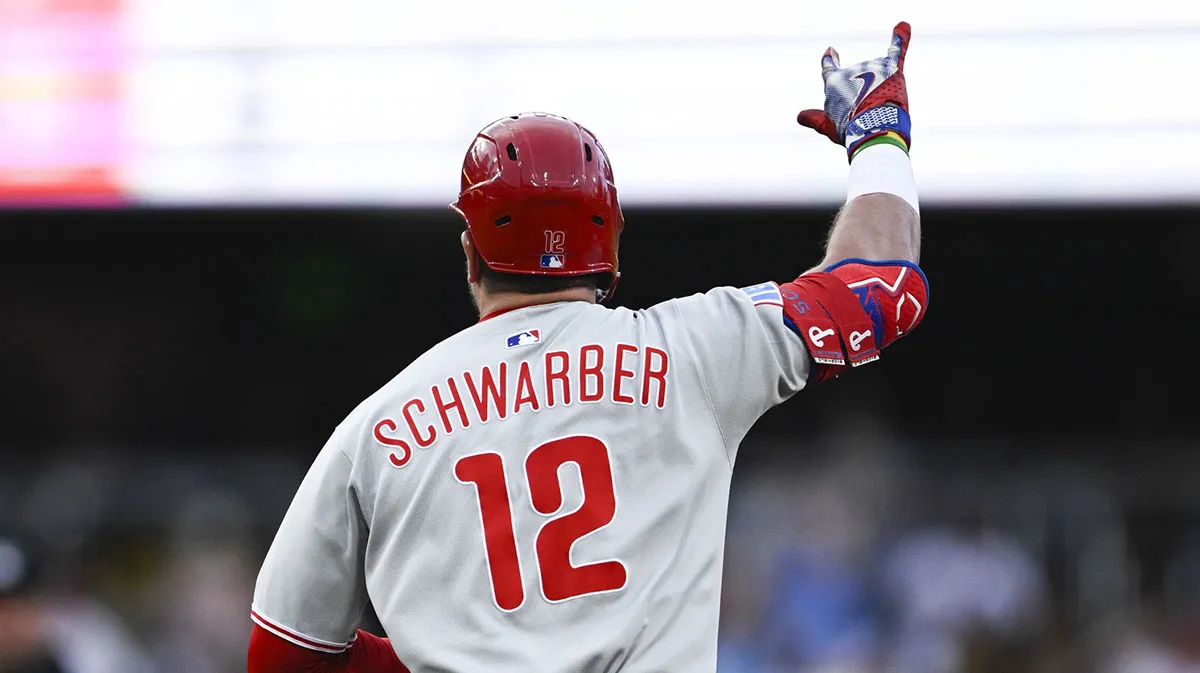
Despite the disappointing start, veteran slugger Kyle Schwarber was not particularly worried about the team’s early struggles. Speaking to reporters after the game, Schwarber emphasized that the Phillies have built a reputation for being resilient and capable of staging comebacks when it matters most.
According to Schwarber, the team’s confidence comes from past experiences in which they have rallied in difficult situations. He pointed out that even in the early series against Texas, the Phillies showed glimpses of their ability to turn a game around quickly. In one of those matchups, the offense appeared sluggish for much of the contest before suddenly stringing together a rally late in the game. With two outs in the ninth inning, the team managed to mount a comeback attempt that reminded everyone of the lineup’s potential to erupt offensively at any moment.
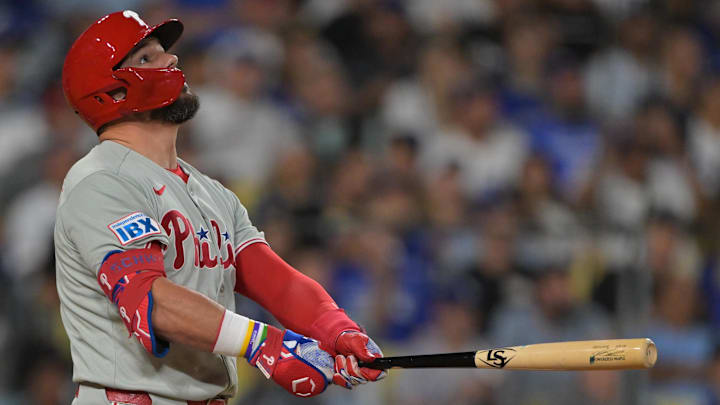
For Schwarber, that type of resilience has become a defining characteristic of the Phillies during his time with the organization. He explained that the team has developed a collective mentality that they are never truly out of a game, no matter the score or circumstances. This belief, he said, has been a central part of the team’s identity for several seasons and remains just as strong now as it was when he first joined the roster.
In his view, maintaining that mindset is critical as the team navigates the ups and downs of a long season. Early struggles, he suggested, are simply part of the process, and the players understand that there will be plenty of opportunities to regain momentum. The key, according to Schwarber, is continuing to trust their preparation and their talent.
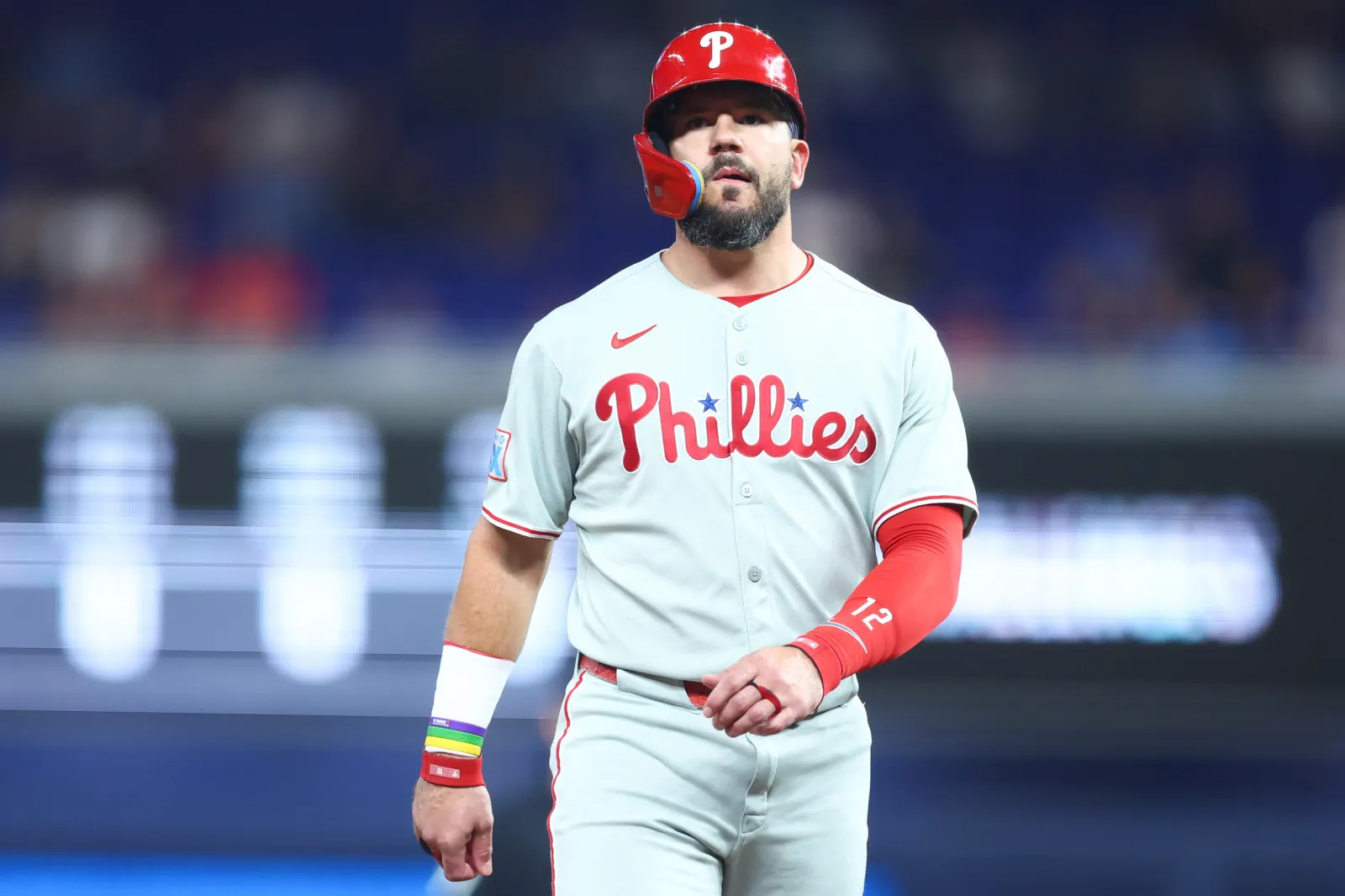
Interestingly, Schwarber himself has not been immune to the slow start that has affected the Phillies’ offense. Through the first four games of the season, the power hitter managed only two hits in sixteen at-bats. While those numbers fall far below his typical production, the veteran does not appear overly concerned about the temporary slump.
In fact, several of the team’s most important offensive contributors have had difficulty finding their rhythm early in the season. Along with Schwarber, star players such as Bryce Harper, Trea Turner, Alec Bohm, and J. T. Realmuto have all struggled at the plate during the opening stretch. Collectively, the five players who normally anchor the Phillies’ lineup have combined for just nine hits in seventy-three at-bats.
Considering that this group is responsible for a large portion of the team’s offensive production, their early slump has naturally contributed to the Phillies’ slow start. When the heart of a lineup struggles to generate hits and runs, it becomes difficult for any team to win consistently.
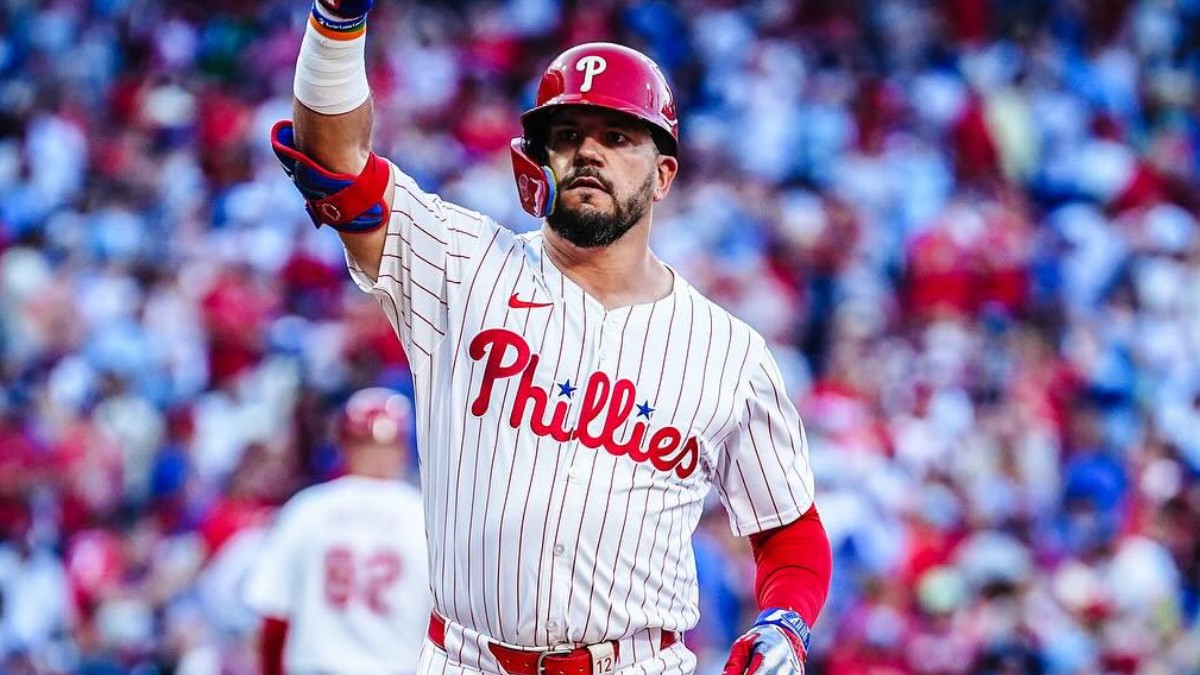
Still, Schwarber views this situation as a temporary challenge rather than a serious concern. In his opinion, periods of struggle are an inevitable part of baseball, even for the most accomplished hitters. What matters most is how players respond when they are not performing at their best.
Schwarber stressed that the team is not content with simply accepting poor results. Instead, the players are focused on continuing to put in the necessary work to improve. Each game provides another opportunity to adjust, learn, and move closer to the level of performance they expect from themselves.
He explained that the goal is not to maintain the status quo when things are not going well. Rather, the team is committed to constant improvement, whether that means refining their approach at the plate, tightening up defensive play, or making adjustments on the mound. Every day presents a new chance to get better.
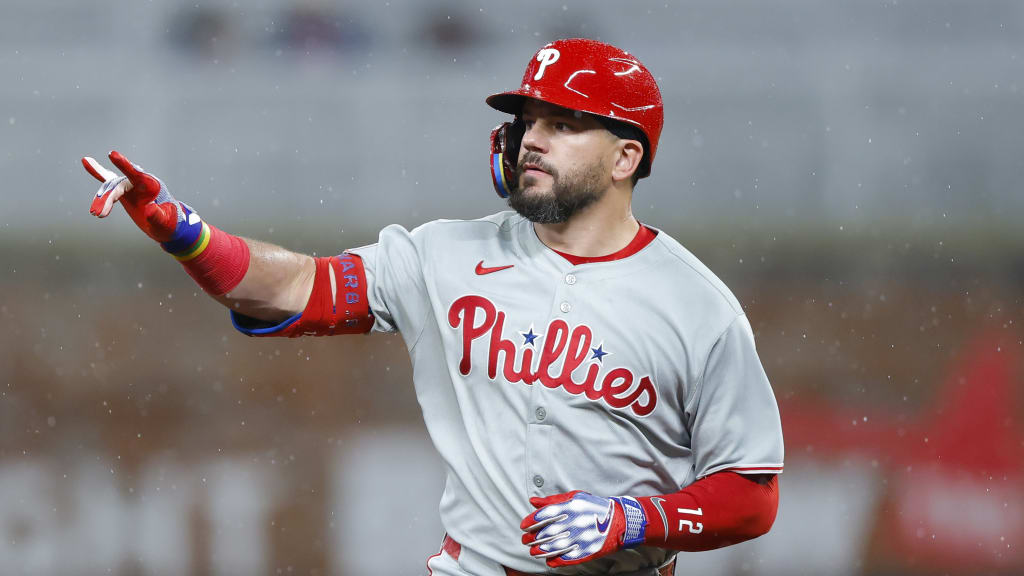
Schwarber also emphasized the importance of focusing on the small moments within each game. Instead of worrying about the overall record, players concentrate on the next at-bat, the next pitch, or the next defensive play. By staying locked into the immediate task at hand, they believe the bigger results will eventually take care of themselves.
Looking ahead, the Phillies have an opportunity to quickly turn things around during the remainder of their current series against Washington. One of the unique aspects of baseball is that teams often have a chance to redeem themselves almost immediately after a loss. Because most series consist of multiple games played on consecutive days, a disappointing performance can be followed by an opportunity to bounce back the very next night.

For Philadelphia, the upcoming games against the Nationals represent a chance to regain confidence and build some early-season momentum. Winning one or both of the remaining matchups in the series would help stabilize the team’s record and restore a sense of rhythm after the difficult loss on Monday.
Once the series concludes, the Phillies will embark on their first road trip of the season. The team is scheduled to travel west for a six-game journey that will take them to two different cities. The first stop will be Denver, where they will face the Colorado Rockies.
On paper, that matchup could present a favorable opportunity for Philadelphia. The Rockies are widely viewed as a team entering another rebuilding phase, and many observers believe they may struggle to compete consistently this season. If the Phillies are able to take advantage of that situation, they could potentially collect several wins and regain momentum before moving on to the next leg of their trip.
After their series in Denver, the Phillies will continue west to take on the San Francisco Giants. The Giants have traditionally been a competitive team, and playing in San Francisco can be challenging due to the unique characteristics of their home ballpark and the strength of their pitching staff.
Even so, the road trip offers Philadelphia an opportunity to settle into a rhythm and demonstrate the level of play that many analysts expected heading into the season. If the offense begins to click and the pitching staff finds its consistency, the Phillies could quickly erase the memory of their slow start.
The schedule will become significantly more demanding as the month of April progresses. Later in the month, Philadelphia is set to face two of the strongest teams in the National League during a particularly challenging stretch of games. Over the course of thirteen days, the Phillies will meet the Chicago Cubs seven times and the Atlanta Braves six times.
Both the Cubs and Braves are expected to be major contenders this season, making that stretch one of the toughest segments on the Phillies’ early schedule. Those matchups will provide a meaningful test of Philadelphia’s ability to compete against top-tier opponents.
For now, however, the focus within the Phillies’ clubhouse remains on the immediate future rather than the distant challenges ahead. The players understand that baseball seasons are filled with ups and downs, and a rough first week does not necessarily reflect how a team will perform over the long haul.
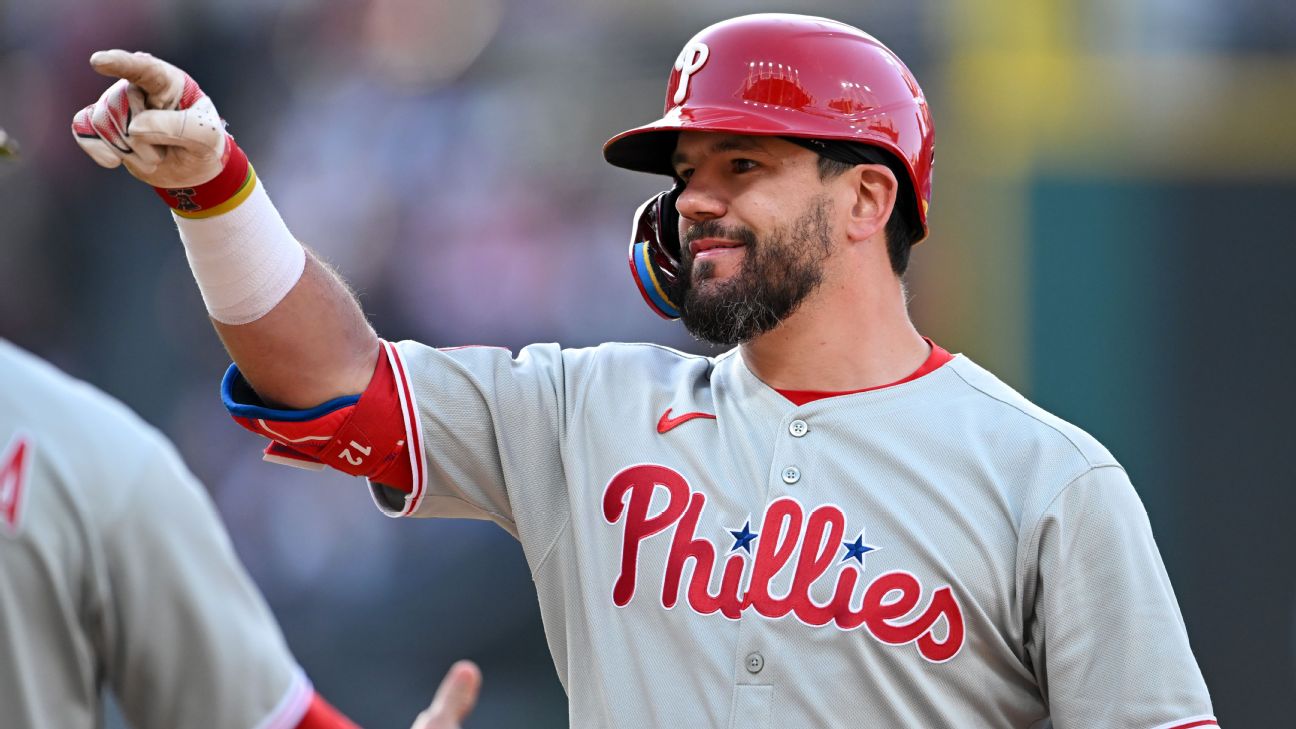
With a lineup full of proven stars and a roster that has demonstrated resilience in past seasons, the Phillies remain confident that they can turn things around quickly. Schwarber’s comments reflect that belief, emphasizing the team’s trust in its talent and its commitment to continued improvement.
If the offense begins to produce at the level fans have come to expect—and if the pitching staff can stabilize—the early losses may soon become little more than a footnote in what the Phillies hope will be another memorable season. For a team with championship aspirations, the journey is just beginning, and there are still plenty of games left to play.
READ MORE