When the Boston Red Sox unexpectedly lost their star third baseman, Alex Bregman, to free agency in January, it sent shockwaves through the organization. The departure was not only surprising to fans but appeared to catch the team’s front office entirely off guard. Chief Baseball Officer Craig Breslow, who had overseen much of the team’s recent roster construction, seemed momentarily unprepared for the sudden void left at the hot corner. Bregman had been a cornerstone for the Red Sox, providing both offensive production and defensive stability at third base, and his exit left an immediate gap that needed addressing.
Instead of quickly pivoting to fill the glaring hole at third base, Breslow made a high-profile move in another area of the roster. He signed Philadelphia Phillies left-handed pitcher Ranger Suárez to a five-year, $130 million contract. The deal for Suárez, while significant, did not directly address the team’s pressing need at third base, which remained open for weeks after Bregman’s departure. This delay left many observers questioning Boston’s strategy and whether the front office had a clear replacement in mind or if they were simply reacting to opportunities as they arose.

It wasn’t until roughly a month later that the Red Sox moved decisively to fill the gap at third base. Boston acquired Caleb Durbin from the Milwaukee Brewers, a player who had shown promise in his first professional season. Durbin had slashed .256/.334/.387 with 11 home runs and 53 RBIs over 136 games in his debut season, showing flashes of potential that made him an appealing candidate to take over for Bregman. Boston’s decision to bring Durbin on board signaled a vote of confidence in his ability to step into a pivotal role, yet the early signs of the 2026 season indicated that the adjustment to a new team and higher expectations might not be seamless.
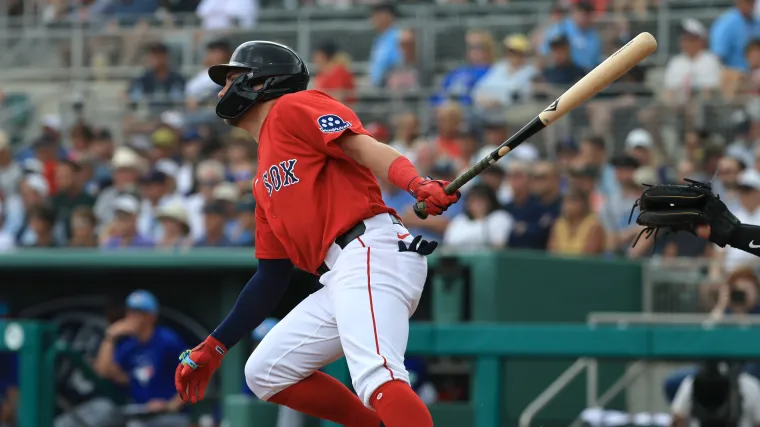
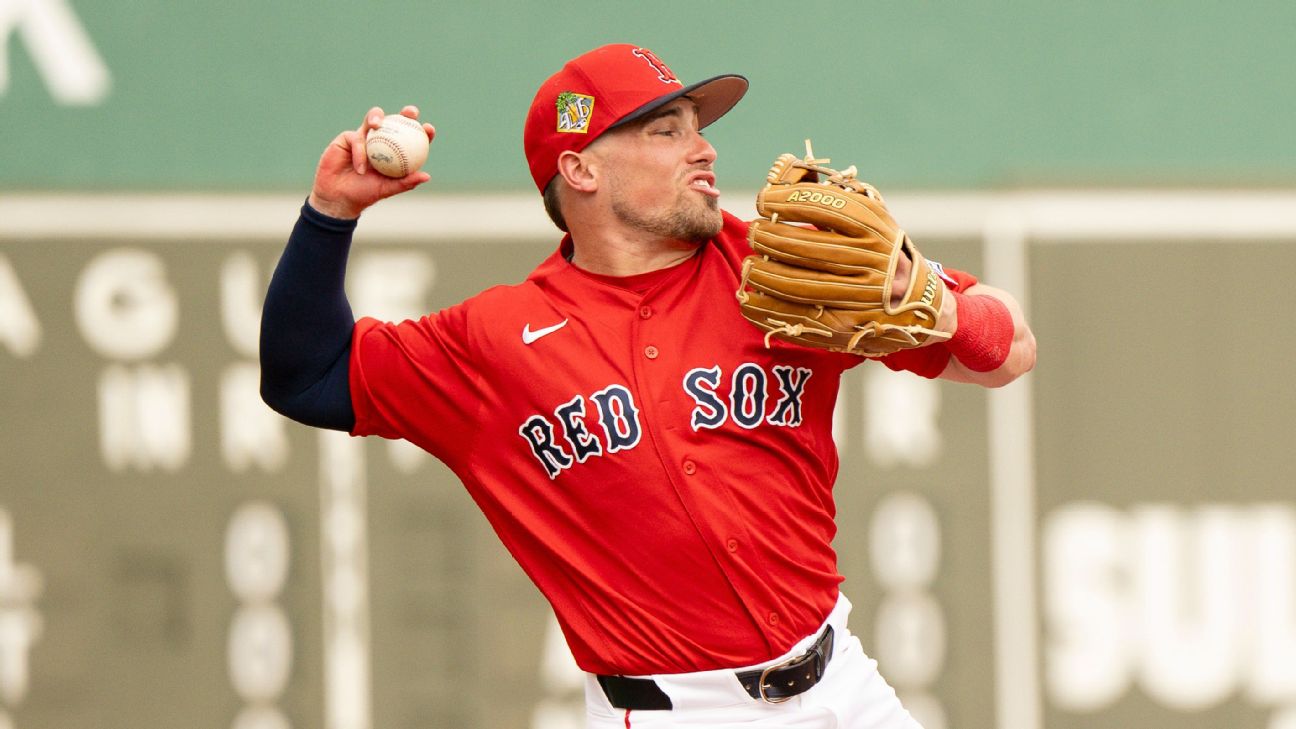
Through the first four games of the season, Durbin’s performance has been a cause for concern. While it is a very small sample size, there have been clear indications that he is struggling to find his rhythm at the plate. The frustration was evident following Monday night’s game against the Houston Astros, where Durbin went hitless and was eventually replaced in the lineup. His struggles are a reminder of the challenges young players often face when transitioning into a starting role in a new environment, particularly in a city like Boston where expectations are always high.

Manager Alex Cora had initially named Durbin as the starting third baseman during spring training, a decision that few could have predicted would come with so much immediate pressure. The season-opening series against the Cincinnati Reds highlighted the challenges ahead, as Durbin went 0-for-12 with three strikeouts. Such a rough start can be mentally taxing for any player, particularly a young player adjusting to a new team and a new role. The early games against the Astros did little to improve matters. Durbin went hitless in two at-bats before being pinch-hit for by Masataka Yoshida in the seventh inning, who unfortunately also struck out.
“I mean, Masa rakes,” Durbin commented regarding Yoshida’s role. “So, excited for him to get the opportunity there. You always want those at-bats, but definitely understand it.” His statement reflects both professionalism and a sense of humility, acknowledging that team decisions are made with broader strategic considerations in mind. For Yoshida, this season has been one of limited playing time due to an overcrowded outfield, leaving him mostly on the bench. Yet, when the team needed a boost while trailing 5-0 in the seventh inning against Houston starter Lance McCullers Jr., Cora turned to Yoshida in a bid to generate offense, demonstrating the tough decisions managers must make when balancing player development with immediate results.

Unfortunately, that strategy did not yield the desired outcome. Yoshida struck out, ending what was the Red Sox’s final opportunity to make the game competitive. “In that situation, I’m not going to go to the hotel with Masa on the bench,” Cora said. “We’re going to use the roster, maximize it.” The remark underscores the realities of roster management in modern baseball, where every at-bat can carry significant weight and the use of bench players must be calculated carefully. These early-season struggles, however, have become a recurring theme for Boston in the first few games of the 2026 campaign.
Despite the rough start, Durbin has maintained a calm and focused outlook. Reflecting on his early struggles, he stressed the importance of taking things one step at a time, emphasizing adjustments and a measured approach. “It’s just taking it at-bat by at-bat, trying to make the adjustments necessary to find some green,” he said. “Definitely not lost up there by any means. Just have to make the adjustment and figure it out . . . It’s super early. I don’t even think it’s April yet. I lost track of days.” His words suggest a level of mental resilience that will be crucial for him as he works through this initial slump, highlighting the often overlooked mental component of professional sports.

The pressure on Durbin is not just internal; it also comes from the expectations of the Red Sox organization and their fan base. Following Bregman’s departure, the hope was that Durbin could step in and deliver a performance that would stabilize the third base position. While his first few games have not met those expectations, there is still plenty of reason for patience. Young players often take time to adjust to the pace of a new league, new pitching, and the pressures of a major market. Nevertheless, baseball is a results-driven sport, and time will tell how long the Red Sox are willing to allow Durbin to work through his early-season difficulties.
The organization does have alternative options if Durbin continues to struggle. Rising prospect Marcelo Mayer could slide over to third base, offering a potential internal solution that might mitigate the immediate impact of Durbin’s slump. Additionally, utility player Isiah Kinfer-Falefa provides another option to bolster the position, giving manager Cora flexibility as he navigates the early part of the season. For now, however, Durbin remains the starter, and his performance will be closely scrutinized in the coming games.

Looking at Durbin’s prior experience, it’s easy to understand why Breslow pursued him as a potential replacement for Bregman. His first professional season showcased a blend of power, on-base ability, and versatility, traits that any team would value in a young player stepping into a high-pressure role. The transition to Boston, however, comes with new challenges, including heightened media scrutiny, intense fan expectations, and the weight of replacing a beloved and productive player like Bregman. These factors can contribute to early struggles, even for talented athletes.
Durbin’s approach has been methodical, focusing on adjustments and maintaining perspective. By emphasizing the process rather than immediate results, he demonstrates a maturity beyond his years. This mindset is crucial, as early-season slumps are common in baseball and rarely indicative of long-term performance. For example, many successful players have endured slow starts before finding their groove, illustrating that patience and perseverance are key elements of a successful career.
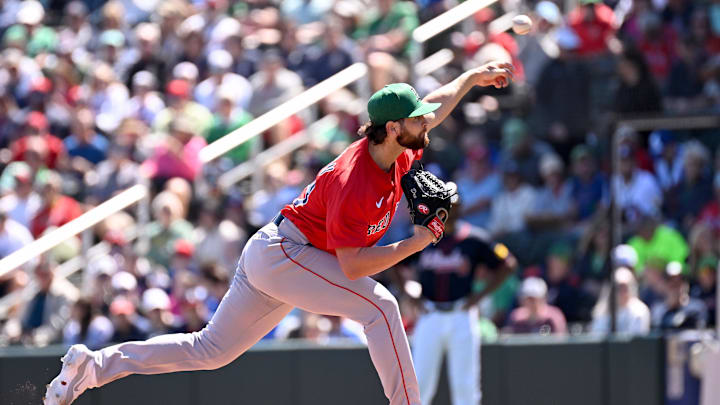
As the Red Sox continue their 2026 campaign, the spotlight will remain on Durbin and how he responds to these early challenges. Every at-bat will carry significance, not only for his personal development but also for the team’s overall performance. While the initial struggles are concerning, they are far from insurmountable. Durbin’s history suggests that he has the tools and mindset to overcome adversity, and with the right support from Cora, Breslow, and his teammates, he could find his rhythm and become a dependable contributor for Boston.
It is also worth noting that baseball is a game of adjustments. Pitchers and hitters alike continually evolve throughout the season, learning from early encounters and refining their approach. Durbin’s early struggles provide valuable information for both him and the coaching staff, highlighting areas for improvement and offering a roadmap for future success. By focusing on process, preparation, and adaptation, he has the opportunity to turn a slow start into a foundation for a productive season.
The situation also underscores a broader theme in professional sports: the unpredictability of player movement and roster construction. Bregman’s departure, while unexpected, forced the Red Sox to adapt quickly, showcasing the importance of flexibility and strategic planning. Breslow’s decision to prioritize pitching with the Suárez signing, followed by the acquisition of Durbin, reflects the complex balancing act teams face when managing talent, payroll, and positional needs. While the immediate results may not be ideal, the long-term vision could still prove successful if Durbin adjusts and contributes as expected.
Ultimately, Durbin’s early-season struggles are part of a larger narrative about transition, expectation, and adaptation in professional baseball. Young players often face bumps in the road as they step into starting roles, particularly in high-pressure environments like Boston. The combination of talent, mental fortitude, and support from the organization will determine how quickly he can overcome these initial difficulties. For fans, patience and perspective are key, recognizing that four games is only a fraction of the 162-game season and that early adversity can often precede significant growth and success.

In conclusion, the Boston Red Sox’s experience with Caleb Durbin thus far in 2026 is a microcosm of the challenges faced by teams and players alike in professional baseball. Bregman’s free agency departure created a void that required both strategic planning and quick adaptation. Breslow’s acquisition of Suárez addressed pitching needs, while the trade for Durbin aimed to stabilize third base. Early results for Durbin have been less than ideal, but his professionalism, focus on adjustments, and prior performance history suggest that he has the potential to overcome these early obstacles.
As the season progresses, all eyes will remain on how Durbin navigates the pressures of being a starter in Boston. The team’s leadership will need to balance patience with performance expectations, while Durbin himself must continue to focus on process and adjustment. If successful, he could emerge as a key contributor, fulfilling the promise that made him an attractive acquisition in the first place. For now, though, the narrative is one of early challenges, learning experiences, and the ongoing journey of a young player stepping into the spotlight.
READ MORE