Andrew Painter’s long-awaited debut in Major League Baseball felt like the beginning of something far bigger—not a one-time appearance, but the start of what could become a lasting and impactful career.
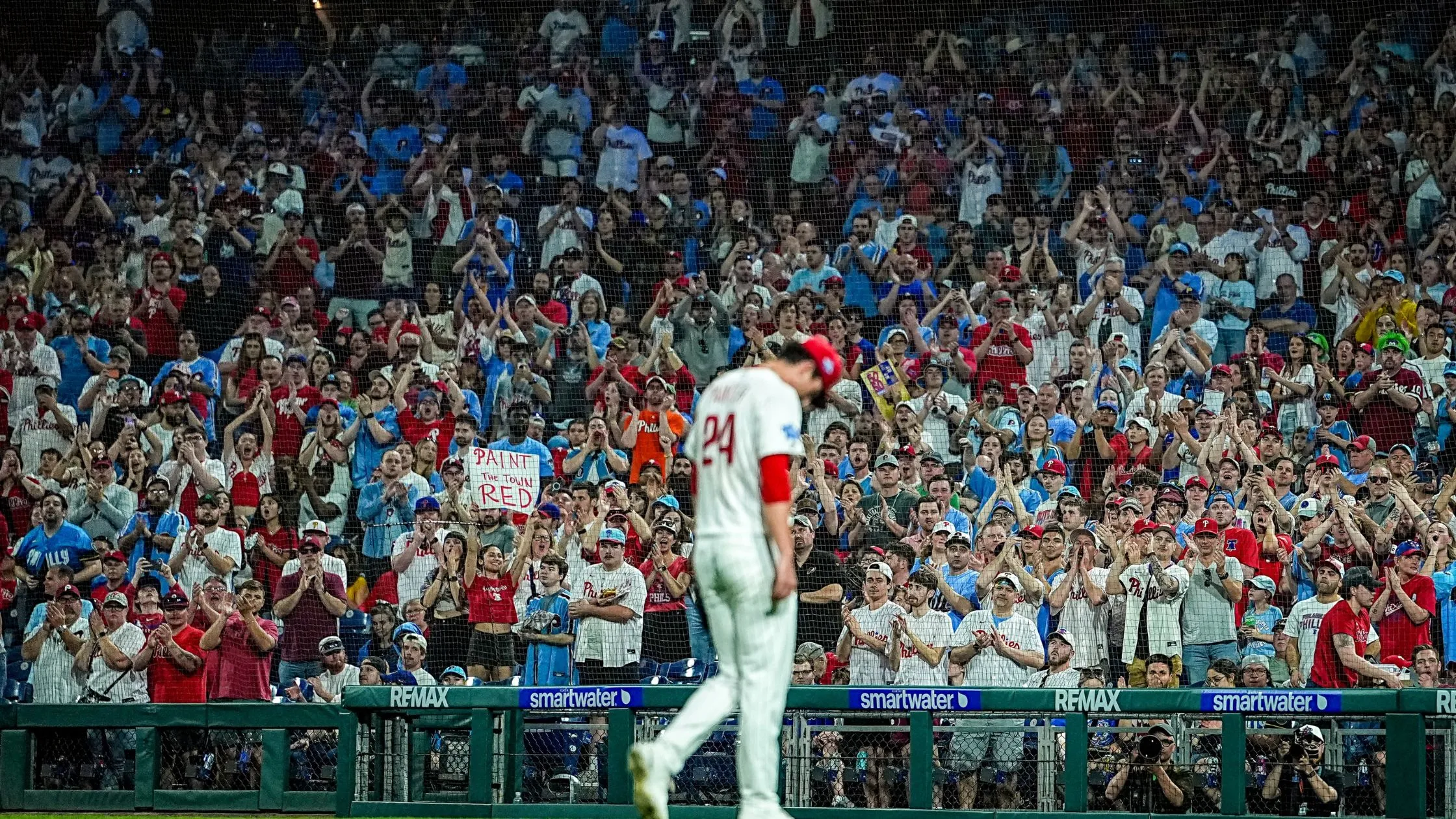
The highly regarded pitching prospect for the Philadelphia Phillies delivered an exceptional performance in his first outing at the big-league level. Facing the Washington Nationals, Painter showed poise and control well beyond his years. Over the course of 5 1/3 innings, he allowed just one run while striking out eight batters, ultimately earning his first MLB victory in a narrow 3–2 win at Citizens Bank Park. It was the kind of debut that immediately validates years of hype and anticipation.

Painter’s command was especially impressive. Of the 84 pitches he threw, 57 were strikes, a clear indication of his ability to attack hitters and stay ahead in counts. He limited the Nationals to only four hits and issued just a single walk, demonstrating both efficiency and composure. When his night came to an end, the crowd of over 40,000 fans in South Philadelphia rose to their feet, giving him a thunderous ovation—a moment that symbolized both appreciation and excitement for what lies ahead.
For Painter, this debut was more than just a strong statistical performance—it was the realization of a lifelong ambition. Like many young athletes, he had dreamed of pitching in the major leagues, and when the moment finally arrived, he made the most of it.
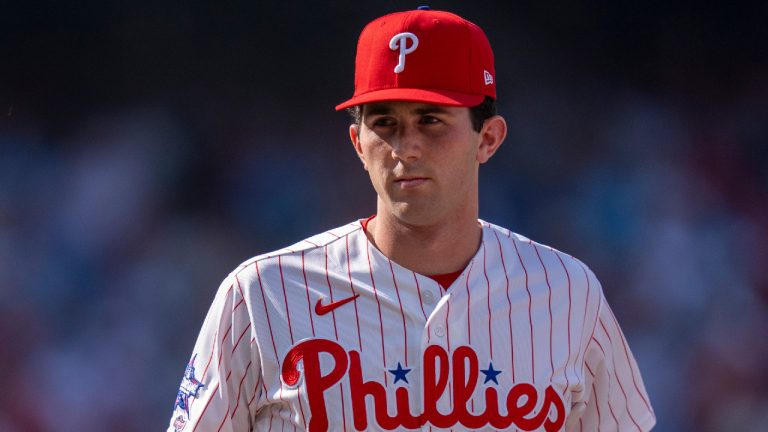
Interestingly, his journey to this point was not entirely smooth. Expectations were already high for Painter heading into the previous season, when many believed he would break into the Phillies’ rotation. However, instead of making an immediate impact in the majors, he spent time in Triple-A with Lehigh Valley, where he encountered significant struggles. He finished that stint with a 5.65 ERA and a 5–6 record, numbers that raised questions about whether he was truly ready for the next level.
But baseball careers are rarely defined by a single stretch of adversity. As the calendar turned to 2026, Painter appeared to find his rhythm. His performances improved dramatically, and he began to showcase the dominant form that had once made him one of the most exciting pitching prospects in the sport. By the time he earned his call-up, he had regained confidence and consistency.
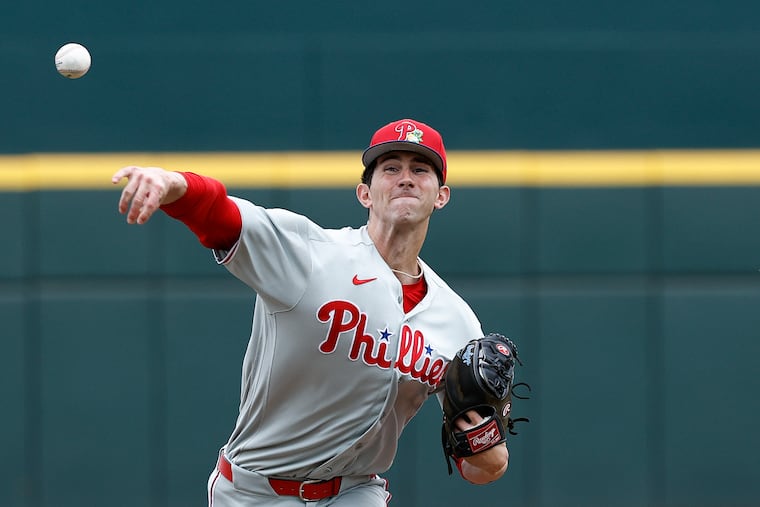
In his debut, he embraced a simple but effective approach: get ahead early and control the tempo of each at-bat. Painter himself described his mindset as focusing on attacking the strike zone and putting himself in a position of control from the outset. That strategy paid off, allowing him to dictate the flow of the game and keep opposing hitters off balance.
After the game, Painter reflected on the experience with a sense of gratitude and excitement. He spoke about soaking in the atmosphere, acknowledging the energy of the crowd, and appreciating the magnitude of the moment. For him, it was everything he had imagined—and perhaps even better.
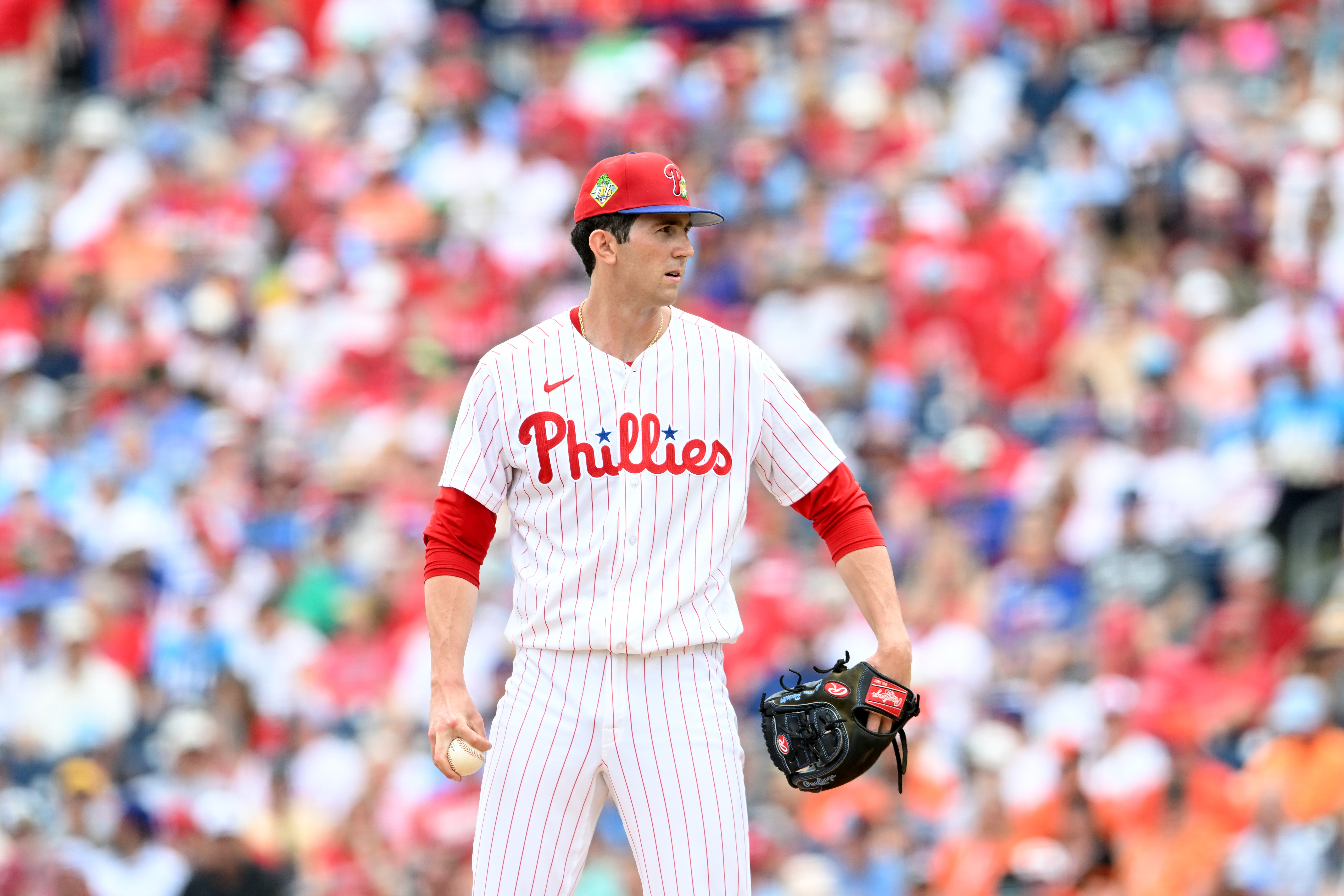
Painter’s path to the Phillies’ rotation this season was influenced not only by his own performance but also by circumstances within the team. During spring training, he excelled, compiling a 4–0 record that made a strong case for inclusion on the roster.
At the same time, the Phillies were dealing with key changes to their pitching staff. Zack Wheeler, one of the team’s top starters, was sidelined due to blood clots, while Ranger Suárez had departed in free agency to join the Boston Red Sox. These developments created an opening in the rotation, and Painter seized the opportunity.

Despite the external factors, his selection was not simply a matter of necessity—it was earned. His spring training dominance and improved form demonstrated that he was ready to compete at the highest level.
Currently, Painter occupies the fifth spot in the Phillies’ starting rotation. While that role could have been considered temporary at first, his debut performance has made it increasingly difficult to justify sending him back to Triple-A.

Wheeler is expected to return at some point, having already begun a rehabilitation assignment with Lehigh Valley. Under normal circumstances, that might create a roster crunch, potentially pushing a younger pitcher like Painter out of the rotation. However, given how well he has performed, it seems unlikely that the Phillies will choose to demote him.
The organization has been anticipating Painter’s arrival for years. Back in 2023, he was ranked among the top five prospects in all of Major League Baseball, a distinction that underscored his immense potential. After a period of development and adjustment, he now appears ready to fulfill that promise.
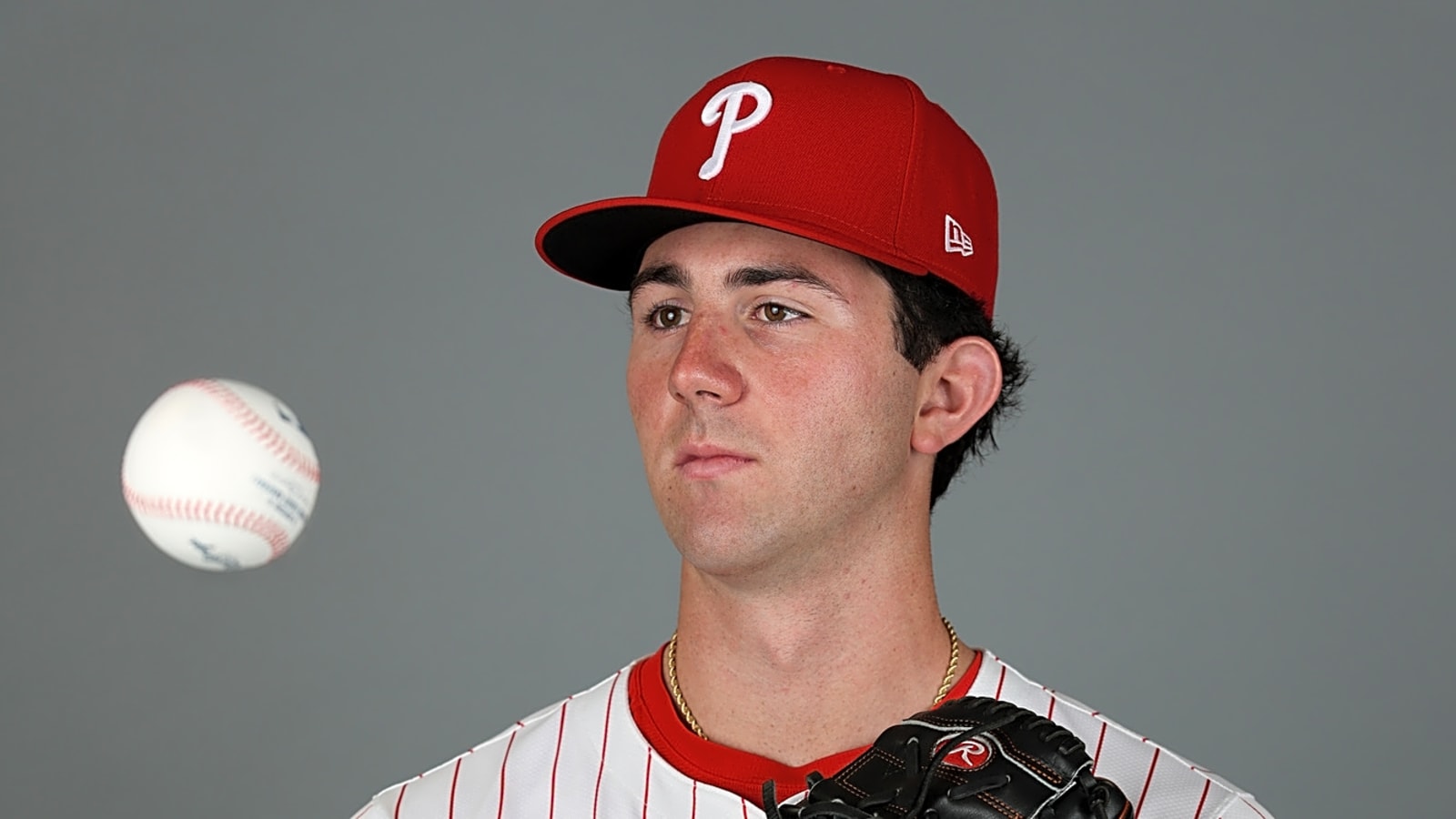
If the Phillies want to maximize their chances this season, keeping Painter in the rotation could be the smartest move. Rather than sending him back to the minors, the team might consider shifting Taijuan Walker into a bullpen role once again.
Walker struggled significantly in a recent outing against the Nationals, allowing six earned runs on ten hits in less than five innings during a lopsided 13–2 loss. Performances like that raise concerns about his reliability as a starter, particularly when compared to the upside Painter offers.
That said, Walker still has value to the team. Over the course of a long season, pitching depth is essential. Injuries and fatigue are inevitable, and having a veteran who can step in as a long reliever or spot starter can be crucial. In 2025, Walker made 21 starts and posted a respectable 4.08 ERA, along with contributing in relief. His experience and durability make him a useful asset, even if he is not part of the primary rotation.
There is something uniquely energizing about the emergence of a young, homegrown talent. When a team develops a player internally and watches him succeed at the highest level, it creates a sense of excitement that resonates throughout both the clubhouse and the fan base.

The Phillies have seen examples of this phenomenon before, both within their own organization and across the league. Last year, the Milwaukee Brewers benefited from a similar boost when Jacob Misiorowski burst onto the scene. In previous years, pitchers like Matt Harvey with the New York Mets and Stephen Strasburg with the Nationals generated enormous excitement during their rookie campaigns, quickly becoming focal points for their teams.
Painter has the potential to provide that same spark. At 6-foot-7 and 215 pounds, he possesses the physical presence and raw talent that can make him a dominant force on the mound. More importantly, he now appears to have developed the mental approach and consistency needed to succeed in the majors.
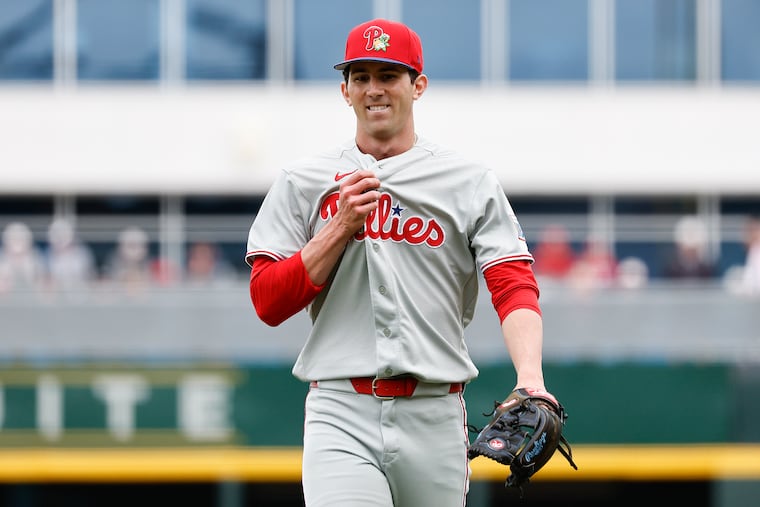
For the Phillies, the timing of Painter’s emergence could not be better. The team is built around a core of experienced, veteran players, and adding a young, dynamic arm to the rotation could provide a valuable balance. His presence not only strengthens the pitching staff but also injects a sense of energy and optimism.
As the season progresses, the Phillies will need to carefully manage their roster and pitching workload. However, if Painter continues to perform at a high level, he will make those decisions easier. Talent like his is difficult to ignore, and keeping him in the majors could be essential to the team’s success.
Ultimately, Andrew Painter’s debut was more than just an impressive first outing—it was a statement. It showed that he belongs on the big stage and that he has the potential to become a key contributor for years to come. For the Phillies and their fans, it marked the beginning of an exciting new chapter—one that could play a significant role in shaping the team’s future.
READ MORE