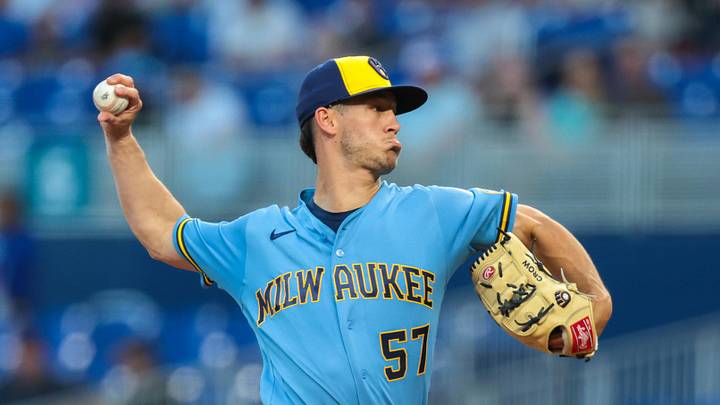
The Milwaukee Brewers have been dealt yet another significant setback in what has become an increasingly challenging season from a health standpoint. The club’s growing injury concerns continued this week when right-handed pitcher Coleman Crow was officially placed on the 15-day Injured List with a right forearm flexor strain. To fill the vacant roster spot, the Brewers promoted pitcher Craig Yoho back to the major league roster.
The news was first reported by Curt Hogg of the Milwaukee Journal Sentinel, who noted that the situation surrounding Crow does not appear particularly encouraging. Hogg described the development as less than ideal, pointing out that the young pitcher has been sidelined due to the forearm issue while Yoho returns to Milwaukee to provide additional depth. Shortly after the report surfaced, the Brewers officially confirmed the roster move.
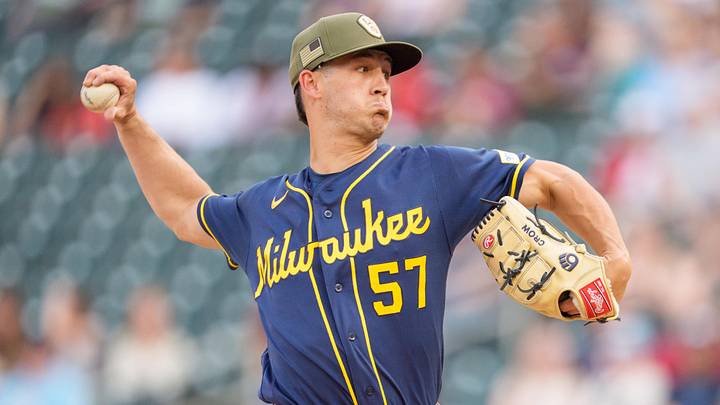
For Milwaukee, the timing could hardly be worse. The organization has already been navigating a lengthy list of injuries throughout the pitching staff, and Crow’s absence only adds to an already concerning situation. While injuries are an unavoidable part of baseball, the Brewers have experienced an unusually high concentration of setbacks among their pitchers, forcing the team to rely heavily on its organizational depth.
With Crow now joining the growing list of injured players, the Brewers currently have several notable pitchers unavailable. Logan Henderson, Brandon Woodruff, Quinn Priester, Jared Koenig, Angel Zerpa, DL Hall, and Coleman Crow are all currently on the Injured List. Although some of these players are expected to return sooner rather than later, the cumulative impact of so many absences has created a difficult challenge for the coaching staff and front office.
There is at least some encouraging news on the horizon. Veteran right-hander Brandon Woodruff is expected to return to action in the near future, which should provide a significant boost to the pitching staff. Woodruff’s experience and proven track record make him one of the most important arms in the organization, and his return could help stabilize the rotation during a critical stretch of the season.
However, other injured pitchers remain weeks away from contributing. Both Logan Henderson and DL Hall are not expected back until sometime in July, leaving Milwaukee without two important options for the foreseeable future. Quinn Priester’s situation remains particularly uncertain. Although he recently participated in a minor league rehabilitation assignment, the Brewers ultimately decided to pull him back from that assignment. As a result, there is currently no clear timetable for his return, and questions continue to surround his availability moving forward.
Even for a franchise that has built a reputation for developing pitching talent and maintaining strong organizational depth, there comes a point where injuries begin to overwhelm available resources. Milwaukee may be approaching that threshold. The team has done an admirable job weathering previous injury storms, but losing multiple contributors simultaneously places tremendous pressure on the remaining healthy pitchers.
At the moment, much of the responsibility has fallen on the shoulders of Jacob Misiorowski and Kyle Harrison. Both pitchers have been asked to take on larger roles within the rotation, and their performances have become increasingly important as the Brewers attempt to maintain their position near the top of the standings. The young arms have responded well in many respects, but relying so heavily on a limited number of pitchers over an extended period can be risky.
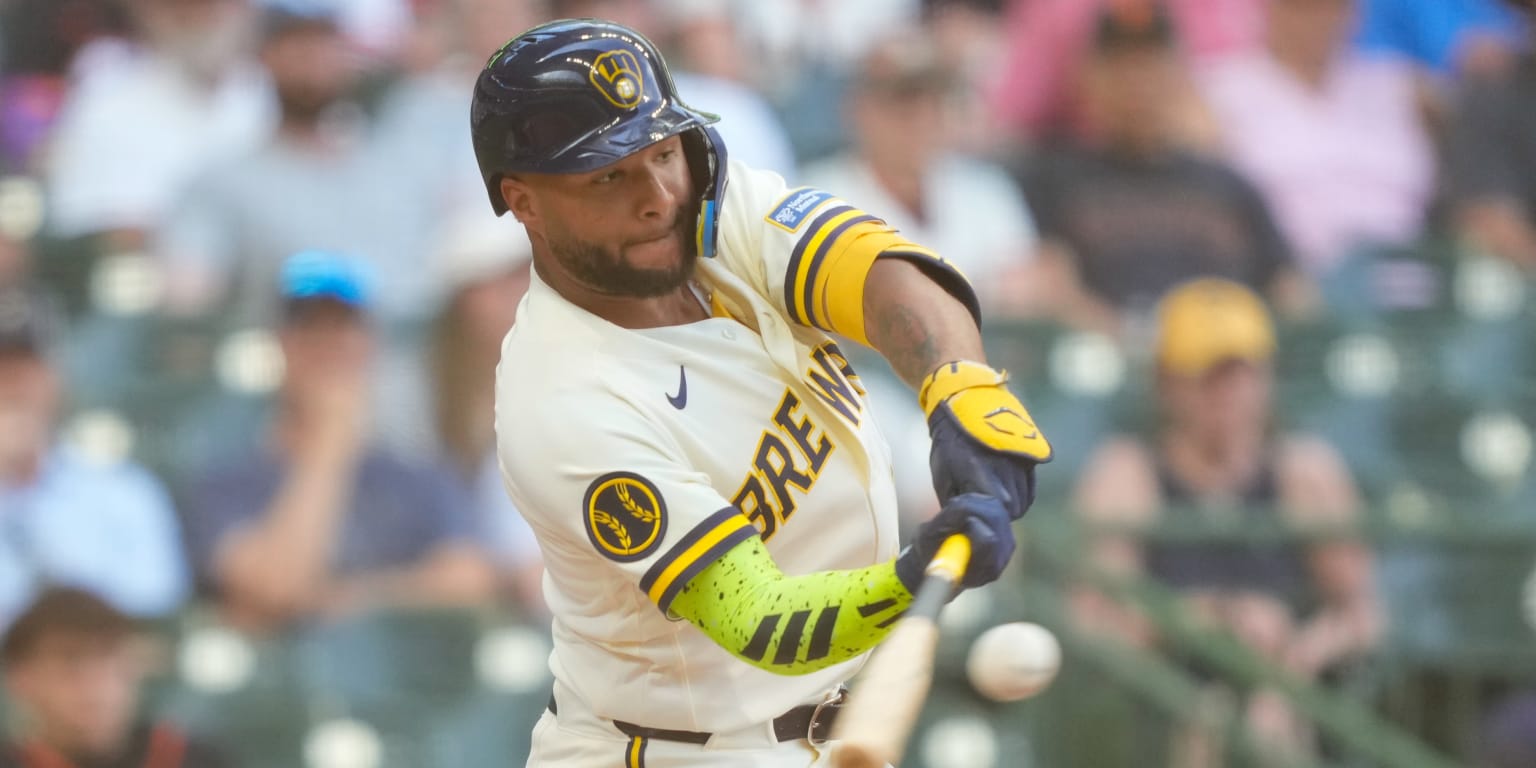
Another pitcher who has stepped forward is Shane Drohan. While perhaps not receiving the same level of attention as some of the club’s higher-profile arms, Drohan has performed admirably when called upon. His ability to provide quality innings has helped ease some of the pressure created by the growing injury list.
Brandon Sproat has also become an important part of the rotation equation. After experiencing some struggles earlier in the season, Sproat recently delivered an encouraging bounce-back performance that provided hope for continued improvement. The Brewers will likely need more outings of that caliber if they hope to continue overcoming the absence of several key pitchers.

Meanwhile, Chad Patrick has been asked to fill multiple roles throughout the season, alternating between the bullpen and the starting rotation as circumstances dictated. Given the current state of the pitching staff, there is a strong argument that Patrick should be returned to a full-time starting role. His versatility has been valuable, but the Brewers’ immediate need appears to be rotational stability, making Patrick a logical candidate to receive more consistent starts moving forward.
Although Woodruff’s impending return should provide some relief, it may not be enough to completely solve Milwaukee’s pitching concerns. The front office could soon find itself in a position where external reinforcements become necessary. As the trade deadline approaches, the Brewers may need to explore opportunities to acquire additional pitching help from other organizations.
Adding another starter or a versatile pitcher capable of handling multiple roles could help protect the team against future injuries while also strengthening the roster for a potential postseason run. The National League season remains far from complete, and while Milwaukee currently finds itself in a favorable position, maintaining that status will require continued roster management and strategic planning.
The situation bears some resemblance to what the Brewers experienced during the previous season. Injuries devastated the starting rotation early in the year, leaving the organization scrambling to find reliable innings from unexpected sources. At one point, the club’s pitching depth was tested to such an extreme degree that Freddy Peralta was essentially the only expected member of the rotation who remained healthy.
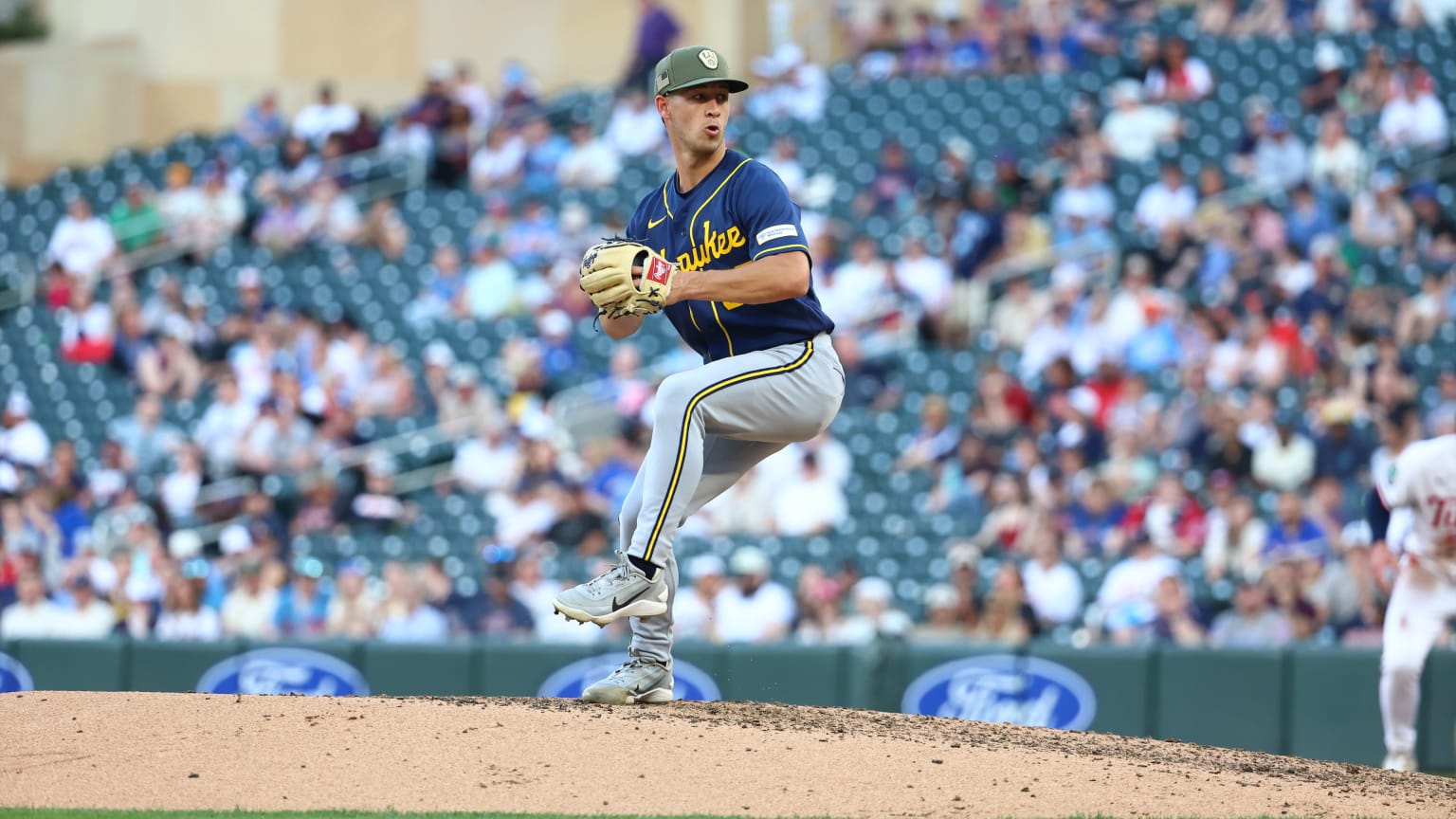
Peralta responded admirably under difficult circumstances. He carried a tremendous workload and provided the consistency the Brewers desperately needed while many of his fellow starters worked their way back from injuries. His leadership and durability proved invaluable during that period, helping keep the team competitive despite the ongoing challenges.
Eventually, the Brewers received reinforcements as injured pitchers returned to action and top prospects earned promotions to the major leagues. One of the most notable developments was the arrival of Jacob Misiorowski, whose promotion injected additional talent and energy into the rotation. His emergence helped stabilize the staff and provided Milwaukee with another reliable option moving forward.
Recognizing the need for additional pitching support last season, the Brewers also turned to the trade market. That decision ultimately led to the acquisition of Quinn Priester from the Boston Red Sox. At the time, Milwaukee identified Priester as a pitcher capable of helping address its growing needs, and the move quickly paid dividends.
Although Priester has yet to appear in the majors this season due to his current injury situation, his contributions during the previous year demonstrated the value of the acquisition. He performed at a high level, giving the Brewers quality innings and validating the organization’s decision to pursue him. The success of that move serves as an example of the type of proactive roster management that may once again be necessary.

As the current injury crisis continues to unfold, Milwaukee’s front office could look toward similar opportunities. Rather than waiting for the situation to worsen, the Brewers may benefit from identifying potential trade targets before the market becomes increasingly competitive. Acquiring a pitcher with starting experience, controllable years of service, and the ability to contribute immediately would likely be an attractive option.
The good news for Milwaukee is that the team currently enjoys a comfortable lead in the National League Central standings. That cushion provides some flexibility and reduces the urgency that might otherwise accompany such a lengthy injury list. However, no division lead is completely secure, especially over the course of a long baseball season.
There are still months of baseball remaining, and the competitive landscape can change quickly. Injuries, slumps, and unexpected developments often reshape playoff races as the season progresses. As a result, the Brewers cannot afford to become complacent simply because they currently sit atop the division.
Instead, the organization must continue approaching the season with a long-term perspective. Maintaining a strong roster, preserving pitching depth, and preparing for future challenges should remain top priorities. The recent injury to Coleman Crow serves as another reminder of how quickly circumstances can change and why depth remains one of the most valuable assets in baseball.

Ultimately, Crow’s placement on the Injured List represents another unfortunate chapter in a season already filled with pitching-related adversity. The Brewers have demonstrated resilience throughout these challenges, and their ability to remain competitive despite numerous injuries speaks volumes about the organization’s depth and player development system.
Still, there is a limit to how much adversity any team can withstand. With several pitchers unavailable and uncertainty surrounding multiple recovery timelines, Milwaukee may soon need to supplement its internal options with external additions. Whether through trades or other roster moves, strengthening the pitching staff could become one of the organization’s most important objectives in the weeks ahead.
For now, Craig Yoho receives another opportunity at the major league level, while the Brewers hope Crow’s injury proves less severe than initially feared. As Milwaukee continues its pursuit of another division title and a deep postseason run, every healthy arm will matter. The club has managed to survive the injury wave thus far, but additional reinforcements may be necessary to ensure that its championship aspirations remain firmly intact.
READ MORE