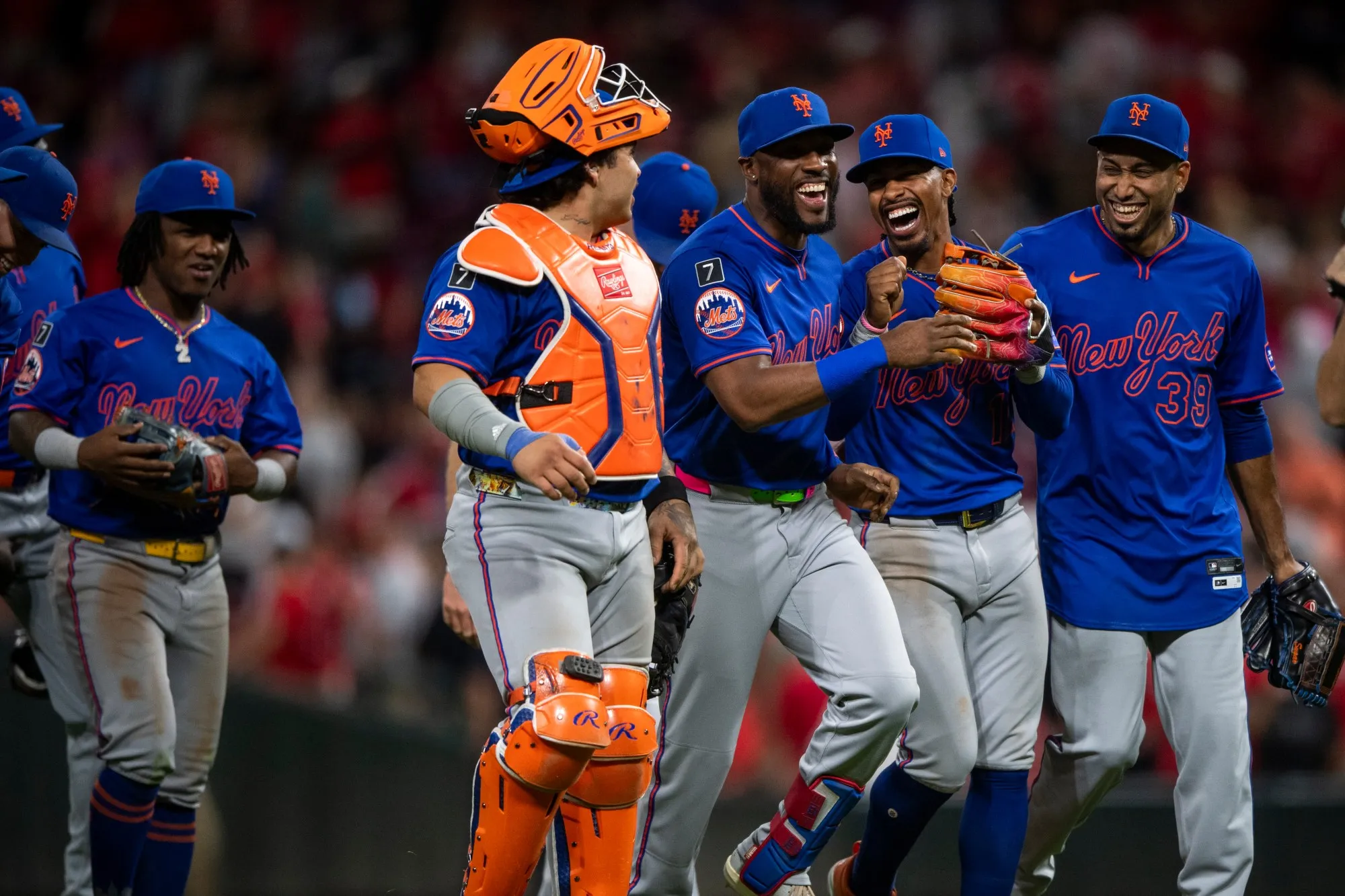
The New York Mets are once again leaning into roster flexibility and depth management as they deal with the ripple effects of injuries across multiple positions. Like many contending clubs during a long season, they’ve had to constantly adjust the edges of the roster—patching holes, testing bench options, and cycling through players who can temporarily stabilize infield or utility roles when regular starters are unavailable.
While most public attention around the Mets tends to orbit their higher-profile talent and big-money acquisitions, much of the team’s day-to-day competitiveness depends on quieter roster decisions. These are the kinds of moves that don’t usually dominate headlines: waiver claims, minor trade acquisitions, and short-term promotions from Triple-A. Still, they can meaningfully shape how a team survives the grind of a season, especially when injuries begin to accumulate and force unexpected lineup changes.
That broader context is what makes the Mets’ latest transaction noteworthy. The club has added a familiar face back into the organization by claiming a versatile infielder off waivers—an infielder who has bounced around multiple teams in recent seasons and now returns to Queens after a brief stint elsewhere.
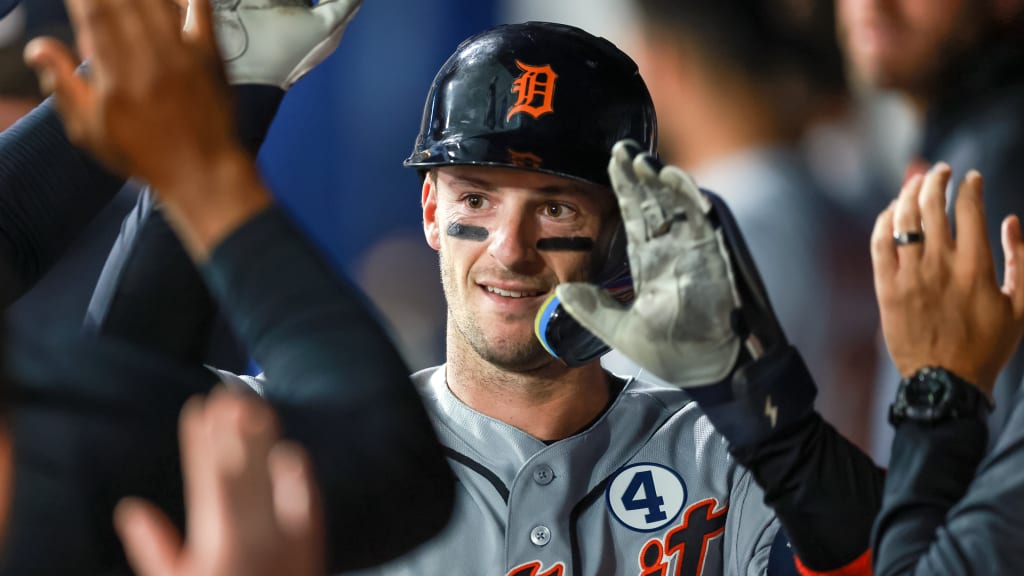
Just days after being removed from the roster of the Detroit Tigers, infielder Zack Short is once again part of the Mets organization. According to reporting from MLB Trade Rumors writer Darragh McDonald, New York officially claimed Short off waivers after Detroit designated him for assignment the previous week. The move effectively ends a very short separation and immediately brings the utility infielder back into a familiar organizational environment.
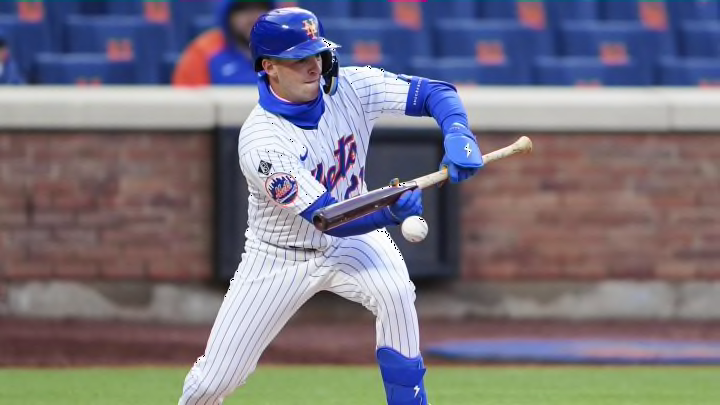
This type of transaction is not unusual in modern baseball, but it does highlight how frequently players on the margins of major league rosters can move between organizations in a matter of days. For Short specifically, it continues a career pattern of brief stops, waiver claims, and short-term opportunities with different teams searching for bench stability and defensive coverage.
In many ways, Short has come to represent the archetype of a “depth infielder” in today’s game. While his offensive production at the major league level has not consistently matched everyday starter expectations, his defensive skill set and positional flexibility keep him in demand. Teams often prioritize players like him when they need insurance across multiple infield positions, particularly during stretches when injuries force regular starters to miss time or when managers need late-game defensive substitutions.
From the Mets’ perspective, this move reflects a practical response to roster uncertainty rather than a flashy acquisition. The organization is not necessarily looking for a headline-making bat or an everyday starter with this claim. Instead, they are reinforcing their bench with a player who can fill multiple roles in a pinch, allowing the coaching staff to maintain flexibility in how they construct lineups on a day-to-day basis.
Short’s value lies in his ability to handle various infield positions without requiring significant adjustment time. In modern baseball, that kind of adaptability is often just as important as offensive consistency for players occupying the final spots on a roster. Managers need to be able to plug players into different defensive situations—whether at shortstop, second base, or third base—without significantly compromising defensive integrity.

The Mets, like many teams dealing with injuries, have had to rely on that kind of versatility more heavily than they would prefer. When multiple players go down at different positions, it forces the front office to prioritize coverage over specialization. That’s where a player like Short becomes useful, even if his role is likely to be limited or temporary depending on how the roster evolves.
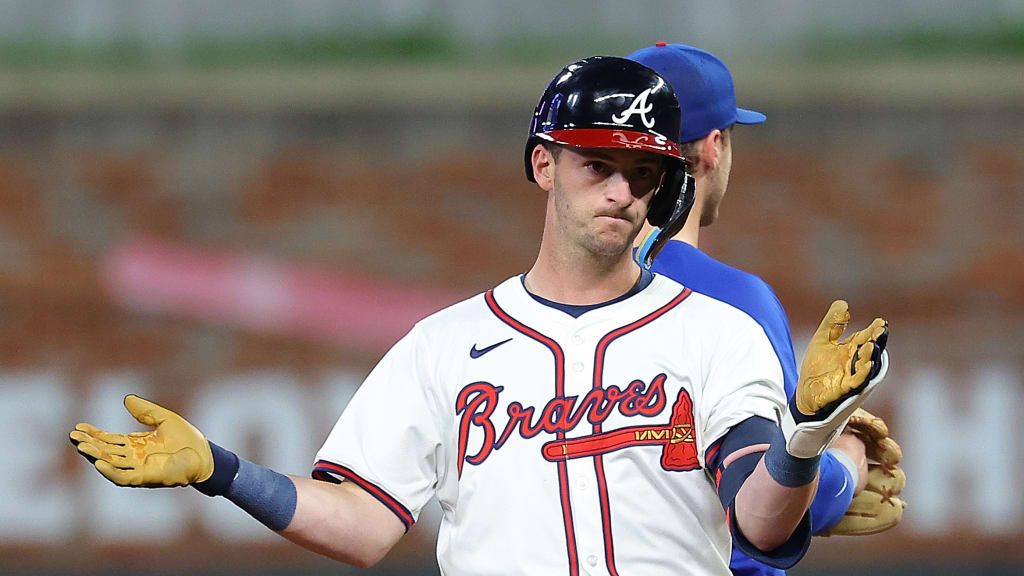
Short’s career path also underscores just how fluid roster life can be for players who occupy the fringes of MLB depth charts. After earlier stops in his career, including time with the Atlanta Braves organization, he has experienced the reality of being a frequently moving piece in a league that constantly adjusts its personnel. Players in this category often shift between the major leagues and Triple-A, or between multiple MLB organizations, depending on immediate needs and injuries around the league.

Despite limited offensive output at the highest level, Short has maintained a reputation for professionalism and readiness. That matters in a league where bench players are often expected to perform without regular at-bats or consistent playing time. Staying prepared in that environment is a skill in itself, and organizations tend to value players who can step in without requiring extensive ramp-up time.
For the Mets, this waiver claim is also a reflection of how closely teams monitor the availability of familiar players. When someone who has previously been in the system becomes available again, front offices often have a clearer sense of how that player fits into their organizational structure. That familiarity can make the difference when choosing between multiple waiver options or minor league signings.
In Short’s case, the Mets already have a baseline understanding of his defensive range, versatility, and clubhouse presence. That prior knowledge likely played a role in the decision to bring him back rather than pursue a completely unfamiliar option from another organization. In situations where timing is tight and roster needs are immediate, familiarity can be just as valuable as raw talent projection.
The broader strategic implication of this move is tied to roster management over the course of a long season. Injuries are not isolated events—they tend to cluster and create cascading effects across multiple positions. A single injury in the infield can force a domino effect that reshapes bench usage, pinch-hitting strategies, and late-game defensive alignments. Adding a player like Short helps stabilize those contingencies, even if only temporarily.
From a developmental standpoint, the Mets may also view this as a low-risk addition. Waiver claims typically carry minimal financial and roster cost, and players can often be moved on or off the active roster depending on need. That flexibility allows teams to experiment with depth options without making long-term commitments.
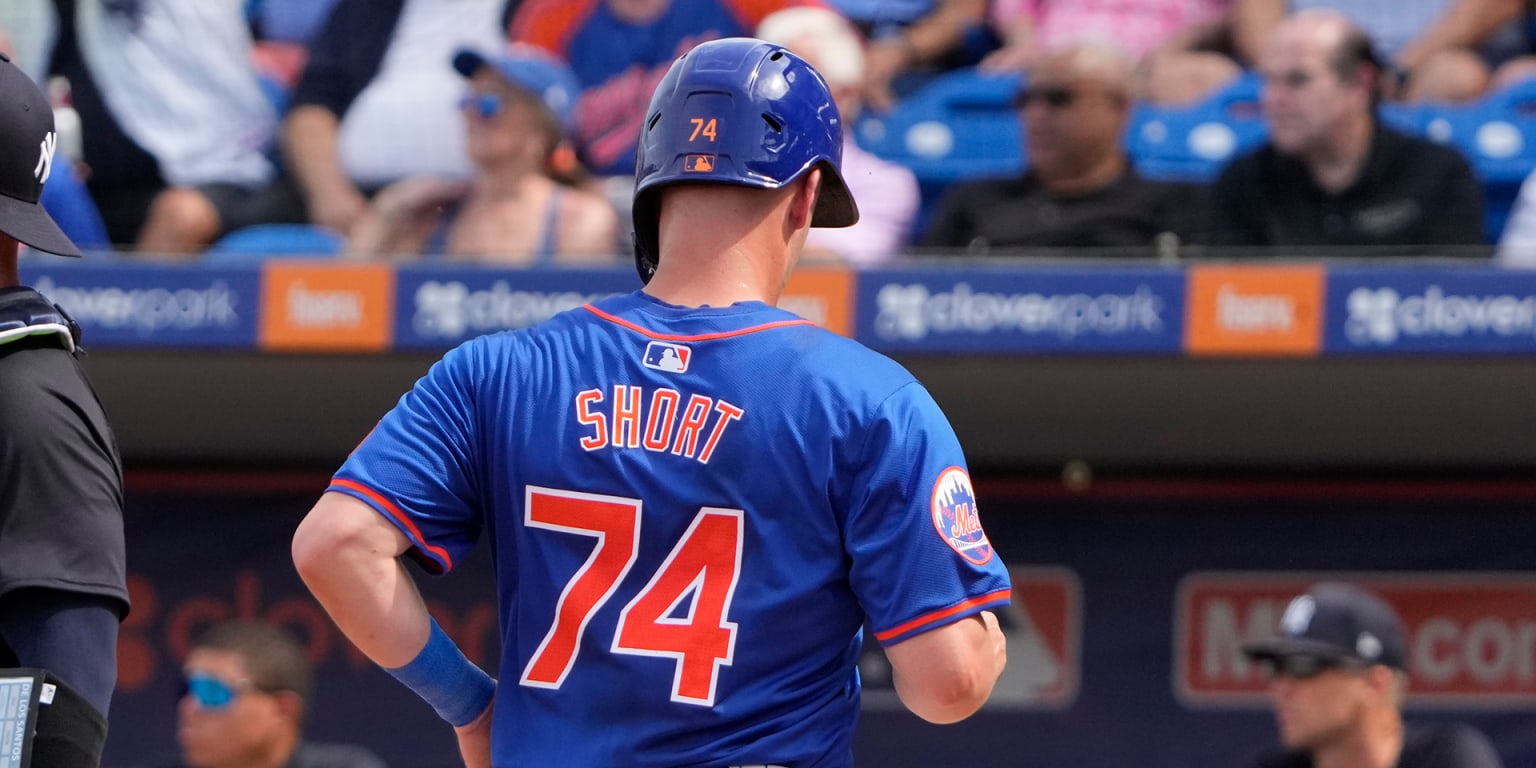
For Short himself, this represents another opportunity to remain in the major league ecosystem and continue demonstrating his value as a utility option. While he has not yet established himself as an everyday contributor at the MLB level, repeated interest from multiple organizations suggests that teams continue to see utility in his skill set. In many cases, players in his role carve out careers not through star-level production but through reliability, readiness, and defensive competence across multiple positions.
Looking ahead, his role with the Mets will likely depend on how the team’s injury situation evolves and whether other internal options emerge from the minor leagues. If regular infielders return to health quickly, his time on the active roster could be limited. On the other hand, if injuries persist or expand, his versatility could make him an important stopgap in maintaining lineup stability.
Ultimately, this transaction is less about a major roster shakeup and more about reinforcing the edges of a team navigating the unpredictable nature of a long season. For the Mets, it’s another small but practical adjustment aimed at maintaining competitiveness. For Short, it’s yet another chapter in a career defined by movement, adaptability, and constant readiness to step into whatever role is required next.
READ MORE