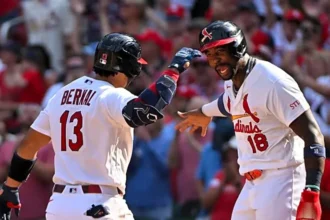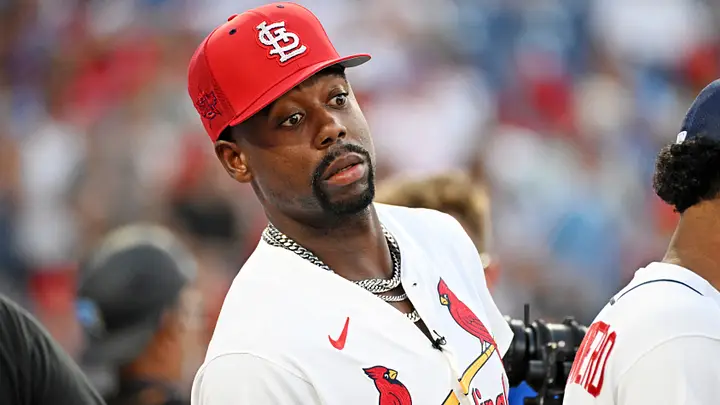
At the time, Walker appeared ready to establish himself as a cornerstone of the Cardinals’ future. His performance suggested that the enormous expectations surrounding him earlier in his career might finally be justified. The organization had waited patiently for its former top prospect to turn his impressive physical tools into consistent major league production.

Unfortunately, the excitement surrounding Walker has faded considerably since the All-Star break.
What initially looked like a breakout season has developed into another frustrating chapter in his career. His power has largely disappeared, his offensive production has declined, and the Cardinals are once again facing uncomfortable questions about his long-term role.
Entering the final week of the regular season, Walker had managed just six home runs, 26 RBIs and a .680 OPS across nearly 250 plate appearances in the second half. Those numbers represent a disappointing return for a player who had demonstrated his power in front of a national audience only weeks earlier.
There was one encouraging stretch. Walker batted .305 with five home runs and 18 RBIs during August, briefly suggesting that he had rediscovered the offensive rhythm that made him successful earlier in the season.
However, his production outside that month tells a considerably different story. Across the other 33 games since play resumed on July 17, Walker struggled to generate consistent offense.
For St. Louis, the concern extends beyond an ordinary late-season slump. The organization must determine whether Walker’s struggles are temporary or evidence of limitations that could prevent him from becoming the player it once envisioned.
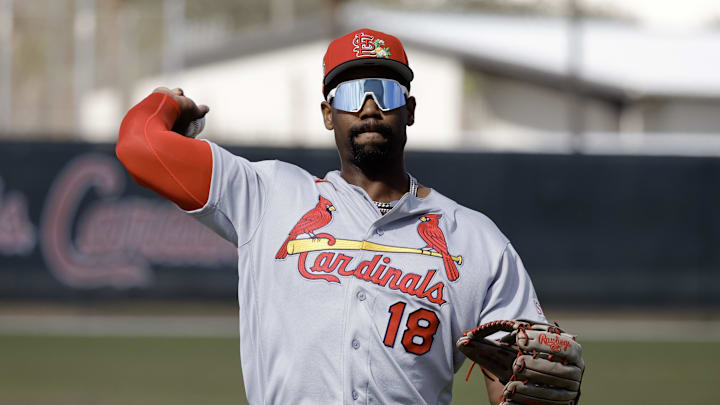
Should the Cardinals Be Worried About Walker’s Future?
Evaluating Walker requires some perspective because second-half struggles are hardly unusual among players who participate in the Home Run Derby.
Baseball history offers several examples of talented hitters experiencing significant declines after appearing in the competition. Although participation in the Derby does not necessarily cause offensive struggles, the timing can create uncomfortable comparisons when a player’s production suddenly drops.
Former Philadelphia Phillies outfielder Bobby Abreu provides an interesting example.
Abreu delivered a memorable performance when he won the 2005 Home Run Derby. However, his offensive numbers declined substantially during the remainder of that season. He hit just six home runs after the All-Star break and finished the second half with a .787 OPS, considerably below his career average of .870.

Abreu remained a productive major league hitter for several more seasons, but he never again exceeded 20 home runs or accumulated more than 4.0 Baseball Reference wins above replacement in a season.
His career illustrates how even established players can experience changes in offensive production after an impressive first half.
Walker, however, faces a different challenge.
Unlike Abreu, who had already established himself as one of baseball’s most dependable hitters, Walker entered this season with considerable uncertainty surrounding his ability to succeed consistently at the major league level.
Through his first three seasons, Walker accumulated minus-2.6 bWAR while recording a .680 OPS. Those numbers were particularly disappointing considering the enormous expectations that accompanied his arrival in St. Louis.
His second-half performance therefore resembles his earlier major league production more closely than the impressive stretches that generated excitement this season.
That distinction makes his situation especially complicated for the Cardinals. They must decide how much weight to give his encouraging performances when his broader career record suggests that consistency remains a significant obstacle.
A Full-Time Role Is No Longer Guaranteed
Walker’s potential remains obvious whenever he connects with a pitch. His size, bat speed and raw power explain why the Cardinals invested so much hope in his development. Unfortunately, those tools have not translated into the dependable production expected from an everyday corner outfielder.
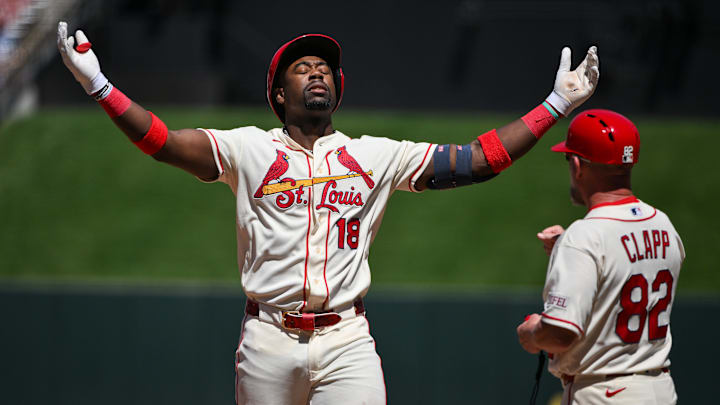
His plate discipline remains an issue, particularly when pitchers force him to chase pitches outside the strike zone. Without more consistent contact or improved decisions at the plate, occasional displays of impressive power may not be enough to justify an everyday position.
His defensive versatility also offers limited reassurance. Walker has spent nearly all his major league outfield innings in right field, leaving the Cardinals with fewer ways to keep him in the lineup when his bat goes cold. Moving him to designated hitter would place even greater pressure on his offensive production, especially if his home run totals remain inconsistent.
A fourth-outfielder role could eventually become a realistic outcome if he cannot make meaningful adjustments. That would represent a disappointing return for a player once expected to become a central figure in the organization’s next competitive team.
Yet assigning him that role permanently would be premature. His August production demonstrated that he can still deliver strong stretches against major league pitching. The question is whether those stretches can become sustained success rather than brief interruptions in an otherwise difficult season.
St. Louis Faces a Difficult Rebuilding Decision
The Cardinals must evaluate Walker’s future while confronting larger questions about their roster. With the Brewers and Cubs presenting significant competition in the National League Central, St. Louis cannot assume that a quick turnaround will put it back into contention.
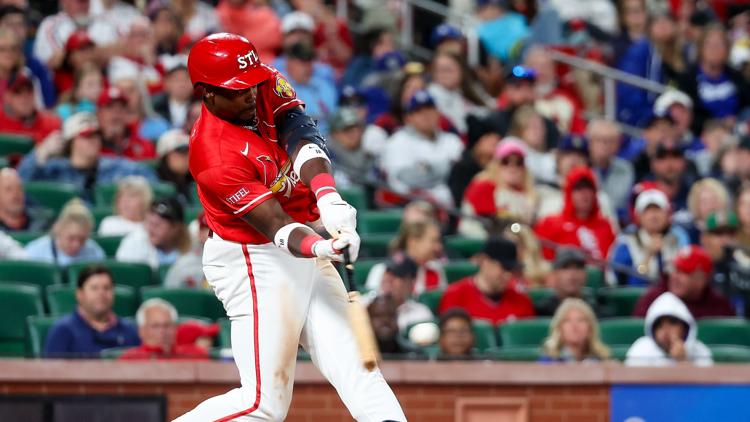
Other National League clubs, including the Dodgers, Phillies, Braves and Padres, further illustrate the challenge of building a roster capable of competing deep into October. Even within the division, Cincinnati has young players who could help it compete for future playoff opportunities.
That environment makes Walker’s development particularly important. If St. Louis plans to build around its younger players, it needs a clearer understanding of which ones can contribute consistently and which positions require outside reinforcements.
Fortunately, the Cardinals have some flexibility. Walker has not signed a long-term extension and remains under team control through 2030. That gives the organization time to evaluate his progress without immediately committing substantial money to a player whose future remains uncertain.
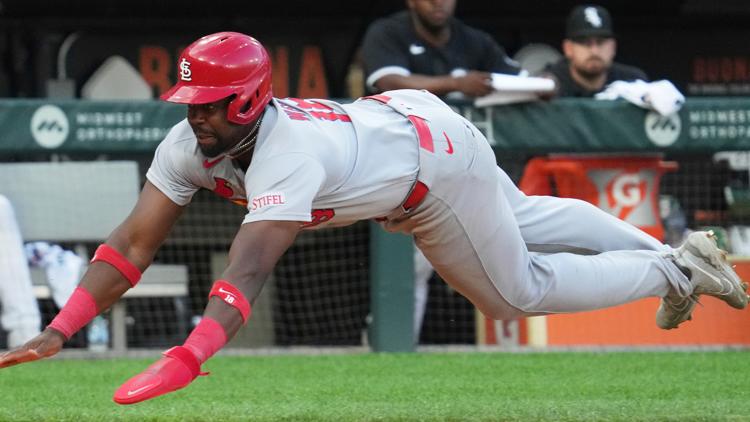
An extension this winter would therefore be difficult to justify based solely on his brief periods of success. St. Louis can continue monitoring his development while deciding whether keeping him fits its longer-term plans.
Could a Trade Give Walker a Fresh Start?
A change of scenery is another possibility worth considering. Walker is still young enough to interest clubs that believe their hitting coaches can help him make adjustments and unlock more of his offensive potential.
The Cardinals would have to balance that remaining upside against the risk of keeping a player whose value could decline further if his struggles continue. Trading him now might produce a useful return, although expecting a package built around elite prospects would be unrealistic given his uneven major league record.
Teams such as the Yankees or Braves could theoretically consider him if they wanted additional outfield depth and were comfortable taking on a developmental project. Their actual interest, however, should not be assumed without evidence of trade discussions.
There are practical concerns for any potential buyer. A contender would need to decide whether Walker could contribute immediately or whether acquiring him would require patience and regular playing time. A major media market could also bring added scrutiny during another prolonged slump.

Still, an unfamiliar coaching staff and a different organizational approach might benefit him. Players sometimes respond to changes in instruction, preparation or expectations, although a new uniform offers no guarantee that underlying problems will disappear.
Walker Deserves Credit Despite His Struggles
None of these questions should overshadow Walker’s professionalism. There is no credible basis for attributing his offensive decline to poor effort or a lack of maturity. The Cardinals’ decision to nominate him for the Roberto Clemente Award also reflects his involvement beyond his performance on the field.
His difficulties are baseball problems, and they deserve to be evaluated as such. A player can work hard, earn respect throughout an organization and still struggle to meet the expectations attached to his talent.
The coming offseason presents Walker with another opportunity to address those problems. Improved pitch recognition, more consistent contact and a clearer defensive role would all help strengthen his case for regular playing time. For the Cardinals, the challenge is deciding how much patience they can afford while assembling their next competitive roster.
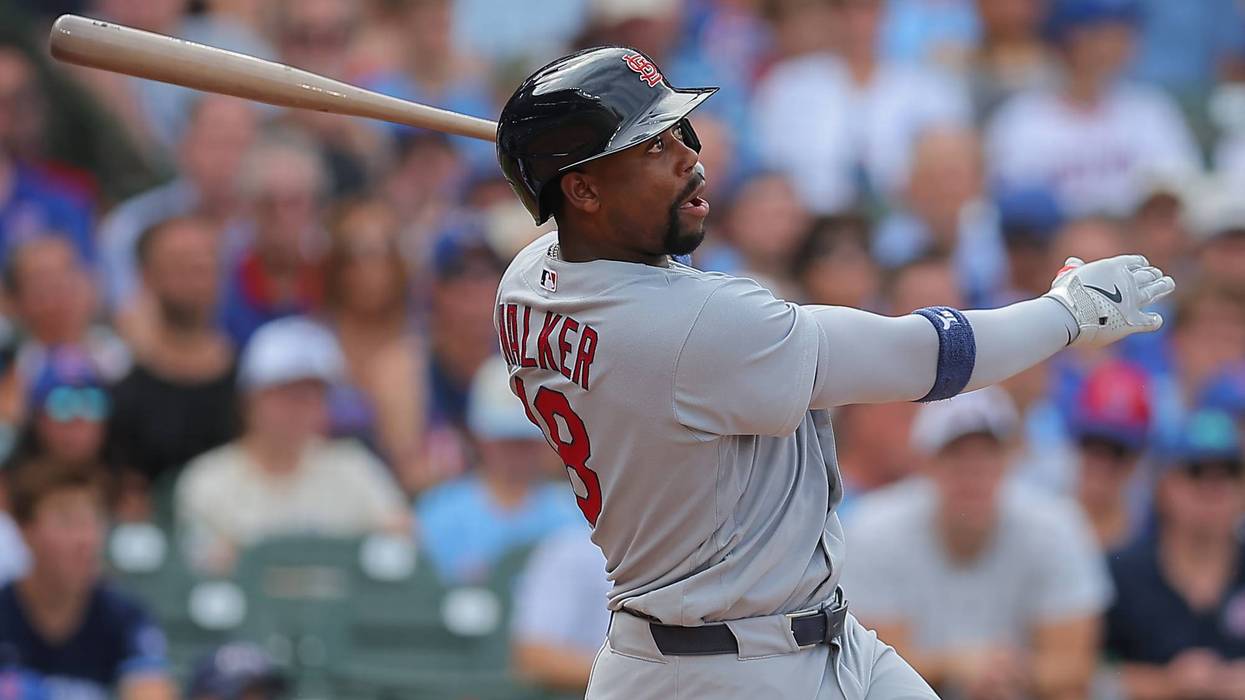
The organization also needs to avoid allowing one spectacular exhibition to dictate its personnel decisions. Home Run Derby success reveals raw power, but regular-season hitting demands adjustments across months of scouting reports, changing pitch sequences and matchups. Walker’s future will depend on how effectively he handles those everyday challenges when the excitement of July has passed.
July’s Home Run Derby victory offered an exciting glimpse of Walker’s ability, but it cannot erase months of inconsistent production. Whether he remains in St. Louis or eventually receives an opportunity elsewhere, his next step must be turning isolated flashes of power into dependable major league performance.
READ MORE